
Color recognition Reading Fiction Worksheets for 6-Year-Olds
5 filtered results
Difficulty Level
Grade
Age
-
From - To
Subject
Activity
Standards
Explore our engaging Color Recognition Reading Fiction Worksheets designed specifically for 6-year-olds! These worksheets combine the joy of storytelling with essential color identification skills, helping young learners enhance their reading comprehension while recognizing colors in various contexts. Each activity is thoughtfully crafted to support early literacy development, engage creative thinking, and boost visual recognition. With vibrant illustrations and age-appropriate narratives, children can enjoy reading and learning simultaneously. Perfect for home or classroom use, our worksheets aim to create a fun, interactive experience that builds confidence in young readers and lays the foundation for future learning. Dive into colorful learning today!
Favorites
With answer key
Interactive
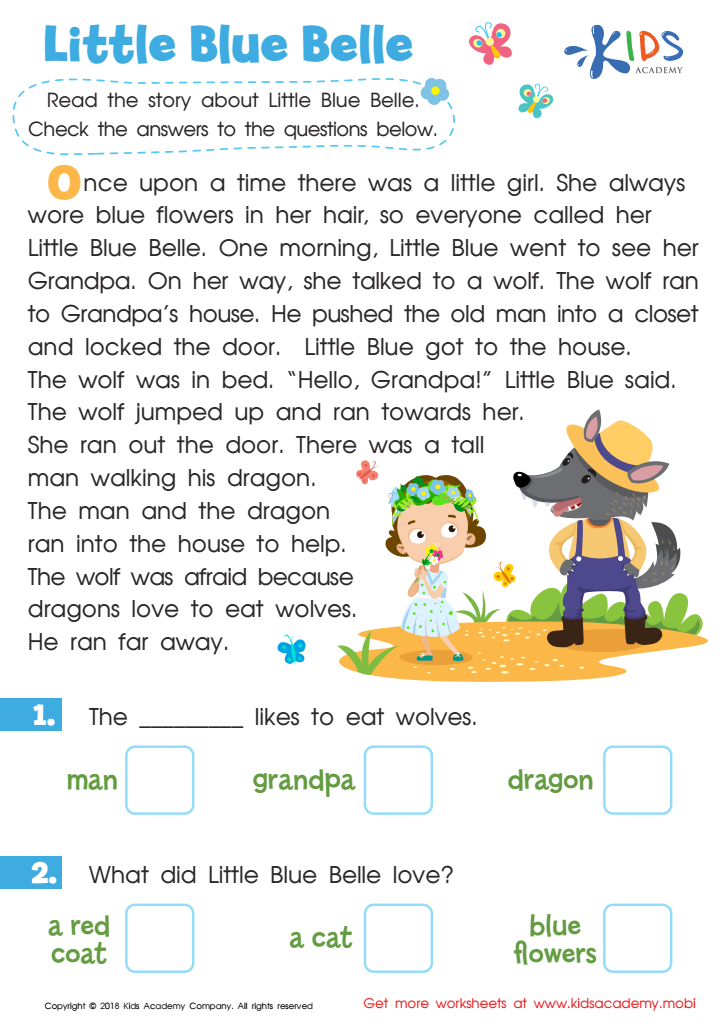
Little Blue Belle Worksheet
Check comprehension of fiction read in class by asking questions. Some students may struggle, so provide extra practice with a reading worksheet. Students read a story and answer questions at the bottom. A handy resource for reading classrooms!
Little Blue Belle Worksheet
Worksheet
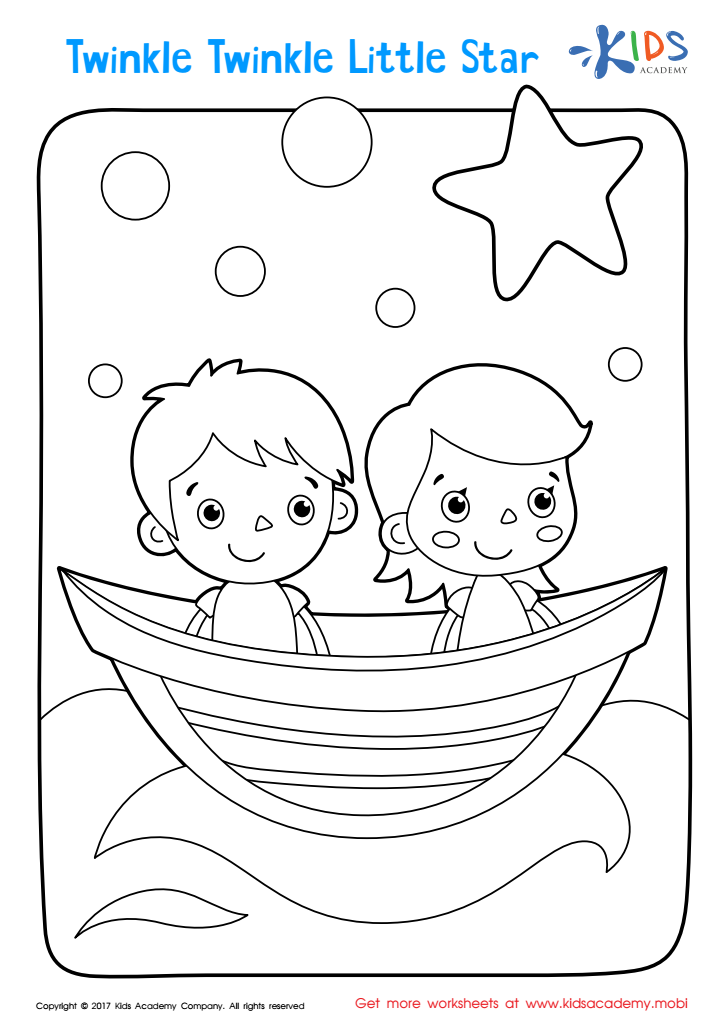
Twinkle Twinkle Little Star Coloring Page
Let your child wish upon a star as they color this scene of boy and girl stargazing. Sing Twinkle Twinkle Little Star while they choose colors to show the star twinkling in the night sky.
Download (PDF)
 Assign to My Students
Assign to My Students
Twinkle Twinkle Little Star Coloring Page
Worksheet
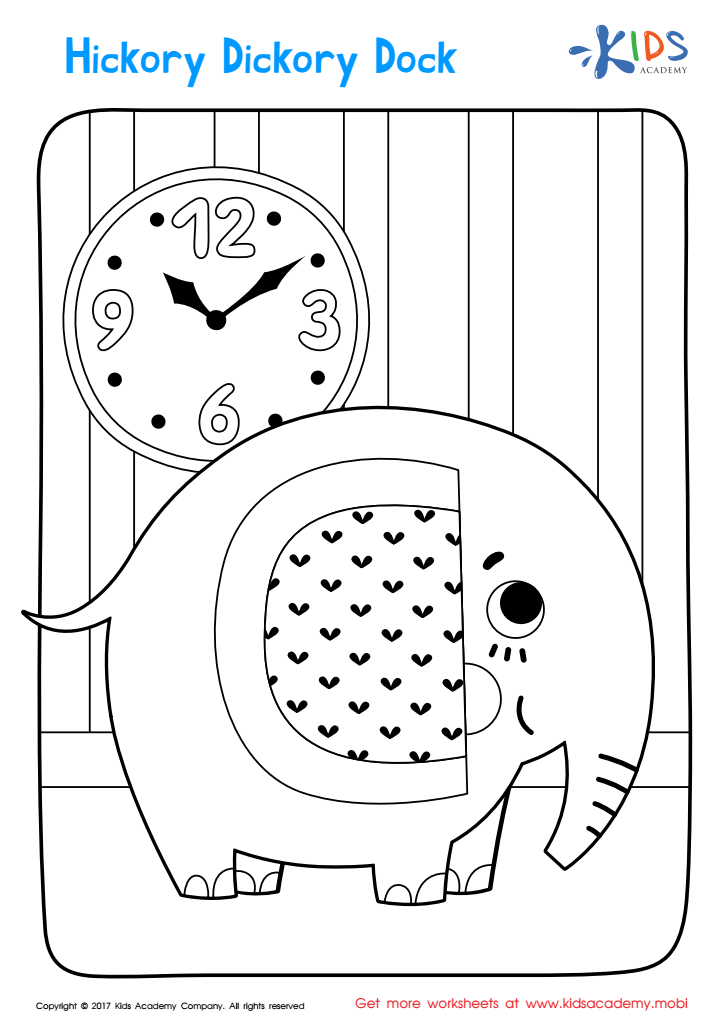
Hickory Dickory Dock Coloring Page
Sing and color with your child! Enjoy the classic nursery rhyme Hickory Dickory Dock as they color this fun printable. Watch the elephant climb and crash down the clock in the final part of the song. It's sure to bring smiles and giggles!
Download (PDF)
Assign to My Students
Assign to My Students
Hickory Dickory Dock Coloring Page
Worksheet
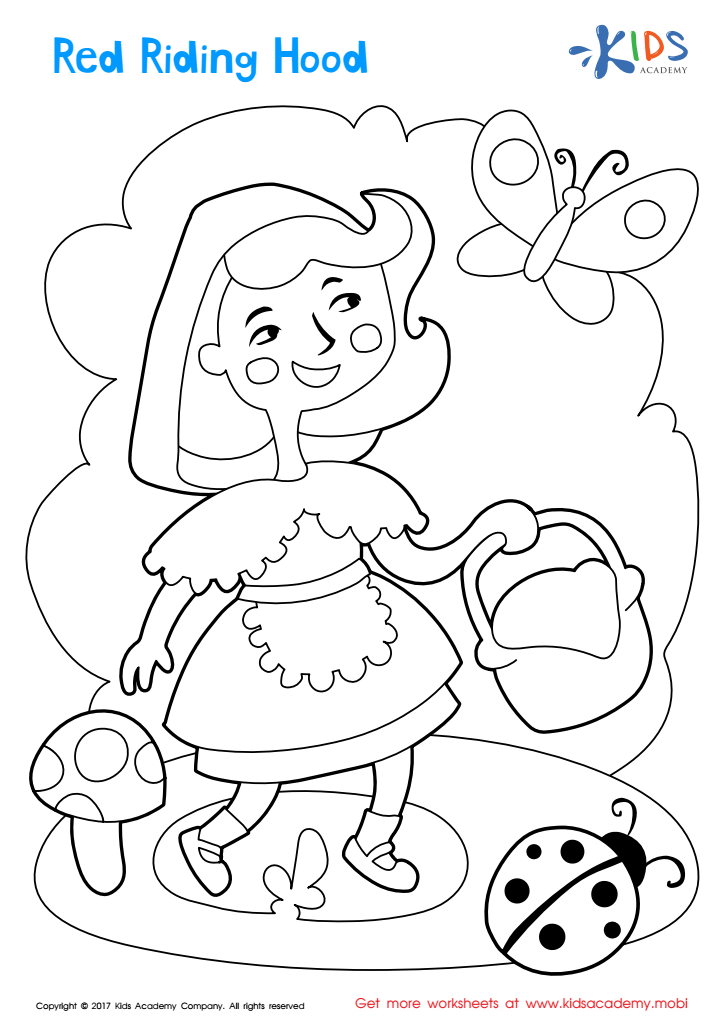
Red Riding Hood Coloring Page
Red Riding Hood awaits in the woods, with a butterfly, mushroom, and ladybug around her. Let your child bring the story to life with this magical printable coloring page. Fairytale fun for all!
Download (PDF)
Assign to My Students
Assign to My Students
Red Riding Hood Coloring Page
Worksheet
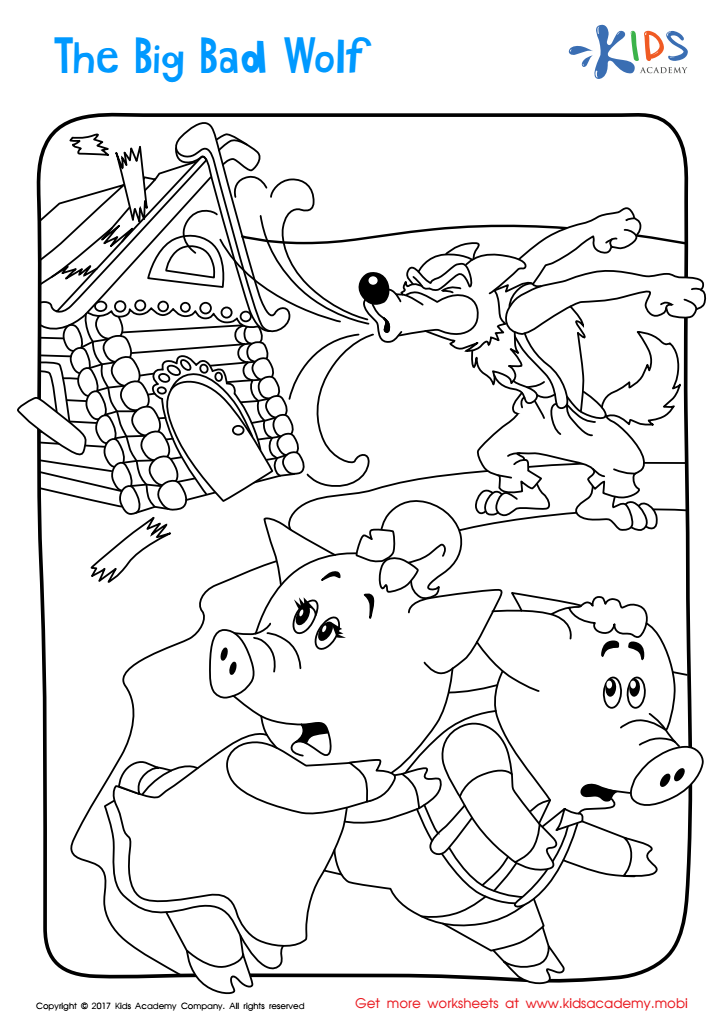
Big Bad Wolf Printable Coloring Page
Let your child have fun coloring the Big Bad Wolf blowing down the little pig's house! This printable coloring page introduces the classic tale, helping to develop reading comprehension skills.
Download (PDF)
Assign to My Students
Assign to My Students
Big Bad Wolf Printable Coloring Page
Worksheet
Join Kids Academy for Free
Who is primarily going to use this learning content?








Parents and teachers should prioritize color recognition in reading fiction for 6-year-olds because it lays the foundation for early literacy skills and enhances comprehension. At this age, children are developing cognitive and language abilities, and recognizing colors can aid in vocabulary growth. When a young reader identifies colors in a story, it allows them to engage more deeply with the text and visuals, fostering a richer understanding of the narrative.
Moreover, color recognition promotes critical thinking as children learn to associate colors with emotions, themes, and character traits within stories. For instance, a character dressed in red may evoke feelings of excitement or danger, while green may represent calmness or nature. This kind of analytical thinking is crucial for developing higher-order thinking skills.
Encouraging color recognition through fiction also makes reading more interactive and fun, transforming it into a multisensory experience where children connect physically and emotionally with the content. As kids learn to identify and discuss colors, they're not just picking up visual clues; they’re building the foundation for reading fluency and critical literacy skills needed for future academic success. Overall, engaging with colors in stories enhances both learning and enjoyment for young readers.








