Vocabulary expansion Reading Fiction Worksheets for 6-Year-Olds
6 filtered results
-
From - To
Our "Vocabulary Expansion Reading Fiction Worksheets for 6-Year-Olds" are expertly designed to help young readers discover new words while enjoying captivating stories. These printables combine fun and education, motivating children to delve deeper into their favorite tales and enhance their language skills. Each worksheet offers thoughtfully crafted exercises that include word matching, context clues, and comprehension questions. Perfect for both classroom and at-home learning, these tools foster a love for reading and promote robust vocabulary growth. Watch your child’s confidence soar as they master new terms and phrases effortlessly with these engaging resources!
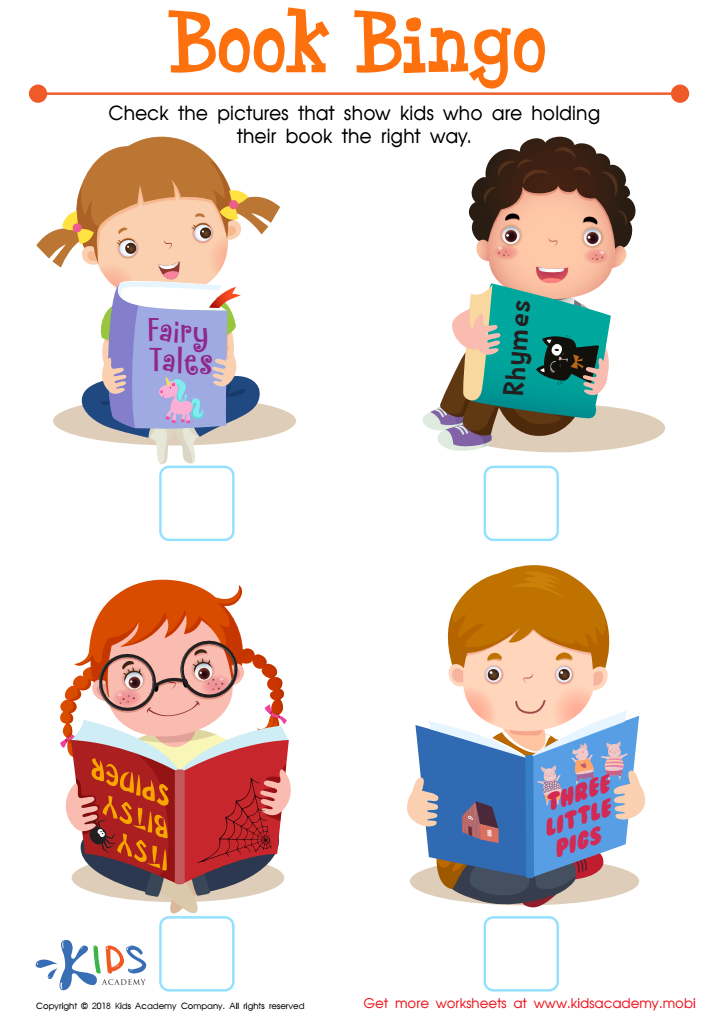
Book Bingo Worksheet
 Assign to My Students
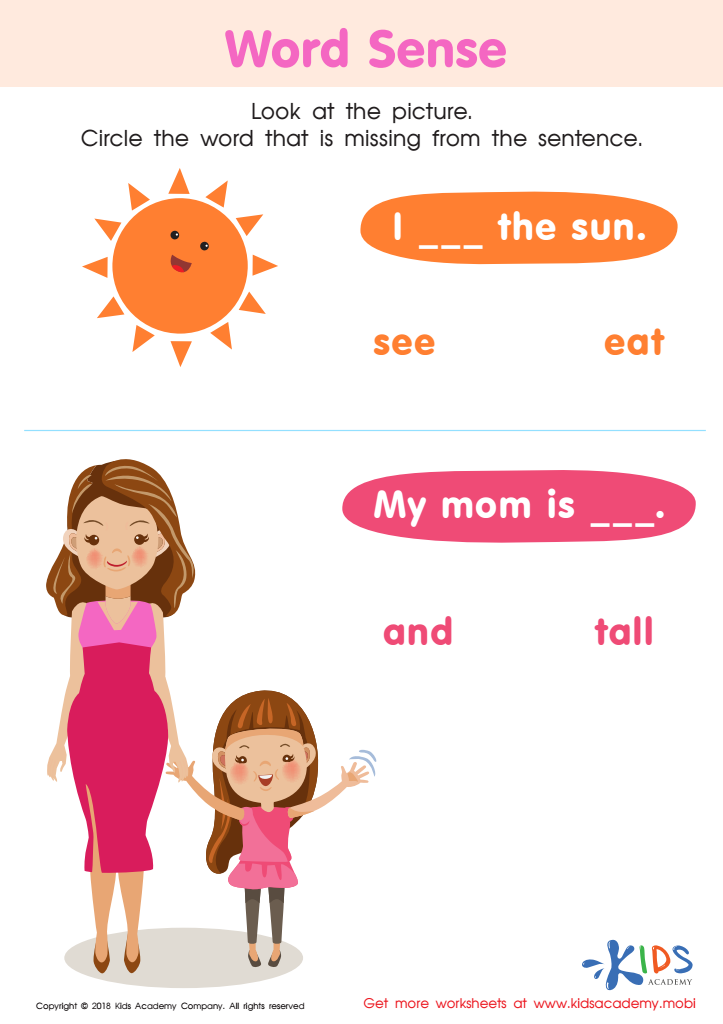
Word Sense Worksheet
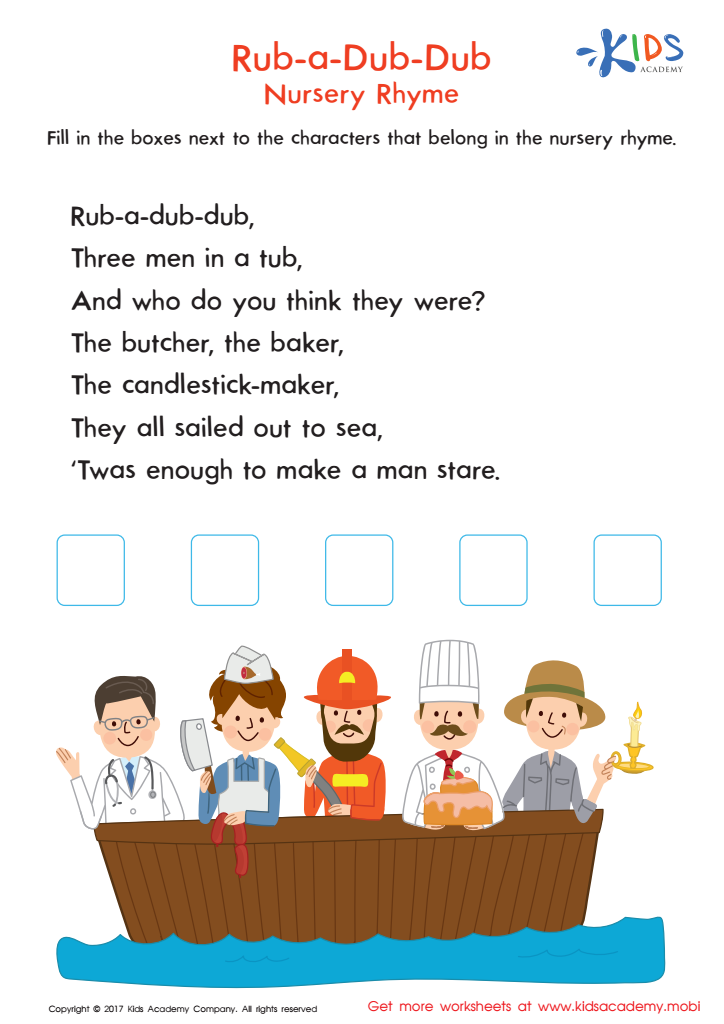
Rub a Dub Dub Printable
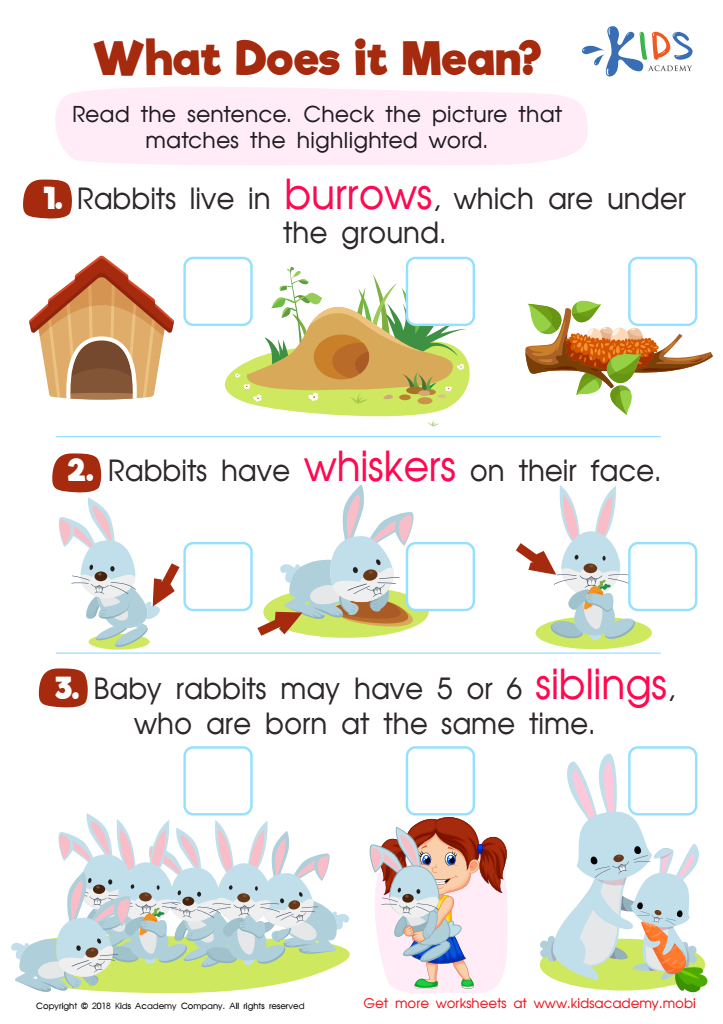
What Does It Mean? Worksheet
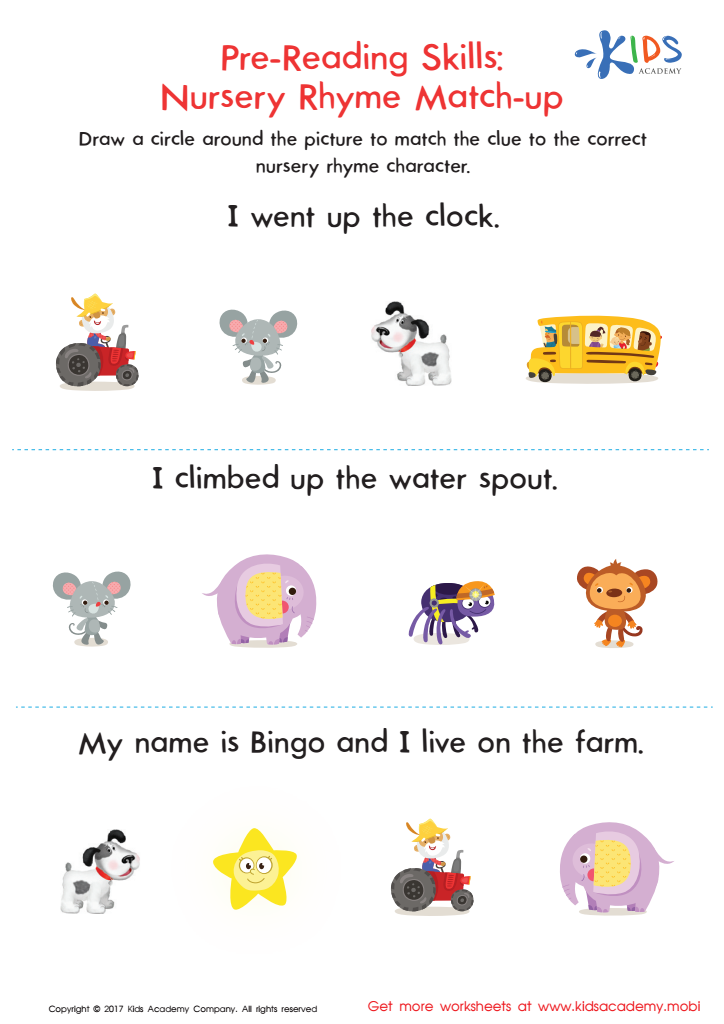
Nursery Rhyme Match–Up Worksheet
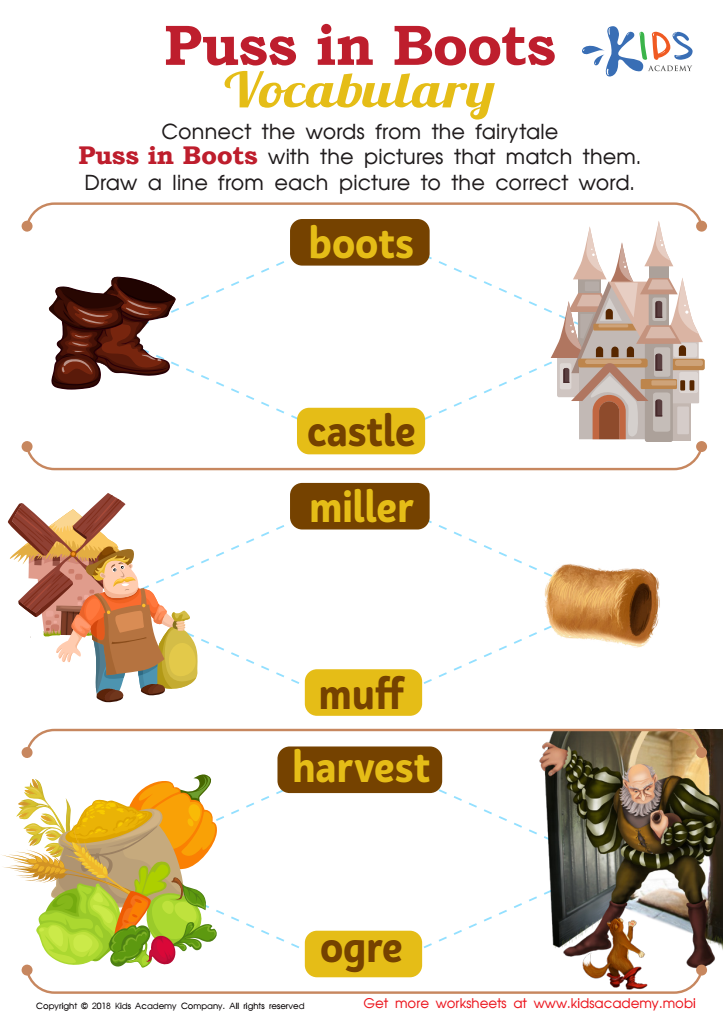
Puss in Boots Vocabulary Worksheet


.jpg)
.jpg)




Vocabulary expansion is crucial for 6-year-olds, and reading fiction greatly aids this process. At this age, children are like sponges, rapidly absorbing new words and concepts. When they immerse themselves in fictional stories, they are exposed to a rich tapestry of language that is often more diverse and descriptive than everyday conversation. This exposure not only broadens their vocabulary but also enhances their understanding of word usage and context.
For parents and teachers, this is vital because a robust vocabulary forms the foundation for effective communication and academic success. Children who have a wide-ranging vocabulary are better equipped to express themselves clearly, understand instructions, and excel in reading comprehension, which are essential skills for future learning. Furthermore, decoding unfamiliar words in fiction helps develop critical thinking and inferential skills.
Fictional stories also spark imagination and curiosity, making the learning process enjoyable and emotionally engaging. By caring about vocabulary expansion through reading fiction, parents and teachers can foster a lifelong love for reading and learning in children, setting the stage for their overall cognitive and emotional development. This attention to vocabulary growth isn't just about words—it's about building confident, competent, and curious learners.








