Improve reading skills Sight Words Worksheets for 6-Year-Olds
6 filtered results
-
From - To
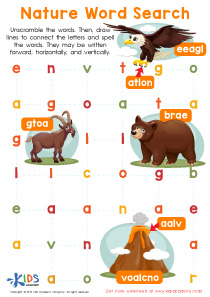
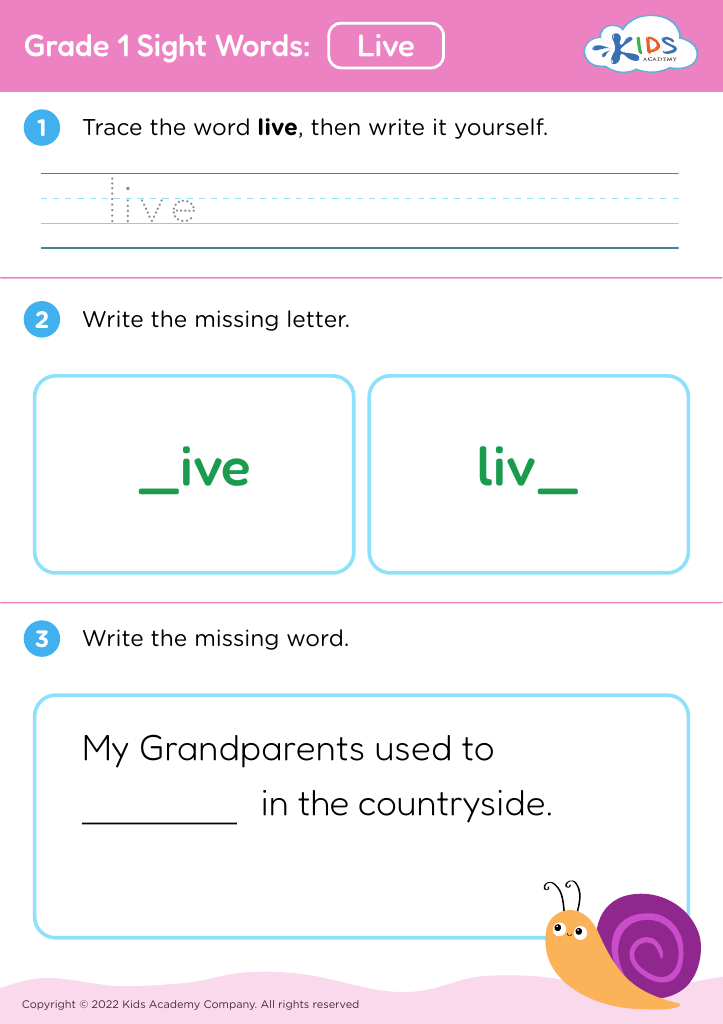
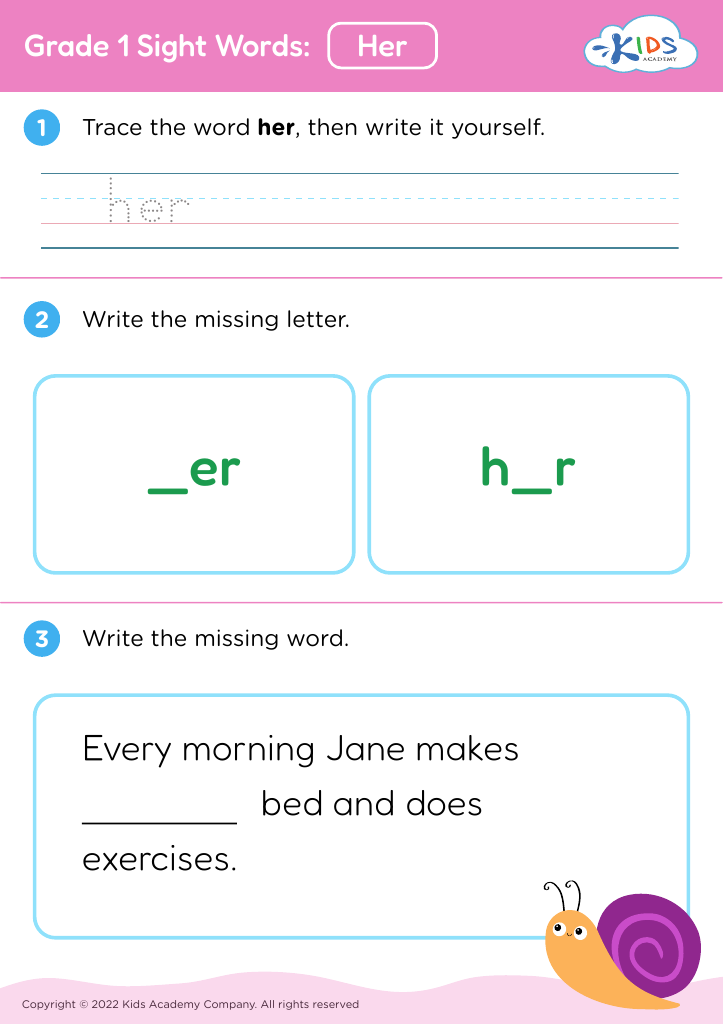
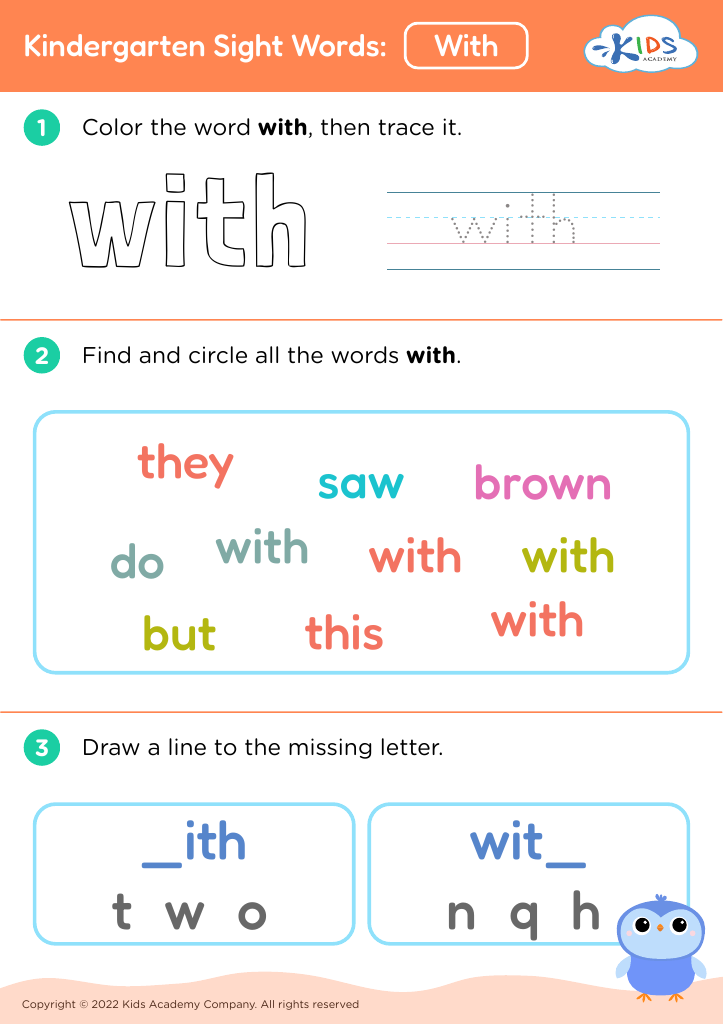
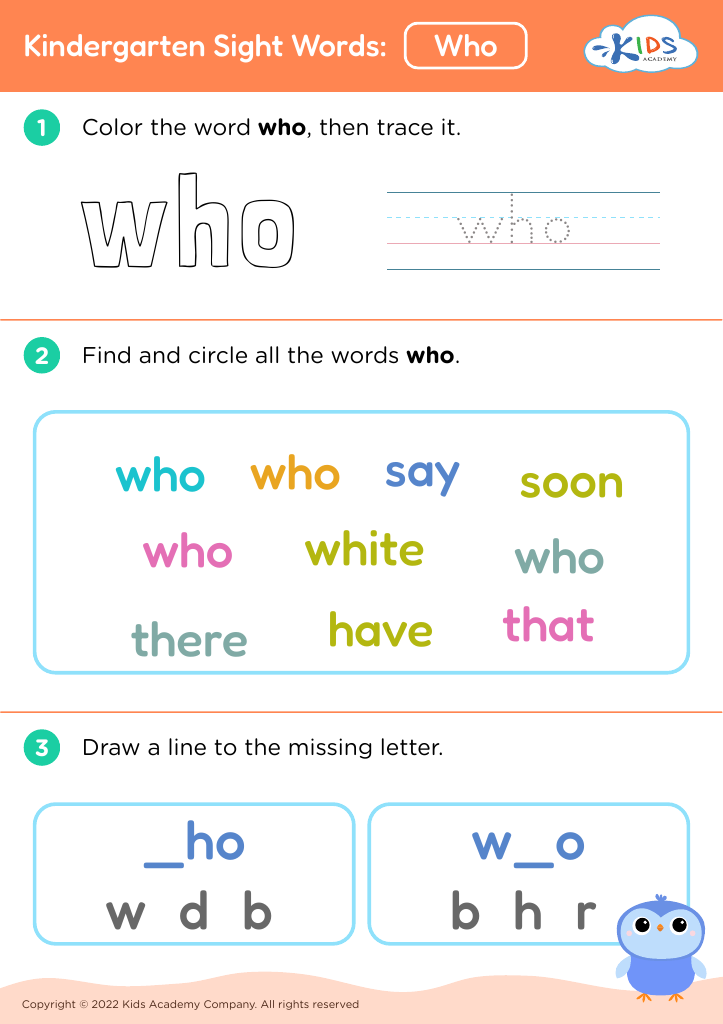
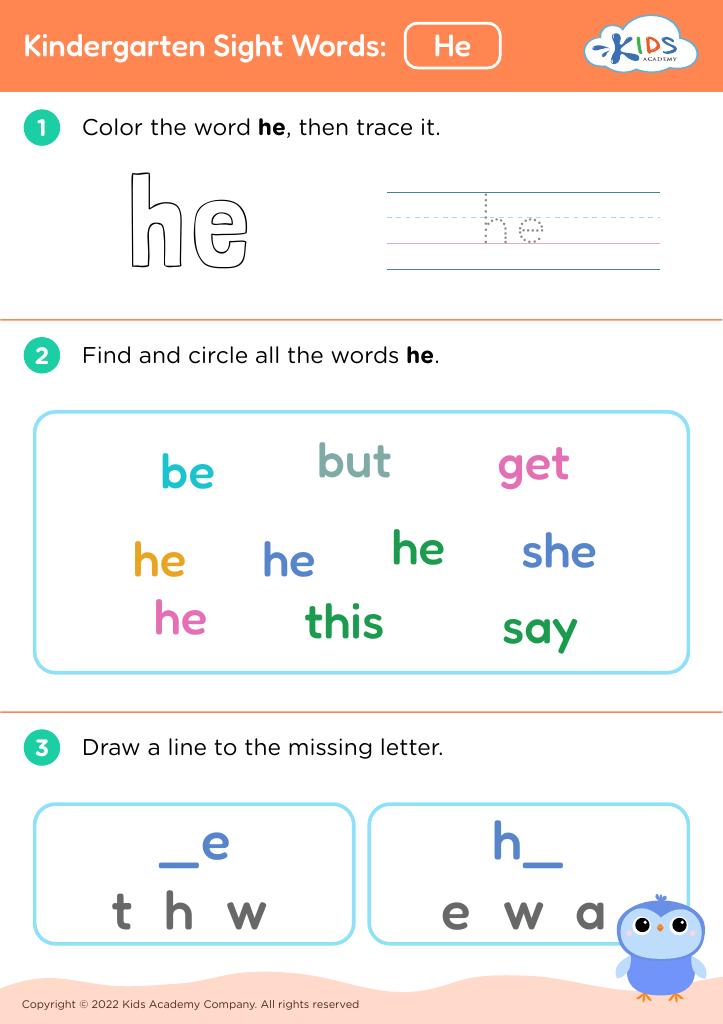
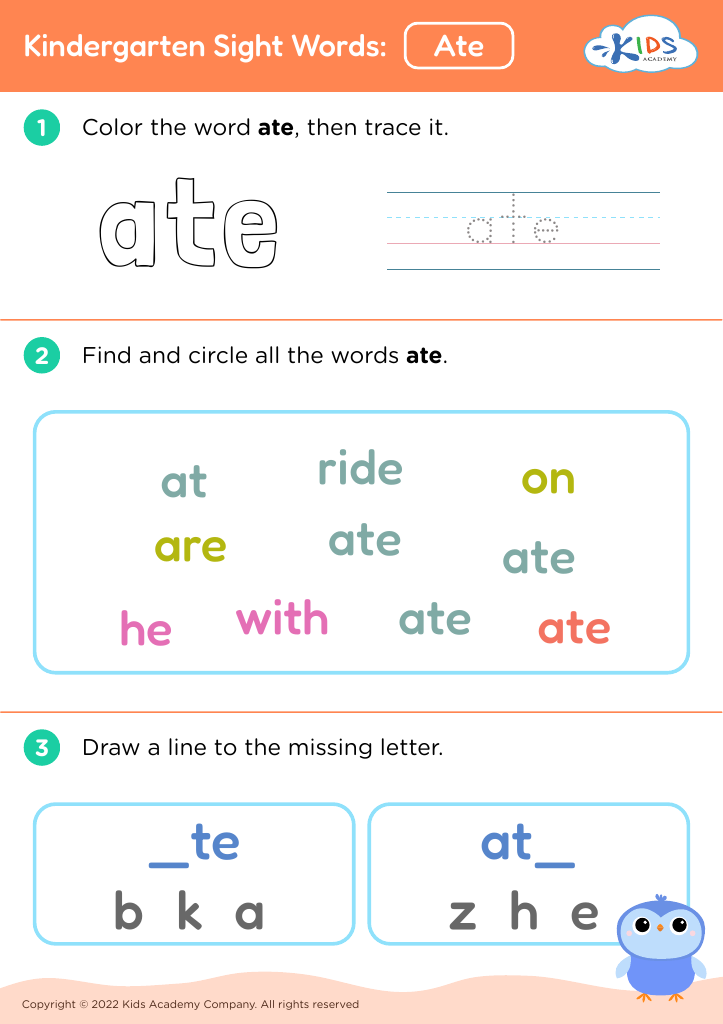
Enhance your 6-year-old's reading skills with our engaging Sight Words Worksheets! Designed to promote literacy, these worksheets focus on essential high-frequency words that children need to recognize for reading fluency. Our activities are crafted to be interactive and enjoyable, encouraging your child to practice reading, writing, and word recognition. These worksheets not only build confidence but also lay a strong foundation for future learning. Perfect for both classroom and home use, they'll make learning fun and effective. Dive into our collection and watch your young reader flourish as they master key sight words in no time!





.jpg)




Improving reading skills, particularly through mastering sight words, is vital for 6-year-olds. Sight words are high-frequency words that children encounter frequently in texts. Understanding these words helps young learners enhance their reading fluency and comprehension, forming the foundation for more advanced literacy skills.
Parents and teachers should care about developing sight word proficiency because it boosts a child's confidence and motivation to read. When children can recognize sight words effortlessly, they find joy in independent reading, fostering a lifelong love of books. Moreover, it enhances listening and vocabulary skills, contributing to overall academic success.
Supporting the mastery of sight words also streamlines their progress toward fluency. Fluency, the ability to read smoothly with good expression, is crucial, as it allows students to focus on understanding the text rather than decoding individual words. This is especially important in this critical developmental stage, as the skills acquired now directly influence future learning.
Ultimately, helping children improve their reading skills through sight words equips them with essential tools for success in school and beyond. Parents and teachers play a crucial role in nurturing this skill, offering guidance, encouragement, and creating a rich literacy environment that propels young learners forward.