Problem-Solving Skills Sight Words Worksheets for 6-Year-Olds
10 filtered results
Difficulty Level
Grade
Age
-
From - To
Subject
Activity
Standards
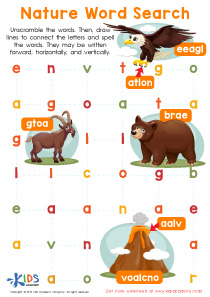
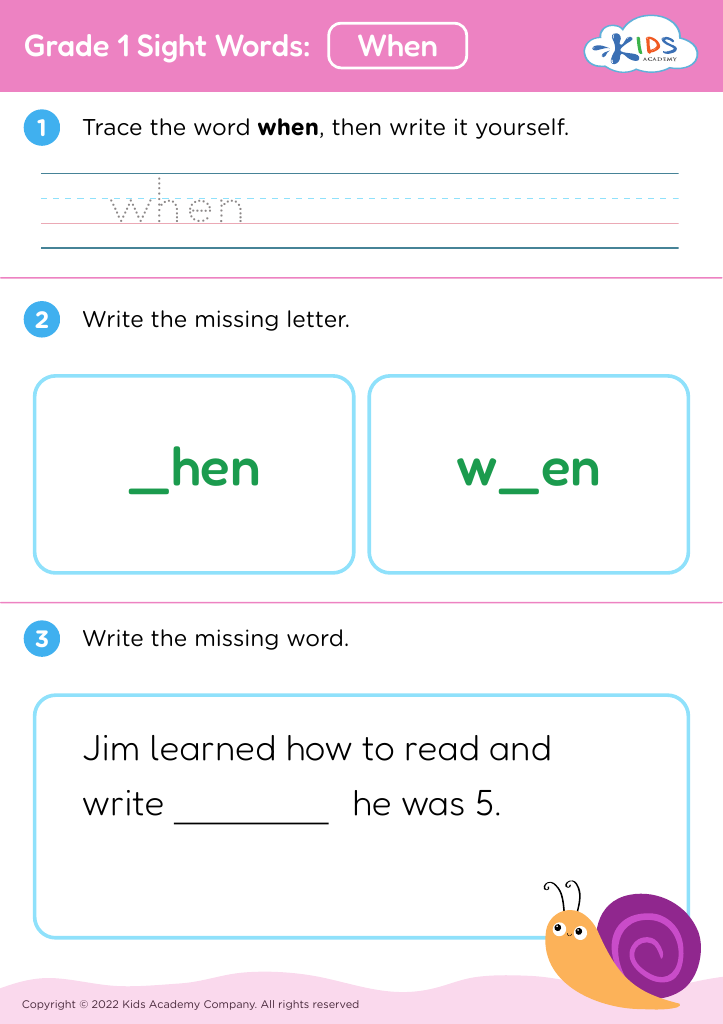
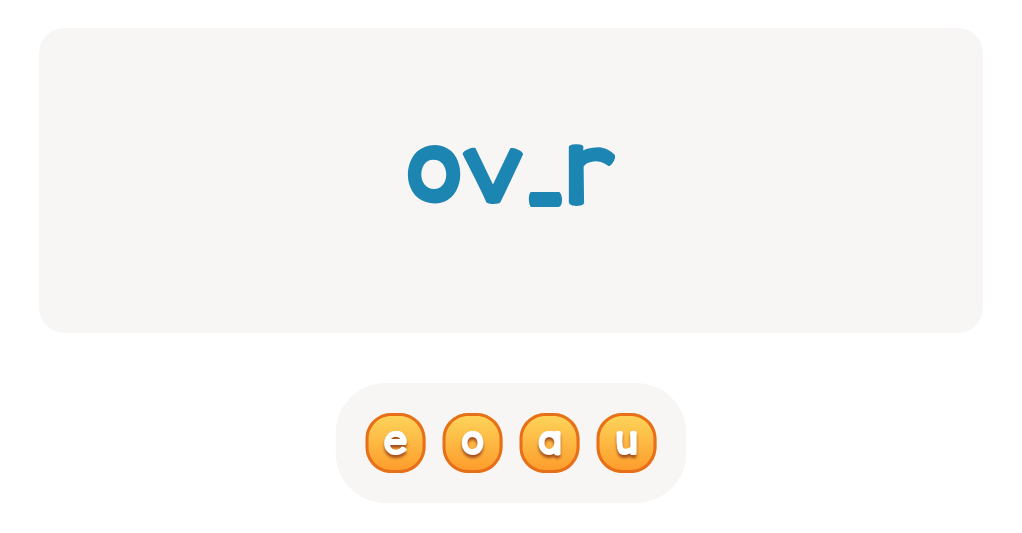
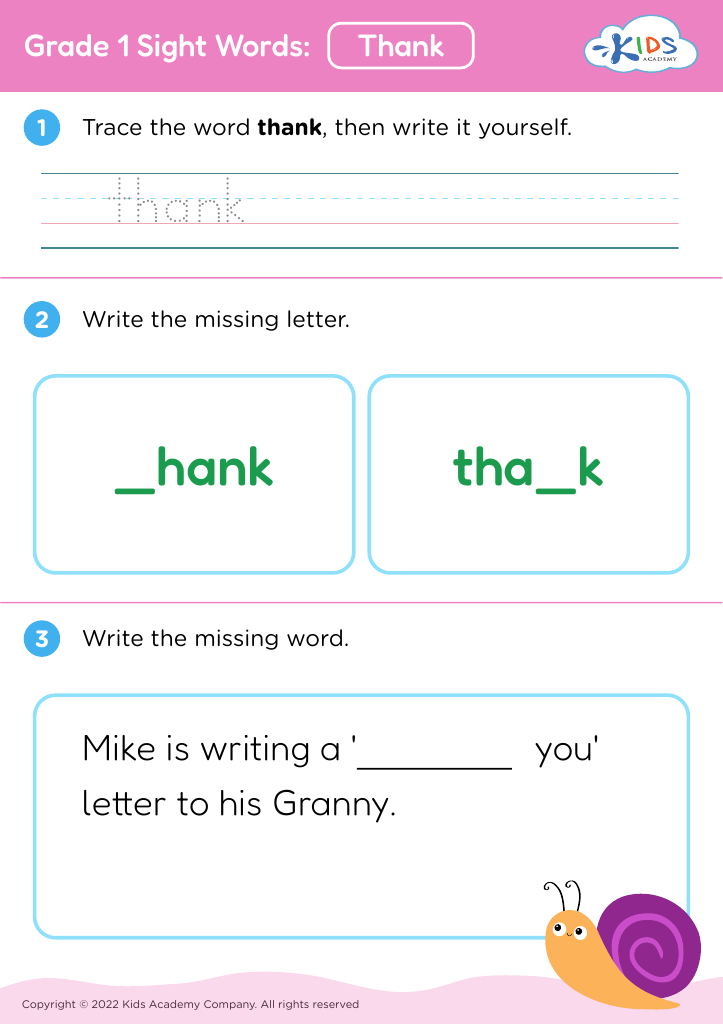
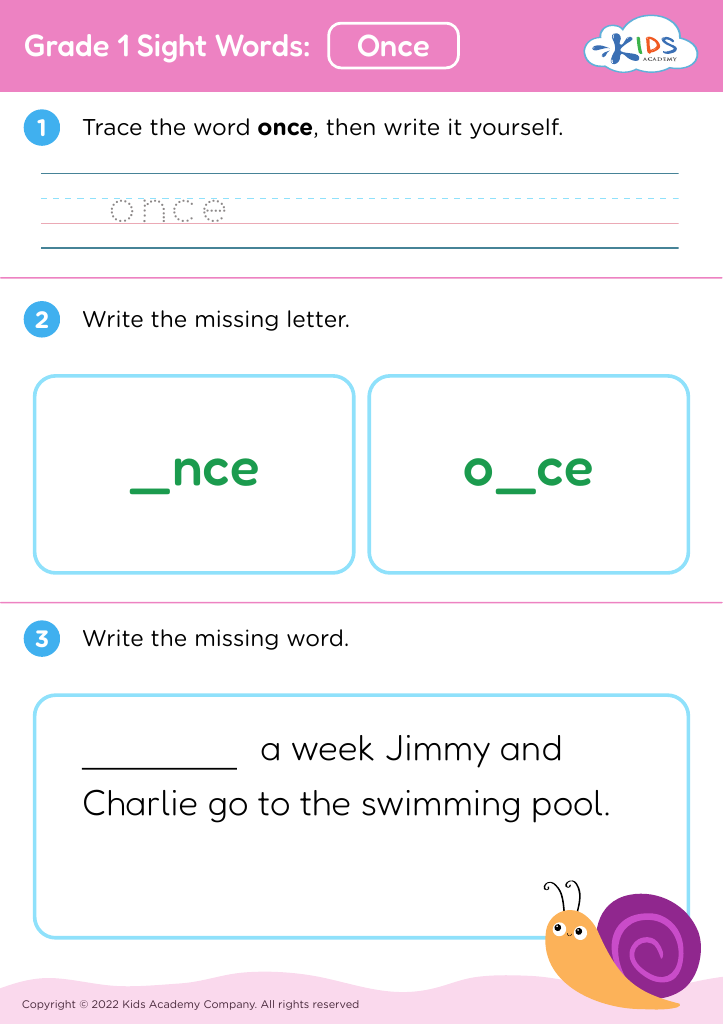
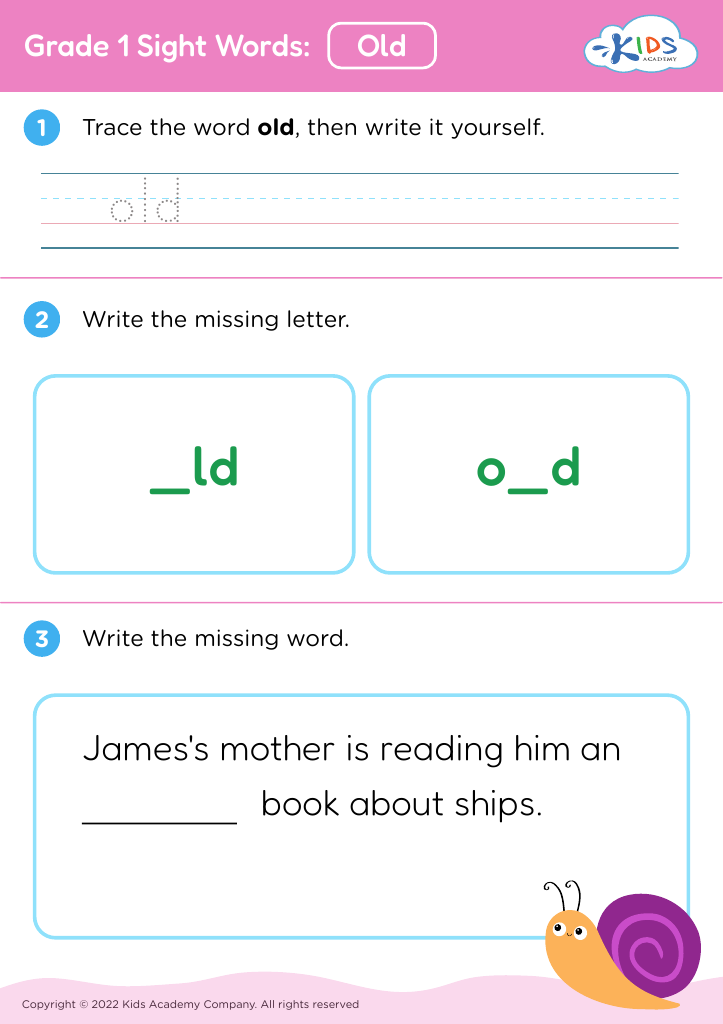
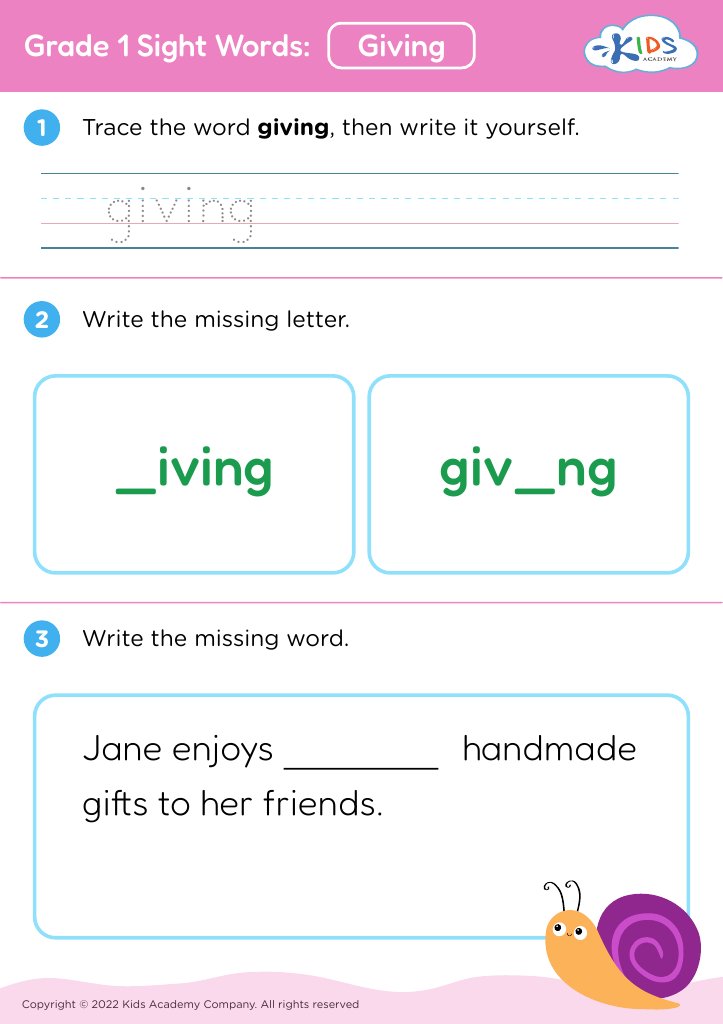
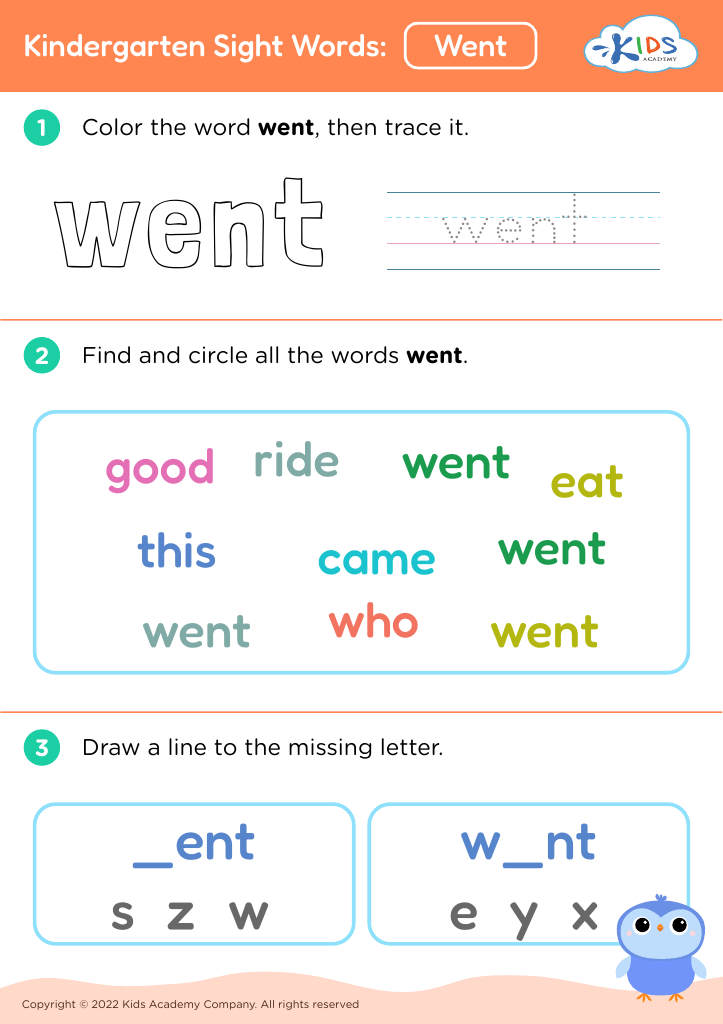
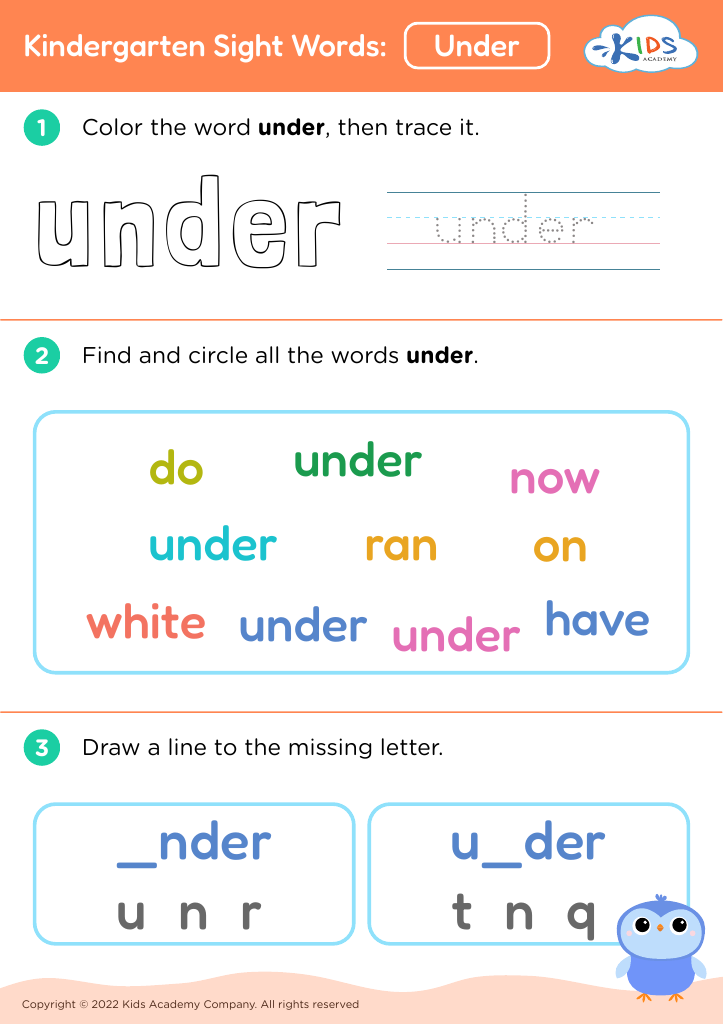
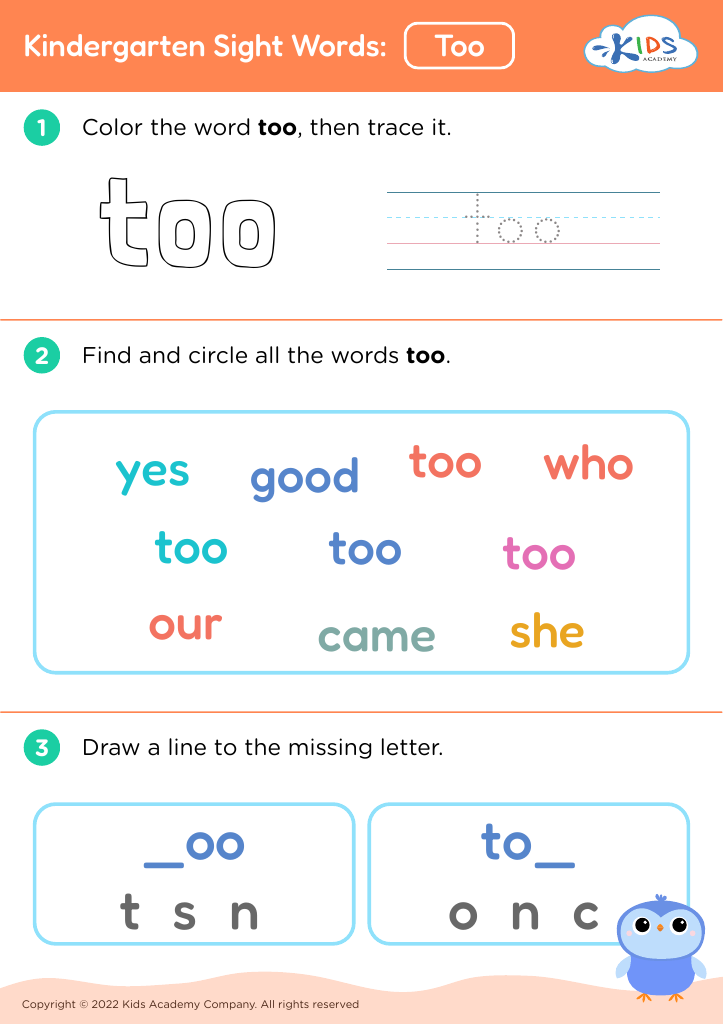
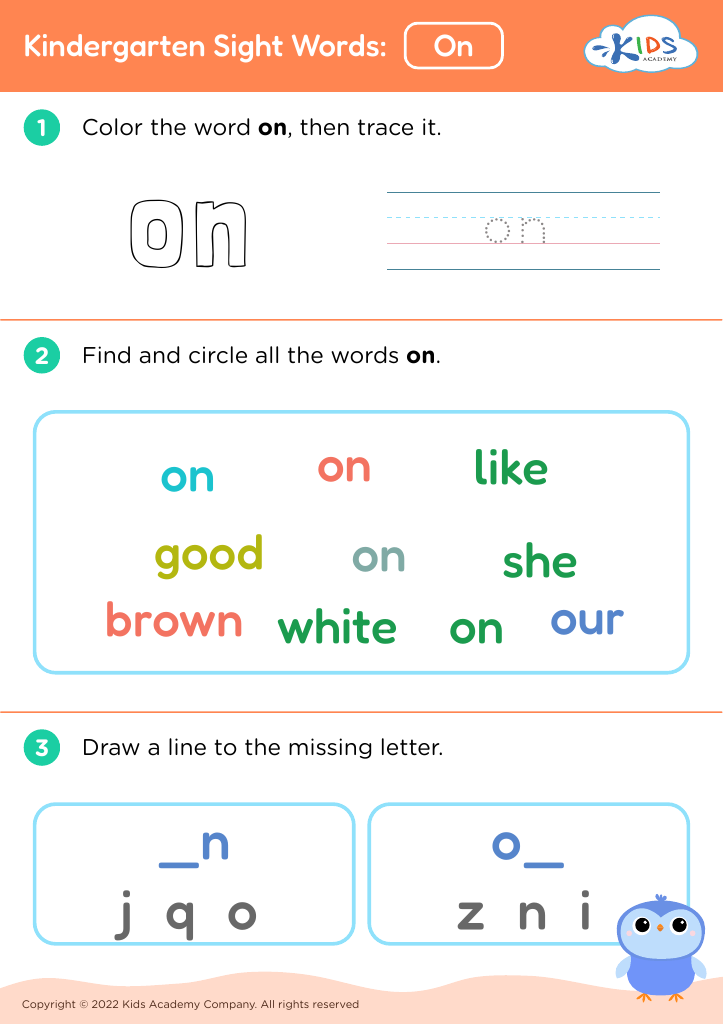
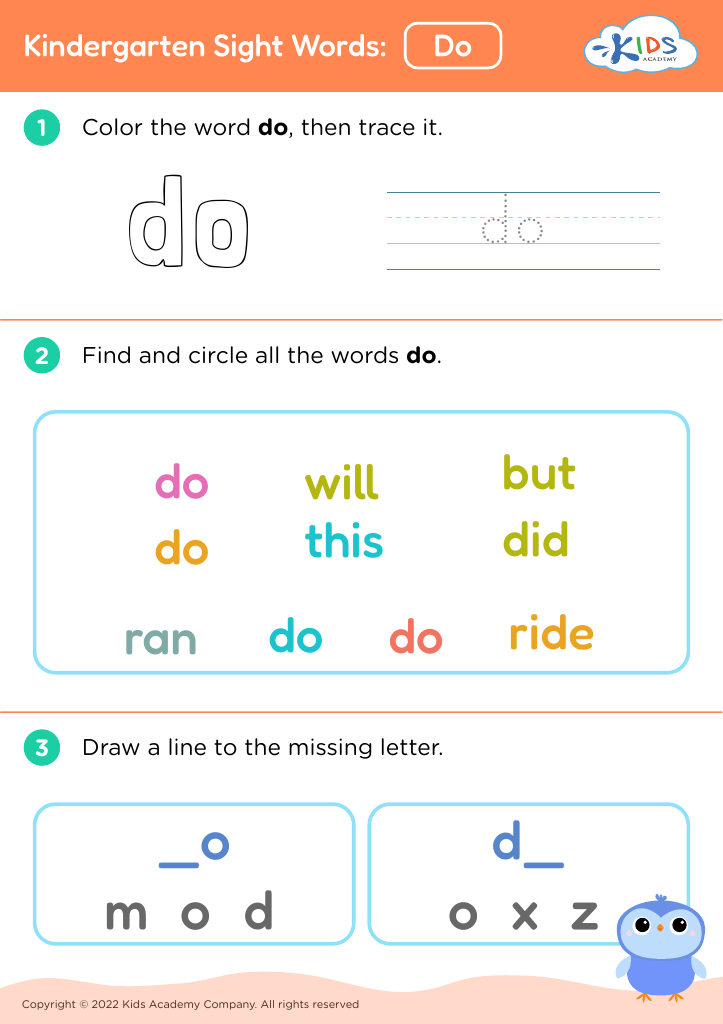
Enhance your child's reading and problem-solving skills with our engaging Problem-Solving Skills Sight Words Worksheets designed for 6-year-olds. These interactive worksheets help young learners identify and understand essential sight words while developing critical thinking abilities. Each activity encourages kids to solve fun challenges, fostering independence and creativity as they navigate through different scenarios. Perfect for home or classroom use, our worksheets align with educational standards, making learning both effective and enjoyable. Give your child the tools they need to thrive in reading and problem-solving. Download our worksheets today to inspire a love for learning in your little one!
Favorites
With answer key
Interactive






Join Kids Academy for Free
Who is primarily going to use this learning content?








Problem-solving skills and sight words are crucial for 6-year-olds as they lay the foundation for future academic success and cognitive development. At this age, children are developing critical thinking and reasoning abilities, which are essential not just in math but across all subjects. By fostering problem-solving skills, parents and teachers empower children to approach challenges confidently, encouraging a mindset that embraces learning and resilience.
Similarly, sight words are fundamental for early literacy. These are high-frequency words that children often encounter in texts, and knowing them by sight enables smoother reading and comprehension. By mastering sight words, children enhance their vocabulary and fluency, leading to a deeper understanding of the material they read.
Integrating problem-solving activities with sight word practice creates a dynamic learning environment. For instance, using sight words in puzzles or games encourages children to think critically while reinforcing their reading skills. This dual approach not only makes learning enjoyable but also motivates kids to engage with both language and logic. As children develop these key skills, they become better prepared for the challenges of higher education and everyday life, ultimately fostering a lifelong love of learning. Thus, focusing on these areas should be a priority for parents and educators alike.