Word Recognition Sight Words Worksheets for 6-Year-Olds
3 filtered results
-
From - To
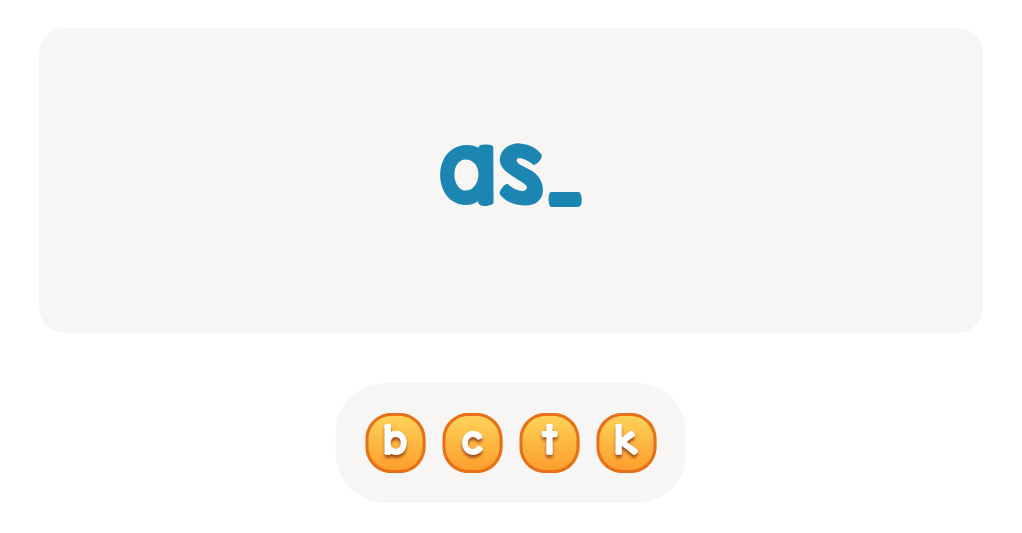
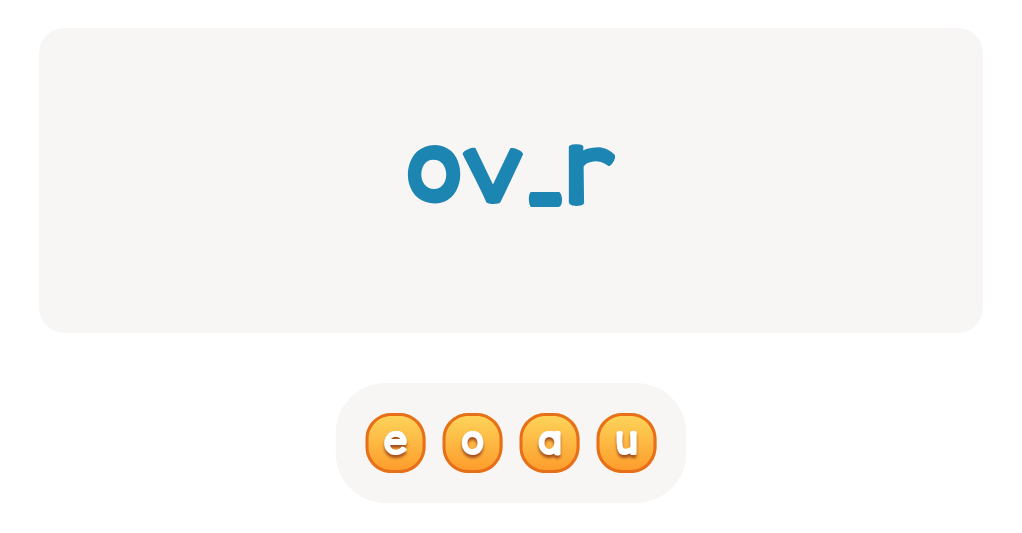
Welcome to our Word Recognition Sight Words Worksheets for 6-Year-Olds! Designed to enhance early reading skills, these engaging worksheets help young learners recognize and master essential sight words. Our carefully crafted activities promote word familiarity through fun exercises, fostering confidence and fluency in reading. Each worksheet encourages children to practice writing, identifying, and applying sight words in sentences, making learning both interactive and enjoyable. Perfect for preschoolers and young readers, these resources support literacy development in a playful and effective way. Download our worksheets today and watch your child thrive as they embark on their reading journey!
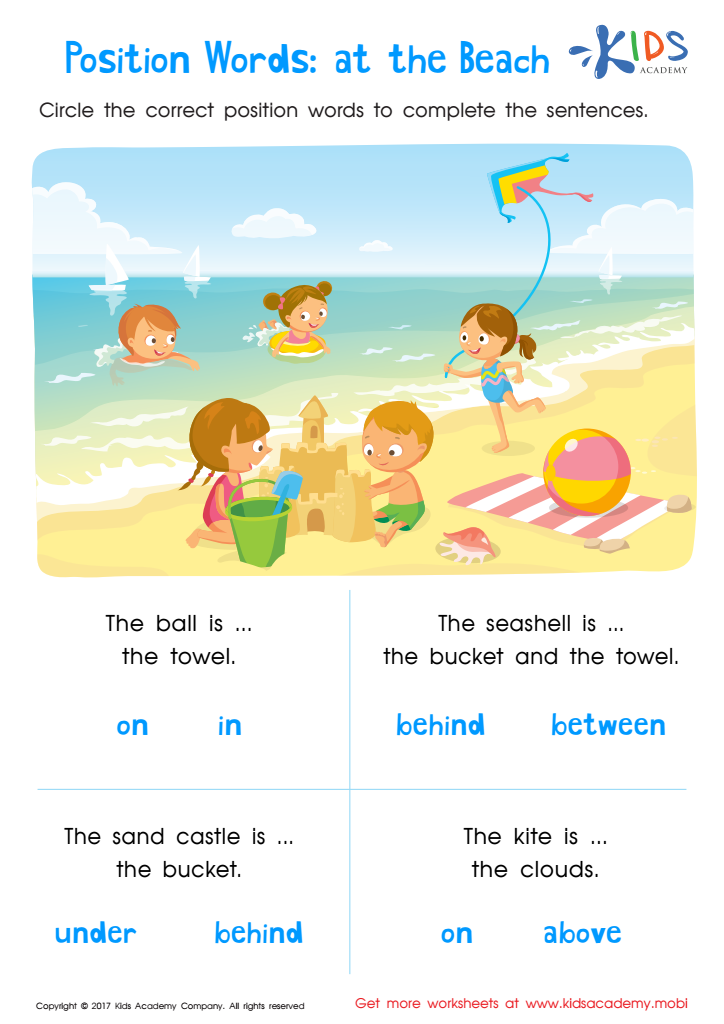
 Assign to My Students




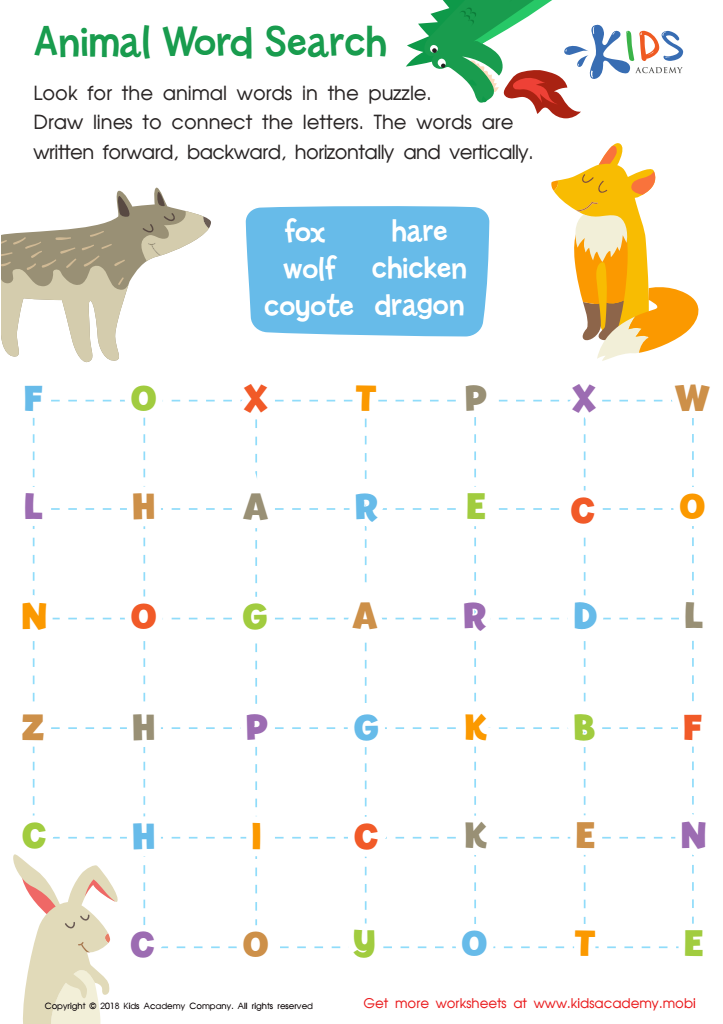
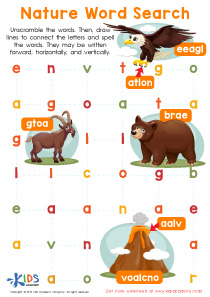
Animal Word Search Worksheet
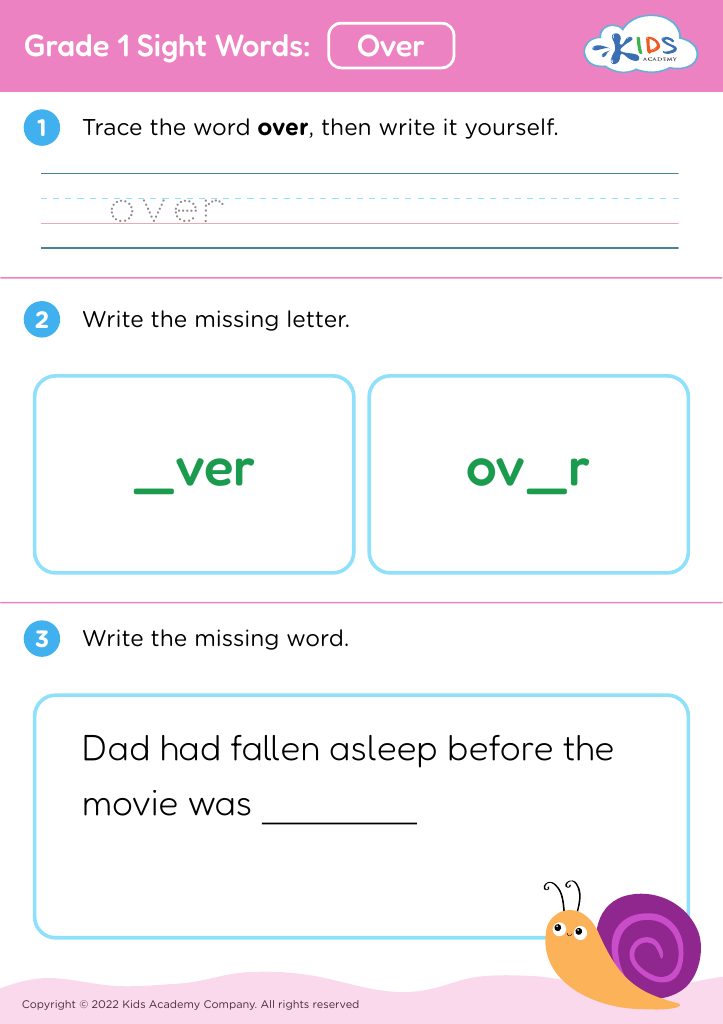








Word recognition and sight words play a vital role in the literacy development of 6-year-olds. At this age, children transition from pre-reading to more advanced reading skills, making it crucial for them to grasp high-frequency words quickly and accurately. Mastering sight words enhances their reading fluency, allowing them to focus on comprehension rather than decoding individual words.
When parents and teachers prioritize sight words, they help build a solid foundation for a child's reading skills. Recognizing these words empowers kids to read independently, boosting their confidence and enjoyment of reading. As they encounter familiar words with ease, they can tackle more complex texts, which fosters a lifelong love and appreciation for reading.
Additionally, sight words are often the building blocks of sentences, contributing to better writing skills. By ensuring children can recognize and use these words, caregivers are actively promoting efficient communication and comprehension in everyday life.
Ultimately, understanding and valuing the importance of word recognition and sight words not only supports children academically but also cultivates essential skills for effective communication—the cornerstone of their future success in both education and social interactions. Investing time in this aspect of literacy will yield lasting benefits for children's learning journeys.