
Alphabetical order understanding ABC Letters Worksheets for Ages 7-8
3 filtered results
Difficulty Level
Grade
Age
-
From - To
Subject
Activity
Standards
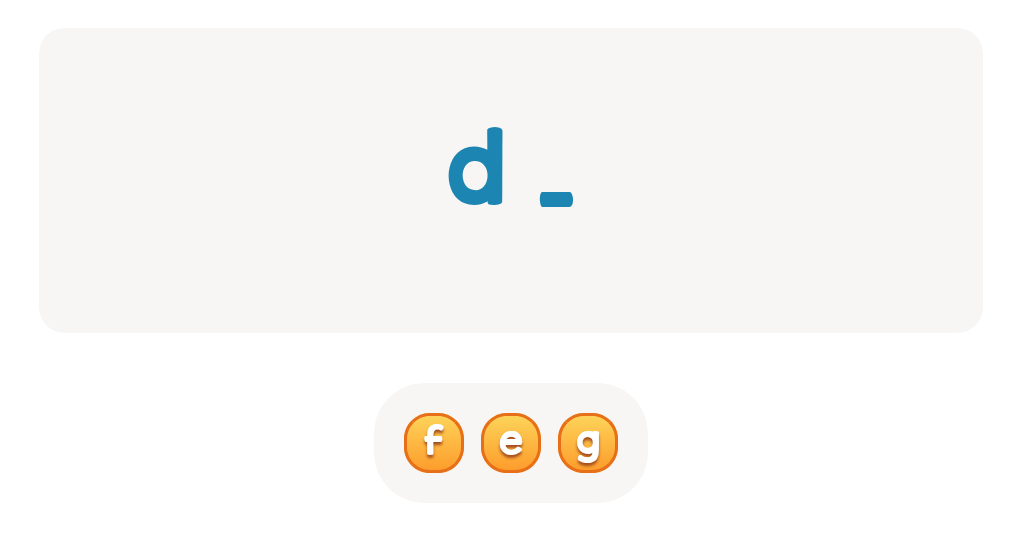
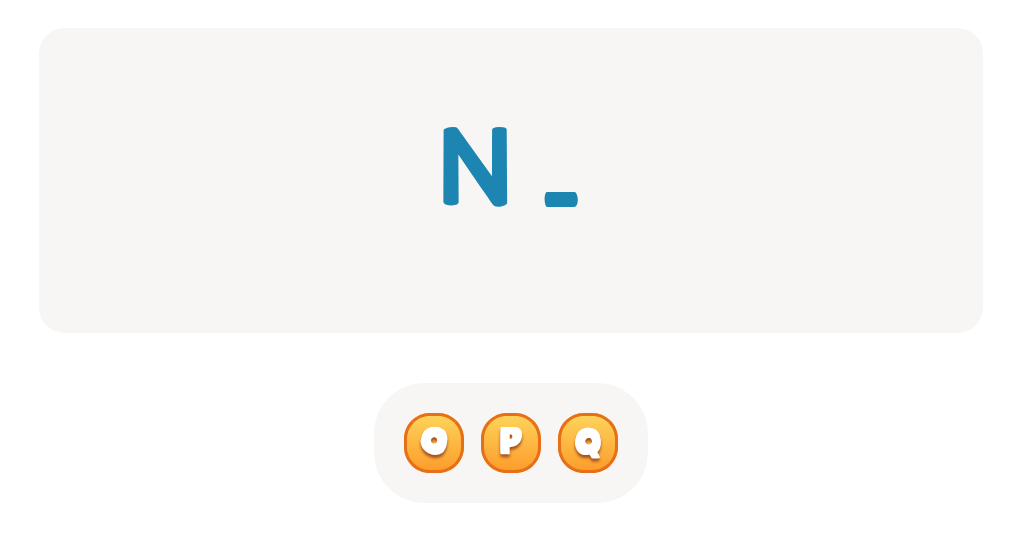
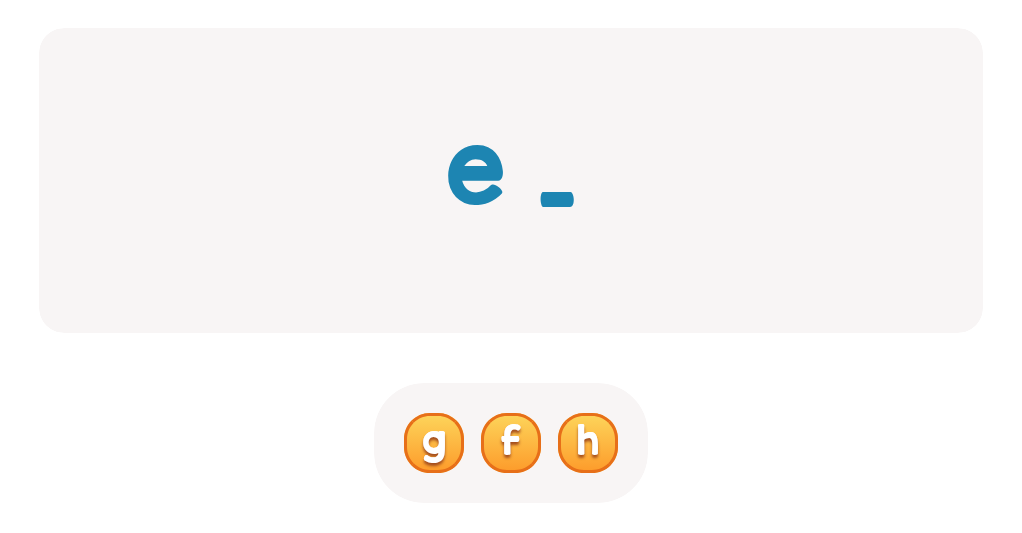
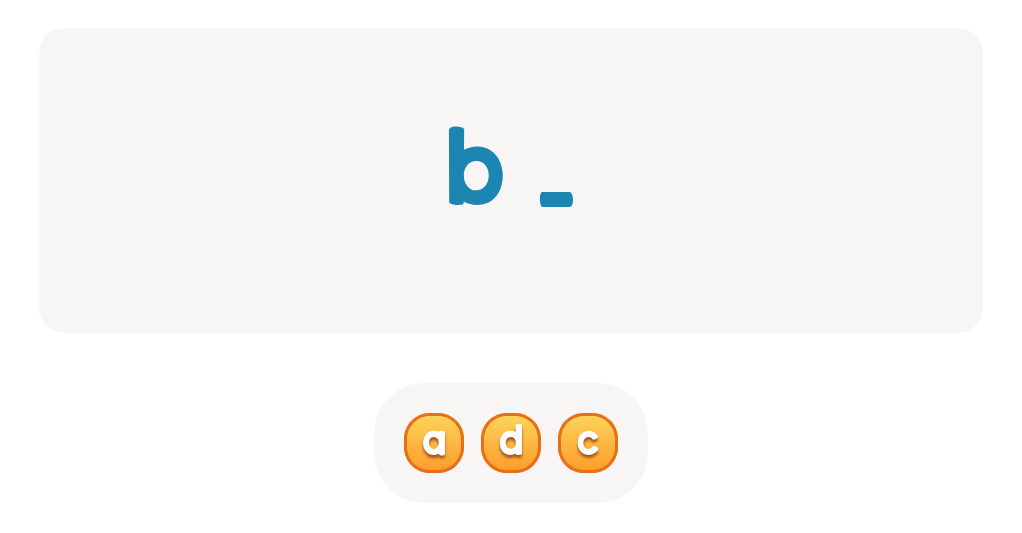
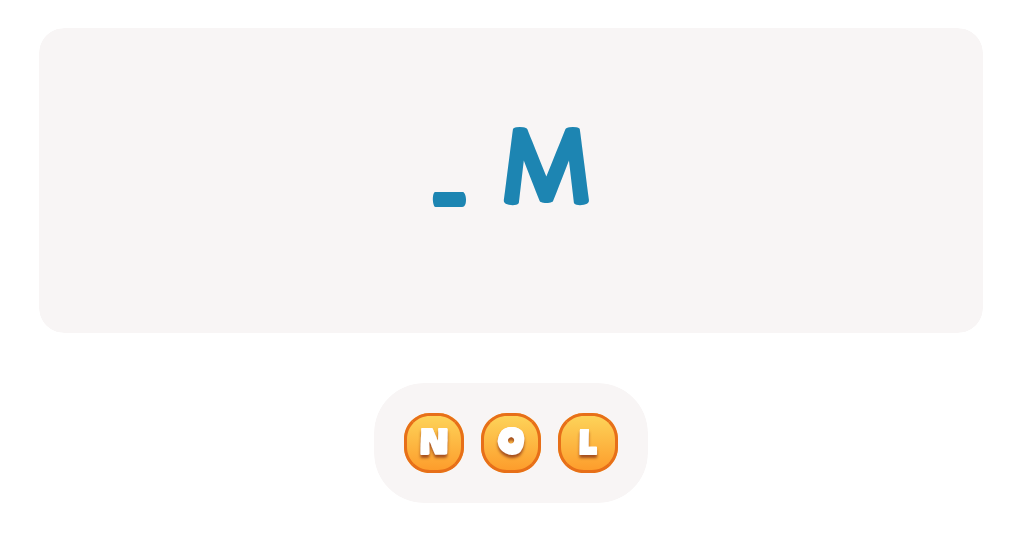
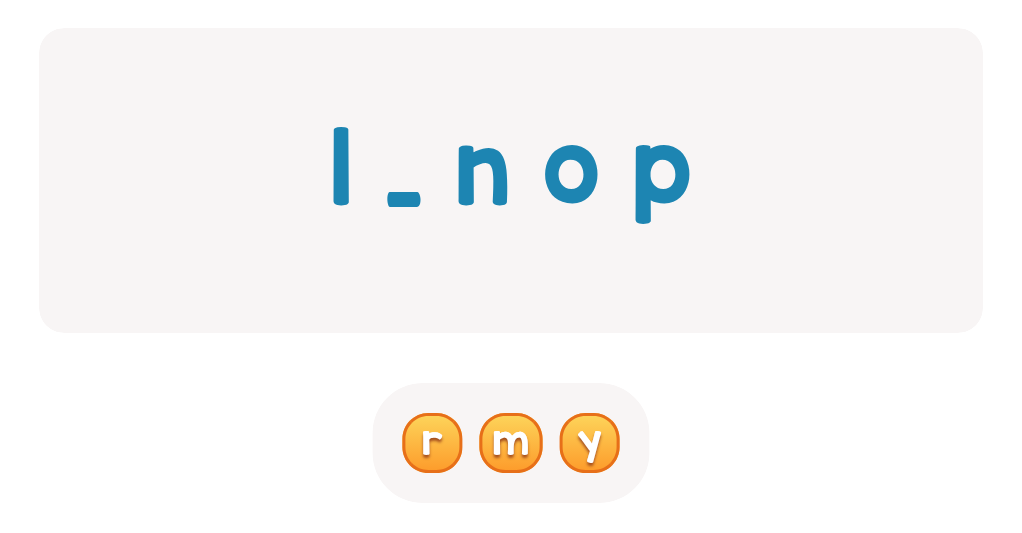
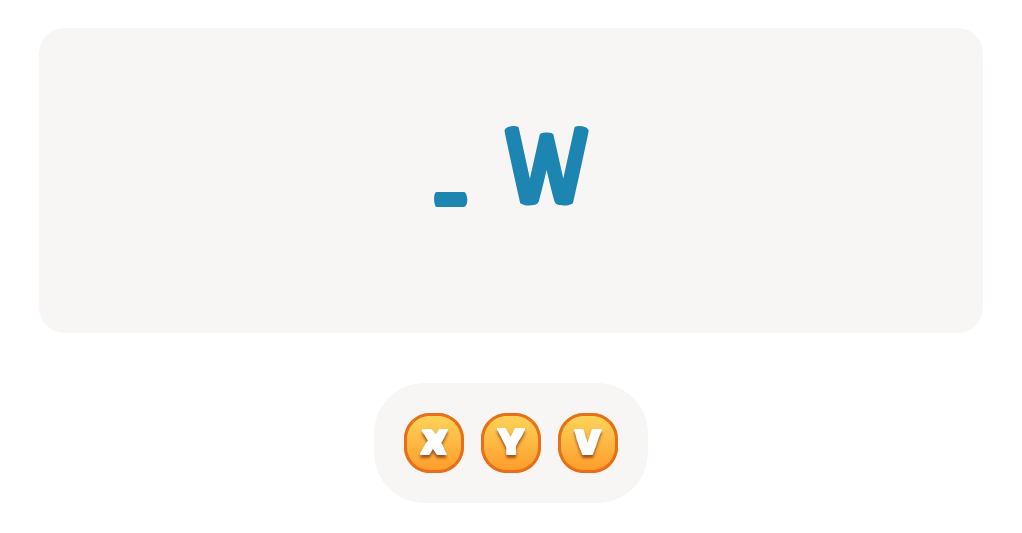
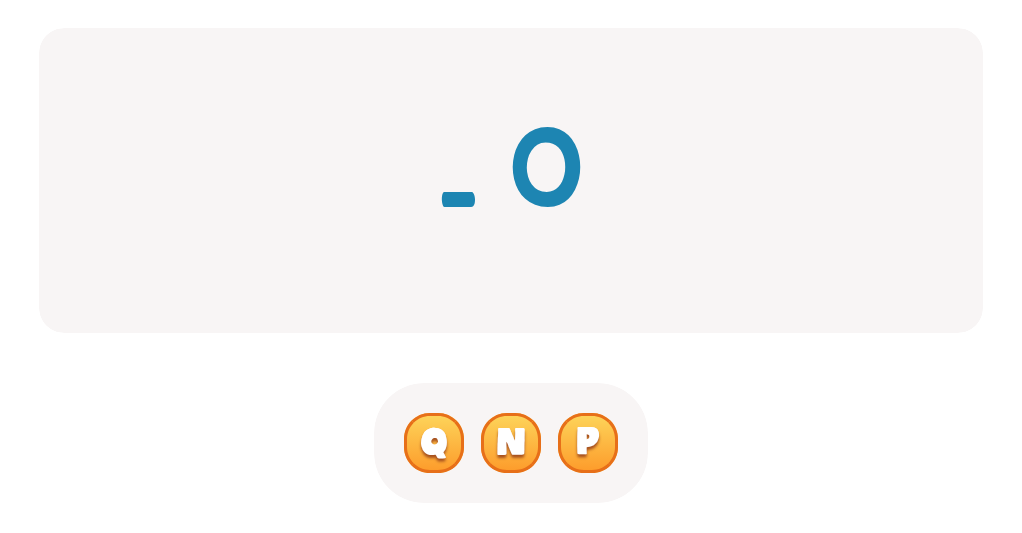
Enhance your child's understanding of alphabetical order with our engaging ABC Letters Worksheets, tailored for ages 7-8! Each worksheet provides playful and interactive exercises that help kids master the sequencing of letters from A to Z. These activities not only reinforce letter recognition but also boost essential skills like vocabulary development and cognitive thinking. Perfect for both classroom and home use, these worksheets will turn learning into an enjoyable experience, making the mastery of alphabetical order a breeze. Equip your child with the foundational skills they need for academic success through our expertly designed alphabetical order worksheets!
Favorites
With answer key
Interactive

Letter G Tracing Page
Get ready to trace the letter "G" – with a big red spot as the starting point, trace the lines and watch the letter appear. Uppercase and lowercase letters are both easy and fun to write. Give it a go and finish the word "go". Play the guitar and say "hello" to a funny ghost!
Letter G Tracing Page
Worksheet

Letter J Coloring Sheet
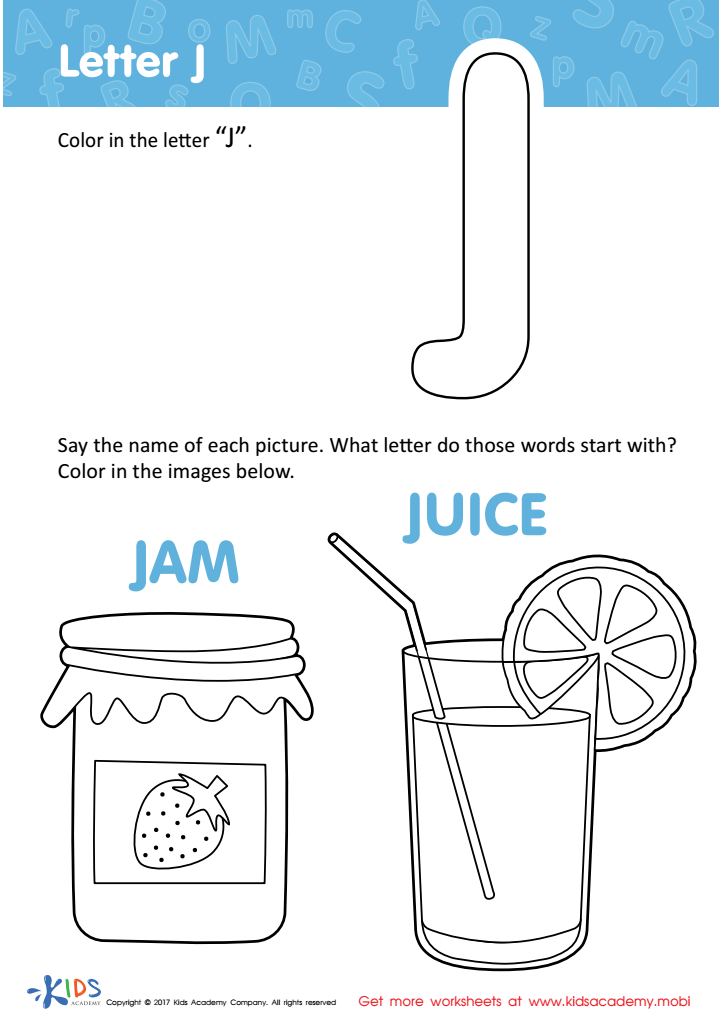
Practice the letter 'J' with your little one with this fun coloring page! Pictures of jar, juice, jam and jelly make it an enjoyable experience for kids. Learning the letter and coloring is fun for even the youngest learners.
Download (PDF)
 Assign to My Students
Assign to My Students
Letter J Coloring Sheet
Worksheet
Letter K Coloring Sheet
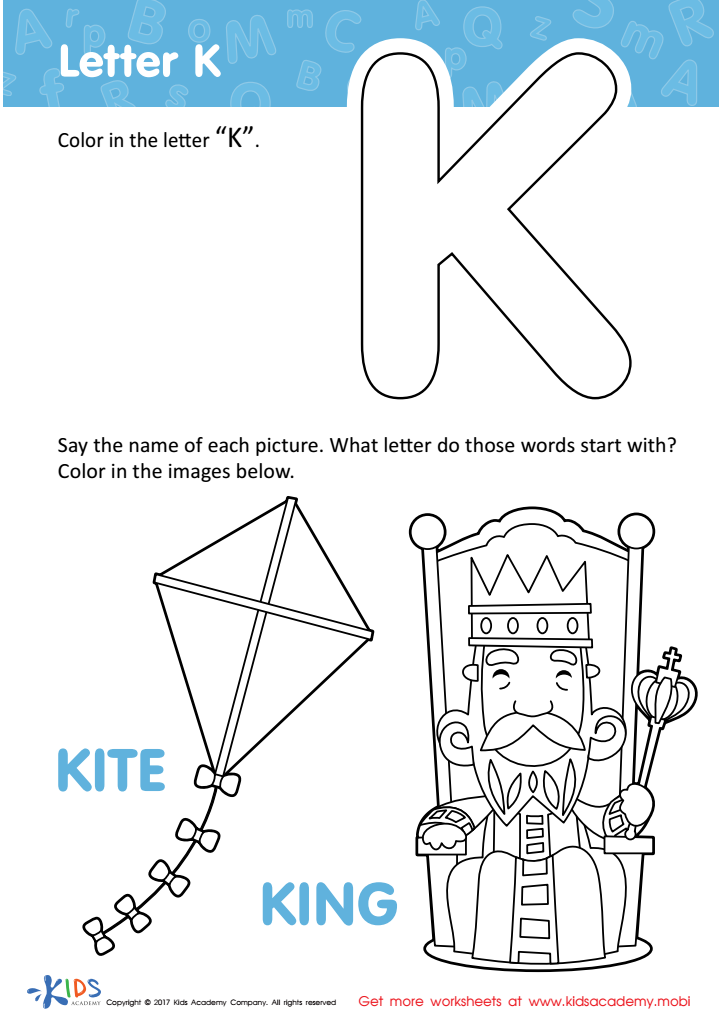
This letter K coloring page captivates your child's creativity while learning the letter! Showcasing a king and kite, common words for their age group, it's sure to spark their imagination.
Download (PDF)
Assign to My Students
Assign to My Students
Letter K Coloring Sheet
Worksheet
Join Kids Academy for Free
Who is primarily going to use this learning content?





Understanding alphabetical order is crucial for children aged 7-8 as it lays a foundational skill set for various aspects of their academic and daily life. Alphabetical order is more than just a means of organizing information; it enhances cognitive development and problem-solving abilities. For example, knowing the sequence of ABC letters aids in improving literacy, as children begin to recognize patterns in words and develop better spelling skills. This awareness also facilitates dictionary use, enabling youngsters to look up definitions, which expands their vocabulary and comprehension.
From a practical standpoint, organizing items alphabetically, such as books on a shelf or contacts in a list, cultivates organizational skills that they will utilize throughout their lives. It teaches them orderliness, sequencing, and prioritization, leading to more structured thinking.
For teachers, an emphasis on alphabetical understanding supports curriculum goals effectively. It assists in attendance tracking, file organization, and fosters a smoother classroom flow. Parents, on their end, see the benefits in everyday scenarios where their child can independently organize and retrieve information, promoting self-reliance and confidence.
In essence, grasping alphabetical order is a small step that significantly propels children's learning journeys, equipping them with skills that resonate through varied academic subjects and real-life situations.







