Problem-Solving Skills Alphabet Worksheets for Ages 7-8
5 filtered results
-
From - To
Introduce your 7-8-year-old to the world of letters and critical thinking with our Problem-Solving Skills Alphabet Worksheets. Designed to engage and challenge young minds, these printable worksheets help children master the alphabet while enhancing their problem-solving abilities. Each activity encourages kids to think critically, make connections, and develop a deeper understanding of letter shapes and sounds. Our fun, educational worksheets are perfect for both classroom and at-home learning, offering an exciting blend of literacy and logical reasoning exercises. Give your child a head start in reading and problem-solving today with these expertly crafted resources!
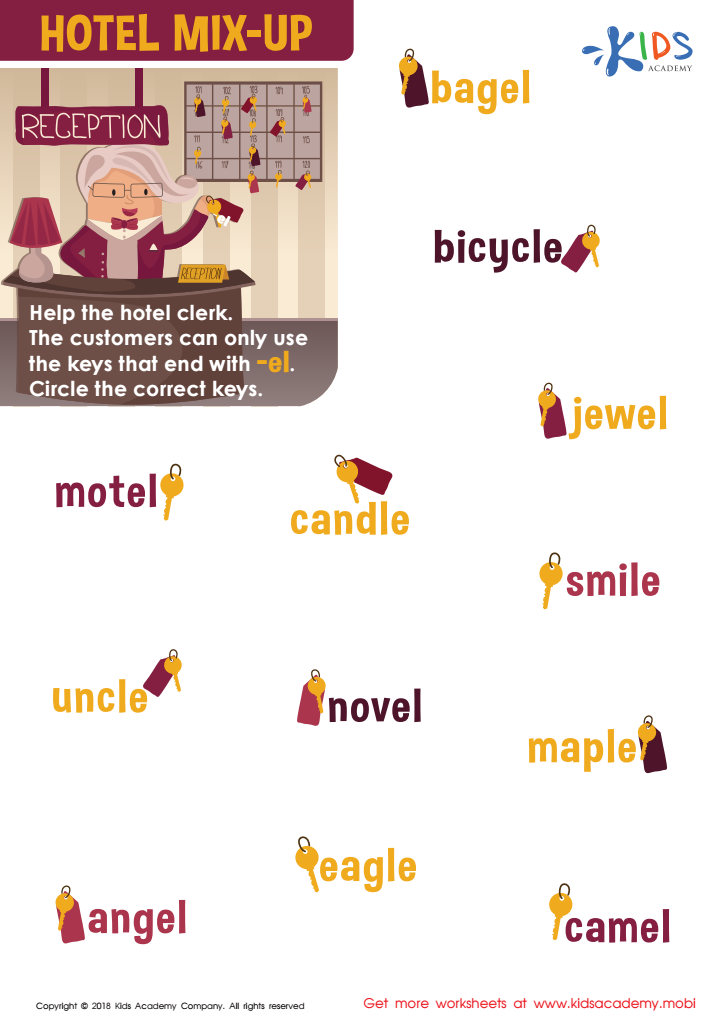
Hotel Mix-up Worksheet
 Assign to My Students
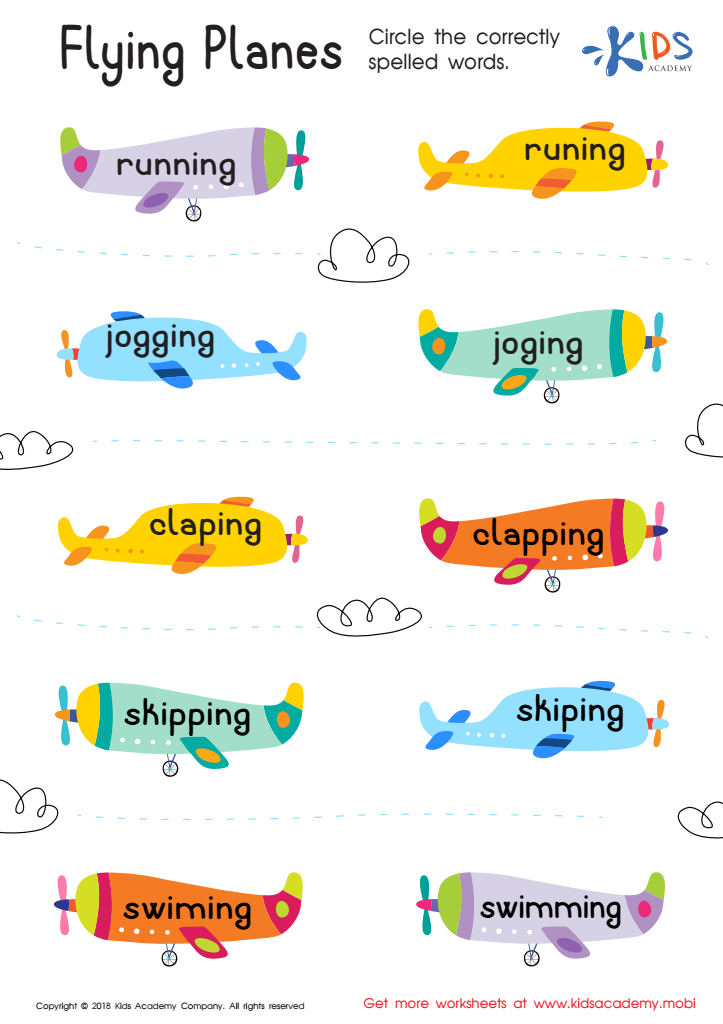
Flying Planes Worksheet
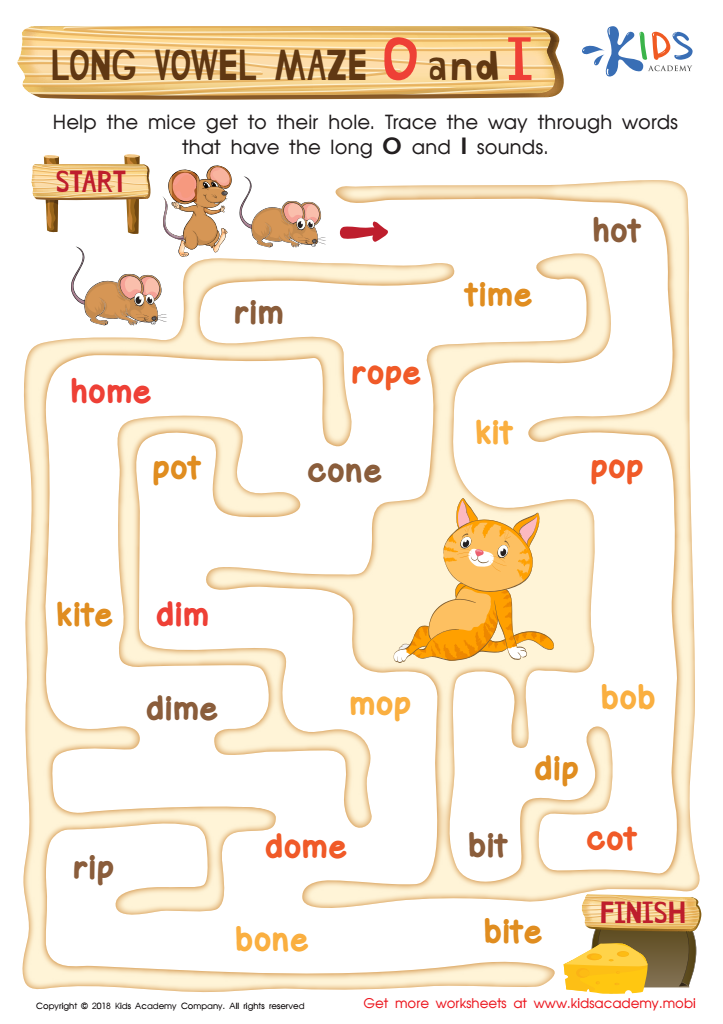
Long Vowel Maze /o/ and /i/ Worksheet
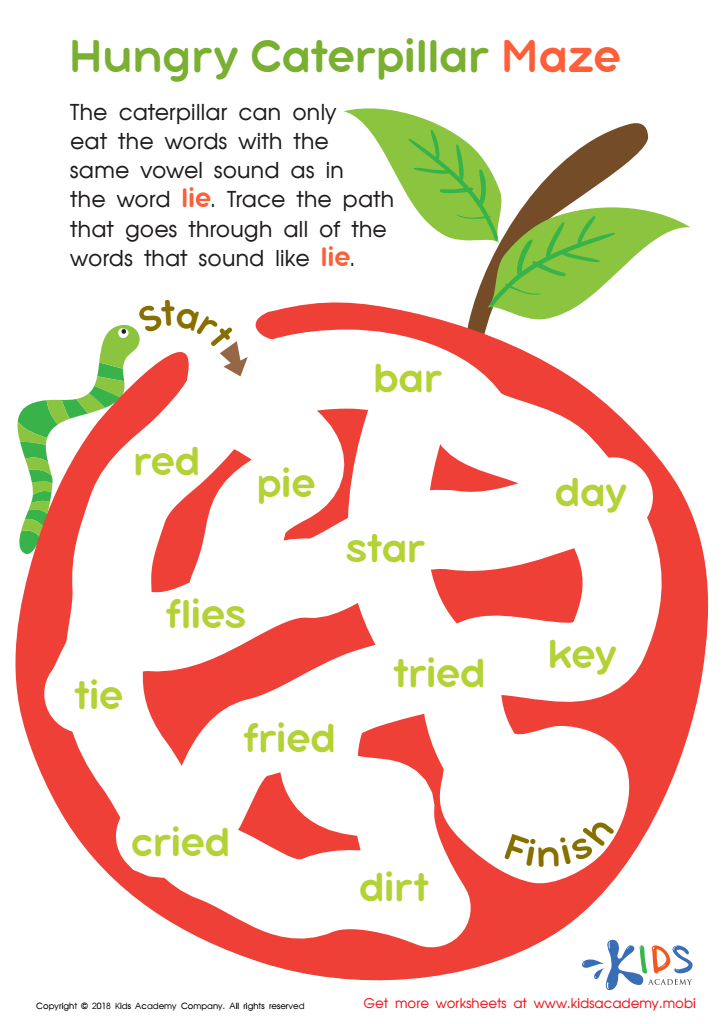
Hungry Caterpillar Maze Worksheet
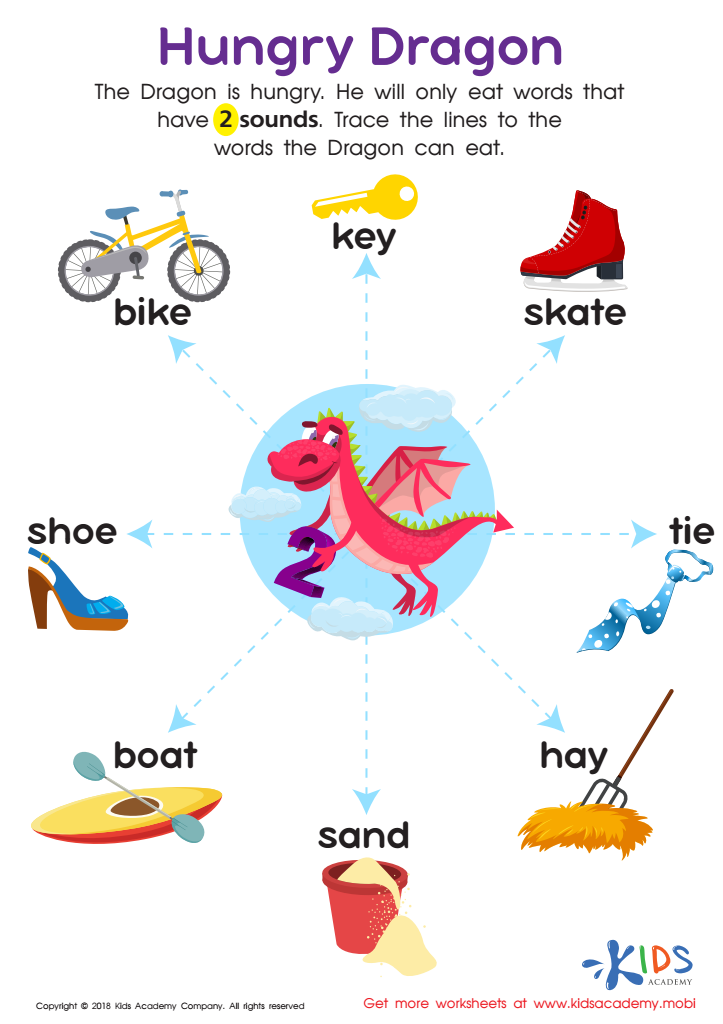
Hungry Dragon Worksheet








Promoting problem-solving skills in children aged 7-8, often referred to as the “Problem-Solving Skills Alphabet," is critically important for several reasons. At this age, kids are expanding their cognitive abilities, making it an optimal time to cultivate problem-solving techniques that will serve them throughout their lives.
Firstly, possessing strong problem-solving skills helps children approach challenges with confidence. Whether they face puzzles in the classroom or social issues on the playground, knowing how to methodically find solutions fosters resilience and independence. This reduces reliance on adults to resolve issues, promoting self-sufficiency.
Secondly, problem-solving skills bolster academic success. Subjects like math and science inherently involve problem-solving, but it also enhances reading comprehension and writing, as it requires students to think critically and make connections. Therefore, integrating problem-solving techniques in learning can improve overall academic performance.
Additionally, developing these skills early spurs creativity and logical thinking. Engaging with the Problem-Solving Skills Alphabet teaches kids to break down problems into manageable steps, encourages them to think outside the box, and enhances their ability to reason systematically.
Lastly, mastering problem-solving at a young age helps with emotional regulation. Children learn to stay calm under pressure and view setbacks as opportunities for growth, valuable traits that contribute to their long-term emotional well-being and adaptability.







