Spelling improvement Alphabet Worksheets for Ages 7-8
6 filtered results
-
From - To
Perfect for young learners, our Spelling Improvement Alphabet Worksheets for Ages 7-8 are designed to make learning both fun and effective. These high-quality, printable worksheets help children enhance their spelling skills through engaging activities. Each worksheet focuses on different letters of the alphabet, providing hands-on practice with words and spelling patterns. Tailored to suit the developmental needs of 7-8-year-olds, our materials help improve vocabulary, phonemic awareness, and writing proficiency. Boost your child's confidence and spelling abilities while keeping them entertained with our meticulously crafted worksheets from Kids Academy.
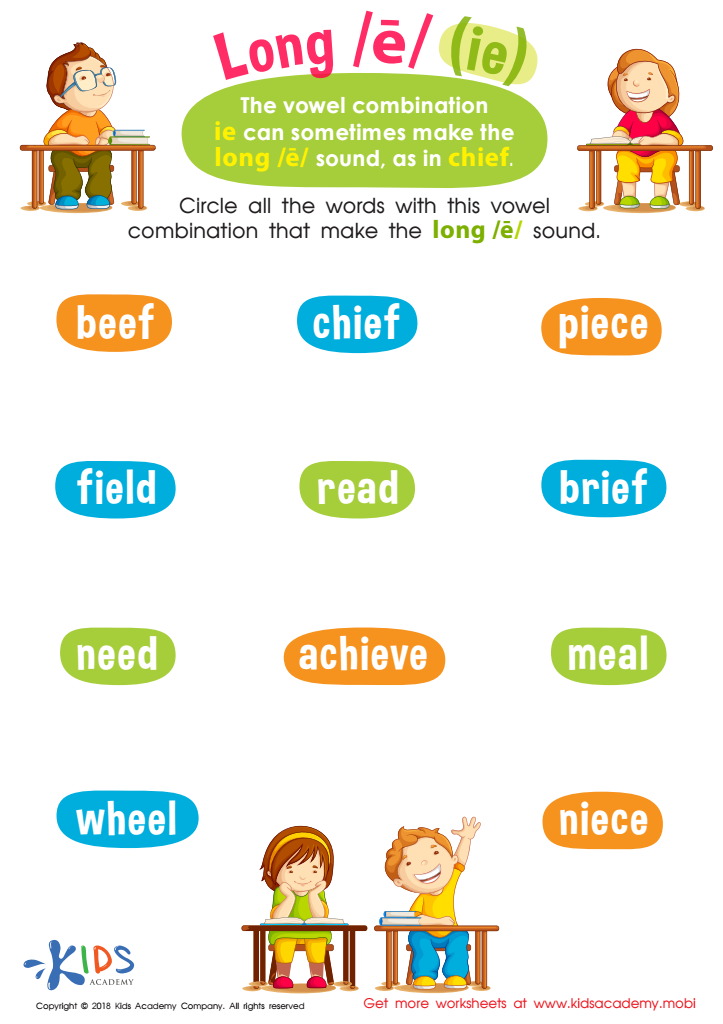
Reading: Long E and IE Worksheet
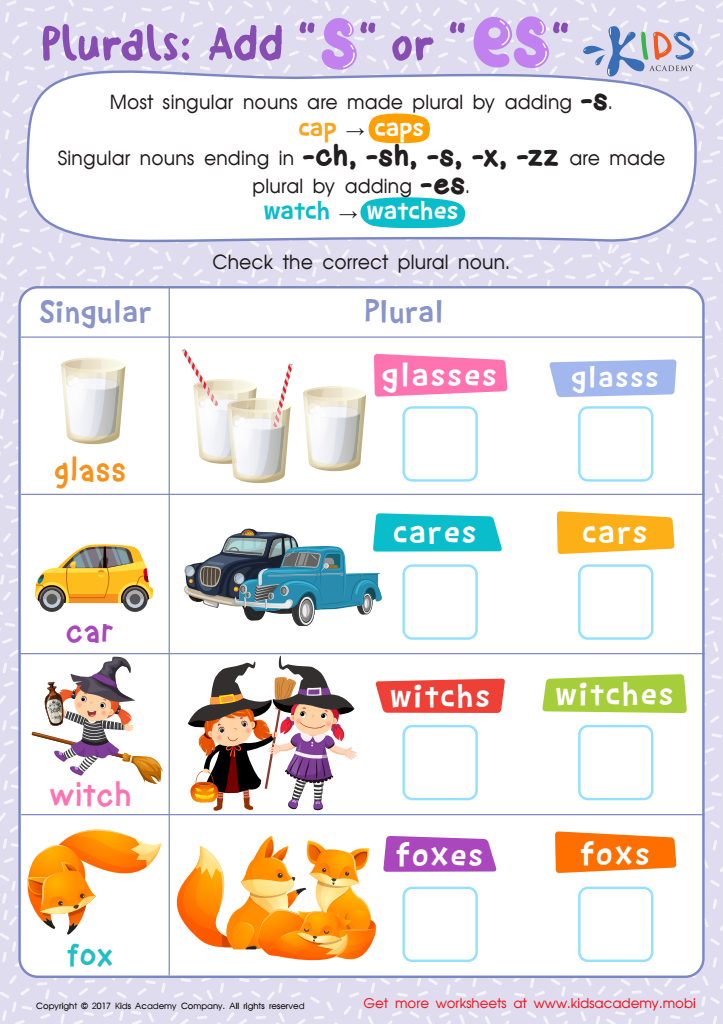
Plurals: "–es" or "–es"? Worksheet
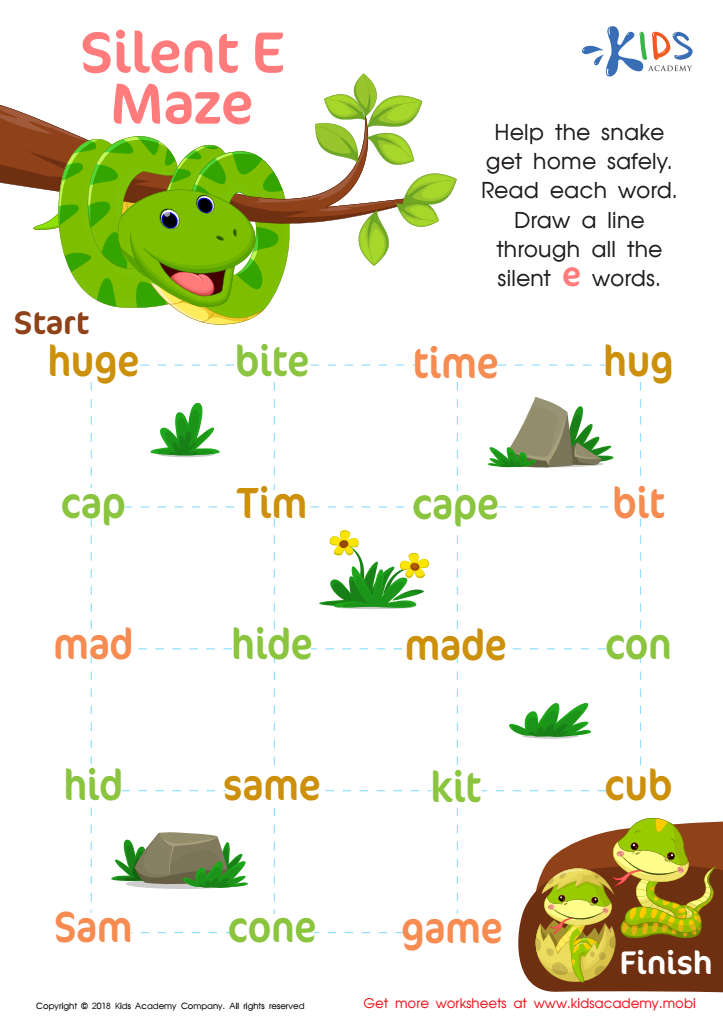
Silent E Maze Worksheet
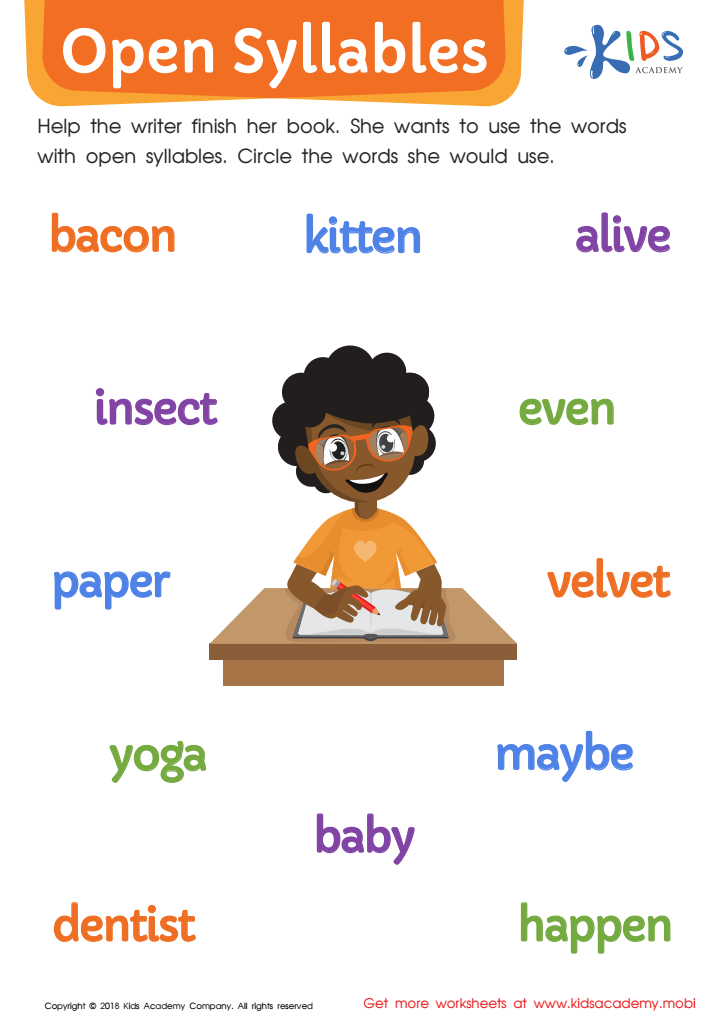
Open Syllables Worksheet
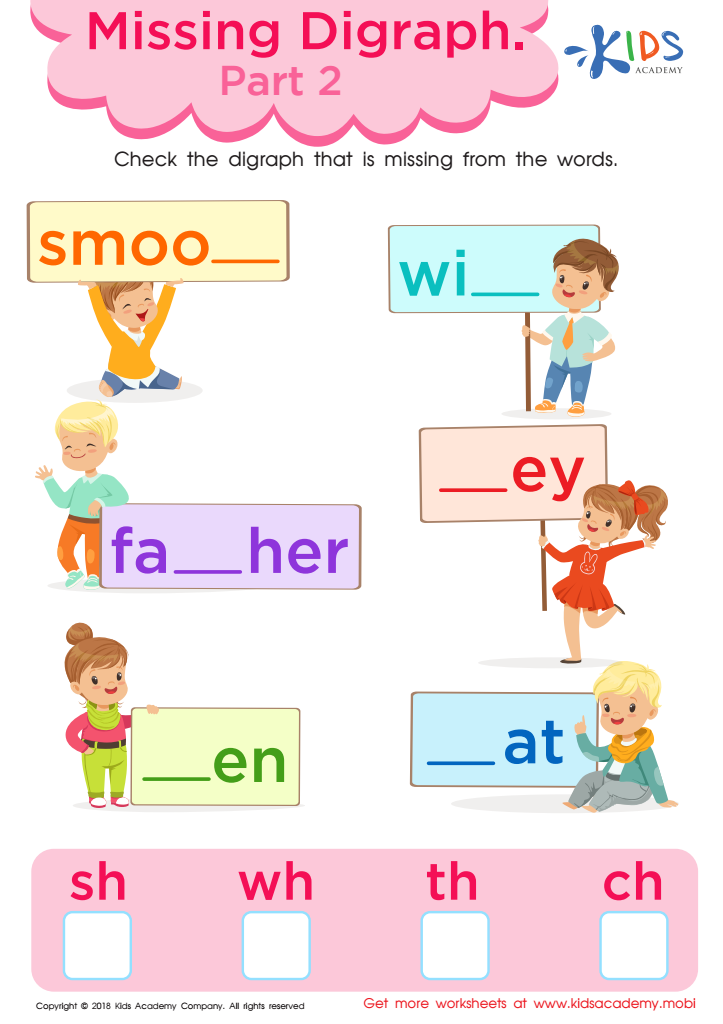
Missing Digraph: Part 2 Worksheet
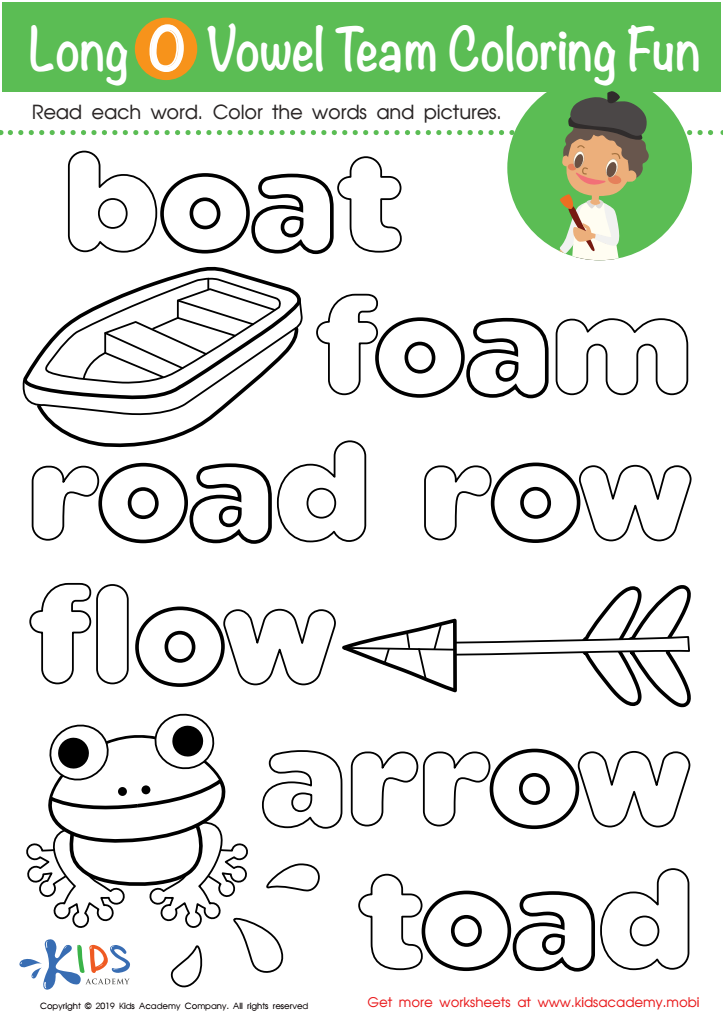
Long O Vowel Team Coloring Worksheet
 Assign to My Students





Parents and teachers should prioritize spelling improvement for children aged 7-8 because it forms critical foundational skills that influence overall literacy. At this developmental stage, children are beginning to grasp the rules and patterns that construct the English language. Strong spelling skills enhance their reading fluency and comprehension, allowing them to decode new words more confidently and quickly. Precision in spelling also spills over to their writing abilities, enabling clearer and more effective written communication.
Furthermore, spelling improvement fosters a greater understanding of phonetics and vocabulary. This expanded vocabulary enhances their ability to articulate thoughts and emotions both verbally and in writing. Spelling practice also cultivates attention to detail and memory skills, encouraging children to recognize and remember word patterns.
For parents and teachers, then, investing time in spelling not only aids in academic performance but also contributes to critical cognitive development. Enhanced spelling ability reassures children of their capabilities, boosting their self-esteem and fostering a positive attitude toward learning. Through engaging activities, supportive feedback, and consistent practice, such prioritization helps transform young learners into strong, confident communicators equipped for future educational success.







