Fine Motor Skills Phonics Worksheets for Ages 7-8
6 filtered results
-
From - To
Discover our engaging Fine Motor Skills Phonics Worksheets designed specifically for children ages 7-8. These educational resources blend essential phonics principles with activities fostering fine motor development. Kids will enjoy tracing, writing, and cutting exercises that enhance their ability to recognize letters, understand sounds, and improve handwriting skills. With vibrant visuals and interactive tasks, our worksheets provide a fun learning experience, developing both literacy and fine motor proficiency. Perfect for classroom use or at-home practice, these worksheets ensure children build crucial academic foundations while having a great time. Boost your child’s phonics skills and motor abilities today!
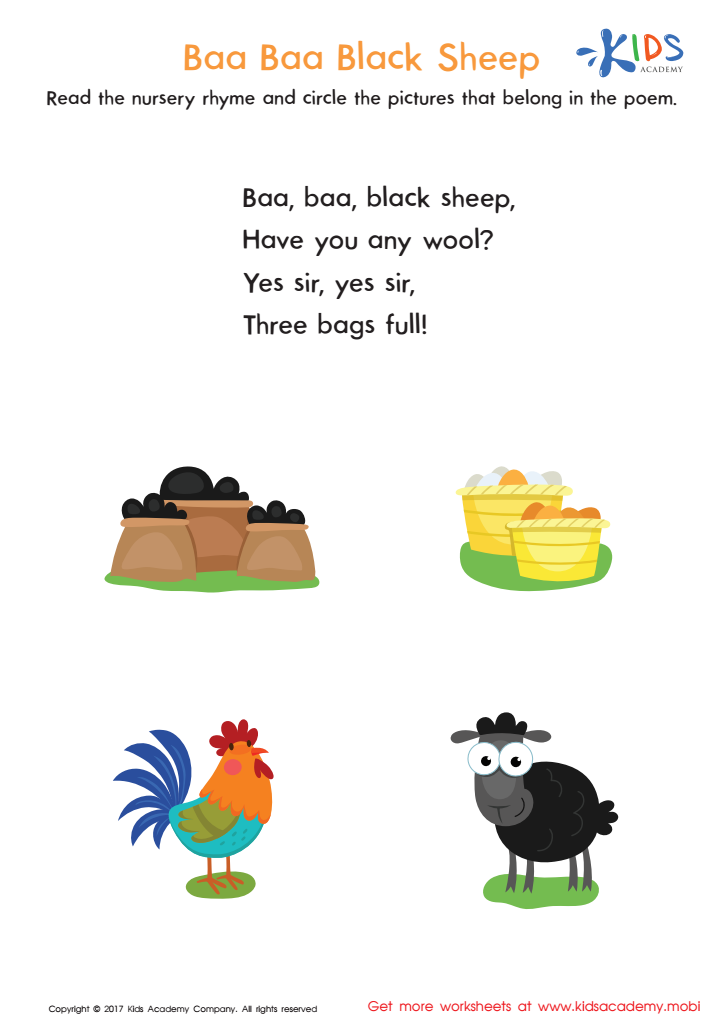
Baa Baa Black Sheep Printable
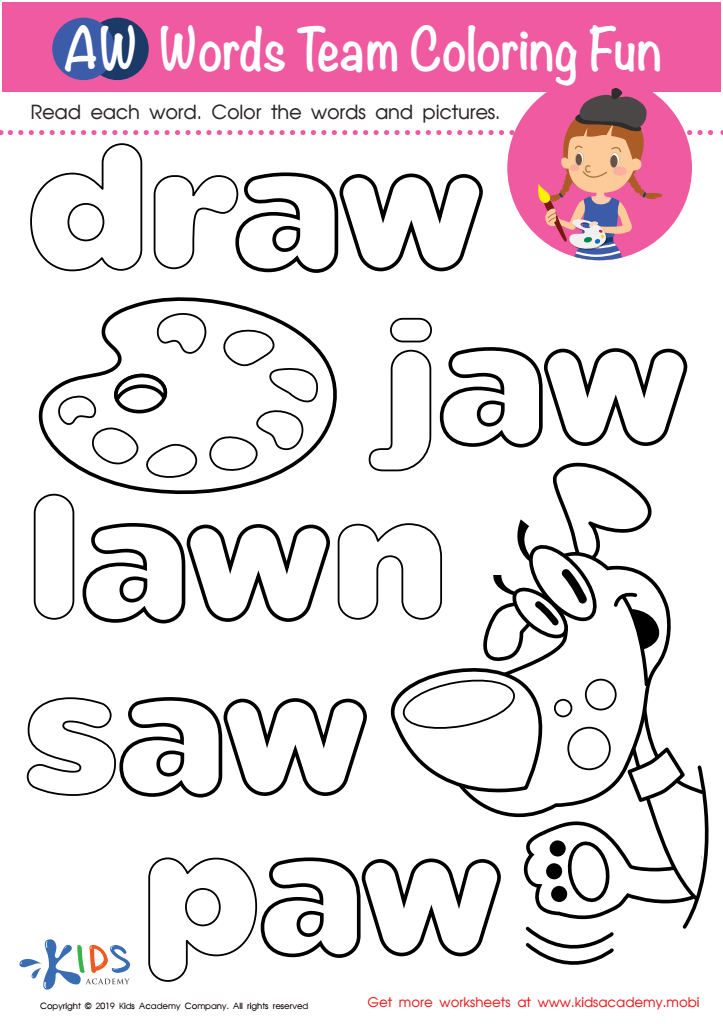
AW Words Team Coloring Fun Worksheet
 Assign to My Students
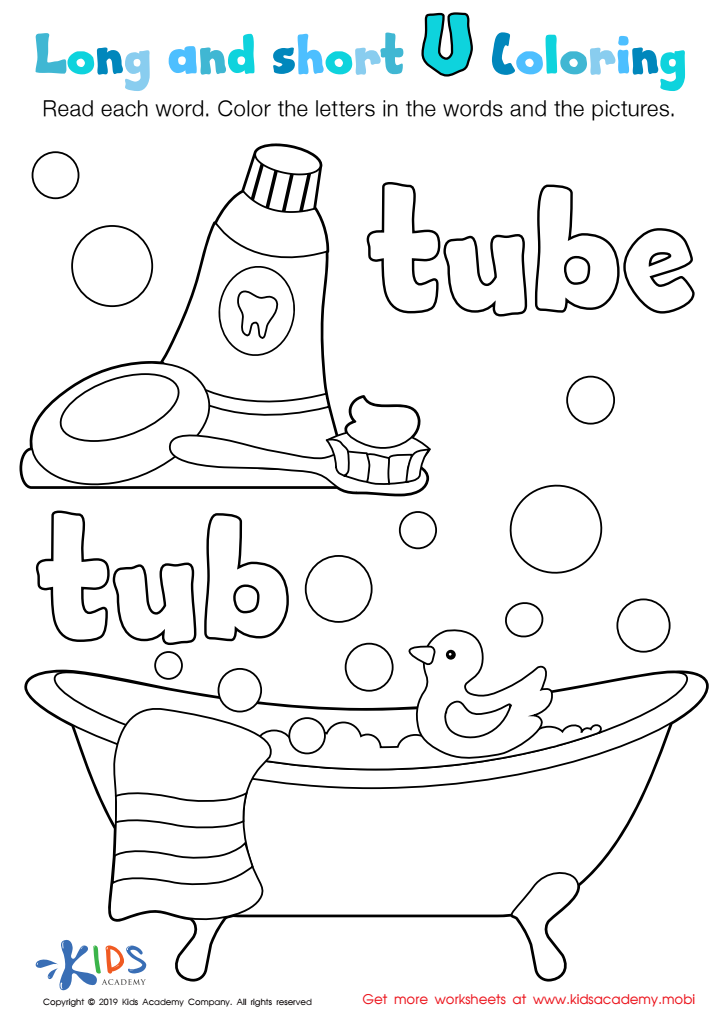
Long and Short U Worksheet
Assign to My Students
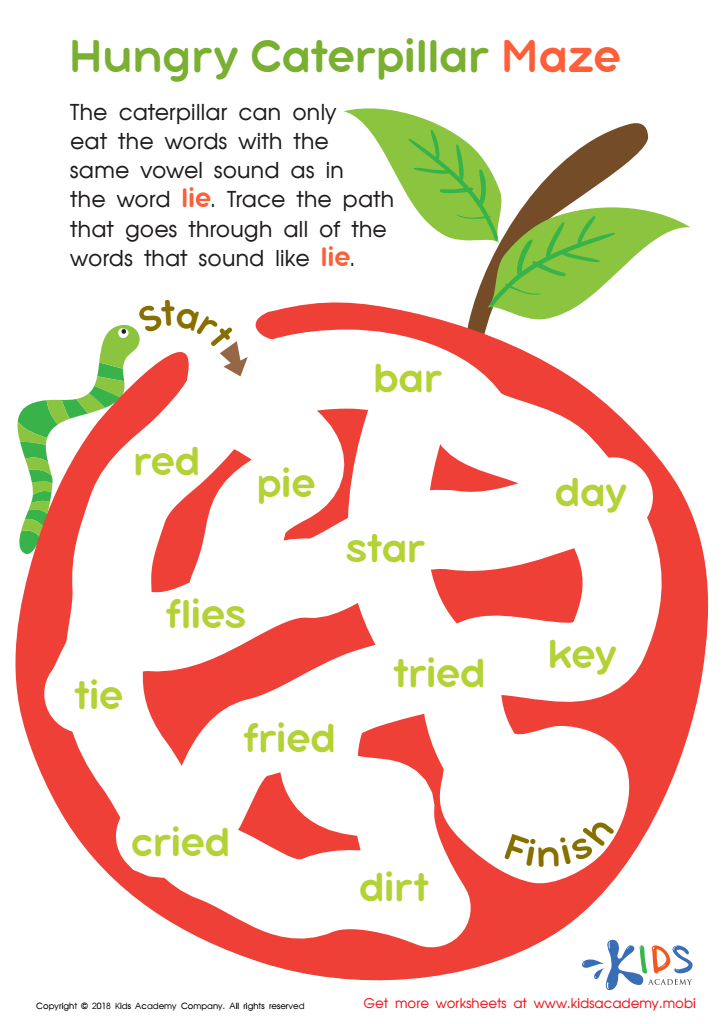
Hungry Caterpillar Maze Worksheet
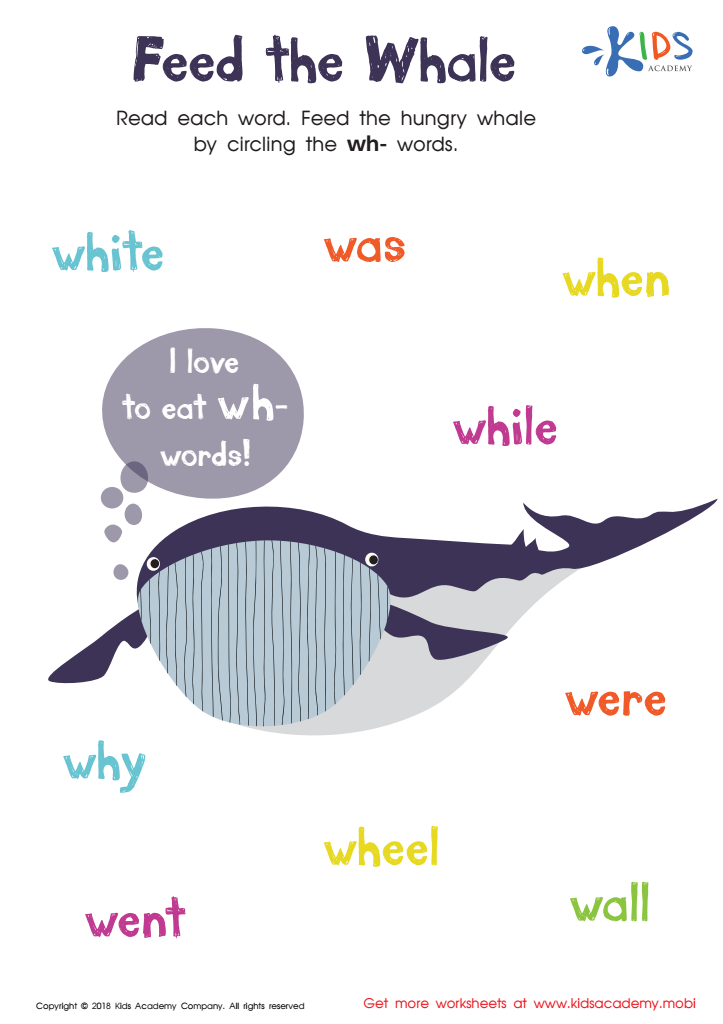
Feed the Whale Worksheet
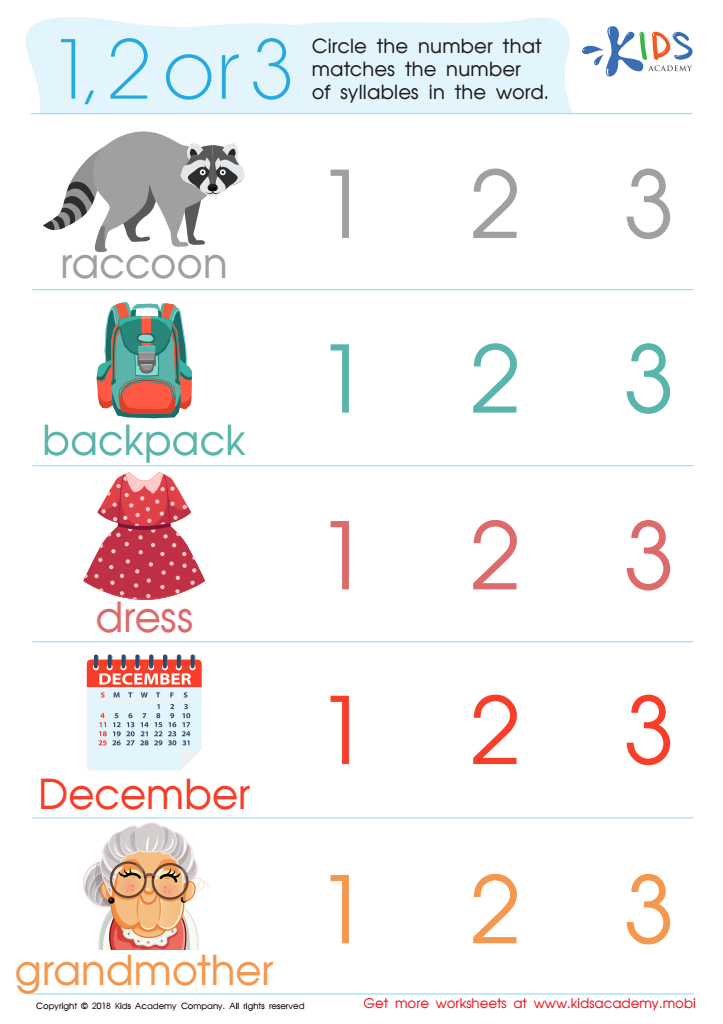
1, 2 or 3? Worksheet








Fine motor skills and phonics are foundational for children aged 7-8, significantly impacting their academic and personal development. Parents and teachers should care about these areas for several reasons. Fine motor skills enable children to perform tasks that require precision, such as writing, cutting, and manipulating small objects. These skills are critical for academic tasks and everyday activities, fostering independence and confidence.
Strong fine motor skills also support the development of hand-eye coordination and dexterity, which are necessary for more complex tasks later in life. For example, poor fine motor skills can lead to difficulties in writing legibly and efficiently, which in turn can affect overall academic achievement and self-esteem.
Phonics is equally crucial as it serves as the building block for reading and writing. Phonics instruction helps children understand the relationship between letters and their corresponding sounds, facilitating their ability to decode new words, comprehend reading material, and spell accurately. Mastery of phonics boosts reading fluency and comprehension, essential skills for academic success across all subjects.
Together, fine motor skills and phonics play a critical role in a child's growth. Encouraging and supporting the development of these skills prepares children for more advanced academic challenges, enhances their learning experiences, and builds a strong foundation for lifelong skills.







