Phonics skills improvement Phonics Worksheets for Ages 7-8
6 filtered results
-
From - To
Boost your child's reading confidence with our Phonics Skills Improvement Worksheets designed for ages 7-8. Our expert-crafted activities focus on enhancing phonetic awareness, decoding abilities, and pronunciation skills. Kids will engage in fun and interactive exercises that promote better understanding of letter sounds, word patterns, and syllable structures. This foundational practice not only improves reading fluency but also enriches vocabulary. Ideal for both classroom use and at-home learning, our worksheets provide a structured and enjoyable path to phonics proficiency. Join us in fostering a love for reading and lifelong learning in your child today!
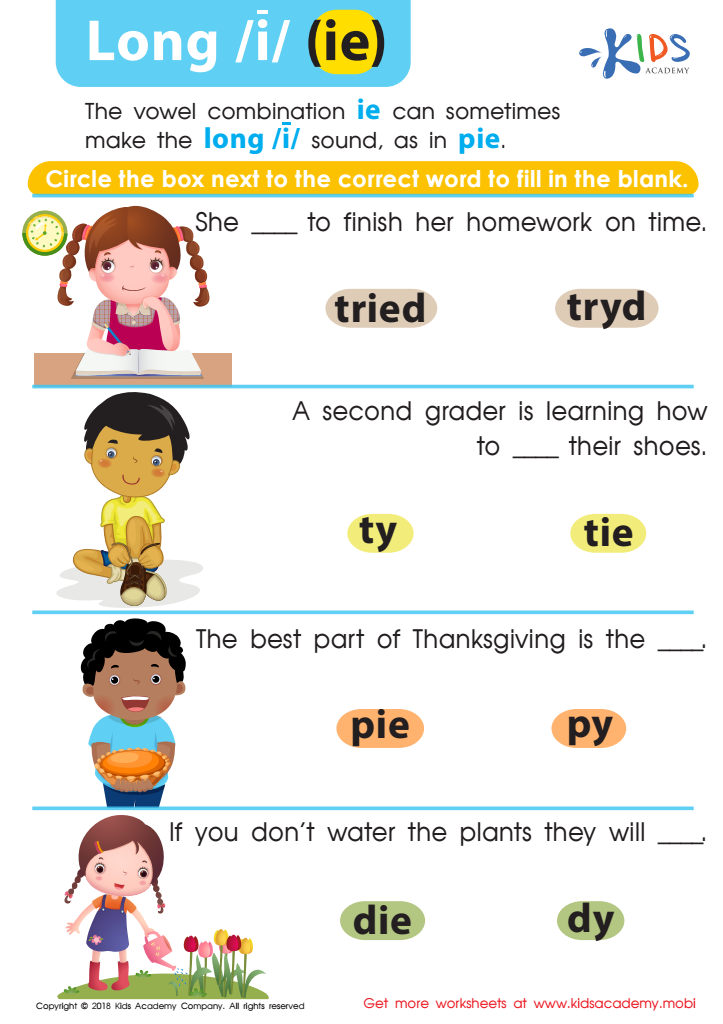
Reading: Long I and IE Worksheet
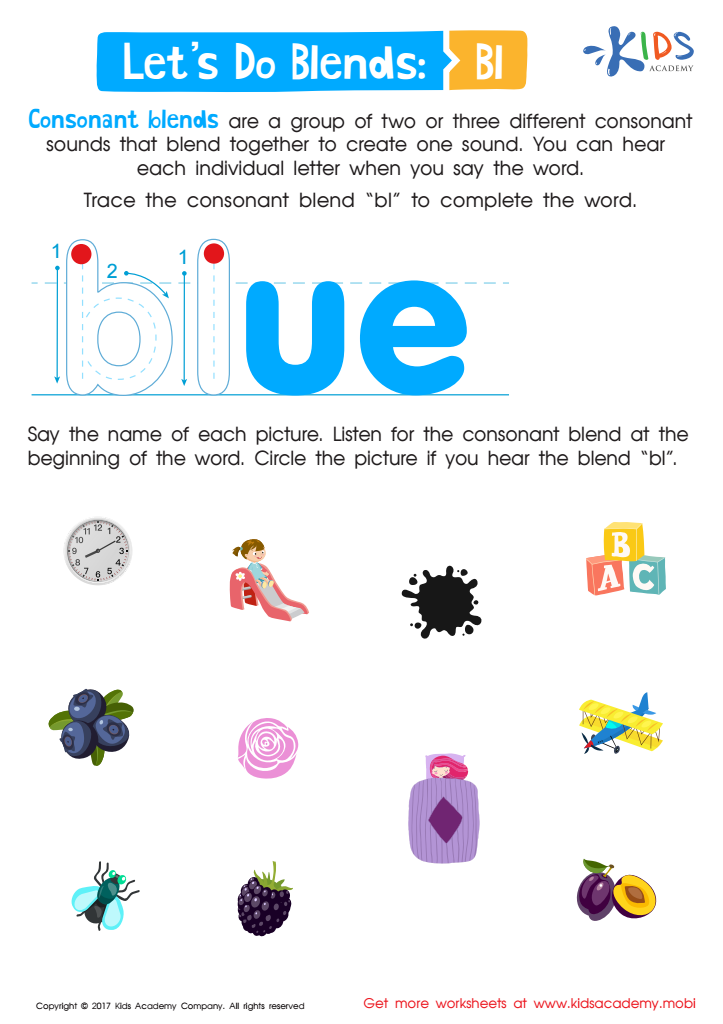
Beginning Blends: "Bl" Words Worksheet
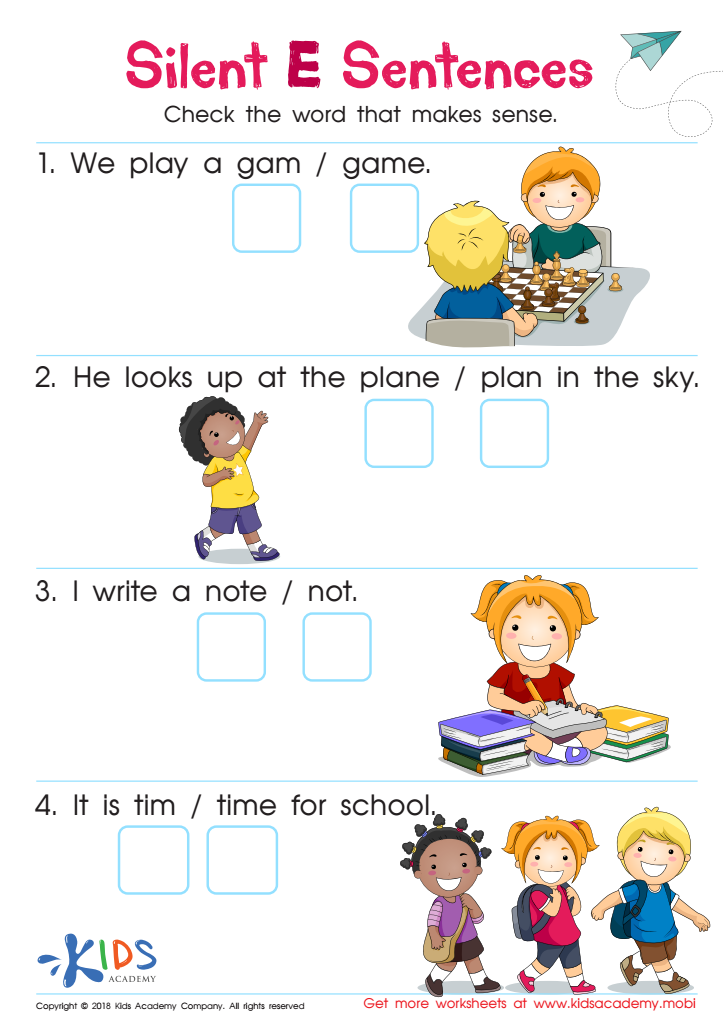
Silent E Sentences Worksheet

Long and Short U Worksheet
 Assign to My Students
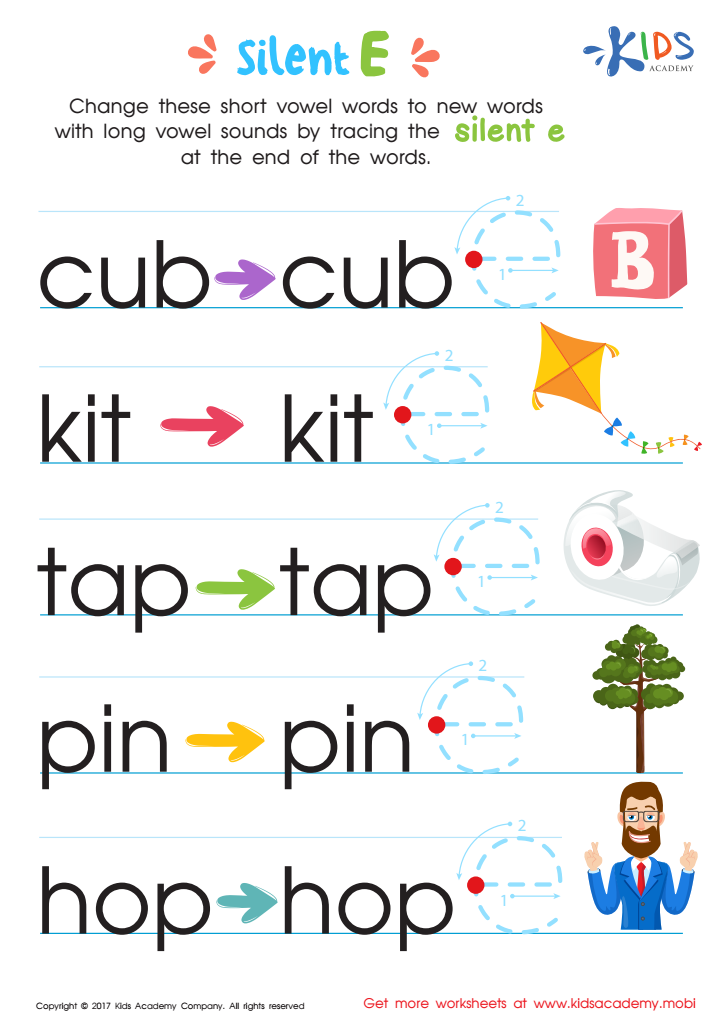
Silent E Words Worksheet
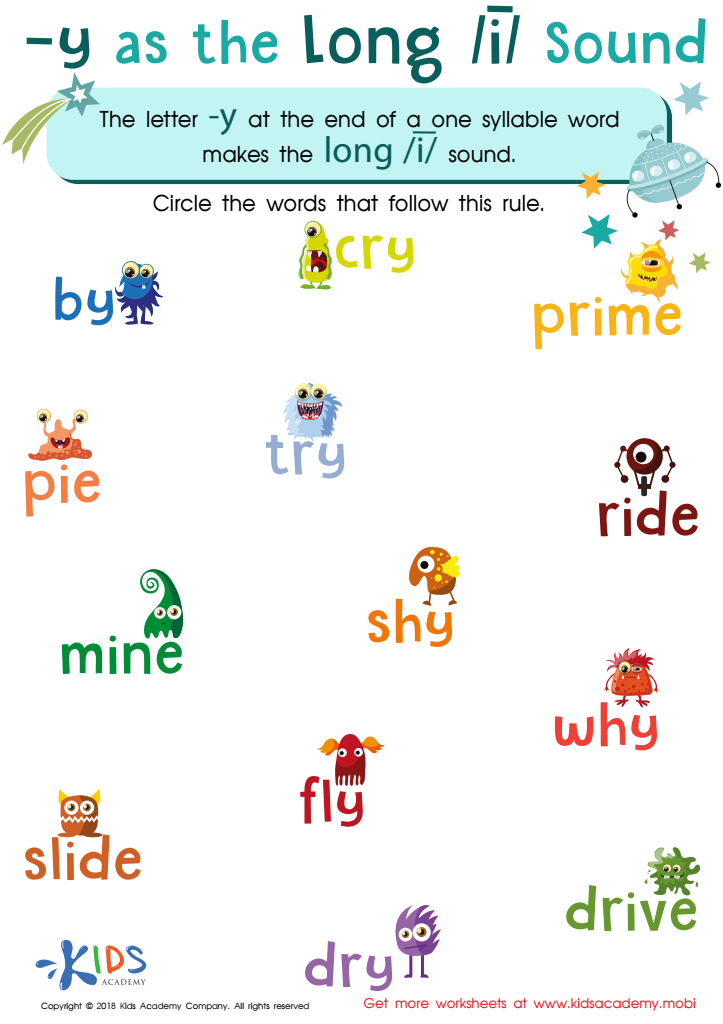
Reading: Y as Long I Worksheet








Phonics skills form a foundational aspect of literacy development, making their improvement crucial for children aged 7-8. At this stage, children transition from learning to read to reading to learn, and phonics plays a significant role in this process.
Phonics, the relationship between letters and their corresponding sounds, allows children to decode unfamiliar words, thus enhancing their reading fluency and comprehension. When children master phonics, they can effortlessly blend sounds, leading to more accurate and rapid reading. This not only bolsters their confidence but also fuels a love for reading, which is critical for lifelong learning.
Moreover, strong phonics skills contribute to improved spelling, as children who understand how sounds map onto letters can spell words more accurately. This skill is essential not only for their current academic success but also for future written communication.
Improving phonics skills at ages 7-8 helps bridge any existing gaps, ensuring that all students are on par with their reading abilities. Delays in phonics understanding can lead to struggles in all subject areas since reading is integral to accessing education across the curriculum.
For parents and teachers, prioritizing phonics enhancement means ensuring a smoother educational journey, reducing the risk of reading difficulties and associated frustrations, and fostering a more engaged and capable young reader.







