Problem-Solving Skills Phonics Worksheets for Ages 7-8
5 filtered results
-
From - To
Empower your child’s reading journey with our engaging Problem-Solving Skills Phonics Worksheets for ages 7-8. Designed to enhance both phonics proficiency and critical thinking, these worksheets offer a variety of activities that seamlessly blend fun with learning. Perfect for second and third graders, each worksheet focuses on different phonetic patterns while encouraging young learners to solve puzzles and riddles, fostering analytical skills and boosting confidence. Tailored to meet educational standards, our phonics problem-solving worksheets are perfect for classroom use or at-home practice, supporting your child in developing essential literacy skills in an enjoyable, interactive way.
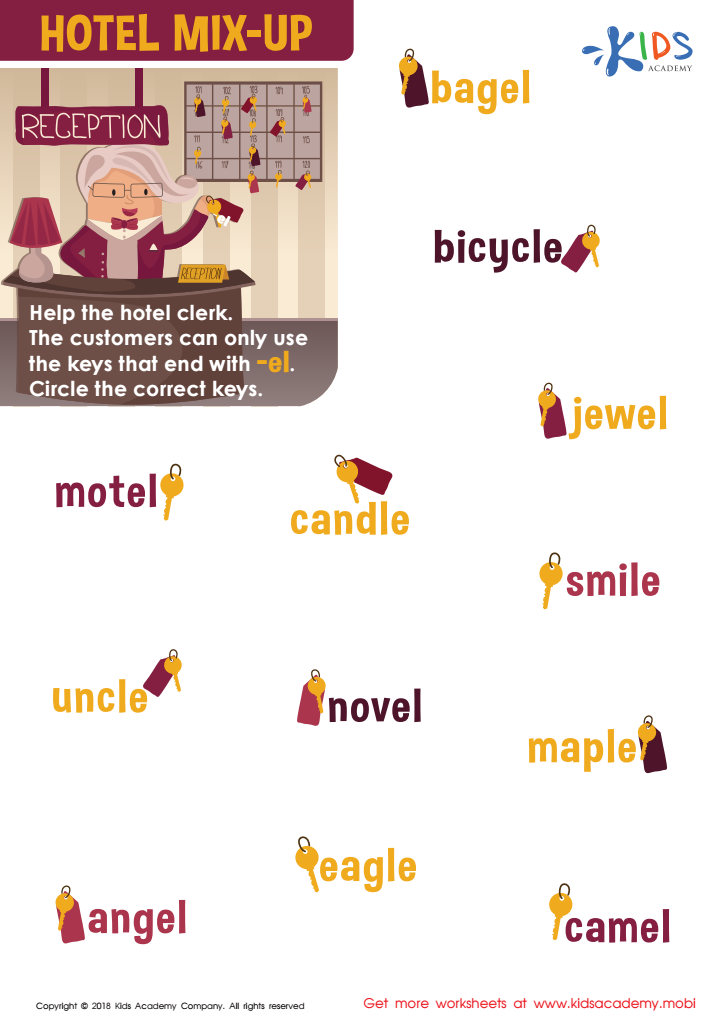
Hotel Mix-up Worksheet
 Assign to My Students
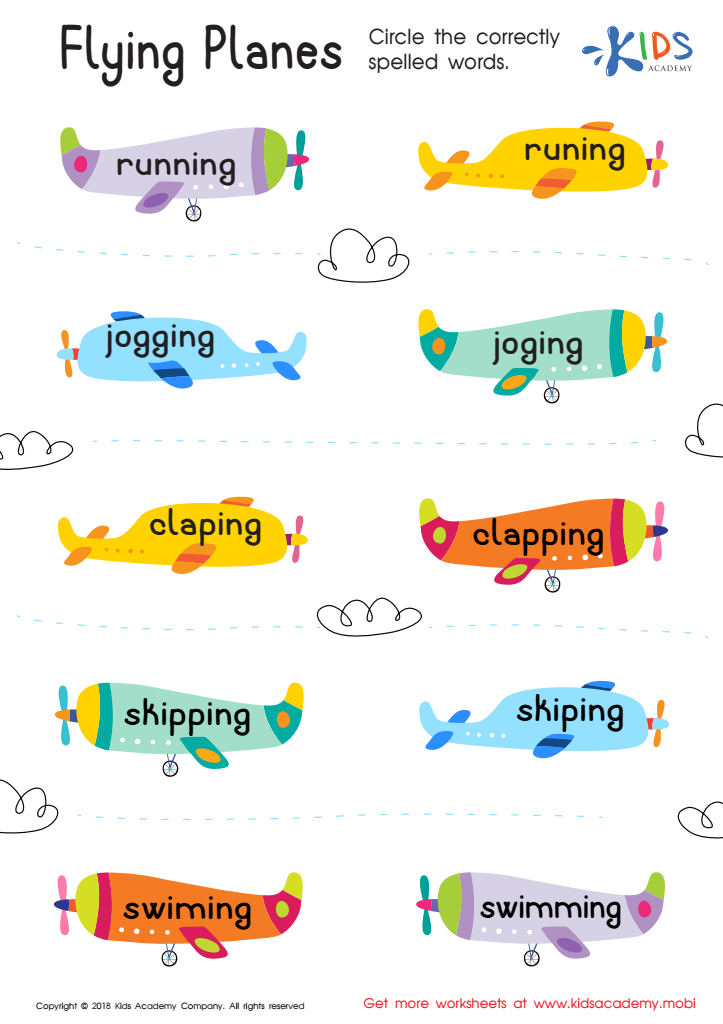
Flying Planes Worksheet
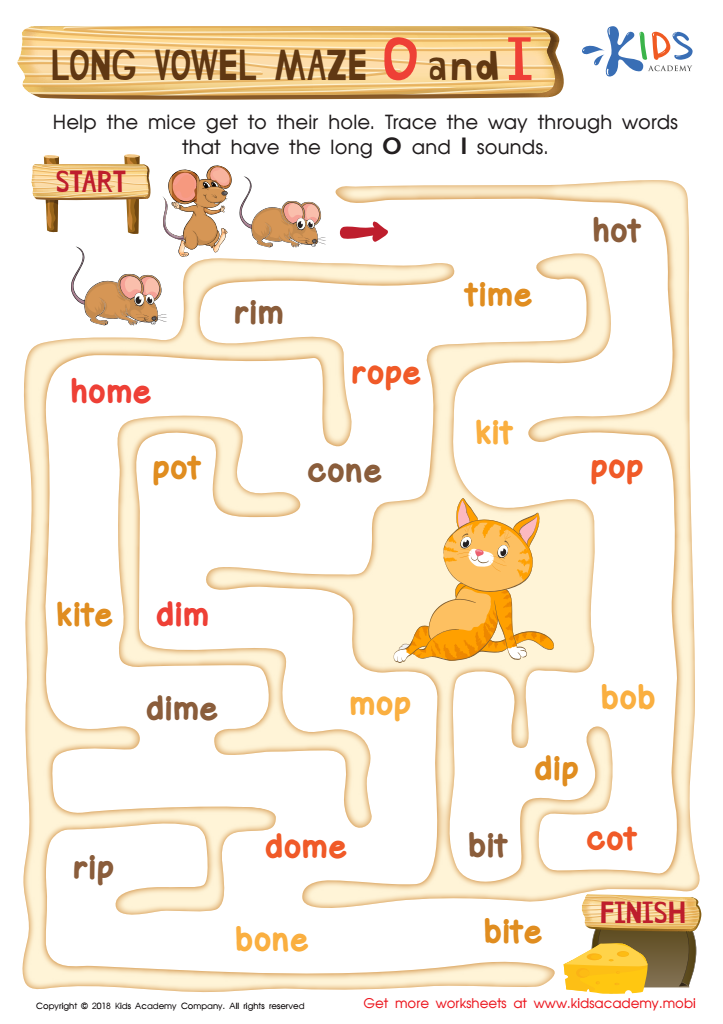
Long Vowel Maze /o/ and /i/ Worksheet
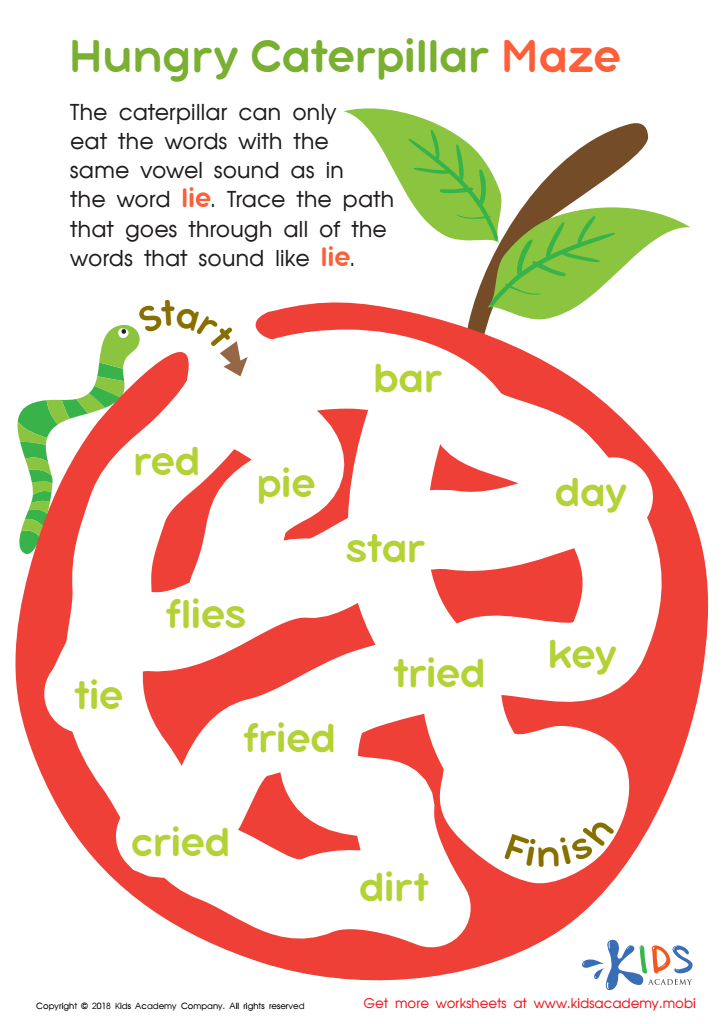
Hungry Caterpillar Maze Worksheet
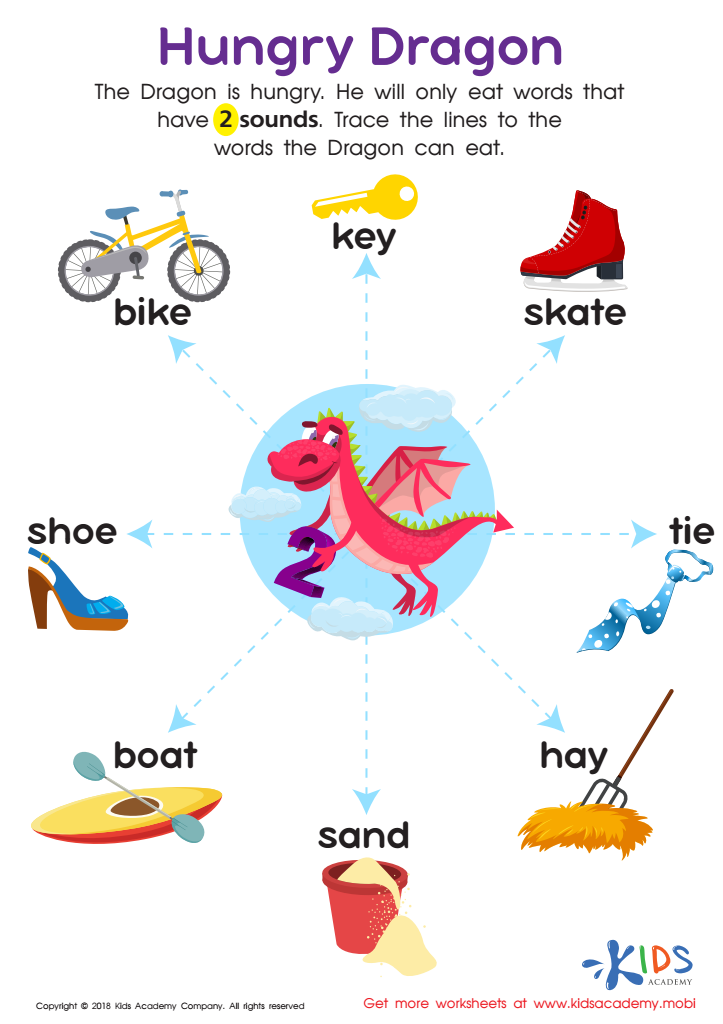
Hungry Dragon Worksheet








Problem-solving skills and phonics are critical foundational elements in the education of children aged 7-8, and parents and teachers should prioritize them to foster comprehensive development. At this age, children are building the basic cognitive and linguistic skills that will support their future academic and life success.
Problem-solving skills enhance children's ability to think critically and independently. They learn to analyze situations, seek solutions, and make decisions—skills that are essential not just in academic settings but also in real-life scenarios. Strengthening these abilities early on helps children become resilient learners and proactive individuals who can adapt in diverse situations.
Phonics, on the other hand, is the cornerstone of reading proficiency. Understanding the relationship between letters and sounds enables children to decode words, which is pivotal for fluency in reading. Mastery of phonics facilitates better comprehension, enriching their vocabulary and communication skills. When children are confident readers, they engage more fully with their studies and develop a genuine love for learning.
By focusing on these areas, parents and teachers can instill a strong educational foundation, fostering a love for learning and equipping children with vital skills for future success. Integrating problem-solving and phonics not only supports academic growth but also contributes to holistic personal development, preparing children to face challenges with confidence and creativity.







