Phonics Skills Short Vowels Worksheets for Ages 7-8
5 filtered results
-
From - To
Enhance your child's reading abilities with our "Phonics Skills Short Vowels Worksheets" designed for ages 7-8. These engaging and educational worksheets focus on improving pronunciation and recognition of short vowel sounds. Each sheet offers fun exercises, colorful illustrations, and interactive activities to make learning enjoyable for young minds. Whether your child is practicing at home or in the classroom, these worksheets provide essential skills to build a strong phonics foundation and boost reading fluency. Help your child master short vowels effortlessly and confidently with our expertly crafted resources by Kids Academy.
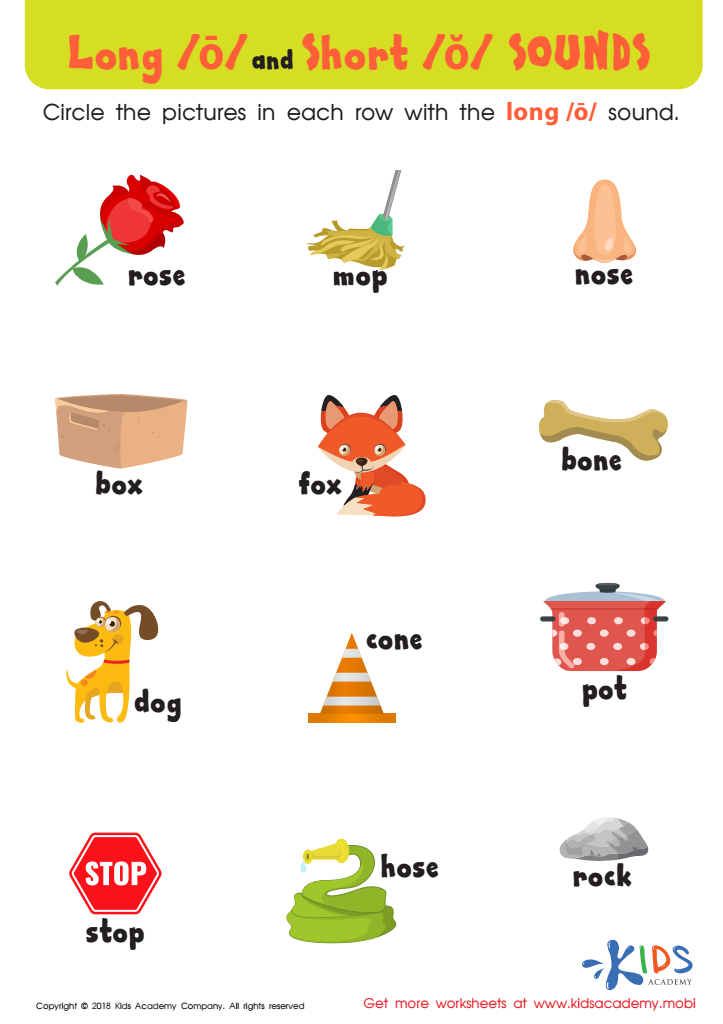
Reading: Long O and Short O Sounds Worksheet
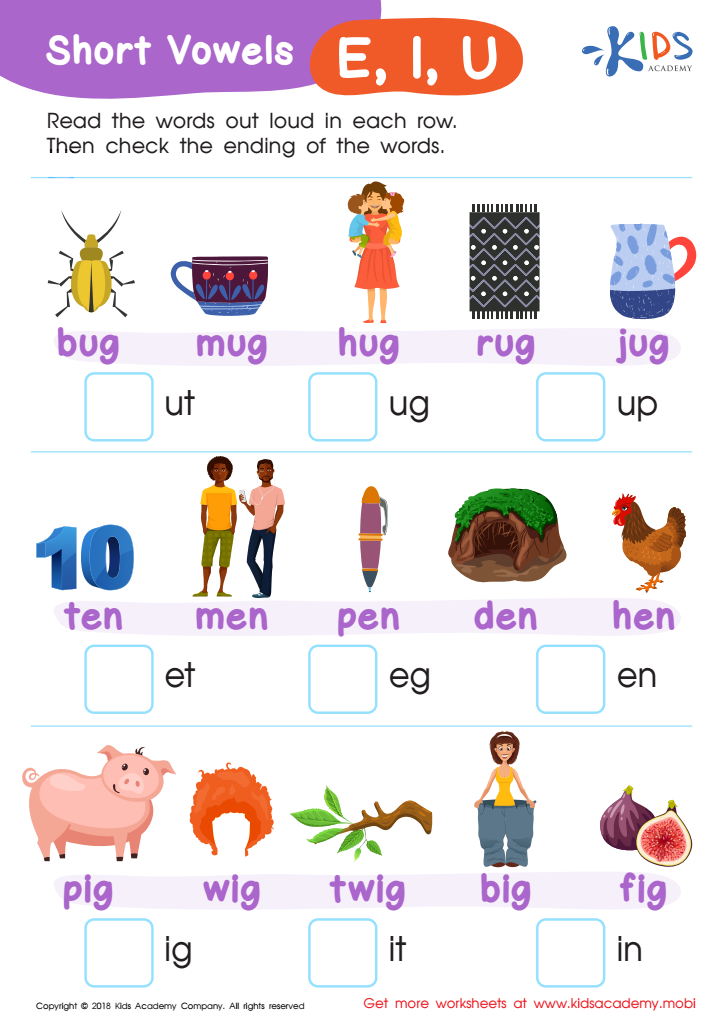
Short Vowels /e/, /i/, and /u/ Worksheet
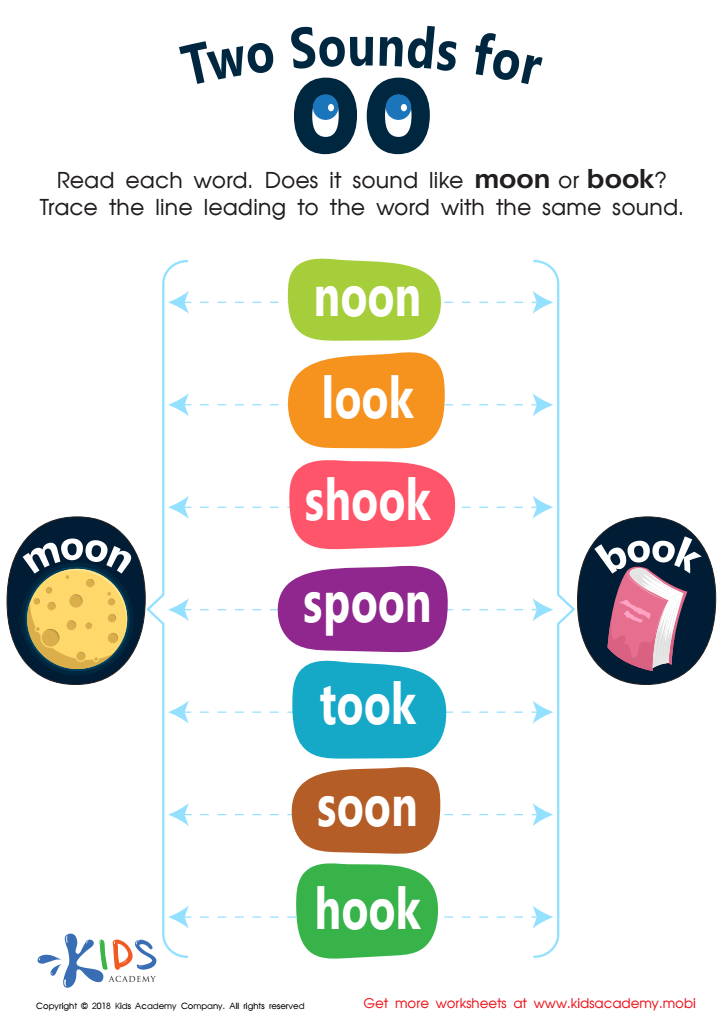
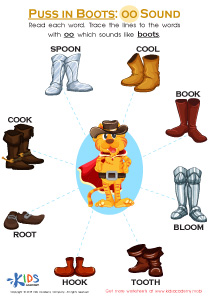
Two Sounds for OO Worksheet
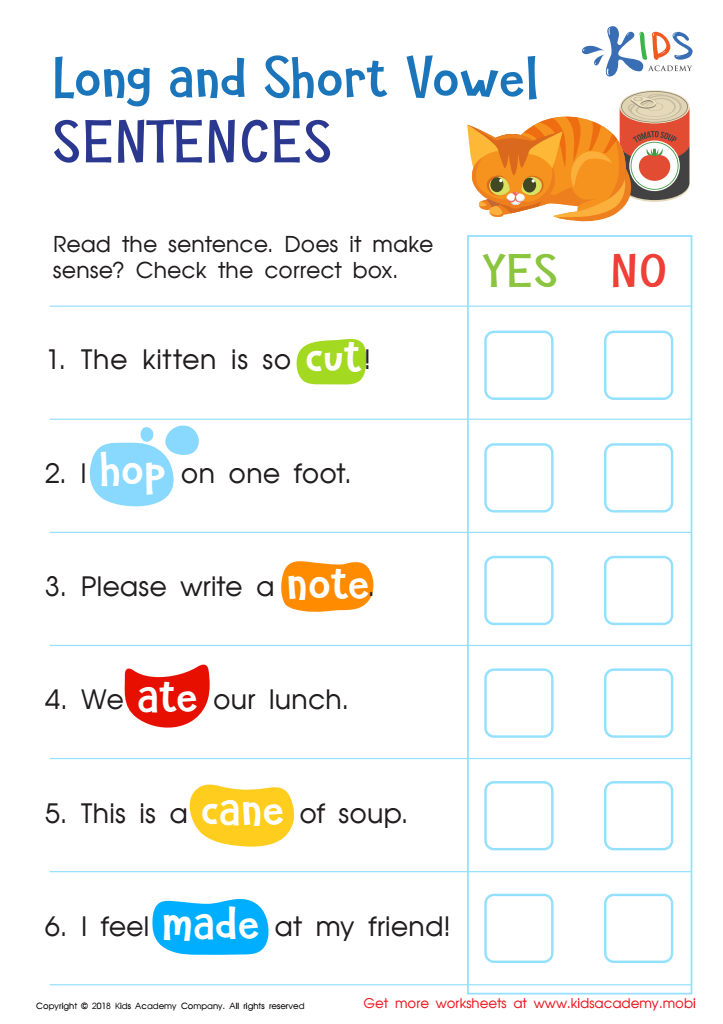
Long and Short Vowel Sentences: Assessment Worksheet

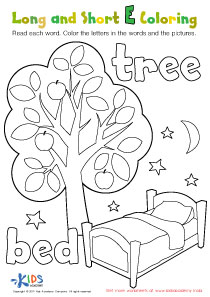
Long and Short E Worksheet
 Assign to My Students



Phonics skills, particularly short vowels, are fundamental for children aged 7-8 because they build the foundational blocks of reading and writing. Understanding short vowels enables children to decode and pronounce words accurately, promoting fluent reading. When children grasp these basic sounds, they can blend them together to form new words, facilitating vocabulary expansion and enhancing comprehension.
At this age, children's brains are particularly receptive to learning language rules and patterns, making it an optimal time to reinforce these skills. Mastery of short vowels minimizes reading struggles, boosting a child's confidence and fostering a positive attitude towards learning.
Incorporating short vowel phonics into early education supports overall literacy development which is critical for all subject areas. Students who are adept at reading can better follow instructions, comprehend texts, and engage in more complex learning activities across the curriculum. Therefore, phonics skills play a crucial role in educational success and should be a priority for both parents and teachers.
Additionally, early intervention in phonics can help identify and address potential learning difficulties, providing children with the support they need before challenges become more significant. Thus, prioritizing phonics, and especially short vowels, is essential for nurturing skilled, confident, and enthusiastic young readers.