Filters

5 filtered results

Clear all filters
Favorites
With answer key
Interactive

5 filtered results

Difficulty Level

Grade


Subject

    Enhance your child's reading skills with our engaging Reading Comprehension Short Vowels Worksheets, specially designed for ages 7-8. These worksheets help young learners master short vowel sounds through interactive exercises that reinforce comprehension and fluency. Each activity combines fun and education, encouraging kids to read short passages and answer questions that strengthen their understanding. With colorful illustrations and age-appropriate language, your child will enjoy practicing essential literacy skills. Ideal for home or classroom use, these resources promote a love of reading while boosting confidence. Download our worksheets today and watch your child flourish as a reader!

    Check out this FREE Trial Lesson on Short Vowels for age 7-8!

    Distinguish between Long E and Short E

    Favorites
    With answer key
    Interactive
    • 7-8
    • Reading comprehension
    • Short Vowels
    Reading: Long O and Short O Sounds Worksheet
    Reading: Long O and Short O Sounds Worksheet

    Reading: Long O and Short O Sounds Worksheet

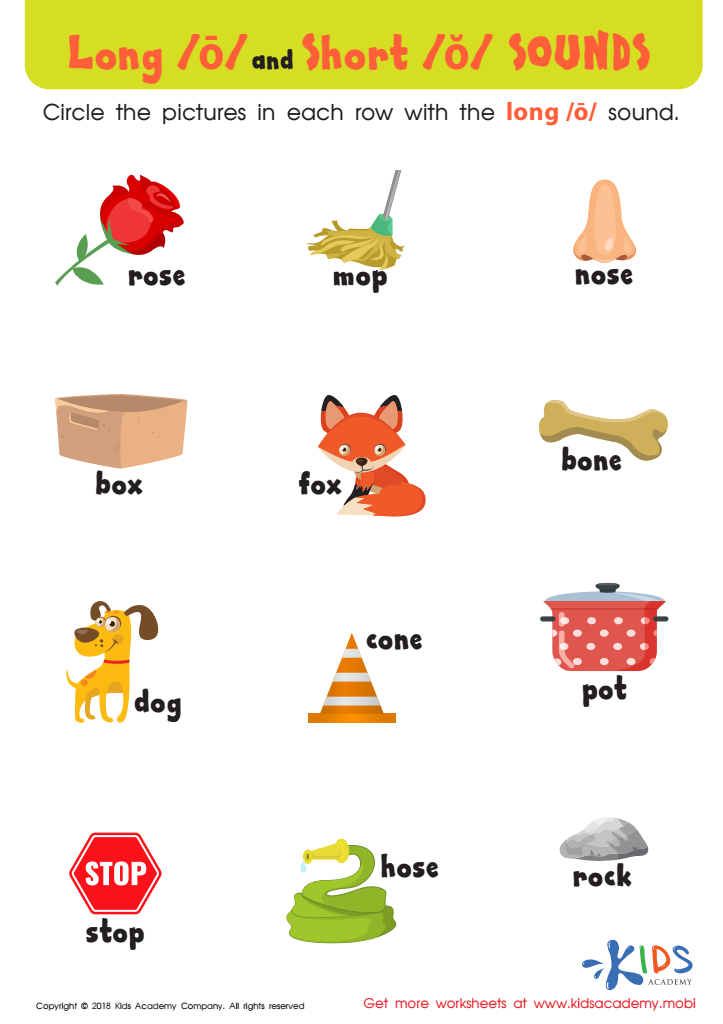
    Students practice distinguishing between short and long O sounds with this reading worksheet. They sound out each word, then circle the pictures with the long O sound. Perfect for individual practice or to work with peers! Improves understanding of this skill and helps avoid confusion.
    Reading: Long O and Short O Sounds Worksheet
    Worksheet
    Short Vowels /e/, /i/, and /u/ Worksheet
    Short Vowels /e/, /i/, and /u/ Worksheet

    Short Vowels /e/, /i/, and /u/ Worksheet

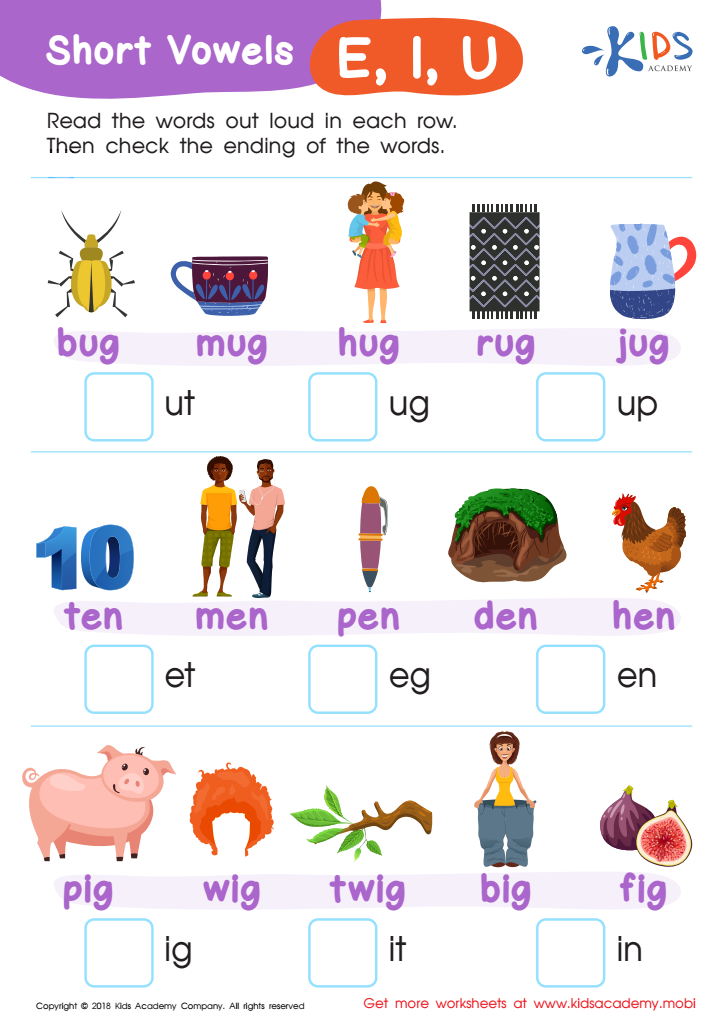
    Your emergent reader can have fun while practicing their short vowel sounds with this free, brightly colored worksheet. They'll identify one-syllable words by their pictures, then match the correct ending for each. They'll gain an understanding of how short vowel sounds vary in closed syllables with different endings, without even realizing it!
    Short Vowels /e/, /i/, and /u/ Worksheet
    Worksheet
    Long and Short Vowel Sentences: Assessment Worksheet
    Long and Short Vowel Sentences: Assessment Worksheet

    Long and Short Vowel Sentences: Assessment Worksheet

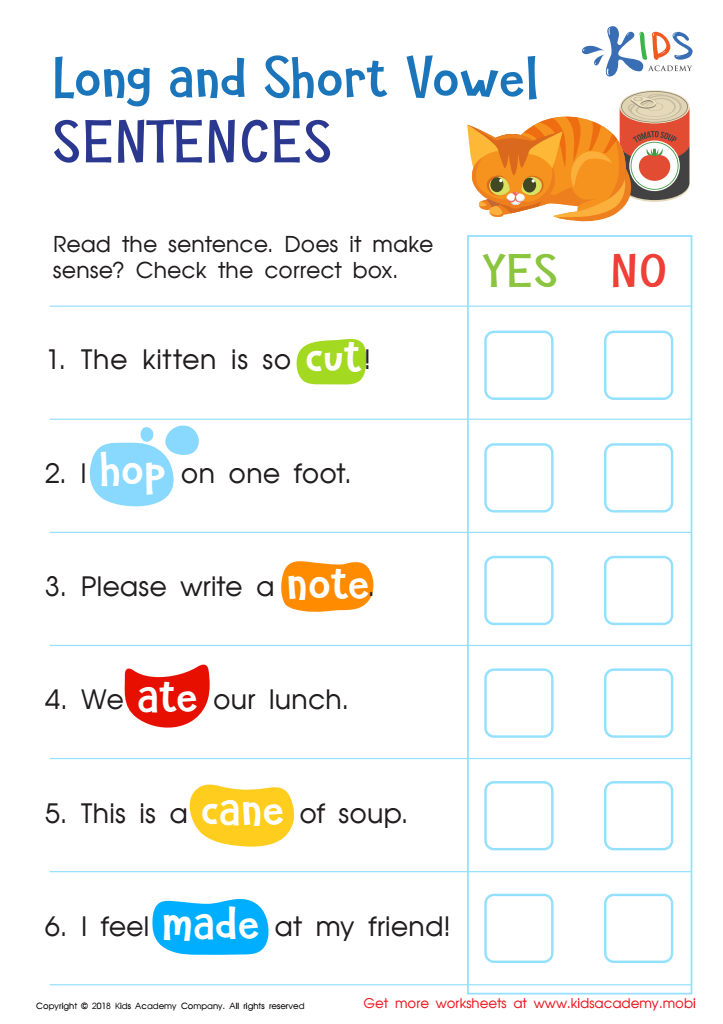
    This printable worksheet helps kids practice differentiating between short and long vowel sounds. They'll use context clues to figure out which words make sense in simple sentences. A great way to build reading and writing skills!
    Long and Short Vowel Sentences: Assessment Worksheet
    Worksheet
    Reading: EA as in Bread Worksheet
    Reading: EA as in Bread Worksheet

    Reading: EA as in Bread Worksheet

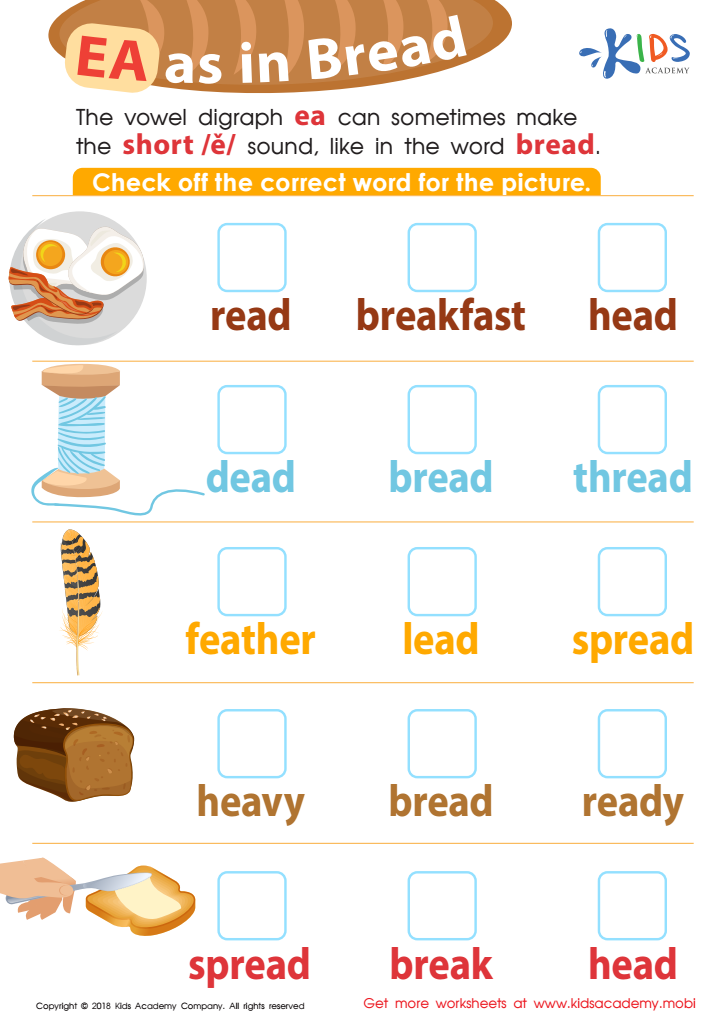
    The vowel digraph ea can be read in two ways. Examples of the long sound are "read" and "lead"; examples of the short sound are "bread" and "head". Ask your kids to give you more examples and then have them check off the correct word for the pictures on this worksheet. This will help them understand the ea sound.
    Reading: EA as in Bread Worksheet
    Worksheet
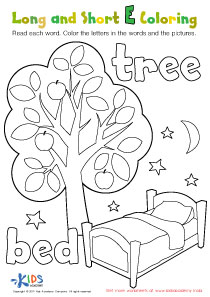
    Long and Short E Worksheet
    Long and Short E Worksheet

    Long and Short E Worksheet

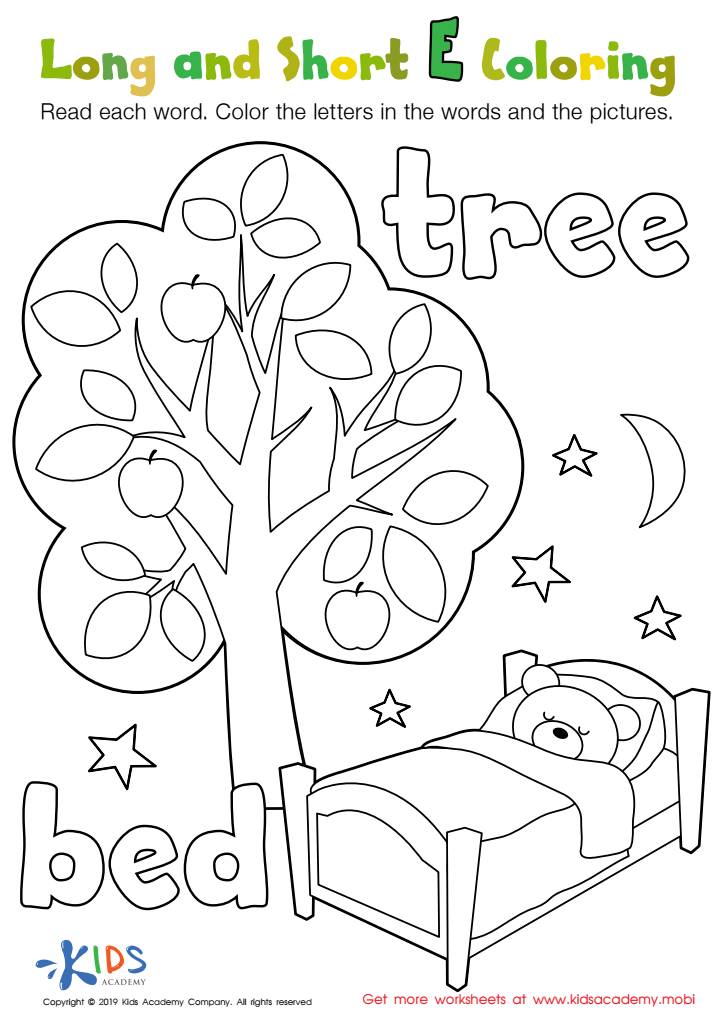
    This fun printout makes learning phonics enjoyable for Grade 3 students. Get them to read the words “tree” and “bed” to recognize the different sounds of the letter “E”. After hearing the words they can color the words and the pictures to understand differences between long and short vowels.
    Download (PDF)
    Assign to My Students
    Long and Short E Worksheet
    Worksheet


    Reading comprehension skills, particularly with short vowels, are crucial for children aged 7-8. At this developmental stage, students are transitioning from learning to read to reading to learn. Short vowels underpin many foundational words, making their mastery essential. When children understand how short vowels function, they can decode unfamiliar words, enhancing their vocabulary and promoting fluency.

    Strong reading comprehension allows children to grasp the gist of stories, follow plots, and make connections between texts and their own experiences. Without a solid understanding of short vowels, students may struggle with basic text, leading to frustration and disengagement from reading.

    Moreover, mastery of short vowels contributes to overall literacy skills, impacting writing and spelling. As children become more confident readers, their enjoyment and motivation to read will blossom, fostering a lifelong love for literature.

    Parents and teachers should prioritize activities that incorporate short vowel sound recognition, such as storytelling, phonics exercises, and engaging reading materials. This foundational skill not only equips children for academic success but also opens doors to communication and critical thinking, nurturing well-rounded learners. Supporting children's reading comprehension ultimately shapes their future, both academically and personally, as proficient readers become empowered individuals.