Color recognition Holiday Coloring Pages Worksheets for Ages 7-8
23 filtered results
-
From - To
Elevate holiday fun with our vibrant Color Recognition Holiday Coloring Pages Worksheets, designed specifically for ages 7-8. These engaging printables combine festive celebration with essential educational skills, promoting color recognition and creativity. Each worksheet offers delightful holiday-themed images for children to color, reinforcing their understanding of hues and shades while celebrating various seasonal events. Perfect for both classroom and home settings, these worksheets foster learning through play, making color practice enjoyable. With a focus on developmentally appropriate challenges, our resources support cognitive and motor skills, ensuring kids learn foundational color concepts in an entertaining, memorable way.
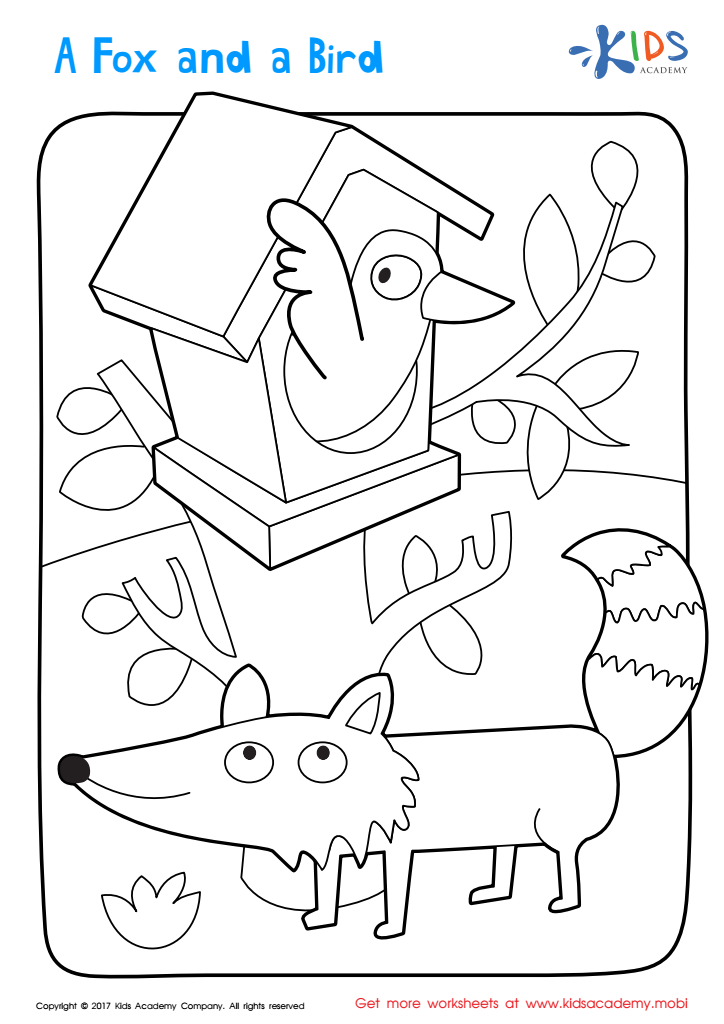
A Fox and Bird Coloring Page
 Assign to My Students
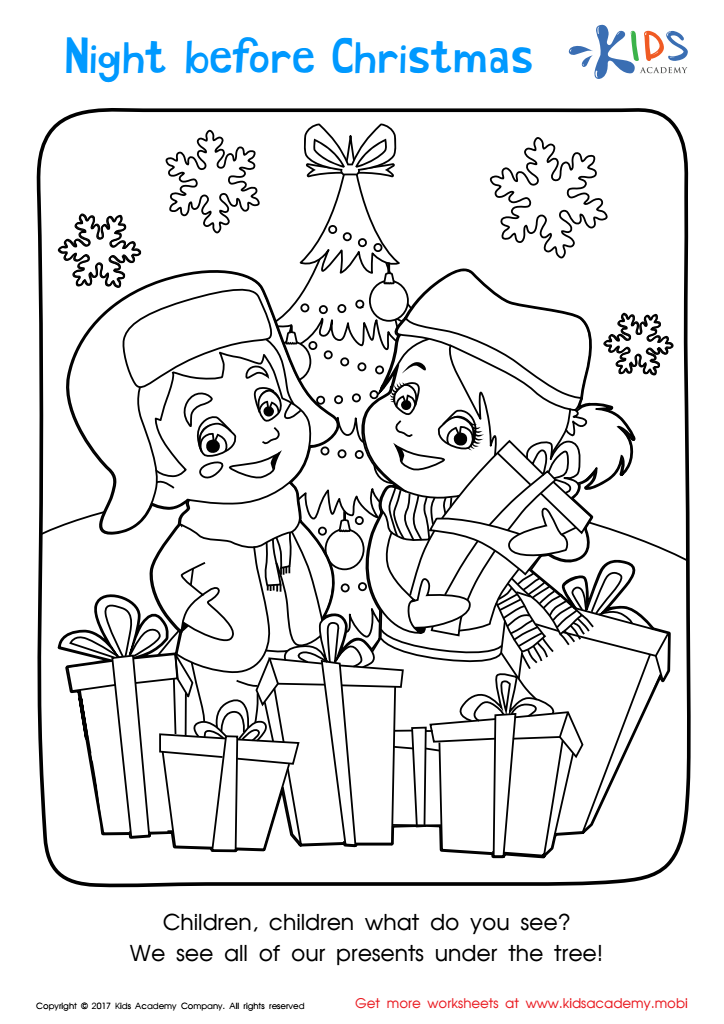
Christmas: Night Before Christmas Printable
Assign to My Students
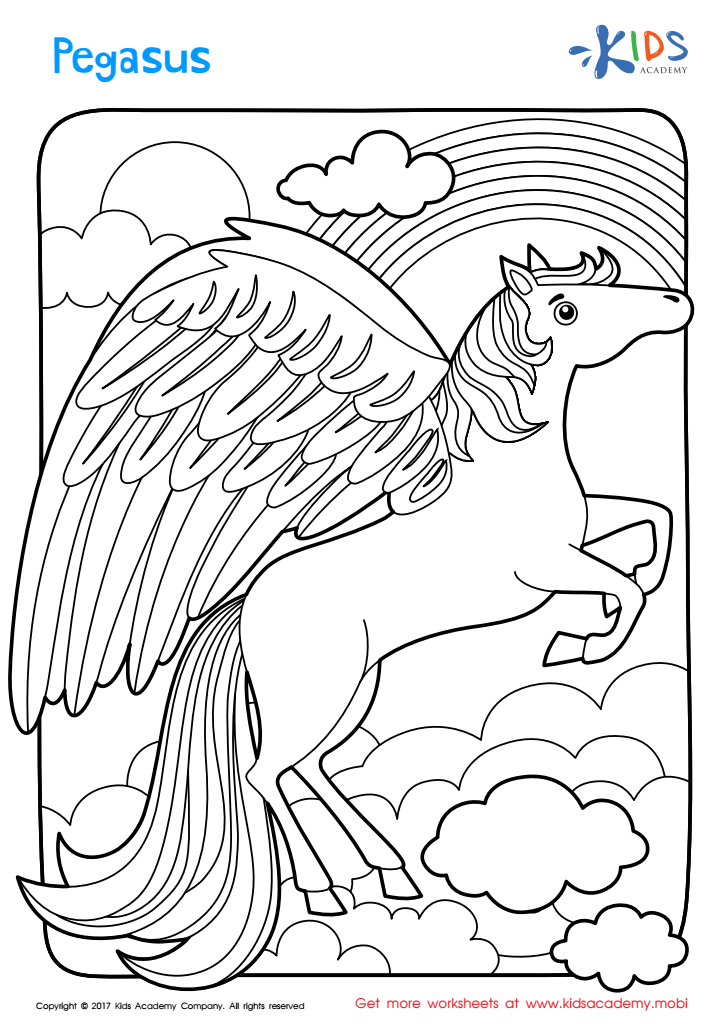
Pegasus Printable
Assign to My Students
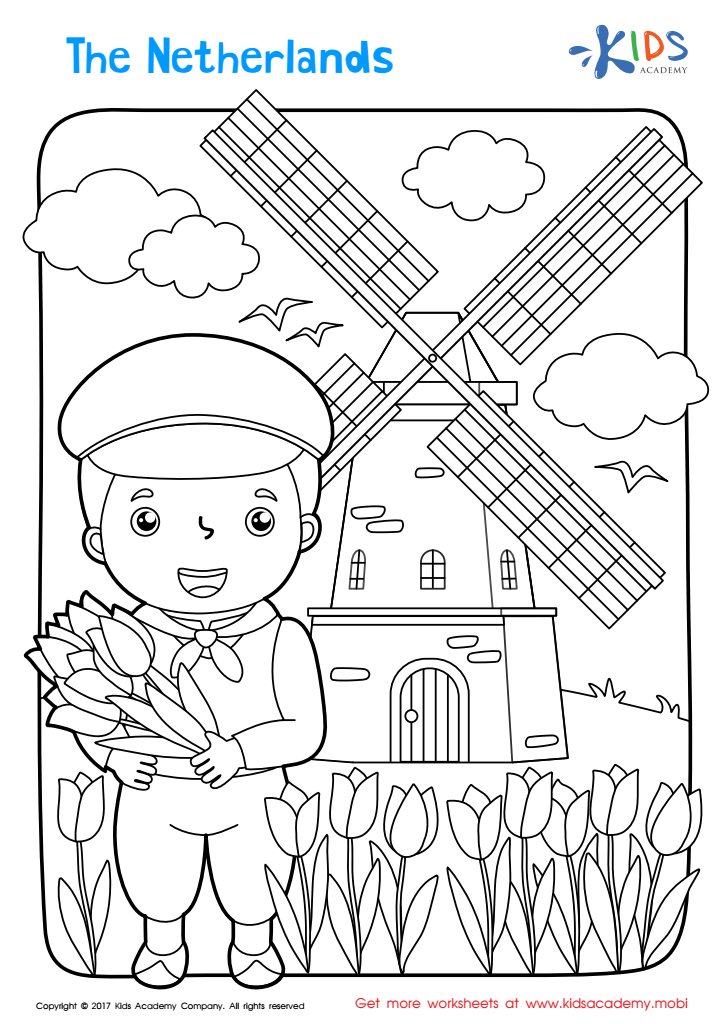
The Netherlands Printable
Assign to My Students
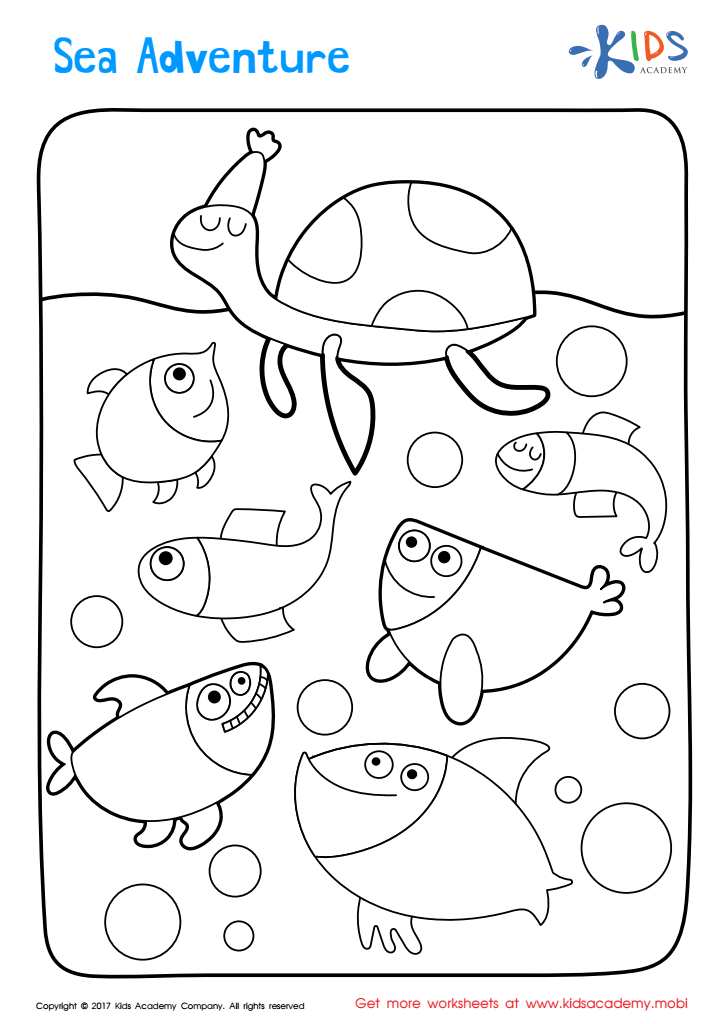
Sea Adventure Coloring Page
Assign to My Students
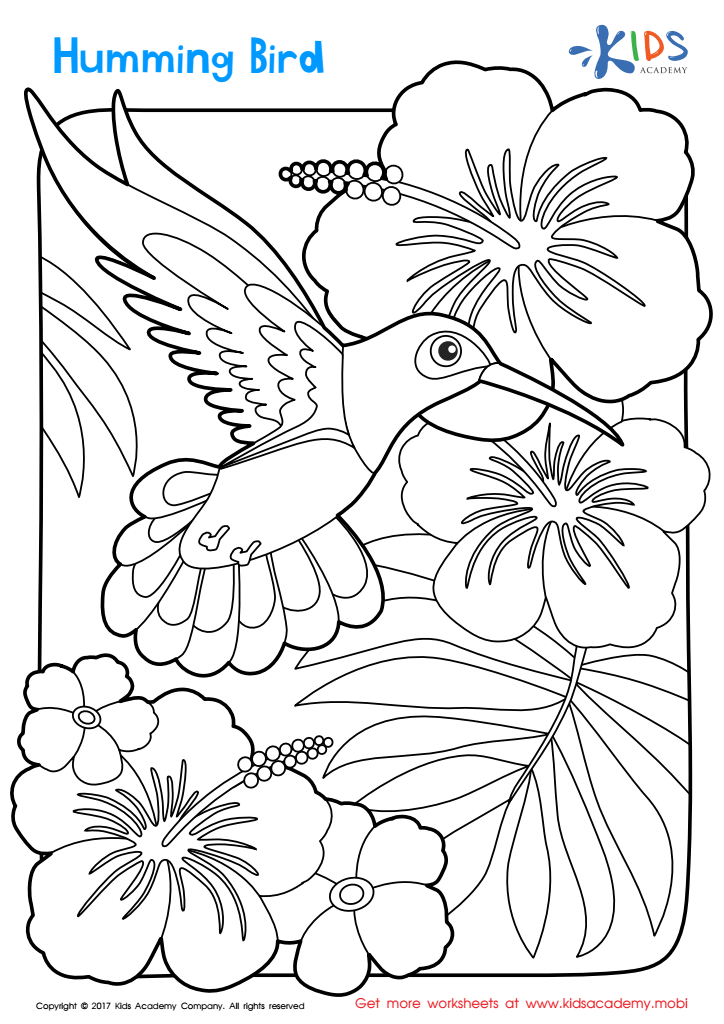
Humming Bird Worksheet
Assign to My Students
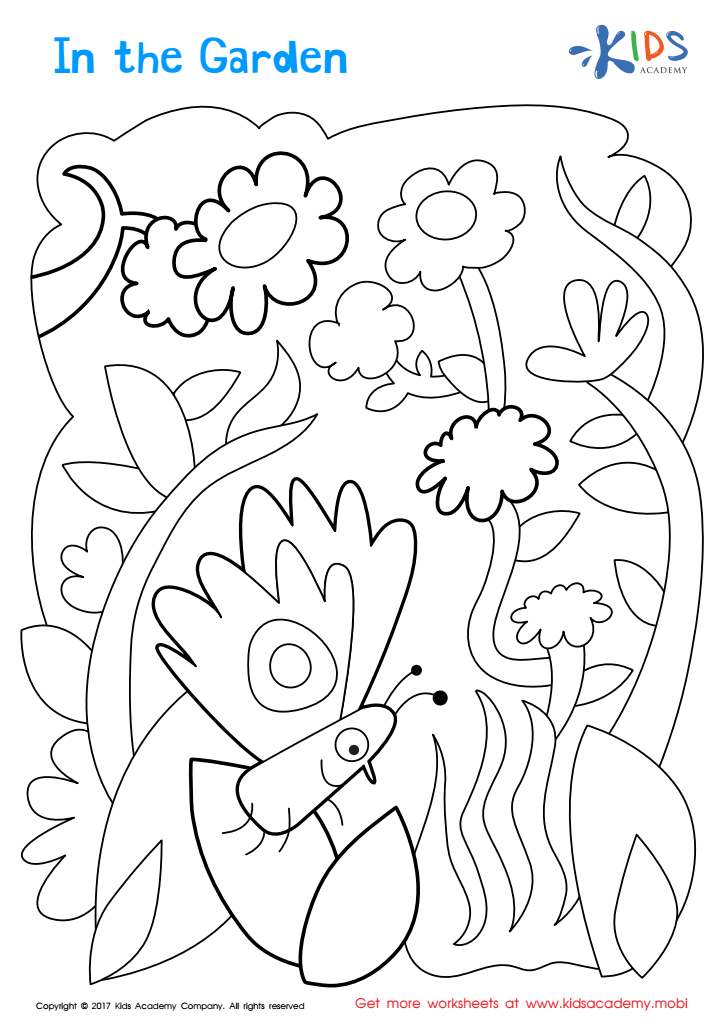
In The Garden Coloring Page
Assign to My Students
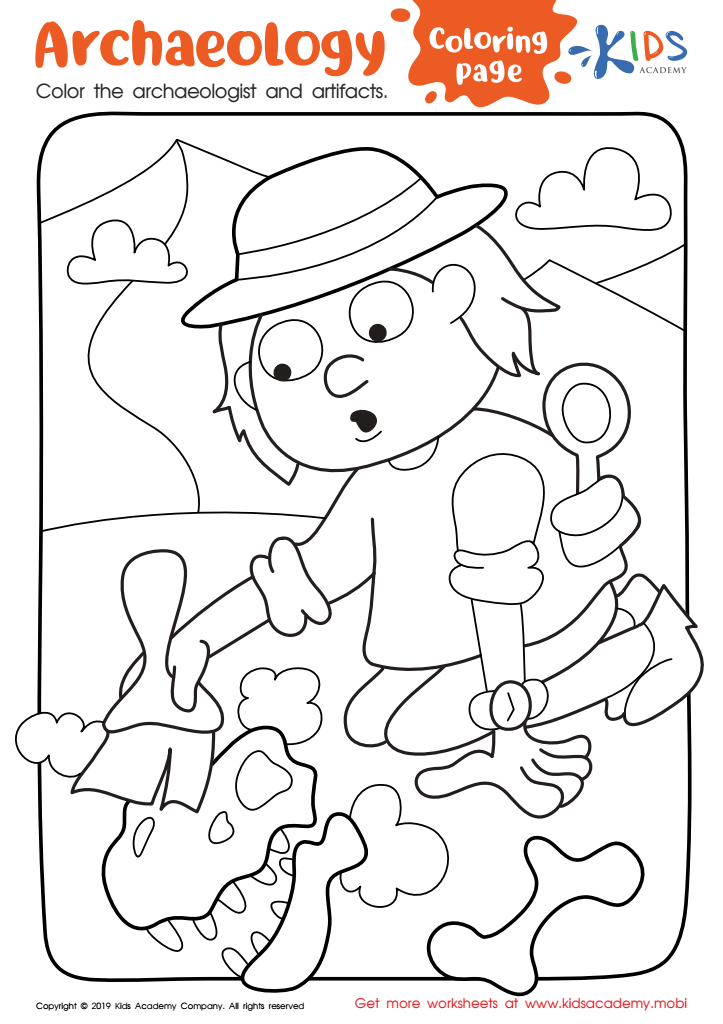
Archaelogy Coloring Page Worksheet
Assign to My Students
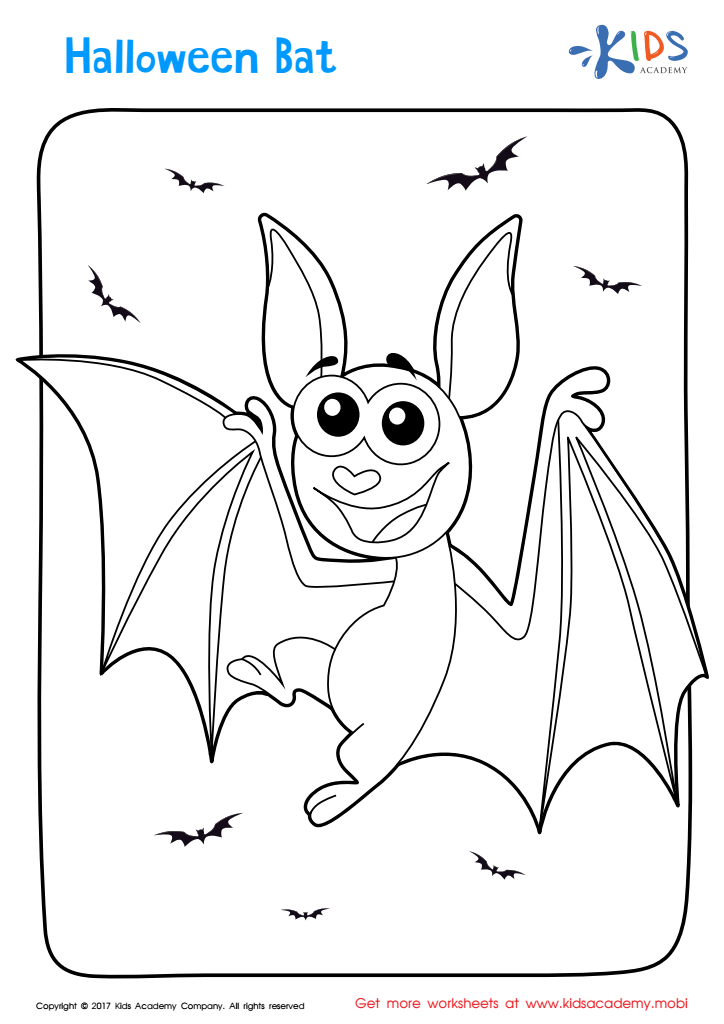
Halloween: A Bat Printable
Assign to My Students
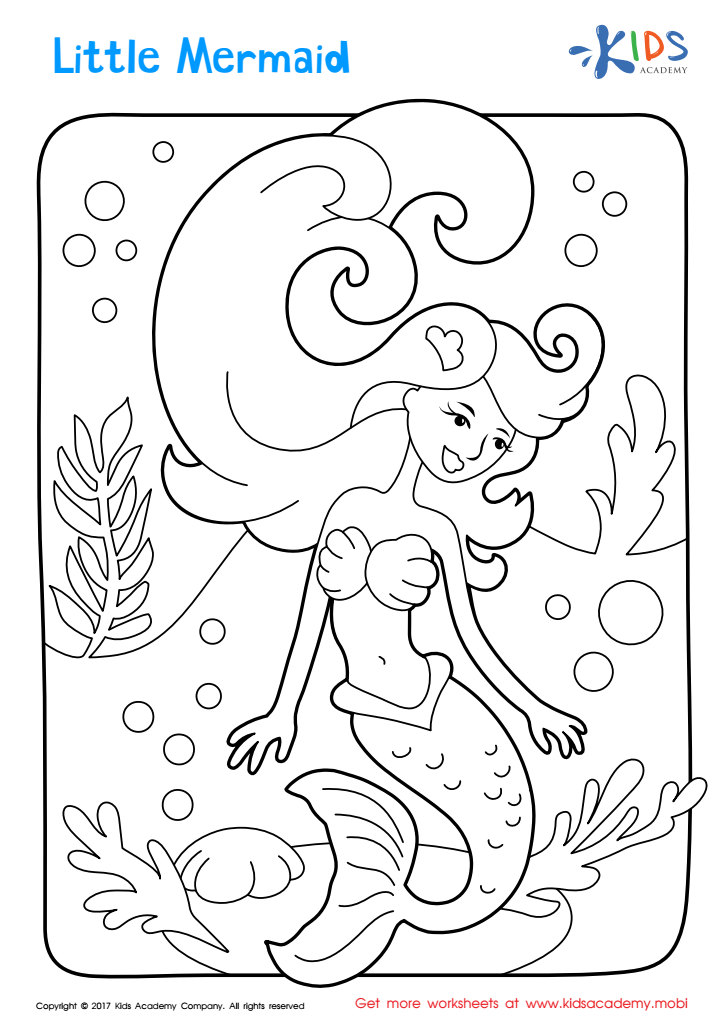
Little Mermaid Coloring Page
Assign to My Students
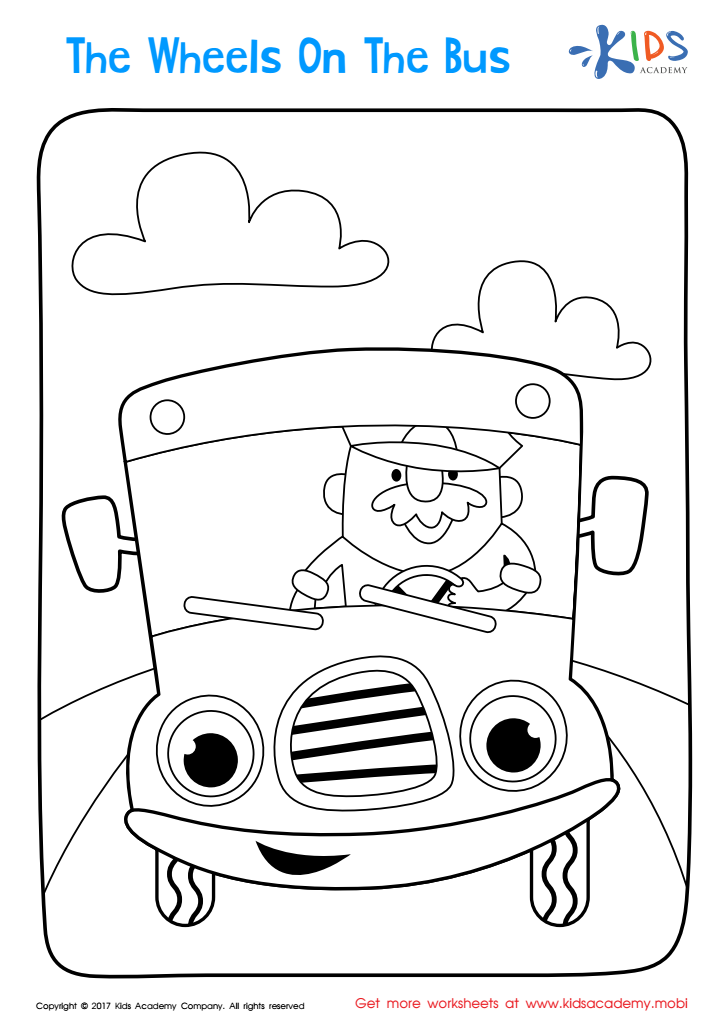
The Wheels on the Bus Coloring Page
Assign to My Students
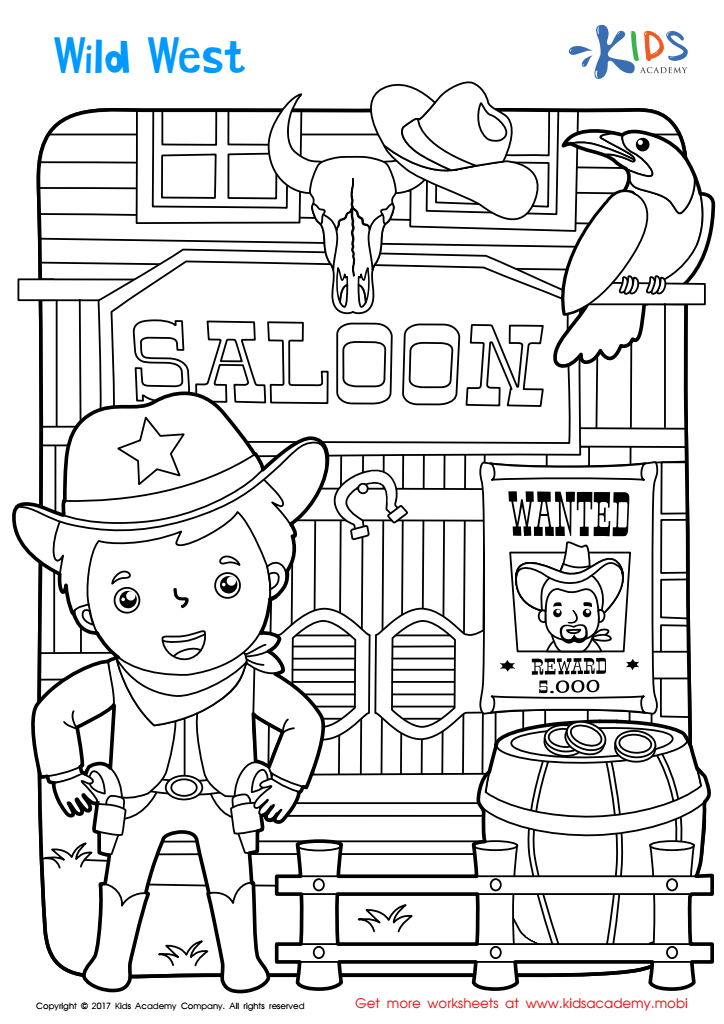
Wild West Coloring Page Printable
Assign to My Students
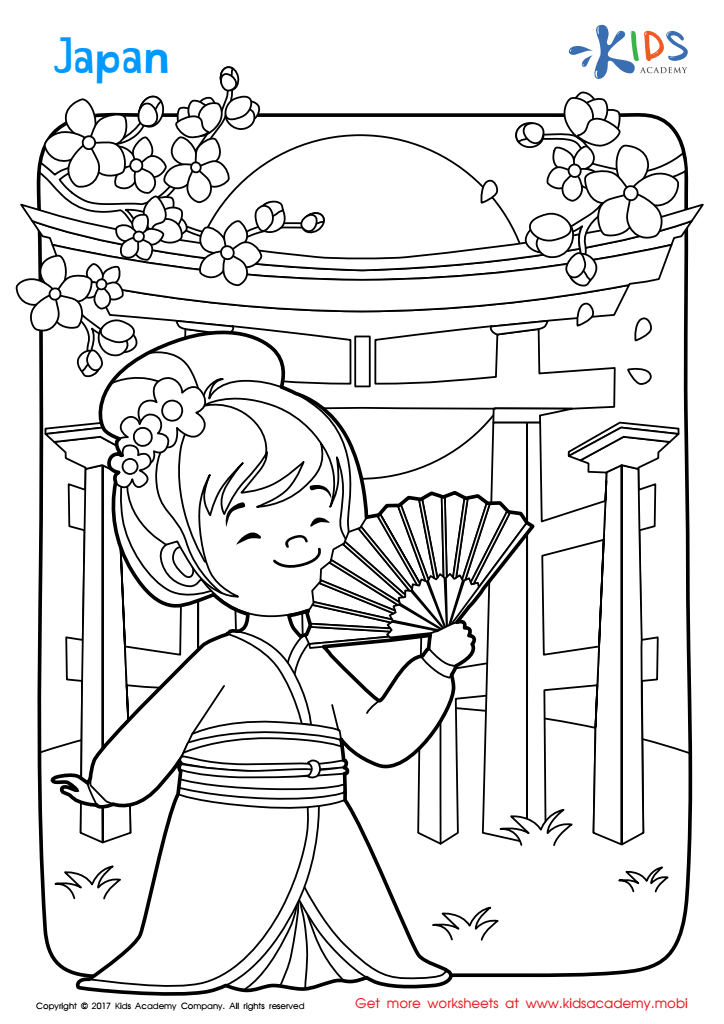
Japan Printable
Assign to My Students
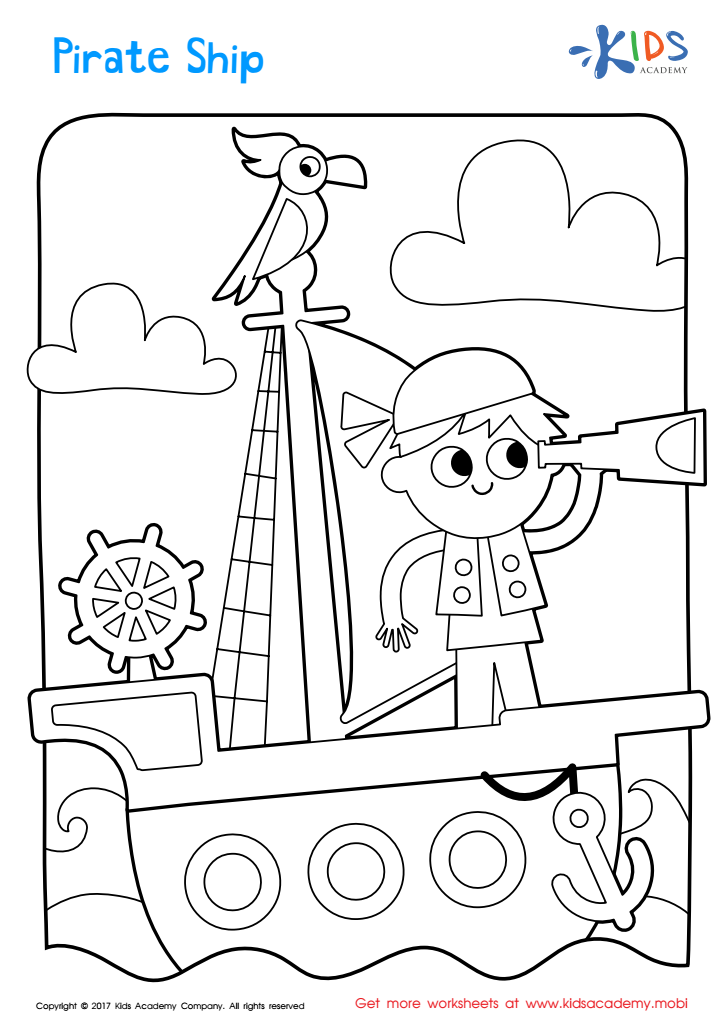
Pirate Ship Coloring Page
Assign to My Students
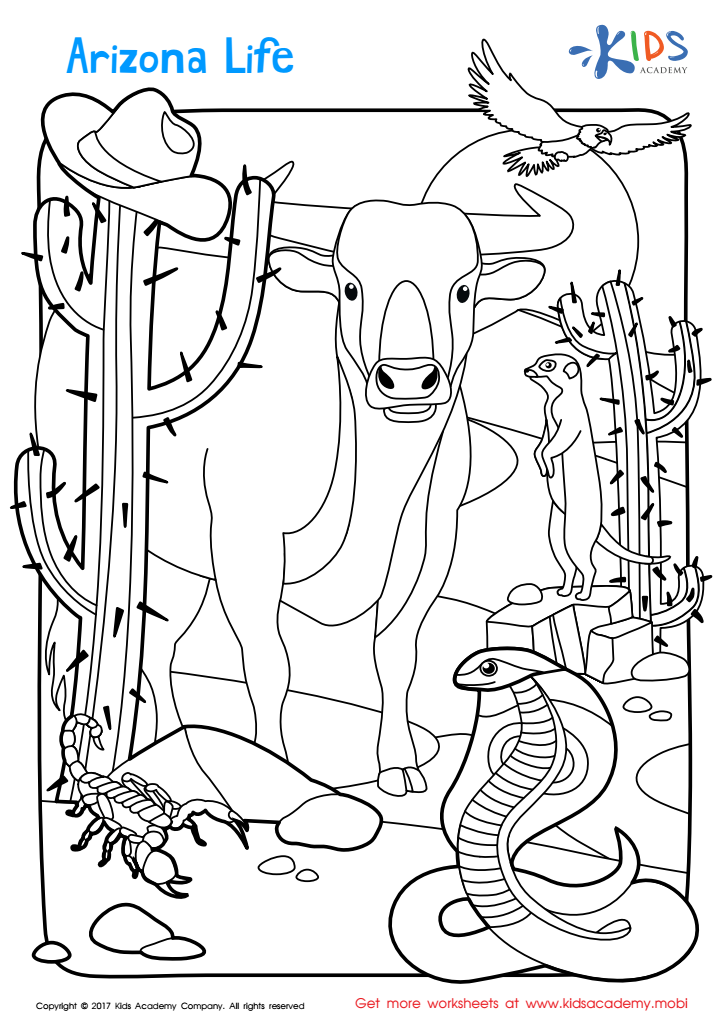
Arizona Coloring Page Worksheet
Assign to My Students
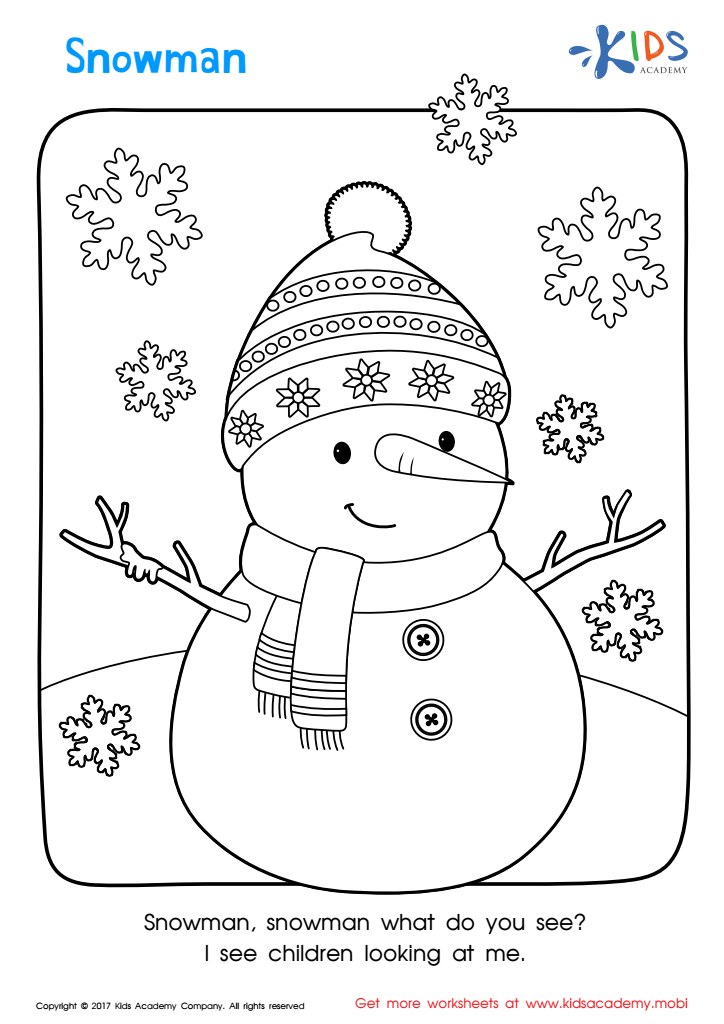
Christmas: Snowman Printable
Assign to My Students
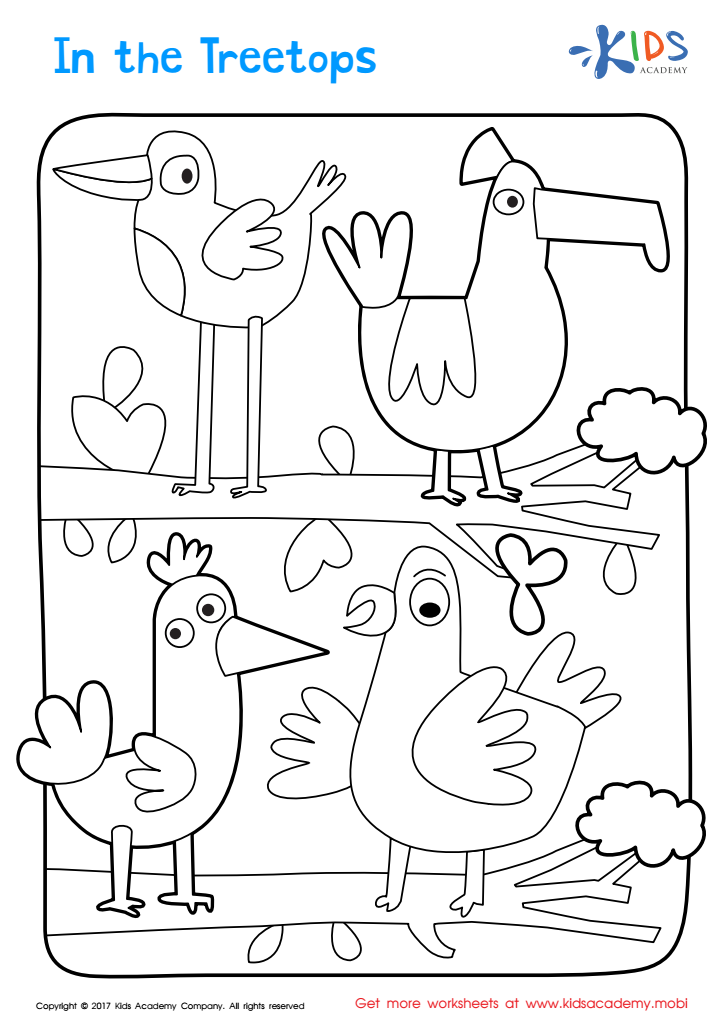
In the Treetops Coloring Page
Assign to My Students
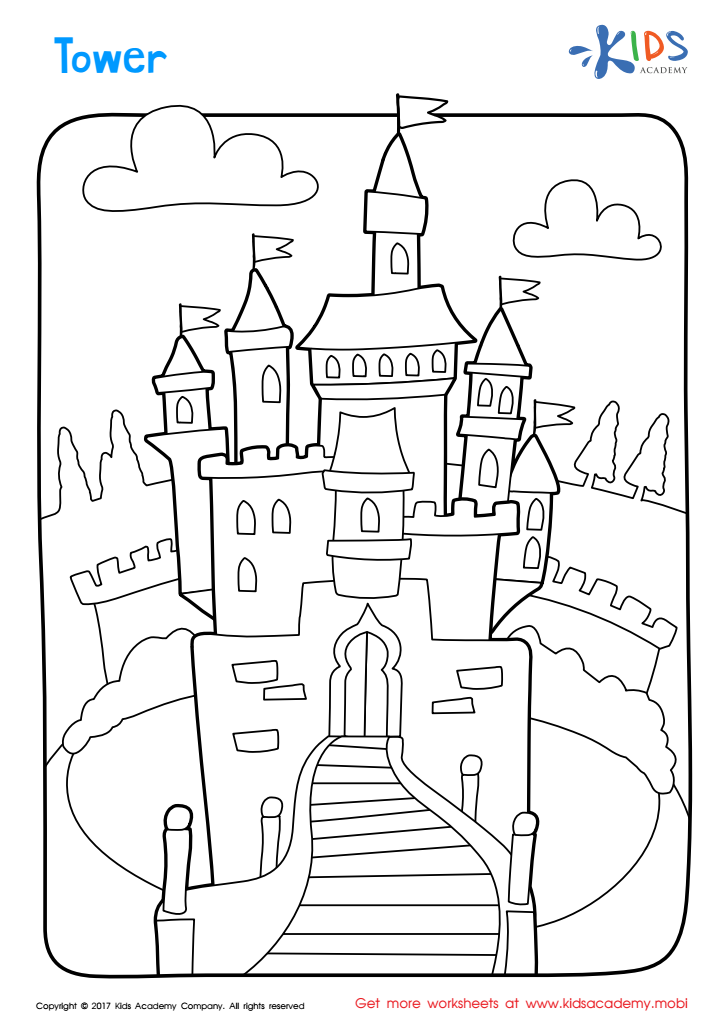
Tower Coloring Page
Assign to My Students
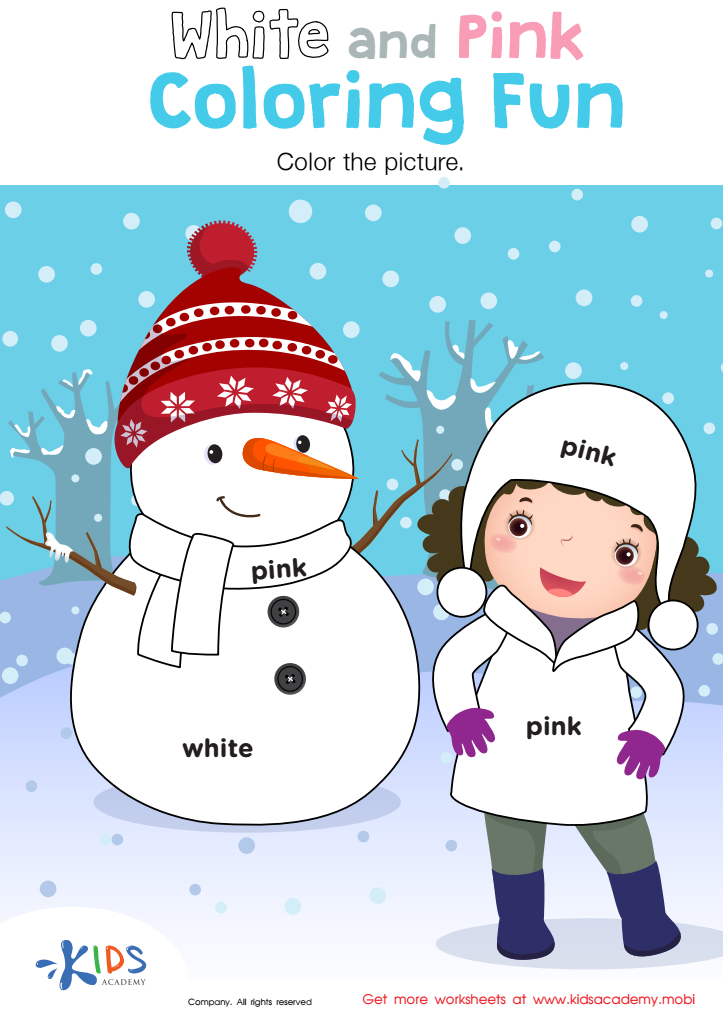
White and Pink Coloring Fun Worksheet
Assign to My Students
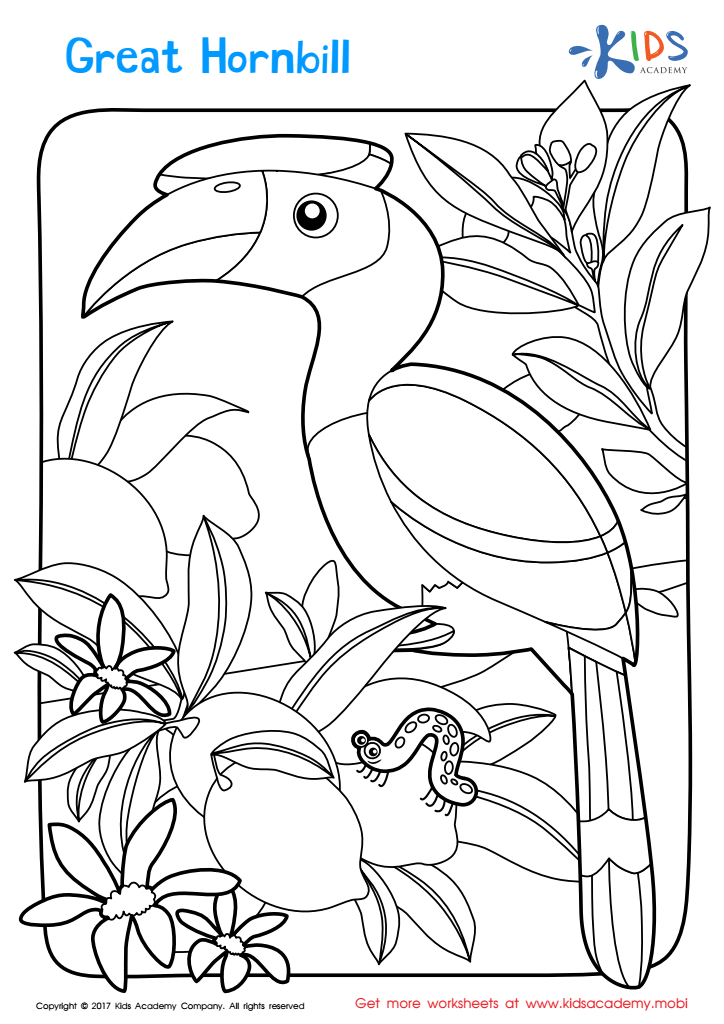
Great Hornbill Worksheet
Assign to My Students
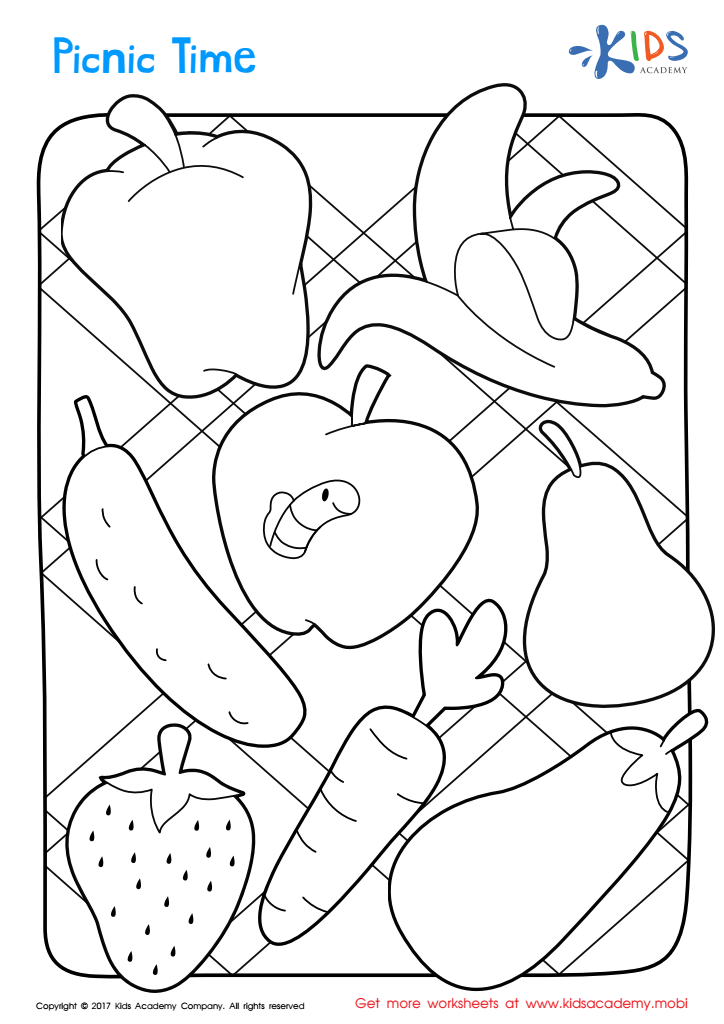
Picnic Time Coloring Page
Assign to My Students
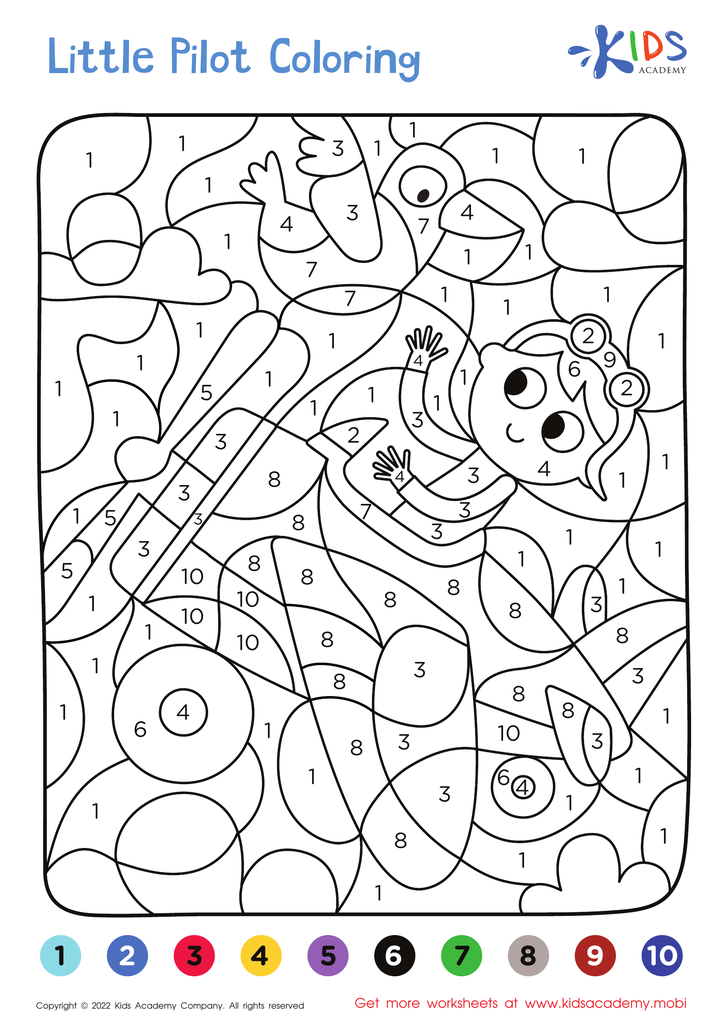
Little Pilot – Coloring by Numbers
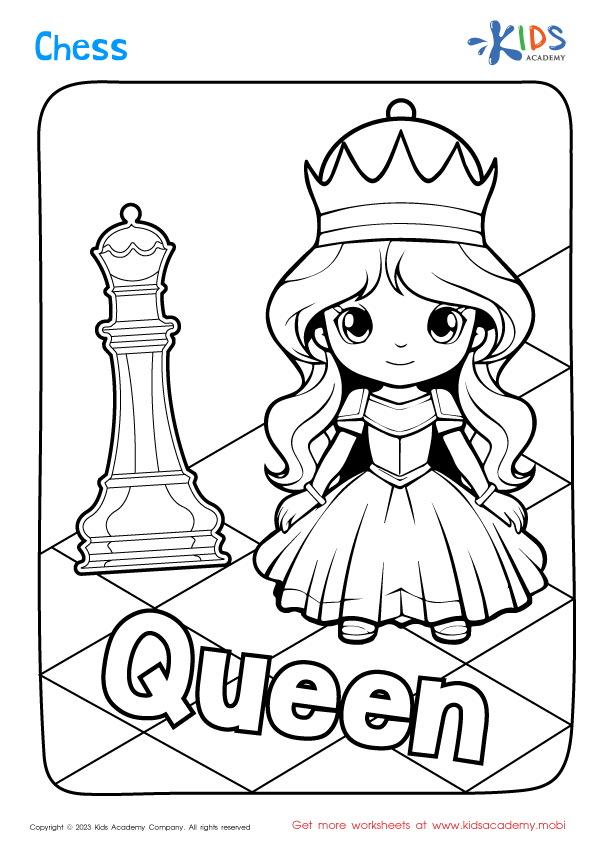







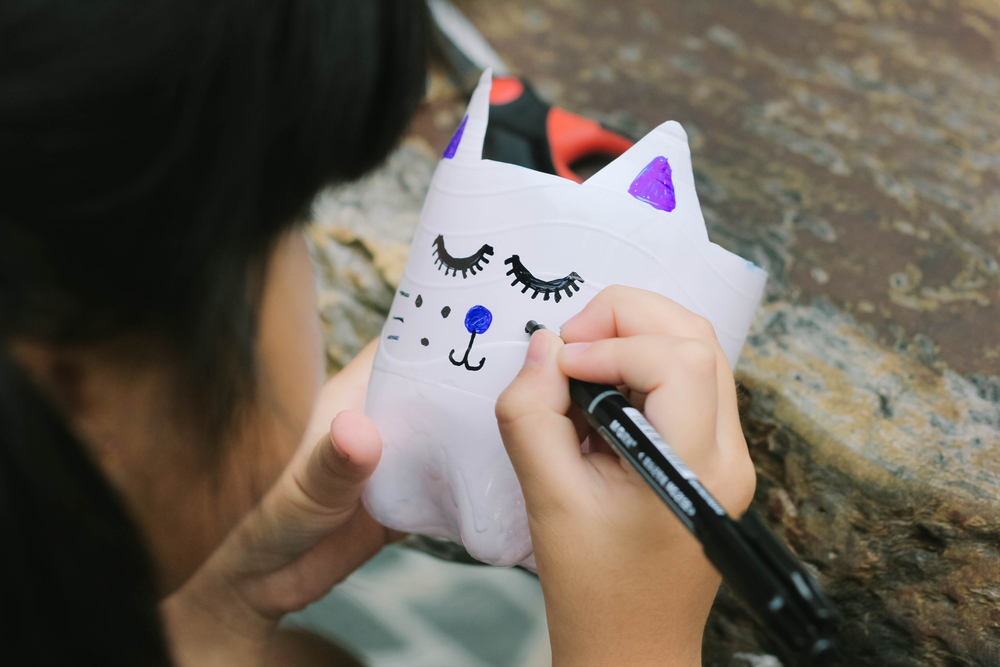
Color recognition holiday coloring pages are more than just a fun activity; they offer a wealth of developmental benefits for children aged 7-8. At this age, kids are rapidly honing their fine motor skills, attention to detail, and cognitive understanding of the world.
Firstly, coloring helps improve fine motor skills and hand-eye coordination. The action of gripping crayons or colored pencils and carefully filling in intricate patterns enhances their dexterity, which is crucial for writing and other tasks.
Secondly, holiday-themed coloring pages tap into cultural and social learning. As children color scenes related to various holidays, they likely learn about traditions, symbols, and customs associated with those holidays—enhancing their cultural literacy and broadening their worldviews.
Moreover, color recognition itself is a fundamental aesthetic skill that augments cognitive development. By interacting with different colors and shades, children improve their ability to distinguish and identify colors accurately, fostering better visual-spatial awareness.
Finally, these coloring activities can significantly help in managing stress and encouraging mindfulness. The immersive nature of coloring allows children to focus and decompress, which is incredibly beneficial for their emotional well-being.
Involving parents or educators in such activities also opens up opportunities for bonding and discussing important themes, making the experience both educational and deeply personal.