Color recognition Plants Worksheets for Ages 7-8
5 filtered results
Difficulty Level
Grade
Age
-
From - To
Subject
Activity
Standards
Discover vibrant learning with our Color Recognition Plants Worksheets designed for ages 7-8! These worksheets make plant science fun and engaging, encouraging young learners to explore colors, patterns, and plant structures. Each sheet features beautifully illustrated plants for children to color while enhancing their understanding of different hues and botanical forms. Perfect for both classroom use and homeschooling, these printable activities foster creativity and cognitive development. Brighten up your child’s educational journey and watch them bloom with joy and knowledge as they connect colors with nature's wonders. Download your set today for colorful, educational adventures!
Favorites
With answer key
Interactive
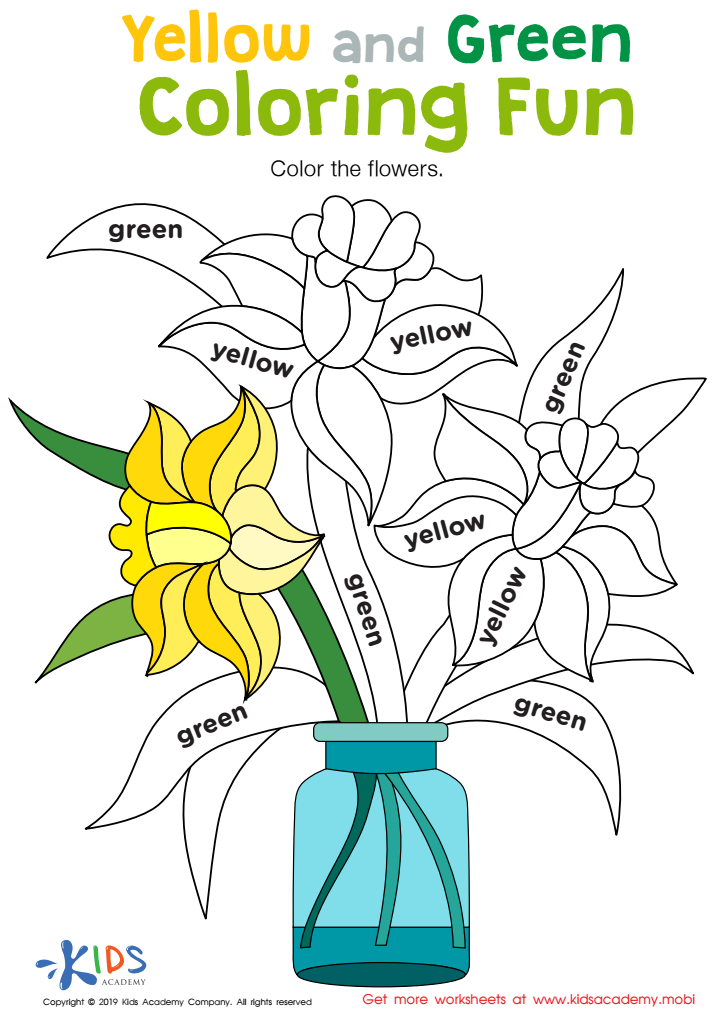
Yellow and Green Coloring Fun Worksheet
Sight words like "yellow" and "green" are easy to teach and fun for kids to learn. This free downloadable worksheet has kids read the color words and color the flower with yellow and green. A great activity for learning to read color words!
Download (PDF)
 Assign to My Students
Assign to My Students
Yellow and Green Coloring Fun Worksheet
Worksheet


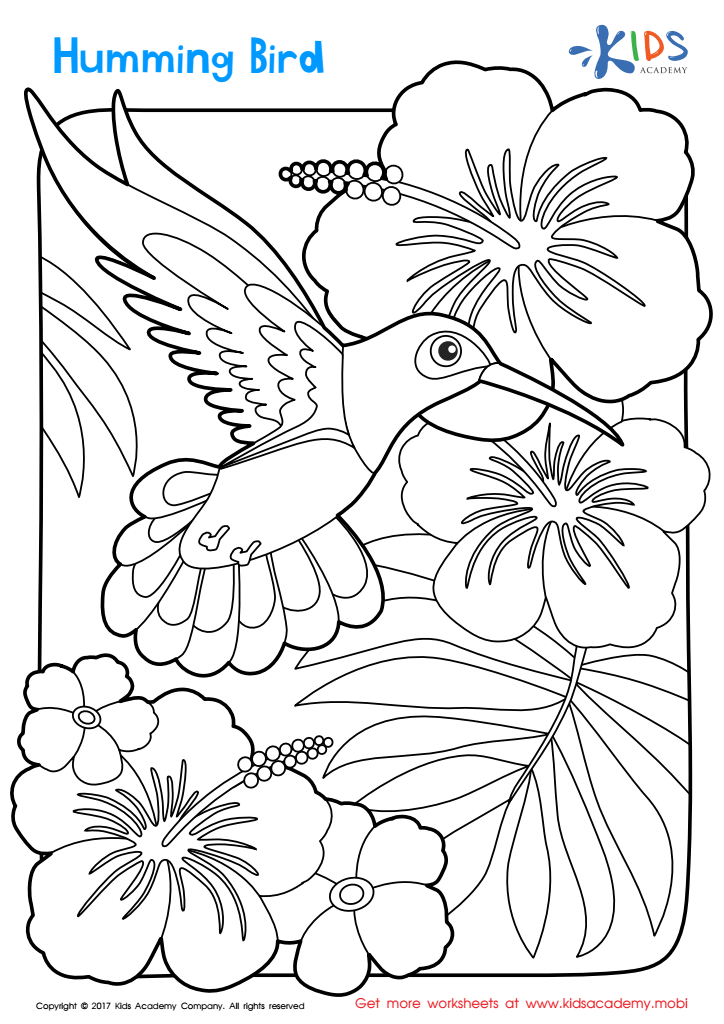
Humming Bird Worksheet
Encourage your child to explore nature with this lovely hummingbird coloring page! Use pictures to learn about the bird and extend the experience with a hummingbird feeder. See the beautiful creature in your own backyard!
Download (PDF)
Assign to My Students
Assign to My Students
Humming Bird Worksheet
Worksheet
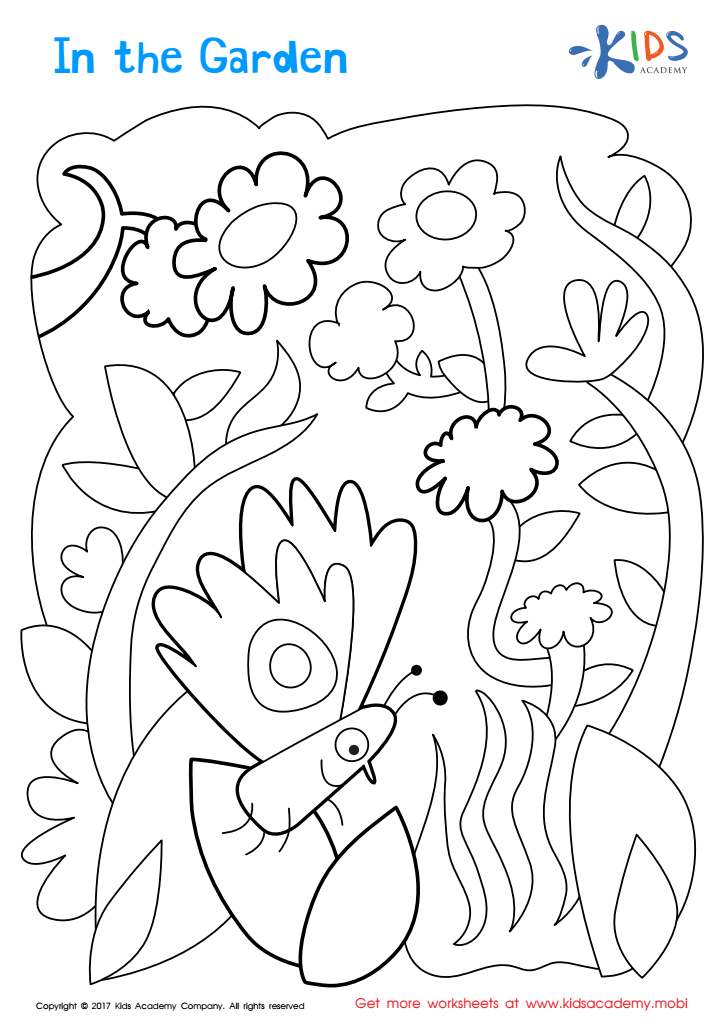
In The Garden Coloring Page
Explore nature with this fun coloring page! Take a walk out to the garden and observe the plants and animals. Help your kids learn and grow – connect the page to the natural wonders outside their window. In the Garden coloring page – make your kids smile!
Download (PDF)
Assign to My Students
Assign to My Students
In The Garden Coloring Page
Worksheet
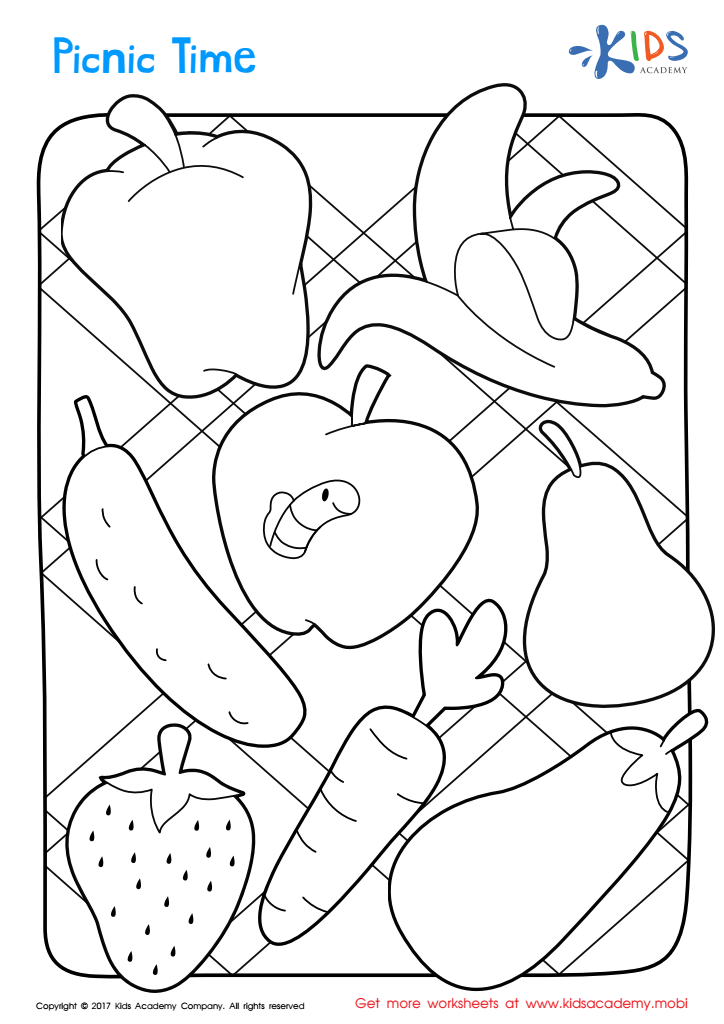
Picnic Time Coloring Page
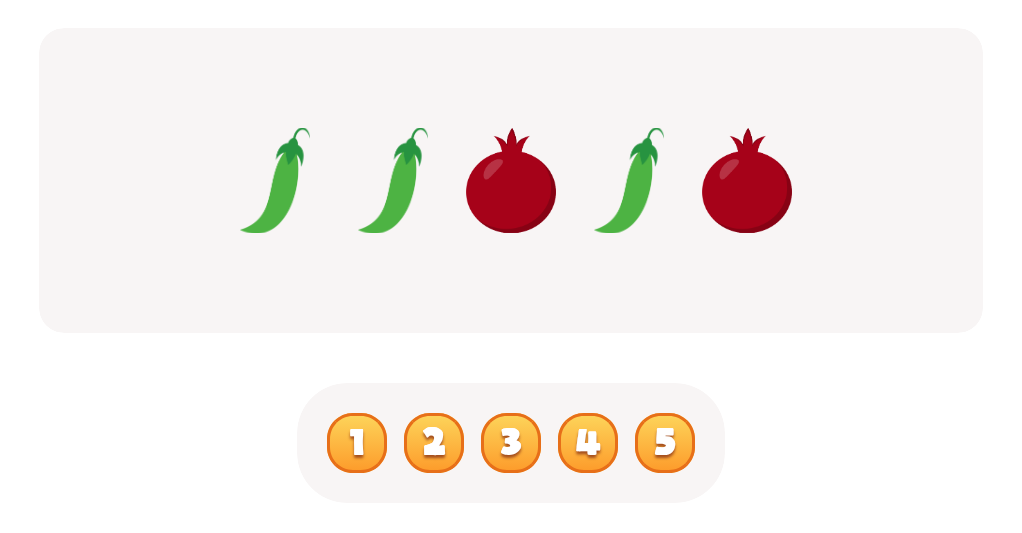
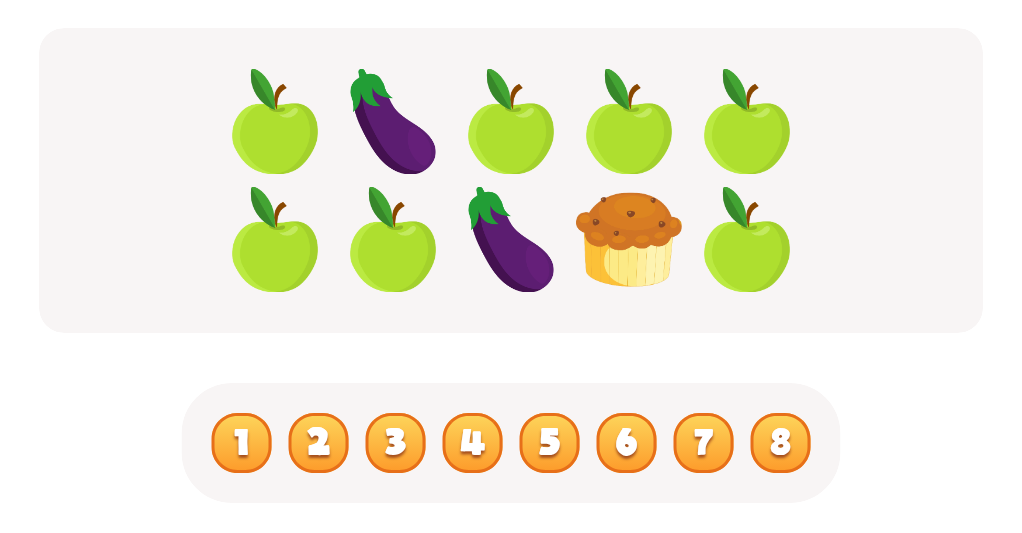
Bringing juicy fruits and veggies to a picnic is ideal. With this Picnic Time coloring page, kids can get excited for a tasty outdoor meal. Discuss the different fruits and veggies while coloring for a fun and healthy activity!
Download (PDF)
Assign to My Students
Assign to My Students
Picnic Time Coloring Page
Worksheet
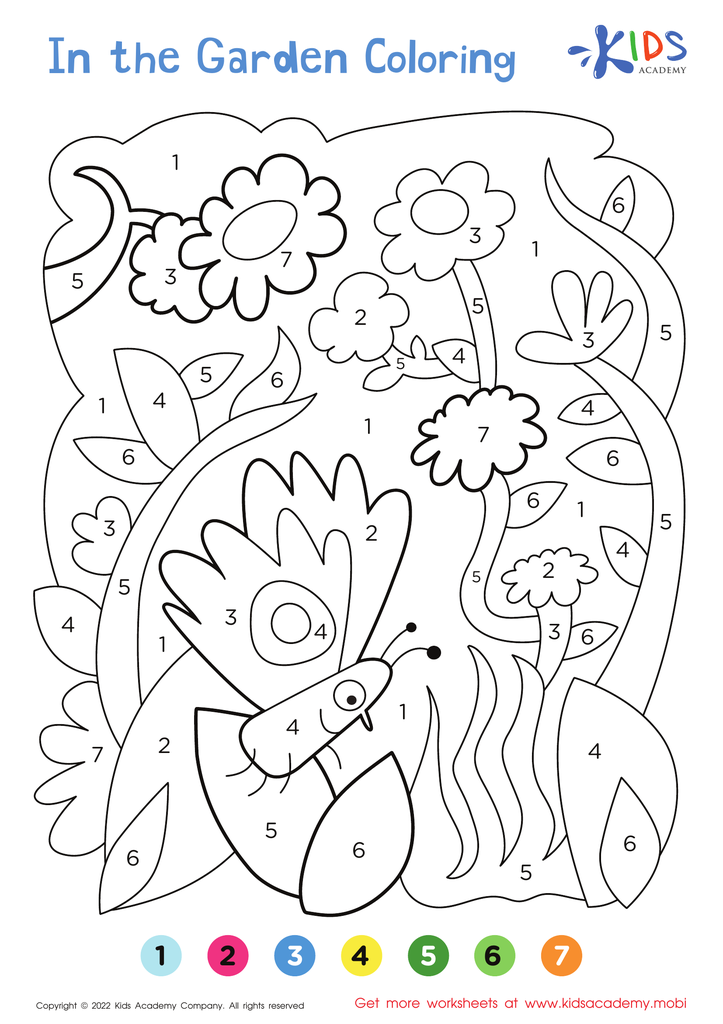
In the Garden – Coloring by Numbers
Download a free PDF page with a beautiful garden scene, perfect for coloring by numbers. Enjoy hours of creative fun and relaxation with this vibrant page.
In the Garden – Coloring by Numbers
Worksheet
Join Kids Academy for Free
Who is primarily going to use this learning content?







Parents and teachers should care about color recognition plants for children aged 7-8 because this engaging and interactive learning method fosters multiple areas of development. Firstly, recognizing and categorizing colors in plants helps solidify a child's understanding of basic color concepts, which are foundational skills in early education. This practice not only enhances their visual discrimination abilities but also lays the groundwork for more complex subjects like art, science, and mathematics.
Engaging with color recognition plants can stimulate curiosity and encourage outdoor exploration, making learning both fun and tangible. This hands-on interaction with nature enhances observational skills and critical thinking. Children learn to notice differences and similarities, and can begin understanding more abstract concepts such as patterns and categorization.
Additionally, such activities present opportunities for vocabulary expansion—terms like shades, hues, and specific plant names become part of their learning environment. This enriched vocabulary can improve language skills and reading comprehension.
Furthermore, working with plants can introduce children to basic botanical knowledge, fostering an appreciation for nature and environmental stewardship. By integrating these activities into their routine, parents and teachers can cultivate a well-rounded, curious, and knowledgeable child who possesses a greater awareness and appreciation of the world around them.