Basic geometry knowledge Worksheets for Ages 7-8
3 filtered results
-
From - To
Boost your child's understanding of geometry with our engaging worksheets designed specifically for ages 7-8. These basic geometry knowledge sheets introduce essential concepts such as shapes, angles, and measurements through fun and interactive activities. Your child will explore 2D and 3D shapes, learning to identify, classify, and understand their properties. Each worksheet encourages hands-on practice, promoting critical thinking and problem-solving skills. Additionally, our colorful illustrations and easy-to-follow instructions make learning enjoyable and accessible. Perfect for reinforcing classroom lessons or homeschooling, these worksheets are an excellent resource to build a solid foundation in geometry. Start their geometric journey today!
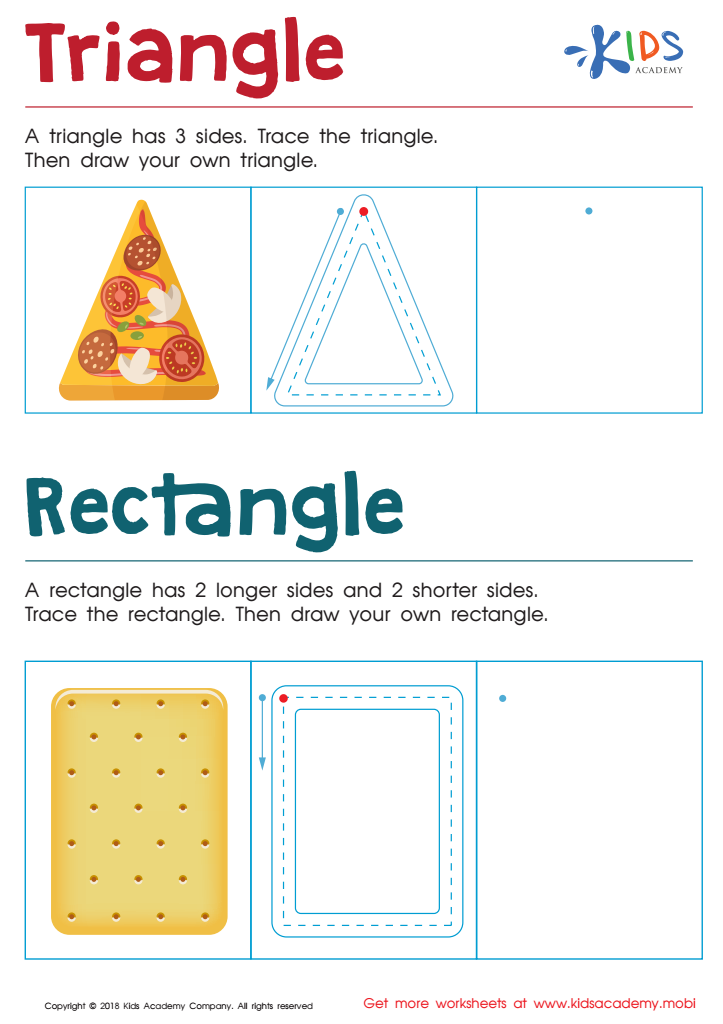
Triangle Rectangle Worksheet
 Assign to My Students
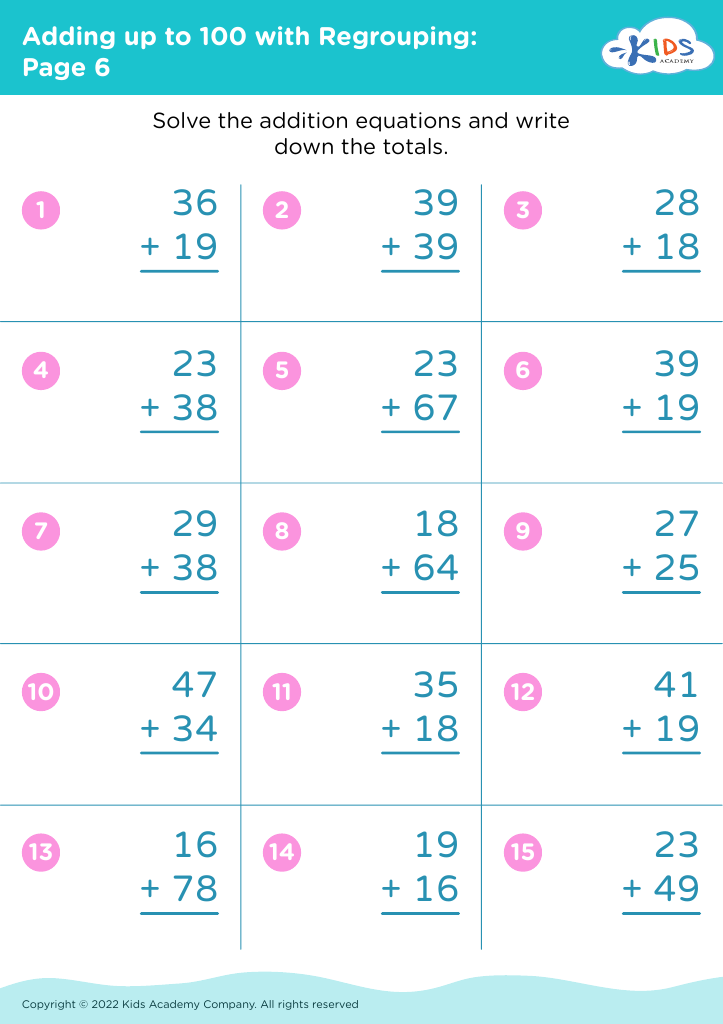
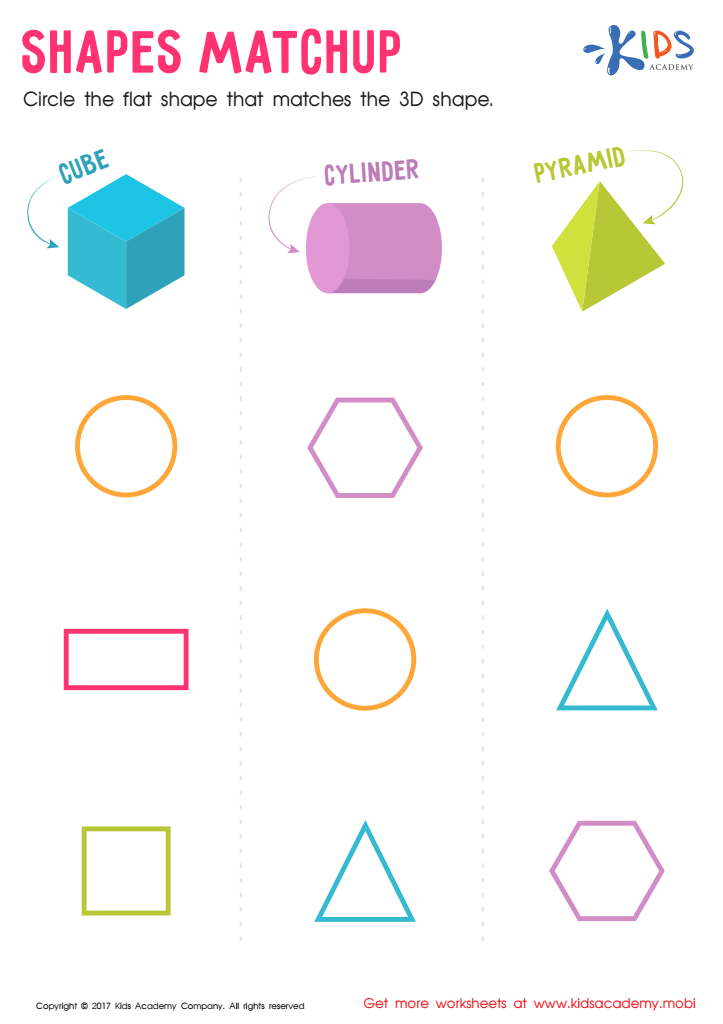
Shapes Matchup Worksheet




.jpg)
Basic geometry knowledge for children aged 7-8 is crucial for several reasons, making it an essential focus for both parents and educators. At this age, children are developing critical thinking and problem-solving skills, and geometry provides an excellent foundation for these abilities. Understanding shapes, spatial relationships, and measurement not only enhances mathematical skills but also cultivates logical reasoning and analytical thinking.
Moreover, geometry is a practical subject embedded in everyday life. From recognizing shapes in their environment to understanding concepts like area and perimeter in real-world applications, early geometry knowledge equips children with the skills needed for future learning and daily interactions. For instance, when kids build with blocks or draw shapes, they are practicing geometric concepts while simultaneously promoting creativity and spatial awareness.
Furthermore, fostering a positive attitude towards mathematics during these formative years can lead to greater confidence in future math endeavors. Parents and teachers can create engaging and interactive learning experiences that make geometry fun, helping to instill a love for math. Overall, supporting basic geometry knowledge in young learners lays the groundwork for academic success and equips them with essential life skills that are valuable beyond the classroom.








