Color recognition Worksheets for Ages 7-8 - Page 3
88 filtered results
-
From - To

Wild West Coloring Page Printable
 Assign to My Students

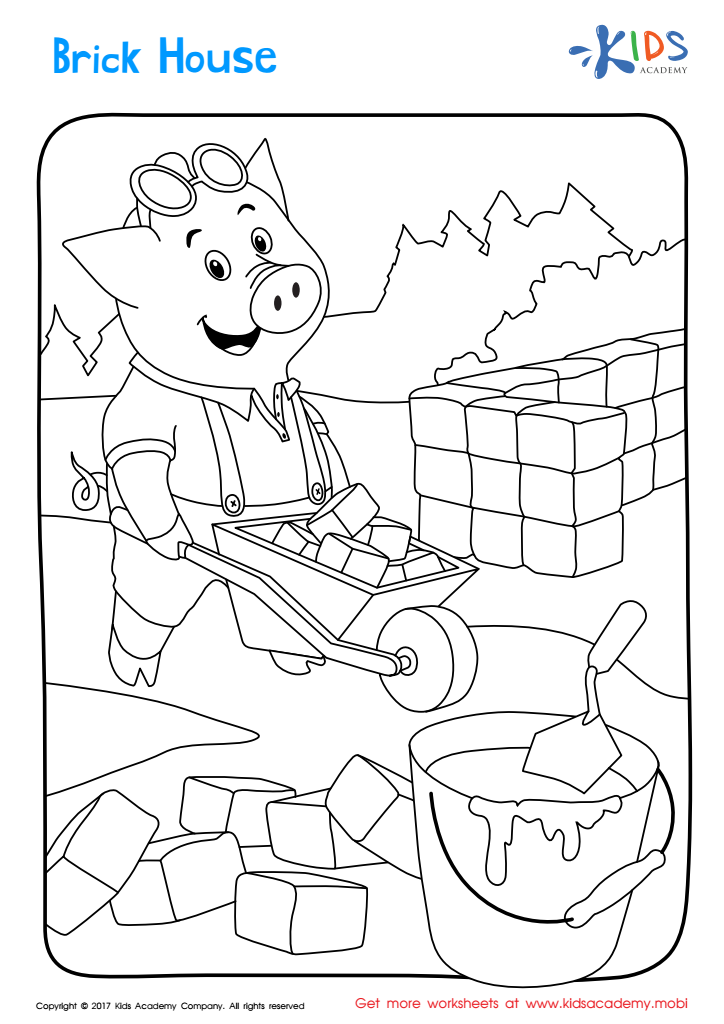
Brick House Printable Coloring Page
Assign to My Students

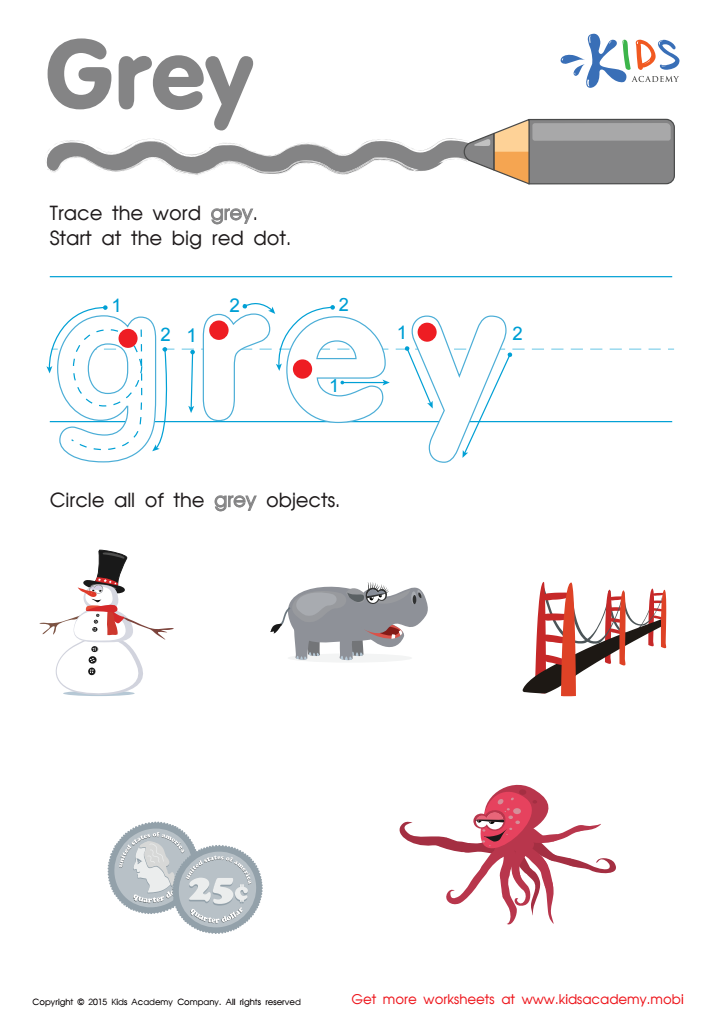
Grey Tracing Color Words Worksheet

Japan Printable
Assign to My Students
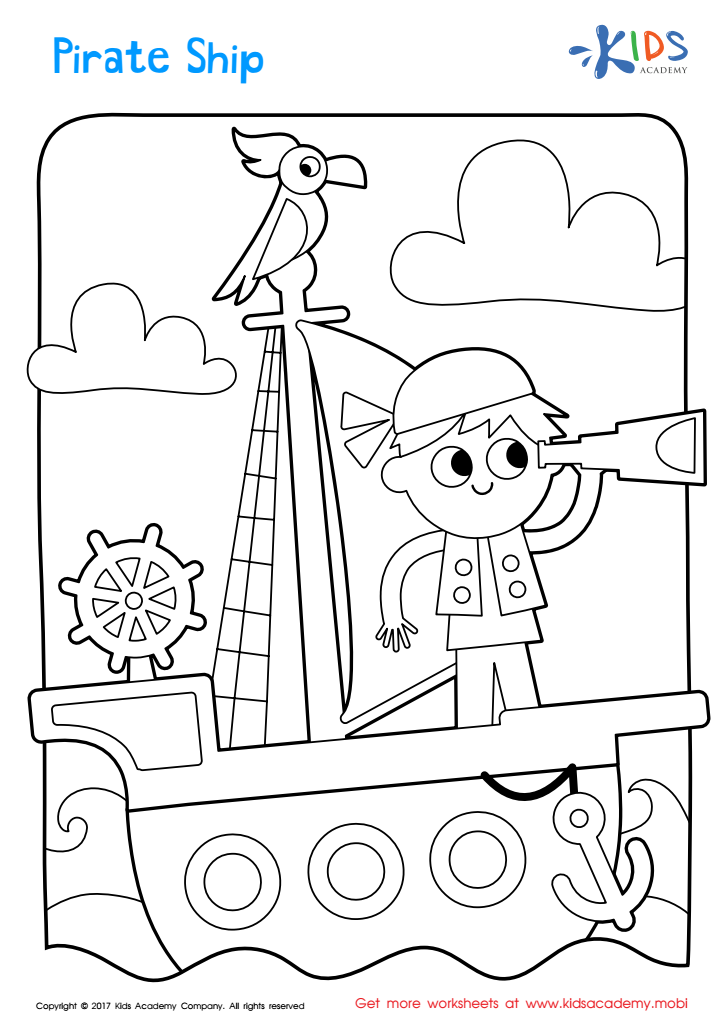
Pirate Ship Coloring Page
Assign to My Students
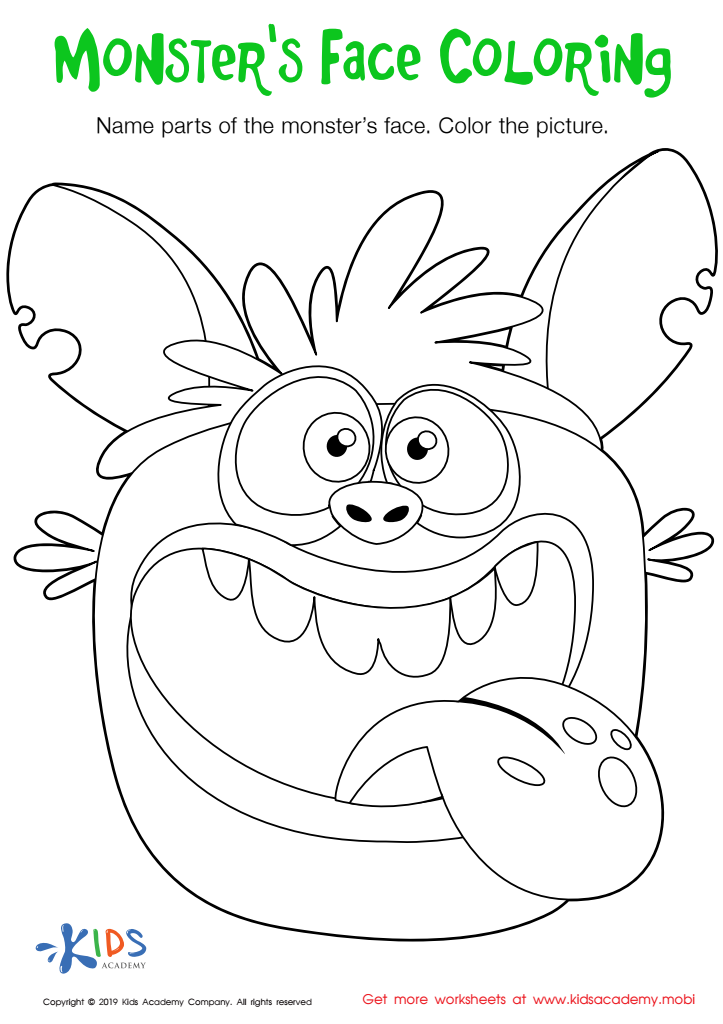
Monster's Face Coloring Worksheet
Assign to My Students

White Tracing Color Words Worksheet

Green Tracing Color Words Worksheet
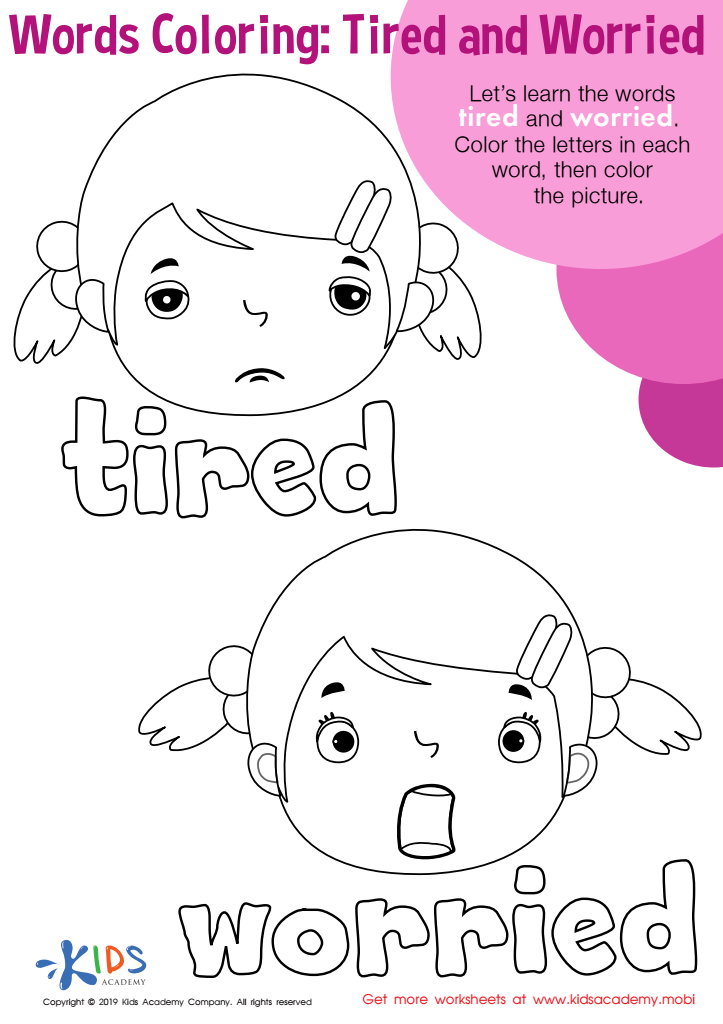
Tired and Worried Words Coloring Worksheet
Assign to My Students
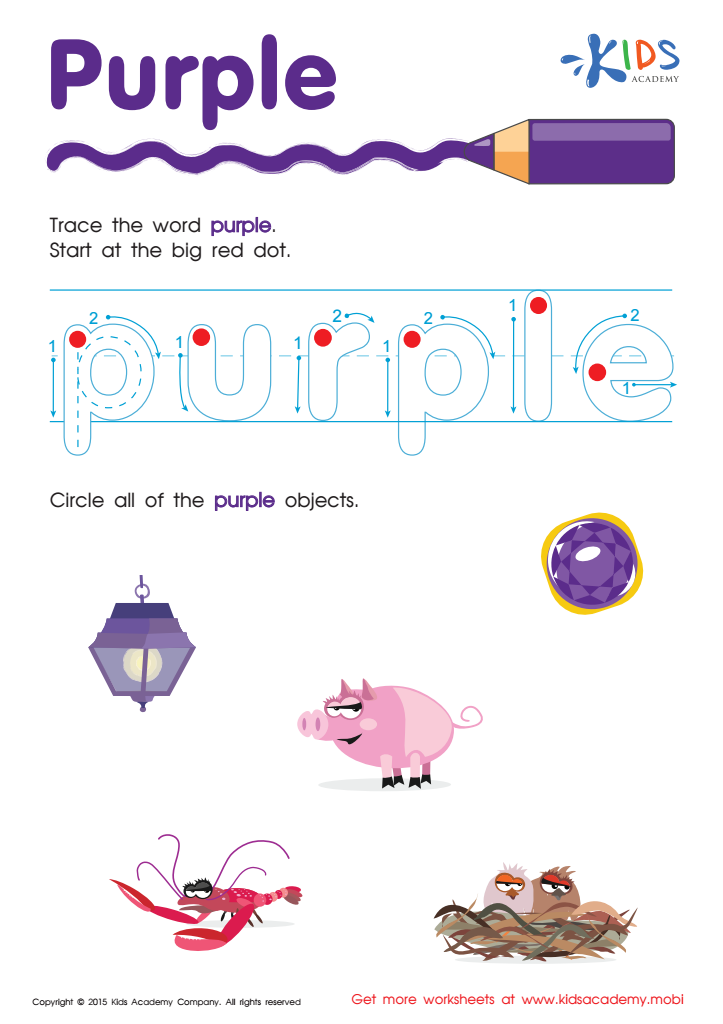
Purple Tracing Color Words Worksheet
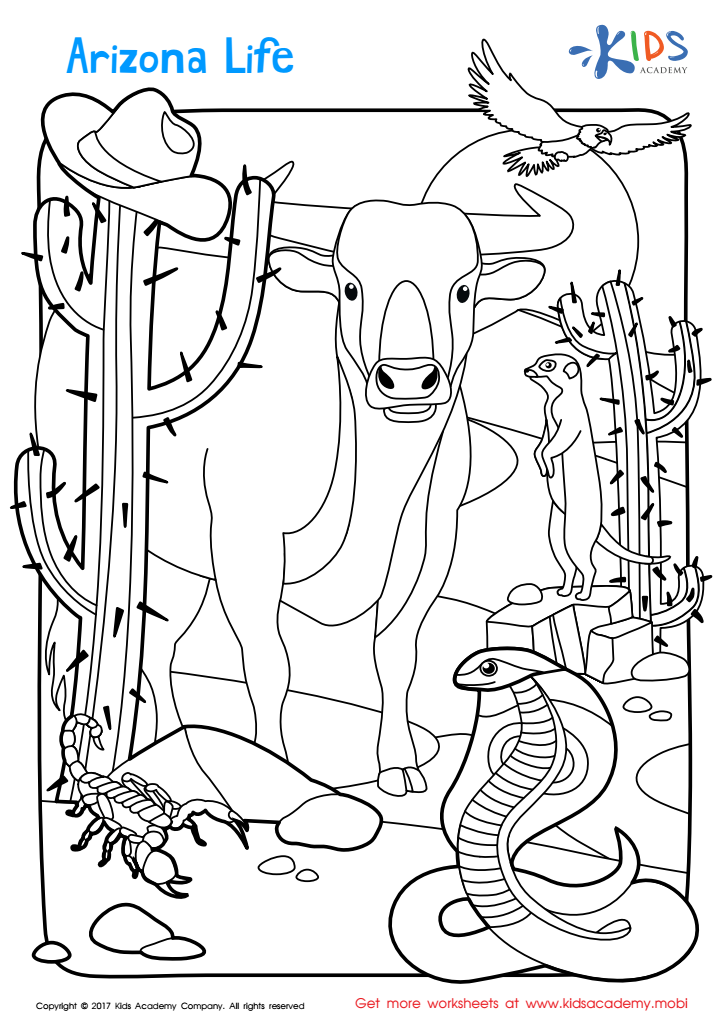
Arizona Coloring Page Worksheet
Assign to My Students
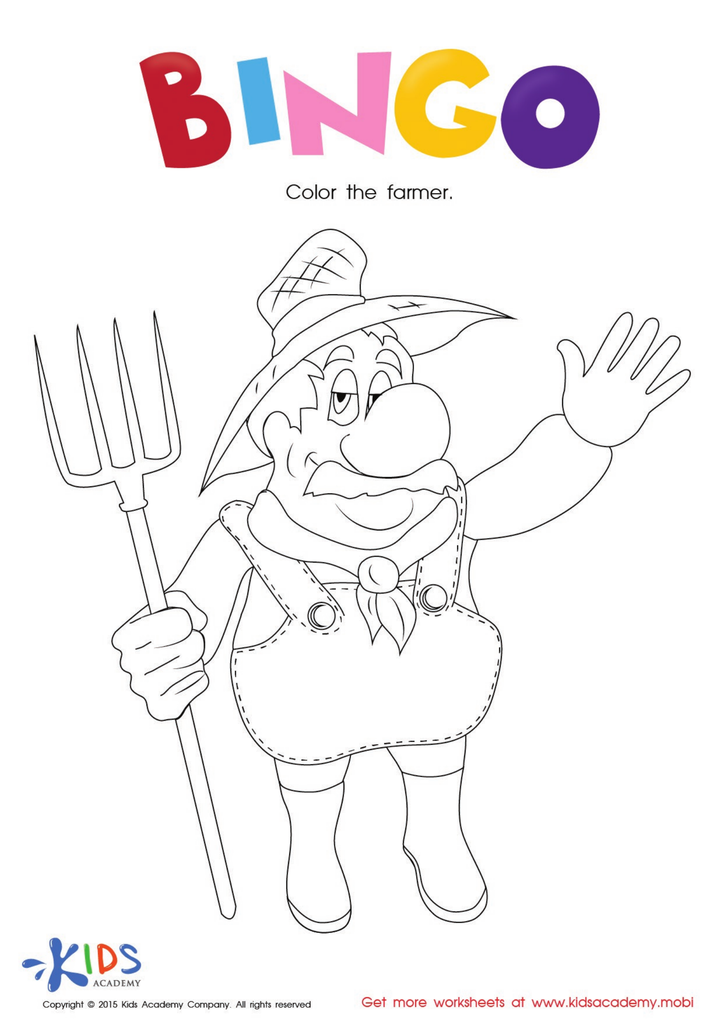
The Bingo Song: Coloring The Farmer Worksheet

Tennis Player Maze Worksheet
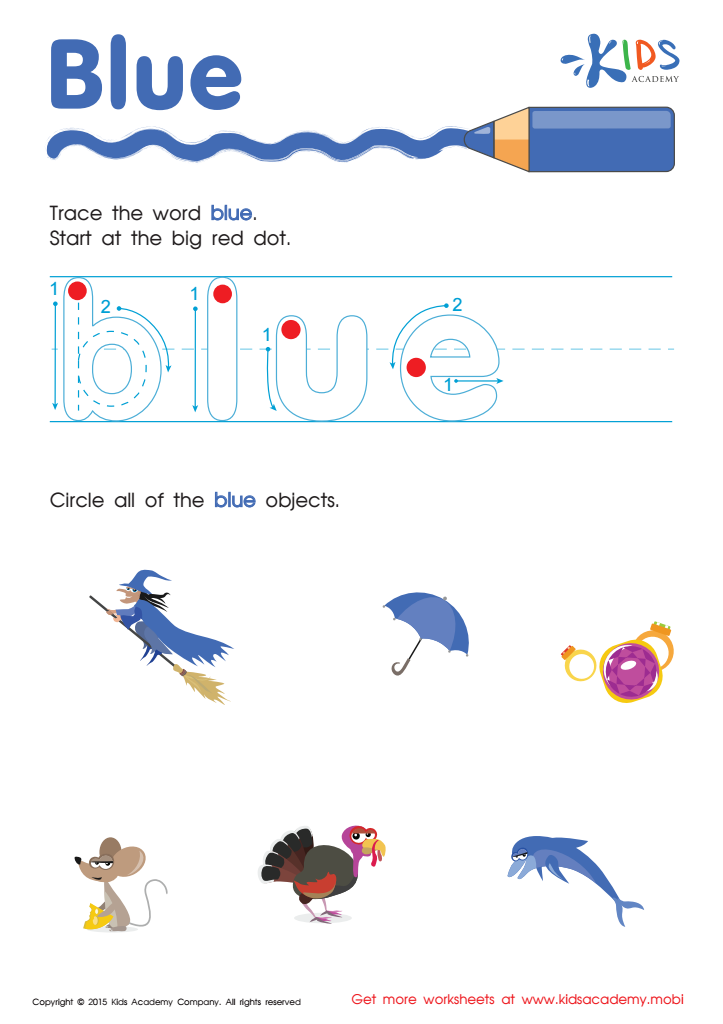
Blue Tracing Color Words Printable

Christmas: Snowman Printable
Assign to My Students
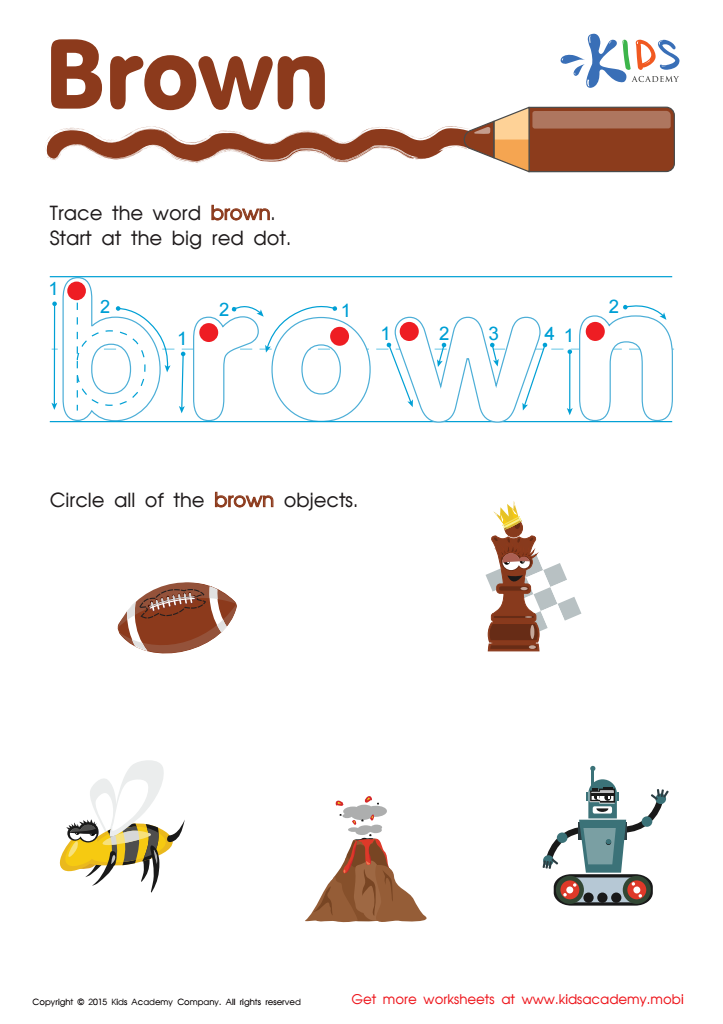
Brown Tracing Color Words Worksheet
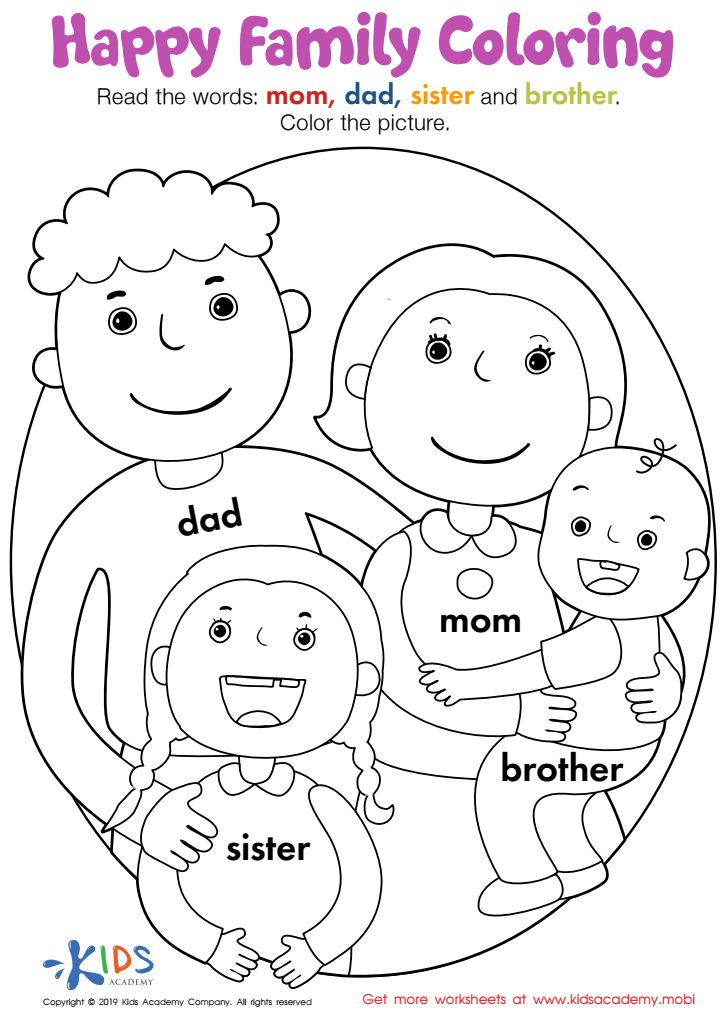
Happy Family Coloring Worksheet
Assign to My Students

Three Little Piggies Printable Coloring Page
Assign to My Students
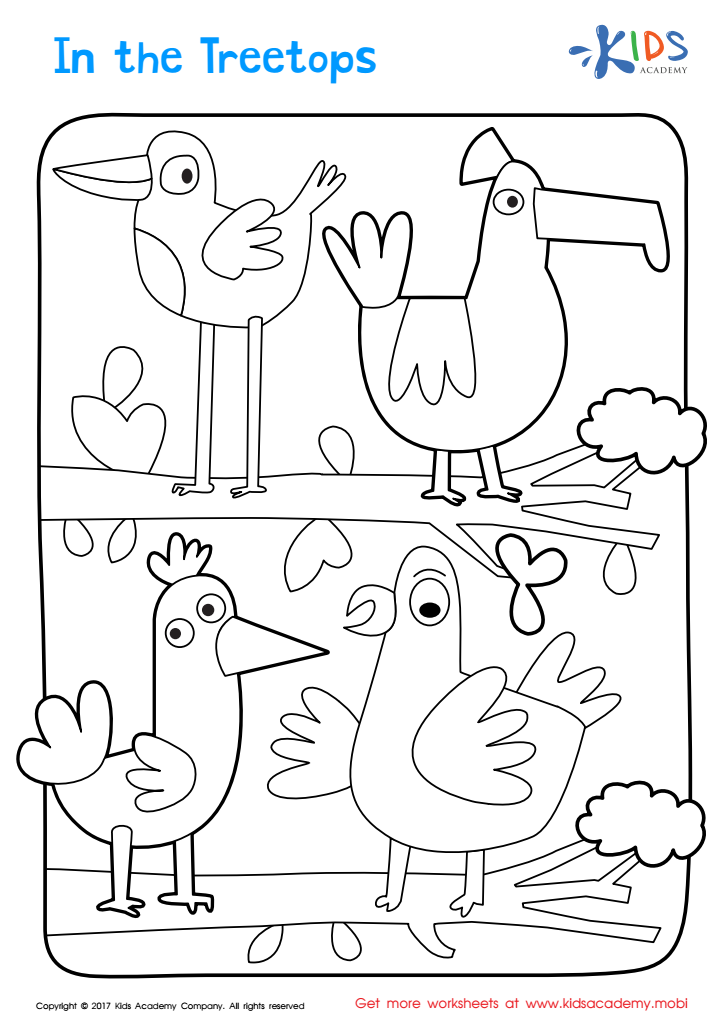
In the Treetops Coloring Page
Assign to My Students
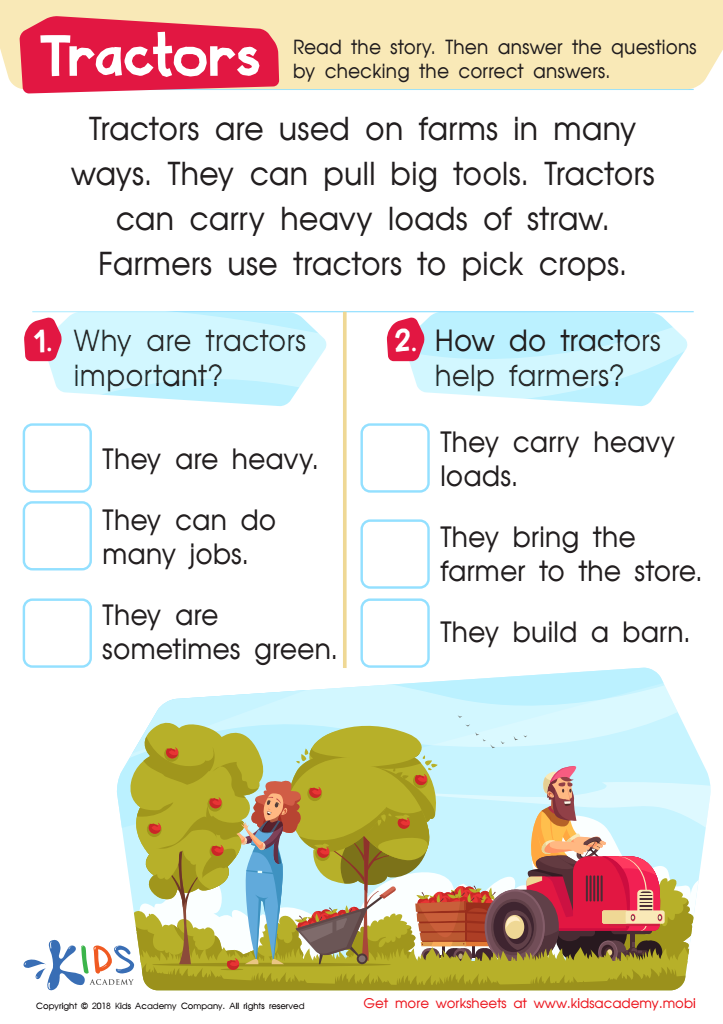
Tractors Worksheet
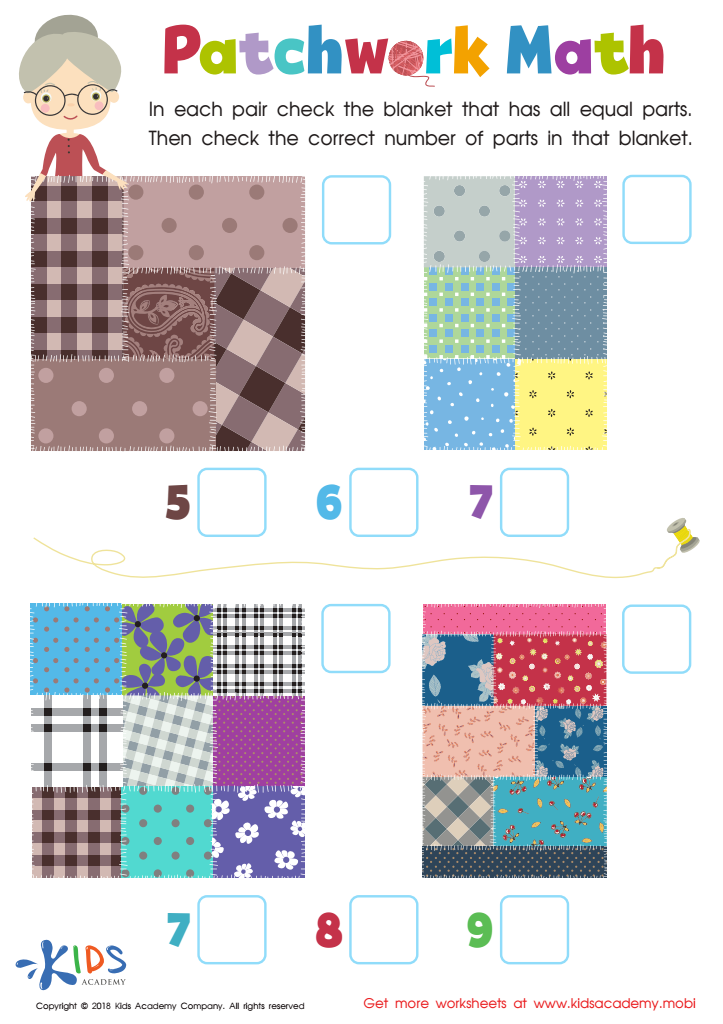
Patchwork Math Worksheet
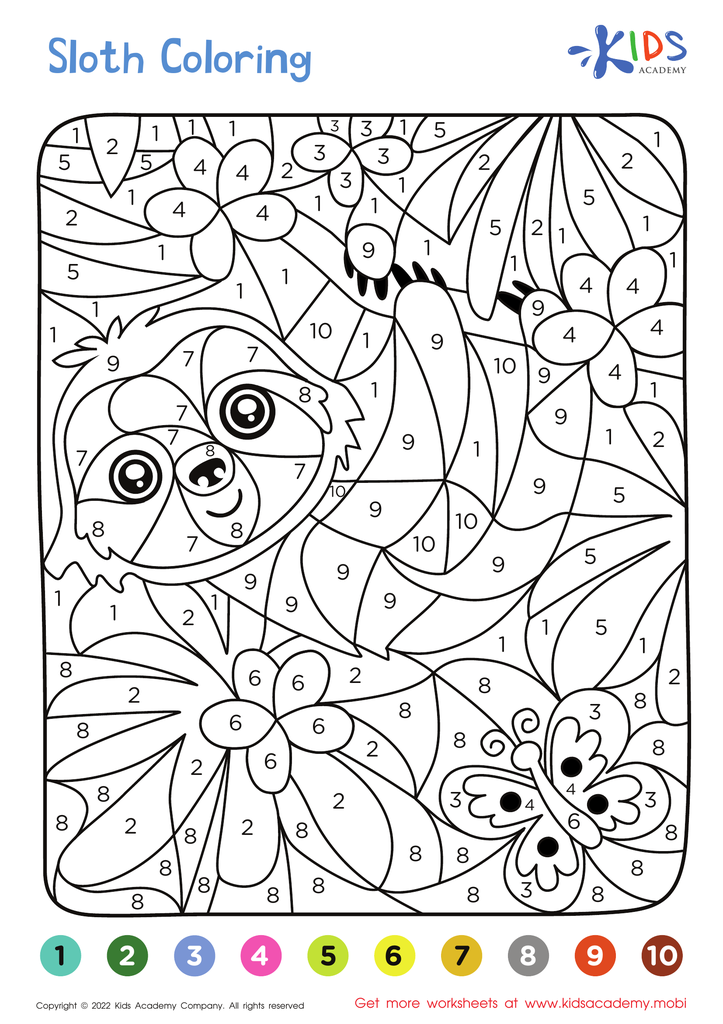
Sloth – Coloring by Numbers




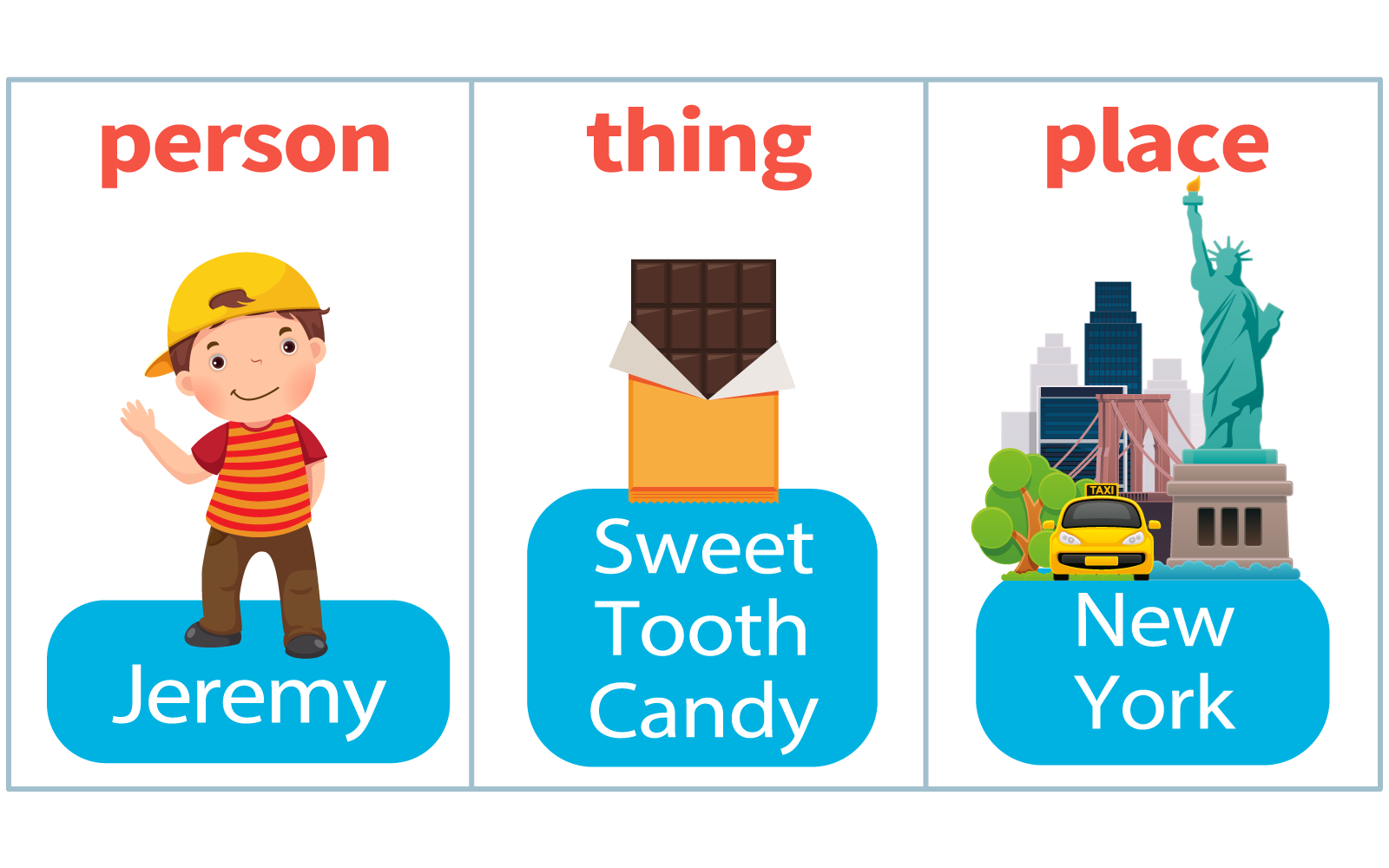



Color recognition at ages 7-8 is crucial for multiple developmental reasons, making it essential for parents and teachers to focus on this skill. Firstly, understanding and identifying colors boosts cognitive development. It enhances children’s memory by providing a visual cue that they can associate with objects, patterns, and activities, making learning more intertwined and vivid. Secondly, color recognition is fundamental to developing critical thinking and problem-solving skills. By discerning differences and similarities in colors, children can categorize, sort, and interpret visual information more effectively.
Additionally, mastering colors can significantly enhance a child's language development. Describing colors involves using various adjectives, which expands a child's vocabulary and enforces language skills simultaneously. Incorporating colors into learning activities keeps children engaged, and promotes creativity and artistic expression, crucial for emotional and social development.
Furthermore, color recognition plays an important role in day-to-day functions like reading and understanding traffic lights, maps, and charts, promoting overall safety and independence. Addressing potential issues like color blindness early on can also lead to timely interventions, ensuring no child is left at a disadvantage. Therefore, emphasis on color recognition supports a child's holistic development, making it a vital area of focus for parents and educators alike.








