
Comparison Skills Worksheets for Ages 7-8
8 filtered results
Difficulty Level
Grade
Age
-
From - To
Subject
Activity
Standards
Explore our engaging Comparison Skills Worksheets designed for children ages 7-8! These printables are perfect for enhancing analytical thinking by encouraging students to identify similarities and differences between various items, concepts, and scenarios. Tailored to meet educational standards, our worksheets provide fun, age-appropriate exercises that foster critical thinking and promote decision-making skills. Help your child develop important comparison abilities that are essential for learning across subjects. With vibrant designs and captivating activities, our worksheets make learning a delightful experience. Download today and watch your young scholar improve their comparison skills in no time! Ideal for home or classroom use!
Favorites
With answer key
Interactive
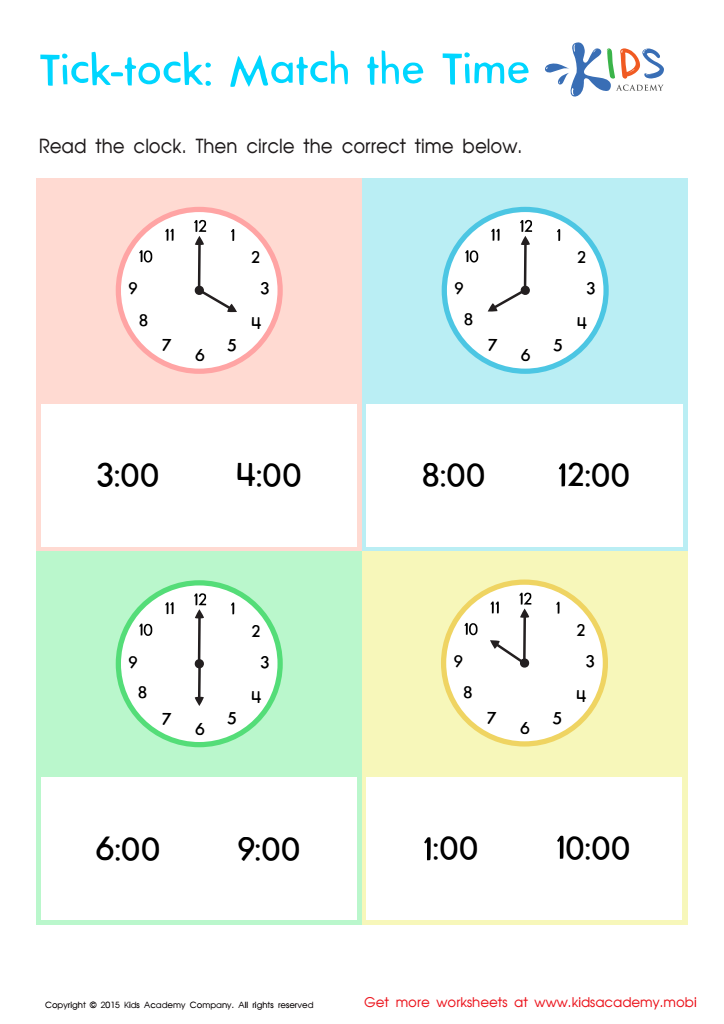
Telling The Time Worksheet: Part 4
Test your skills in telling the time! Circle the right time on 4 analog clock faces.
 Assign to My Students
Telling The Time Worksheet: Part 4
Worksheet
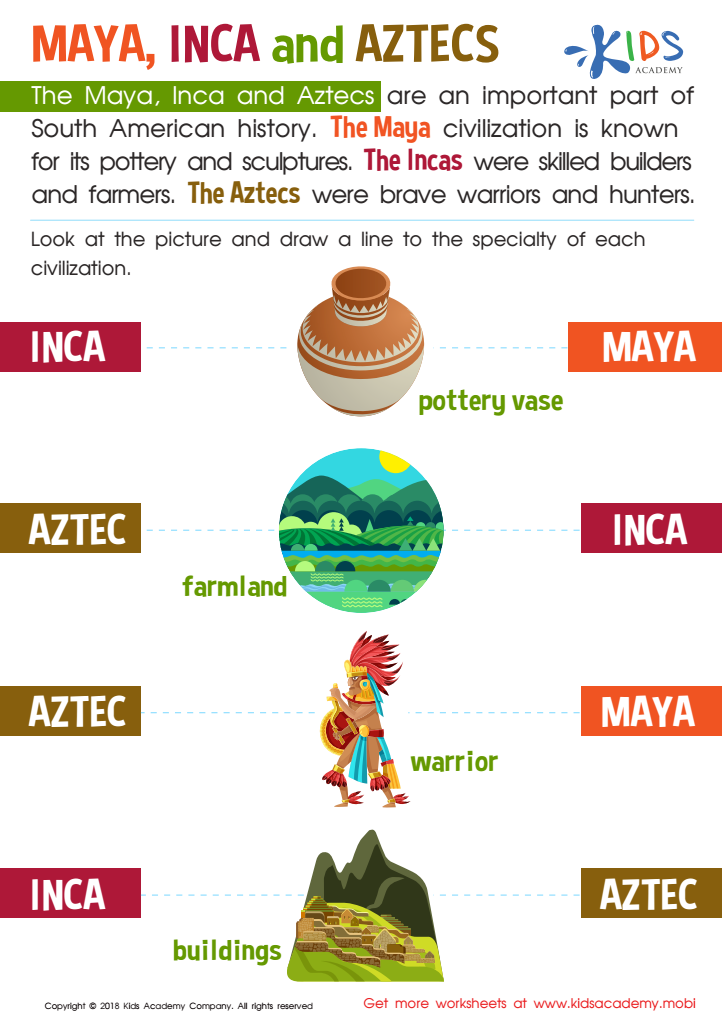
Maya, Inca and Aztecs Worksheet
This worksheet introduces your child to the thrilling histories of the Mayan, Incan and Aztec cultures, teaching them about their warriors, sculptors and farmers. With traceable lines and colorful imagery, they'll connect each culture with its correct associated picture - great for cementing concepts!
Maya, Inca and Aztecs Worksheet
Worksheet
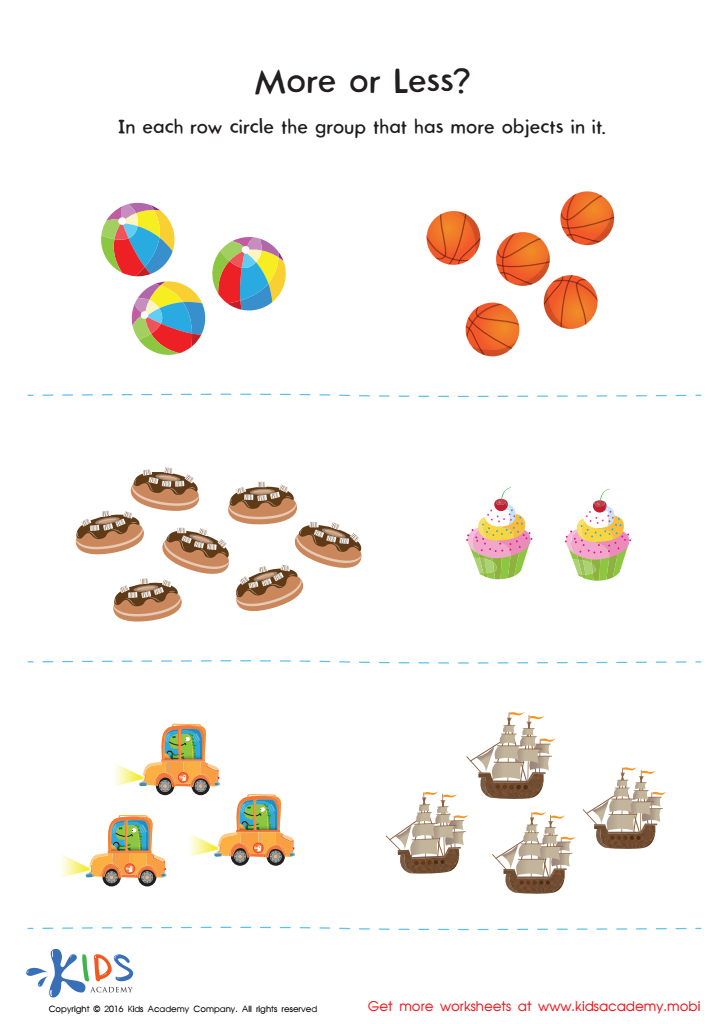
More or Less Size Worksheet
Worksheet
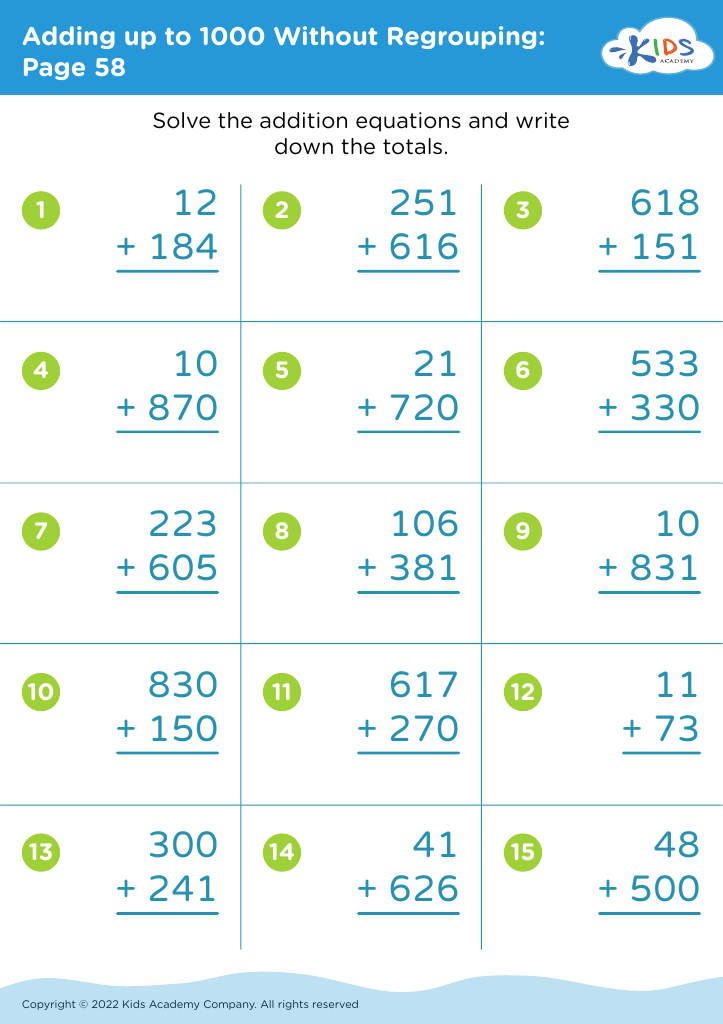
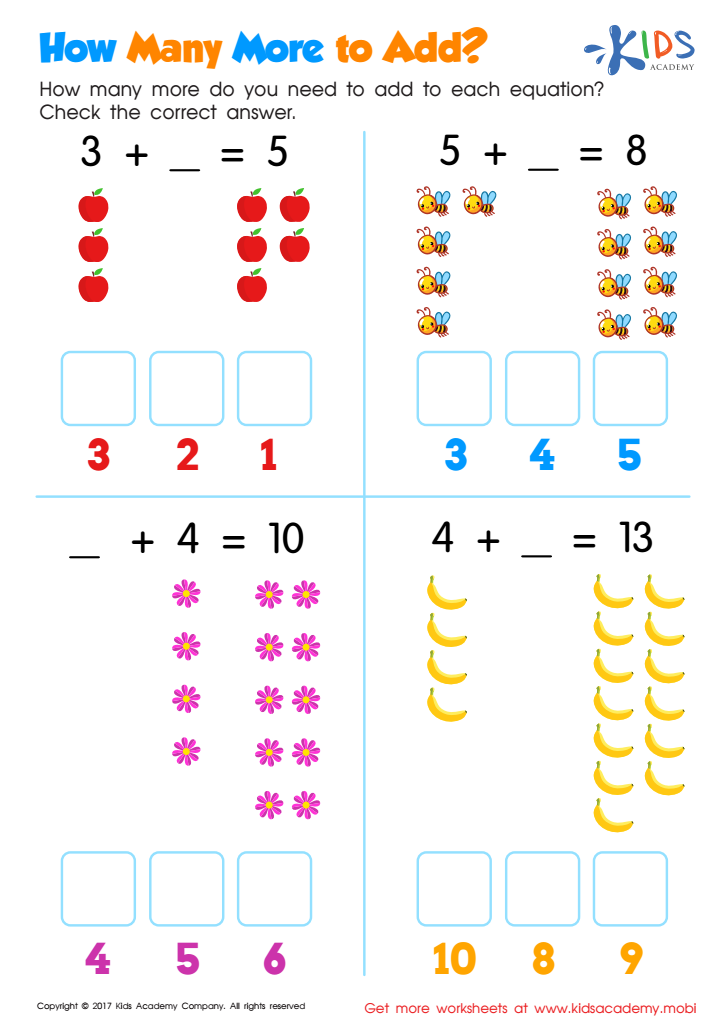
How Many More to Add Worksheet
Sharpen your child's math skills with this pdf worksheet. Help them figure out how many apples, bees, flowers and bananas are needed to reach the answer given. The possible answers are provided at the bottom of the boxes. Have some fun doing some addition and subtraction magic together and get those math skills sharpened!
How Many More to Add Worksheet
Worksheet
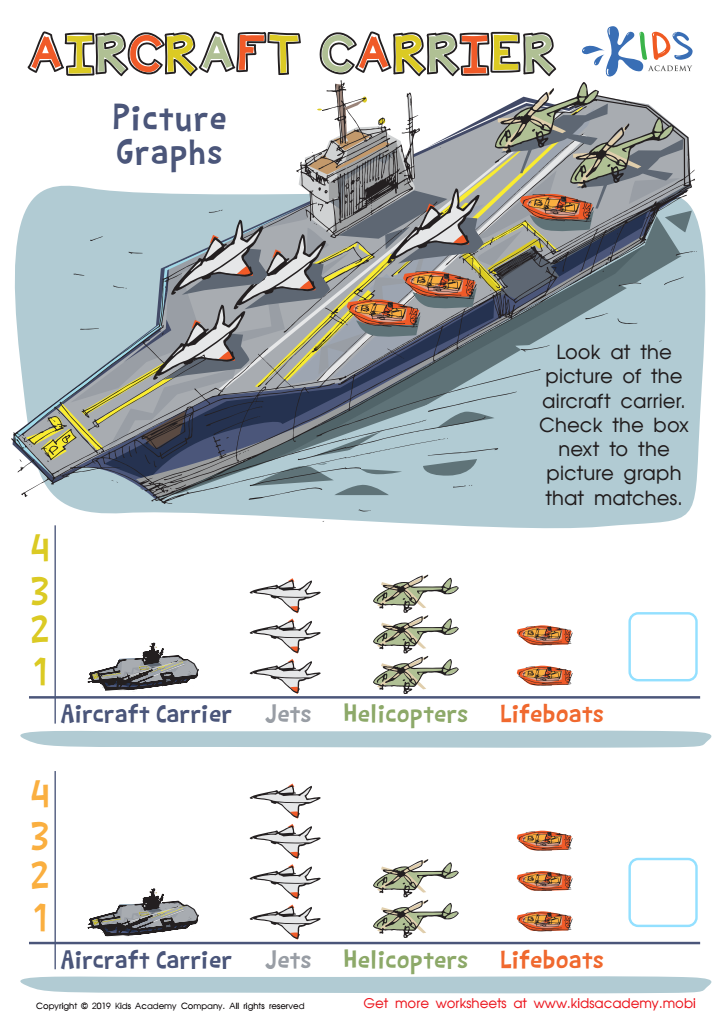
Aircraft Carrier Picture Graphs Worksheet
Kids love learning about jets and boats with this awesome worksheet! It's a great way to engage them as they work on picture graphs. Representing numerical values with pictures, this free PDF requires them to choose which picture graph and representation best match the carrier in the picture. It's also great practice for visual discrimination!
Aircraft Carrier Picture Graphs Worksheet
Worksheet
Join Kids Academy for Free
Who is primarily going to use this learning content?



.jpg)




Parents and teachers should prioritize comparison skills for children aged 7-8 because these skills are foundational for critical thinking and problem-solving. At this developmental stage, children begin to understand and articulate similarities and differences, which helps them process information and make informed choices. Comparison skills enable children to analyze various concepts, fostering comprehension in subjects like math, science, and reading.
Additionally, these skills promote social and emotional development. As children compare their experiences with others, they learn empathy, cooperation, and respect for diverse perspectives. This understanding of diversity is vital for building inclusive environments both in and out of school.
Furthermore, honing comparison skills enhances students' ability to interpret data, understand scales, and draw conclusions, crucial in today’s data-driven world. Whether comparing characters in a story or evaluating different solutions to a math problem, these activities stimulate cognitive development and prepare children for more complex reasoning in later grades.
Ultimately, fostering strong comparison skills not only empowers children academically but also equips them with the tools to navigate a complex world, make thoughtful judgments, and foster meaningful relationships with others. Thus, investing time in developing these skills can lead to a well-rounded, successful future for children.








