
Fine motor skills (writing) Worksheets for Ages 7-8
10 filtered results
Difficulty Level
Grade
Age
-
From - To
Subject
Activity
Standards
Welcome to our collection of Fine Motor Skills (Writing) Worksheets for children ages 7-8! These engaging worksheets are designed to enhance your child's writing abilities while simultaneously developing their fine motor skills. Each activity is thoughtfully crafted to encourage proper grip, control, and precision in handwriting. Your child will enjoy tracing letters, completing fun exercises, and practicing writing both upper and lower case letters. These worksheets not only make learning enjoyable but also promote confidence in their writing skills. Ideal for home or classroom use, our resources are perfect for helping young learners thrive and succeed in their educational journey!
Favorites
With answer key
Interactive
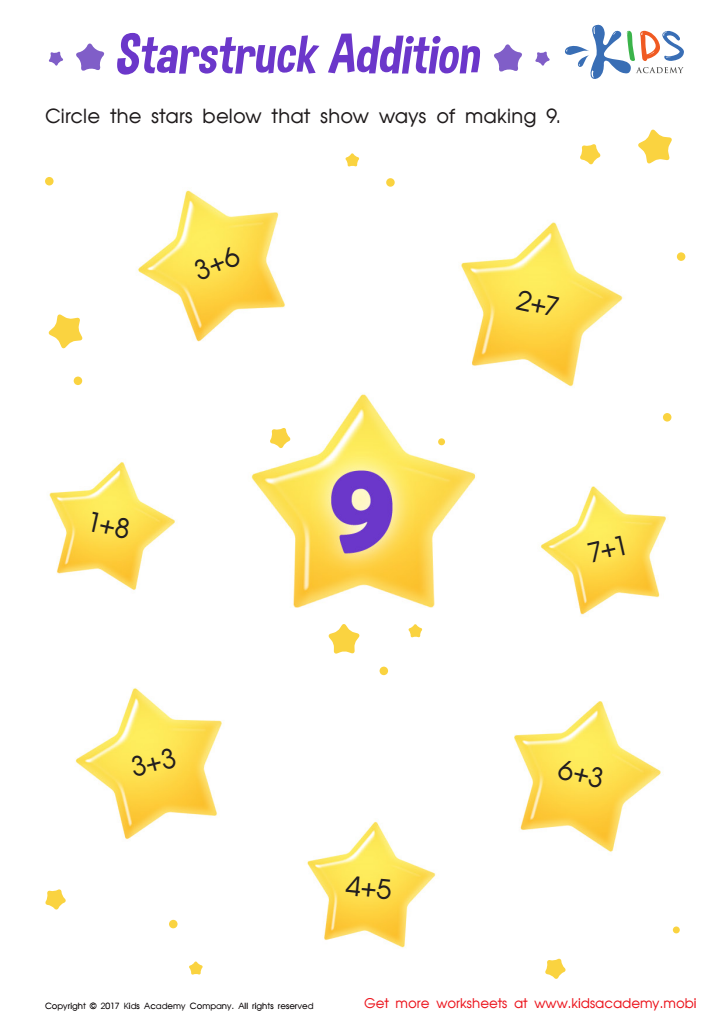
Starstruck Addition Printable
This interactive addition worksheet motivates your preschooler to practice addition and analyze number combinations. Their cognitive and analysis skills will be sharpened as they find the magic number in each problem.
 Assign to My Students
Starstruck Addition Printable
Worksheet
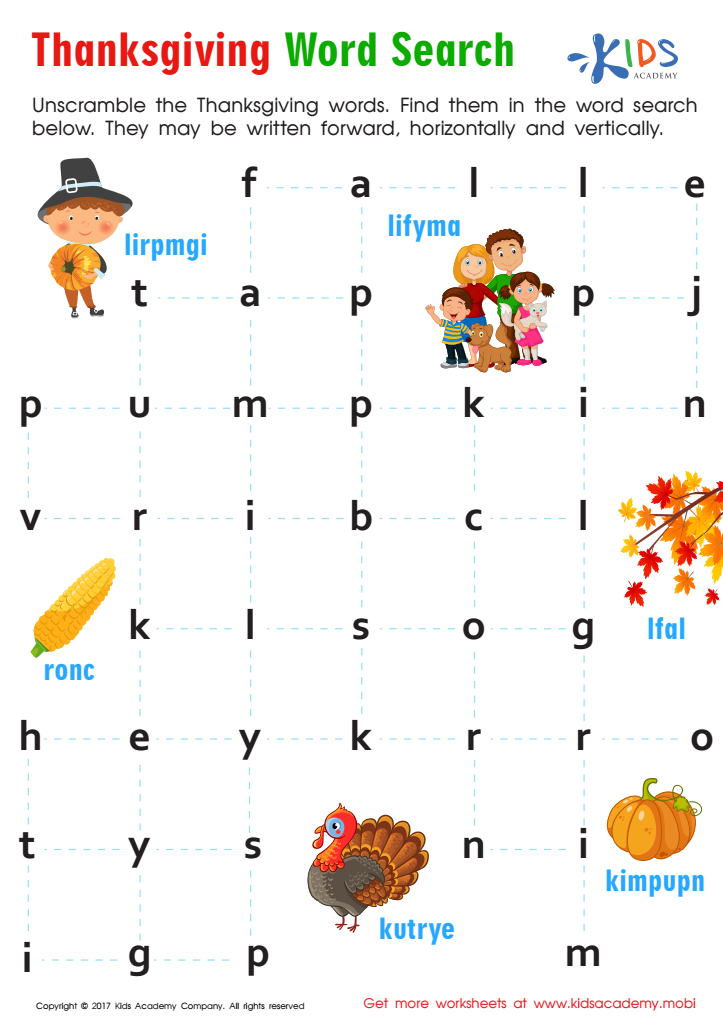
Thanksgiving Word Search Sight Words Worksheet
Unscramble letters to find Thanksgiving-themed sight words with this free worksheet! It's an exciting way to boost your child's reading skills. Download the PDF and enjoy!
Thanksgiving Word Search Sight Words Worksheet
Worksheet
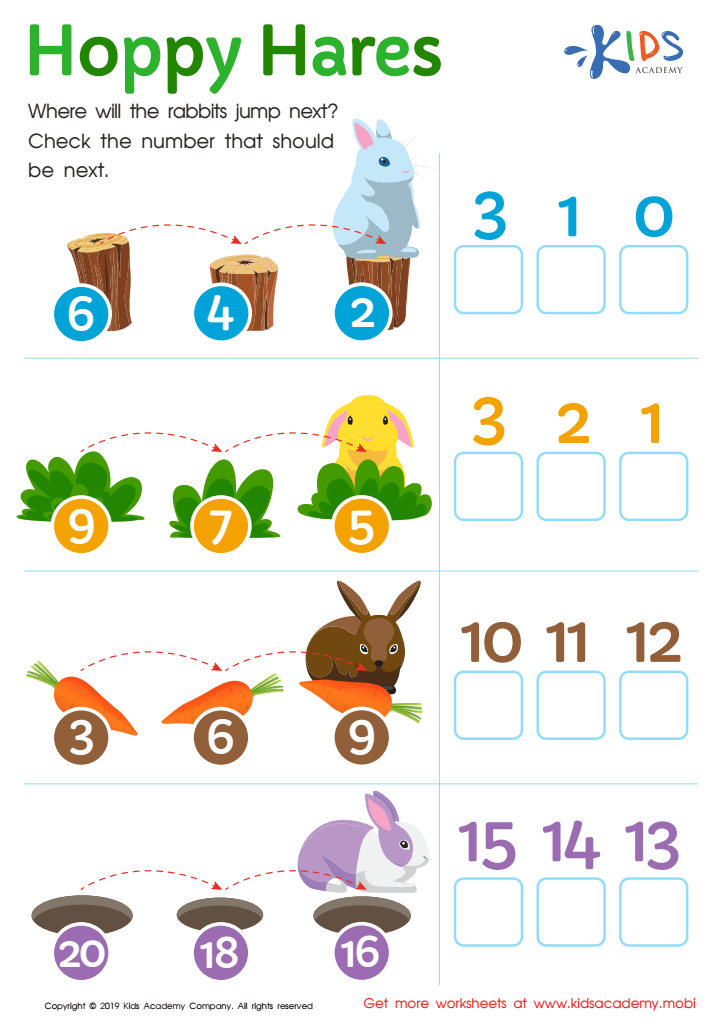
Hoppy Hares Worksheet
Ask your kids if they can identify the rabbits in the picture, then help them solve the math problems. The rabbits need to hop from place to place, so look at the numbers and help your kids figure out the next one. These cute and friendly little animals make great pets. Have fun solving this worksheet together!
Hoppy Hares Worksheet
Worksheet
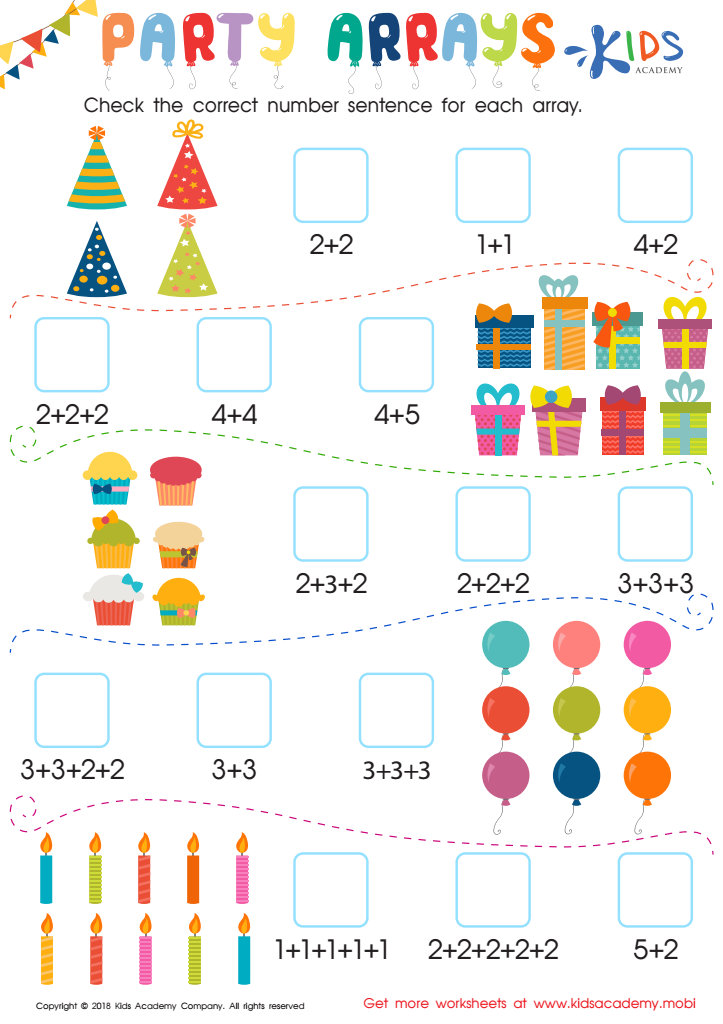
Party Arrays Worksheet
Help your child count the objects in each of the five arrays, then check the correct number sentence for each. This exercise will test their math skills and understanding of number sentences. Guide them to select the appropriate boxes.
Party Arrays Worksheet
Worksheet
Join Kids Academy for Free
Who is primarily going to use this learning content?






Fine motor skills, especially writing, are critically important for children aged 7-8. During this developmental stage, children are refining their hand-eye coordination and dexterity, which directly impacts their academic performance and daily activities. Proficient writing skills serve as a foundation for effective communication, allowing children to express their thoughts, ideas, and creativity.
Parents and teachers should care about fine motor skills because they not only affect writing but also influence various aspects of a child's life. Strong fine motor skills contribute to better performance in tasks such as drawing, coloring, and manipulating everyday objects, fostering independence and confidence. Moreover, children with well-developed fine motor skills often exhibit improved focus and concentration during learning activities.
Furthermore, these skills are linked to cognitive development. Writing requires children to engage their minds in critical thinking and problem-solving as they organize and articulate their ideas. By supporting the growth of fine motor skills, parents and teachers can help children build essential competencies necessary for academic success, social interactions, and personal growth. Ultimately, investing time in developing these skills ensures that children are well-equipped for future challenges, making it a priority for caregivers and educators alike.








