Graph interpretation Worksheets for Ages 7-8
5 filtered results
-
From - To
Our Graph Interpretation Worksheets for Ages 7-8 make learning fun and engaging! Designed to help young learners develop essential math skills, these worksheets cover bar graphs, pie charts, and more. Tailored for 2nd and 3rd-grade students, each activity encourages critical thinking and analysis through colorful visuals and simple instructions. By practicing with these worksheets, children enhance their ability to read, interpret, and draw conclusions from different types of graphs. Perfect for both classroom use and homeschooling, these printables foster a strong mathematical foundation in a playful and interactive way. Explore our collection and watch your child's confidence soar!
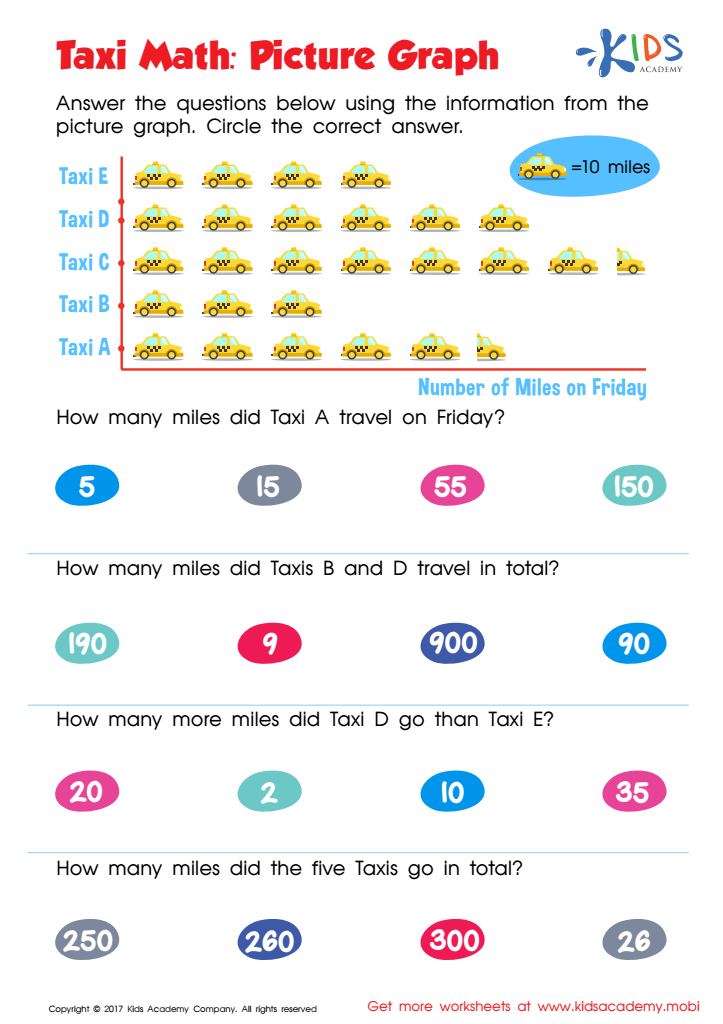
Taxi Math Worksheet
 Assign to My Students
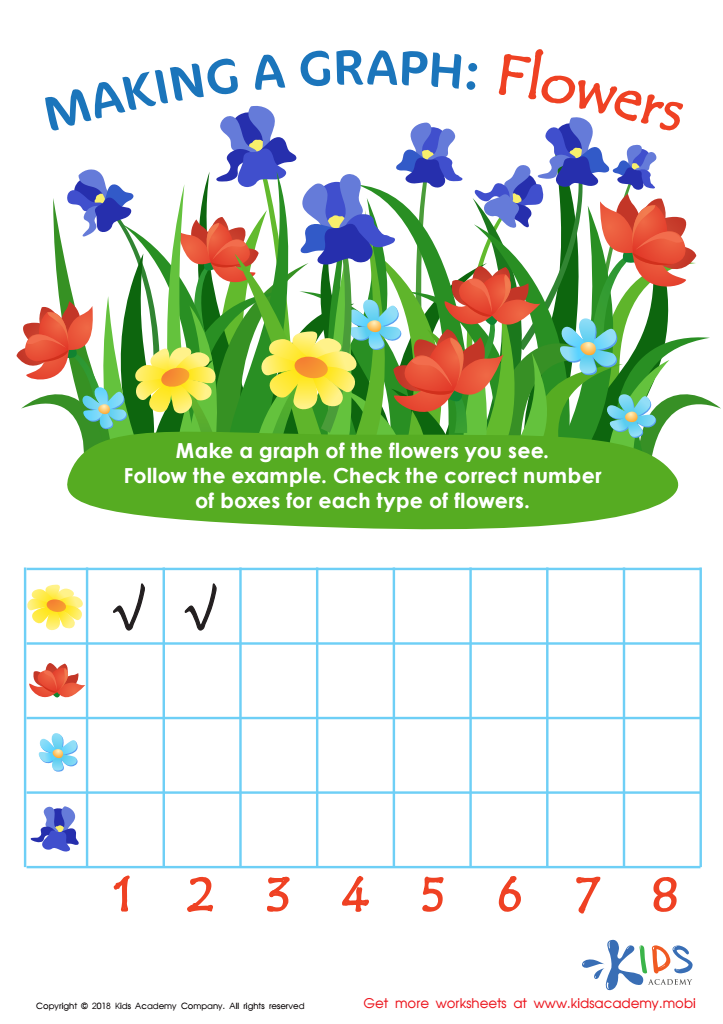
Making a Graph: Flowers Worksheet
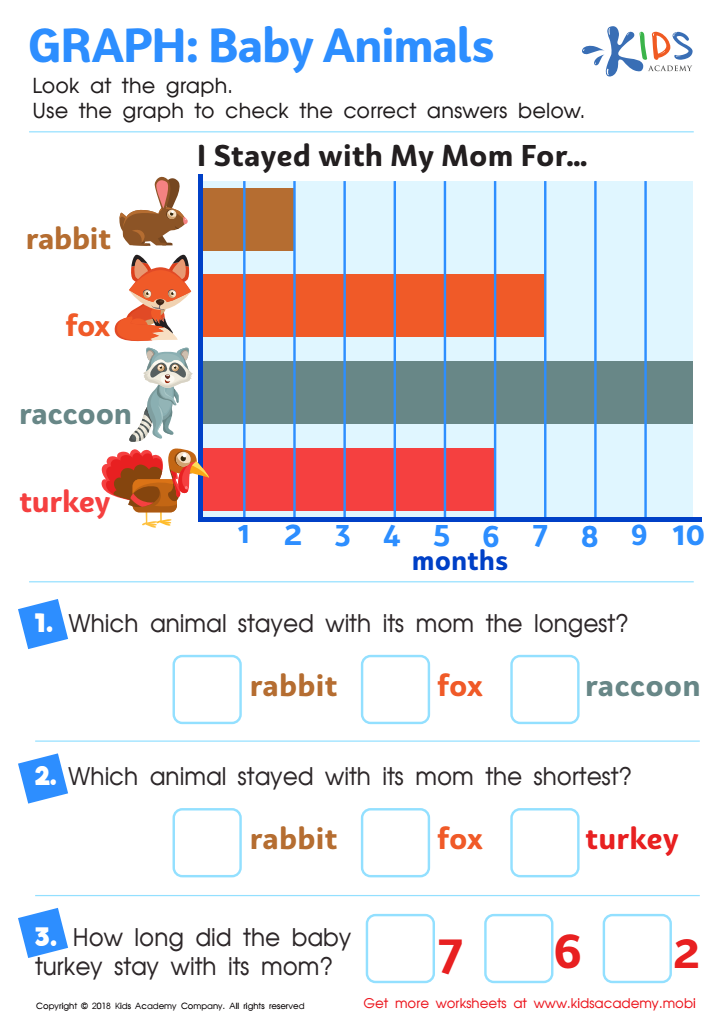
Graph: Baby Animals Worksheet
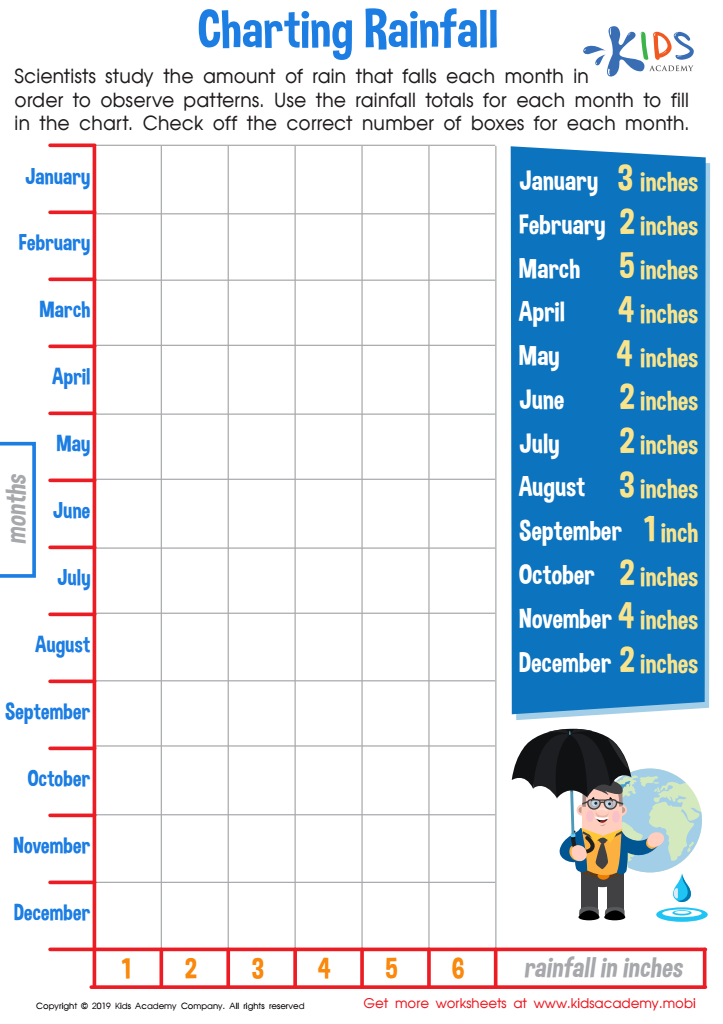
Charting Rainfall Worksheet
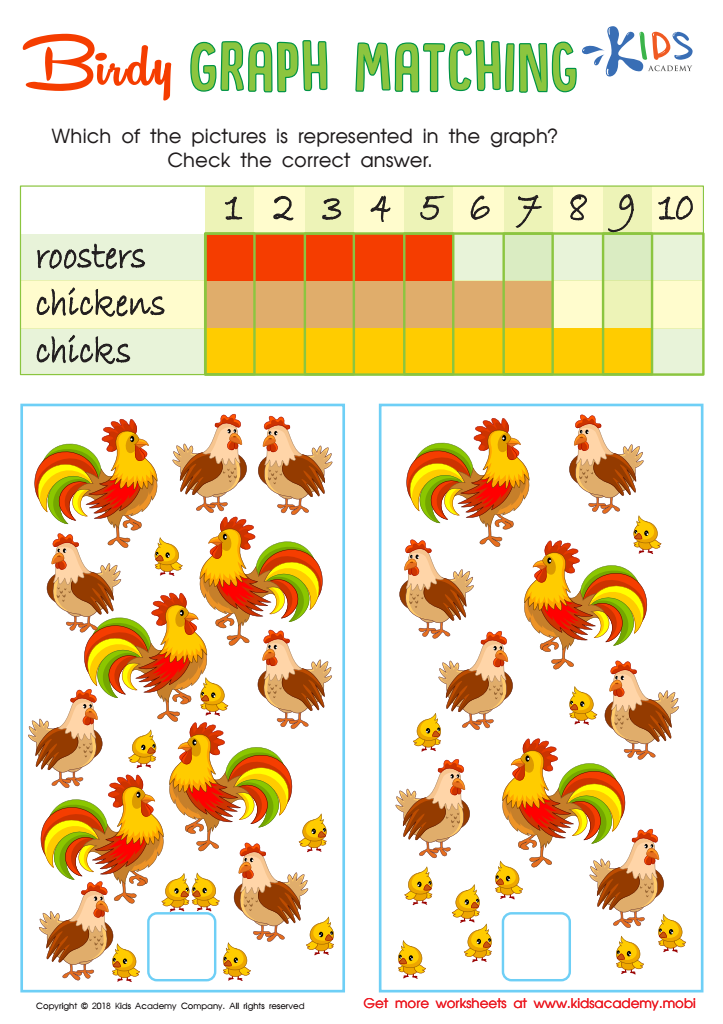
Birdy Graph Matching Worksheet






Understanding graph interpretation at ages 7-8 serves as a foundational skill that offers numerous benefits for children, making it important for parents and teachers to prioritize it. Firstly, introducing graphing concepts at a young age aids in the development of critical thinking and analytical skills. By interpreting graphs, children learn how to collect, organize, and analyze data, which can sharpen their problem-solving abilities.
Graph reading promotes visual literacy as it requires children to understand and extrapolate information from visual aids. This skill is essential in a world inundated with visual information, making it easier for them to navigate everyday situations that involve interpreting charts, calendars, or even bus schedules.
It also encourages mathematical literacy. Many core elements of mathematics, such as understanding quantities, patterns, and relationships, are embedded into graphs. Grappling with these concepts through graphs allows students to see the practical applications of math in real life.
Lastly, developing these skills early levels the playing field and builds confidence. Struggling with graph interpretation later could pose difficulties across multiple subjects. Early proficiency ensures that children are not left behind, laying a stable groundwork for future academic success and everyday life skills. Parents and teachers thus have a significant role in fostering these abilities at an early age.








