Hand-eye Coordination Worksheets for Ages 7-8 - Page 3
62 filtered results
-
From - To
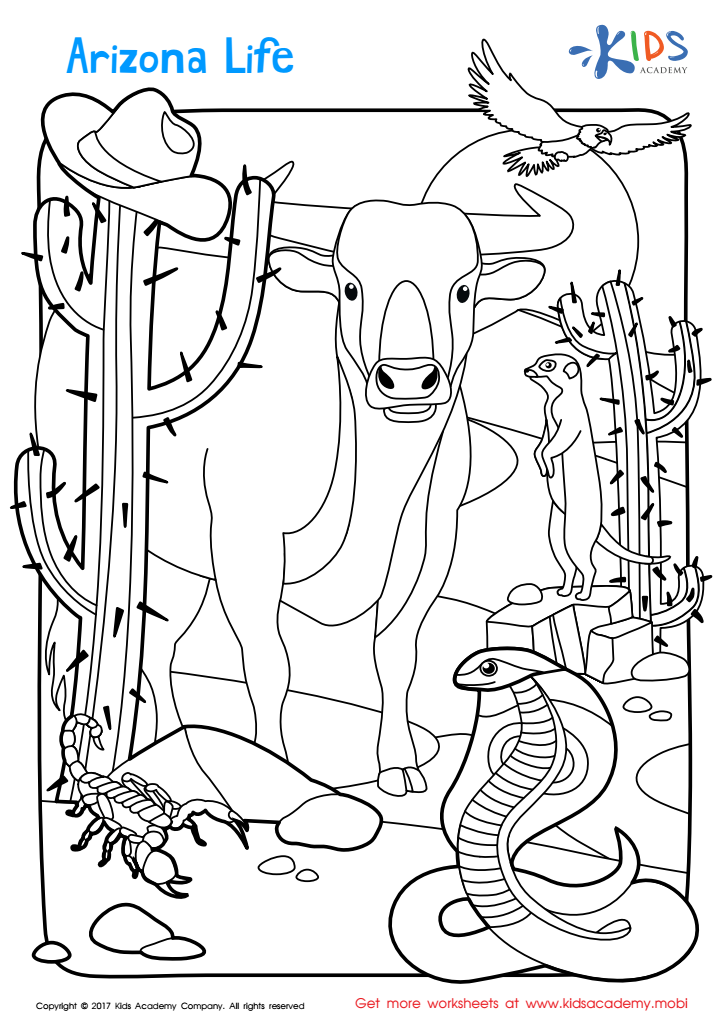
Arizona Coloring Page Worksheet
 Assign to My Students
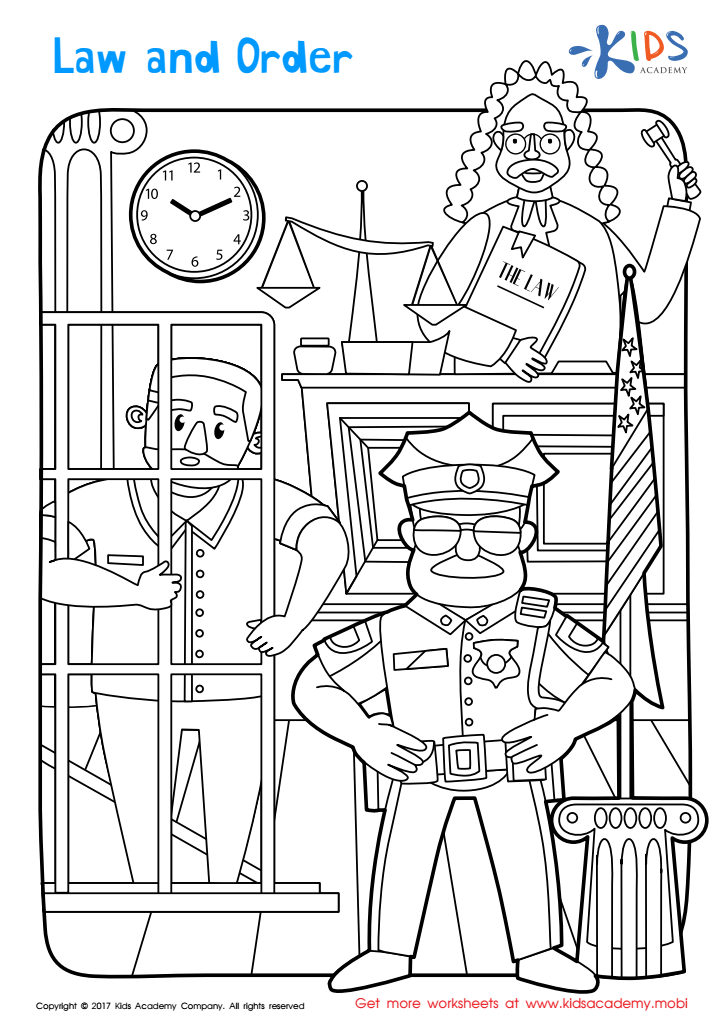
Law and Order Coloring Page Worksheet
Assign to My Students
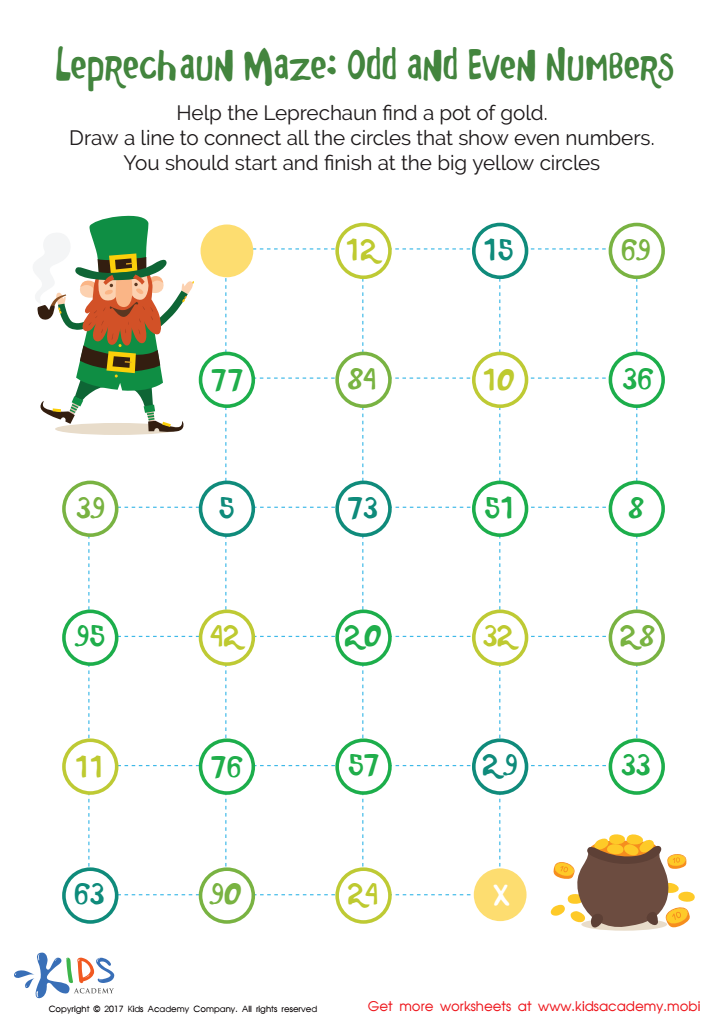
Leprechaun Maze Printable
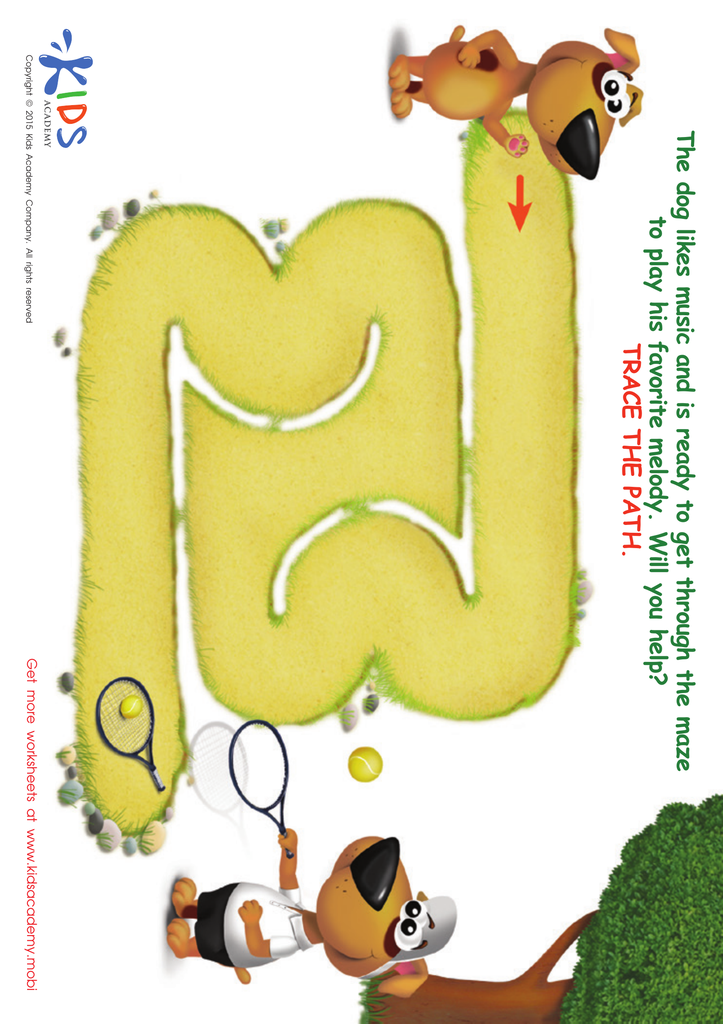
Tennis Player Maze Worksheet
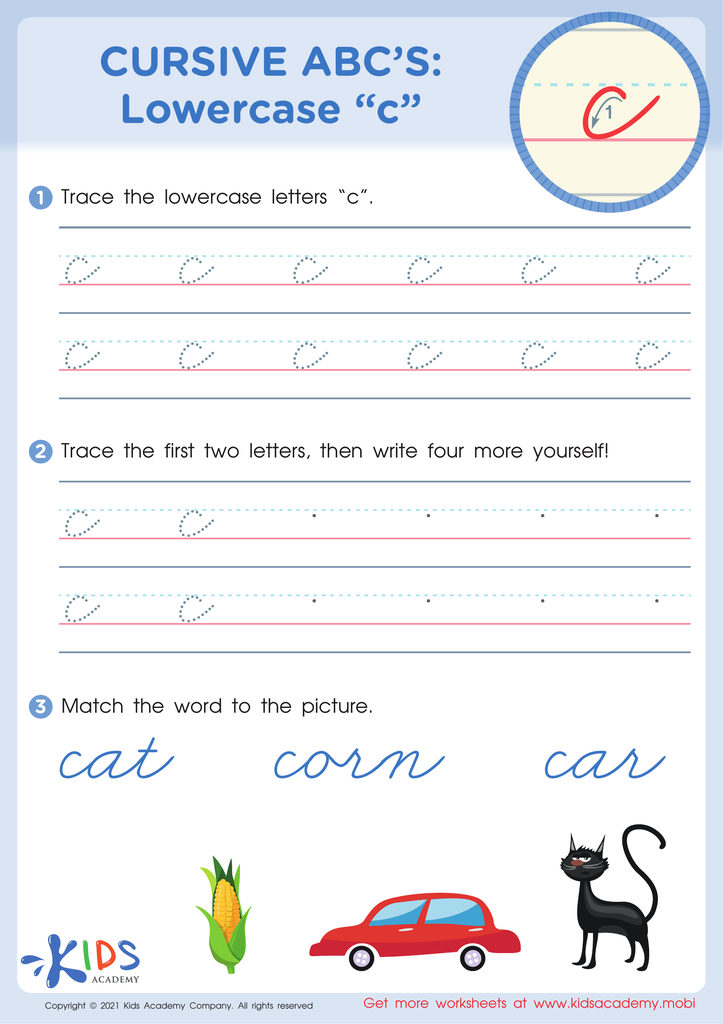
Cursive ABCs: Lowercase c
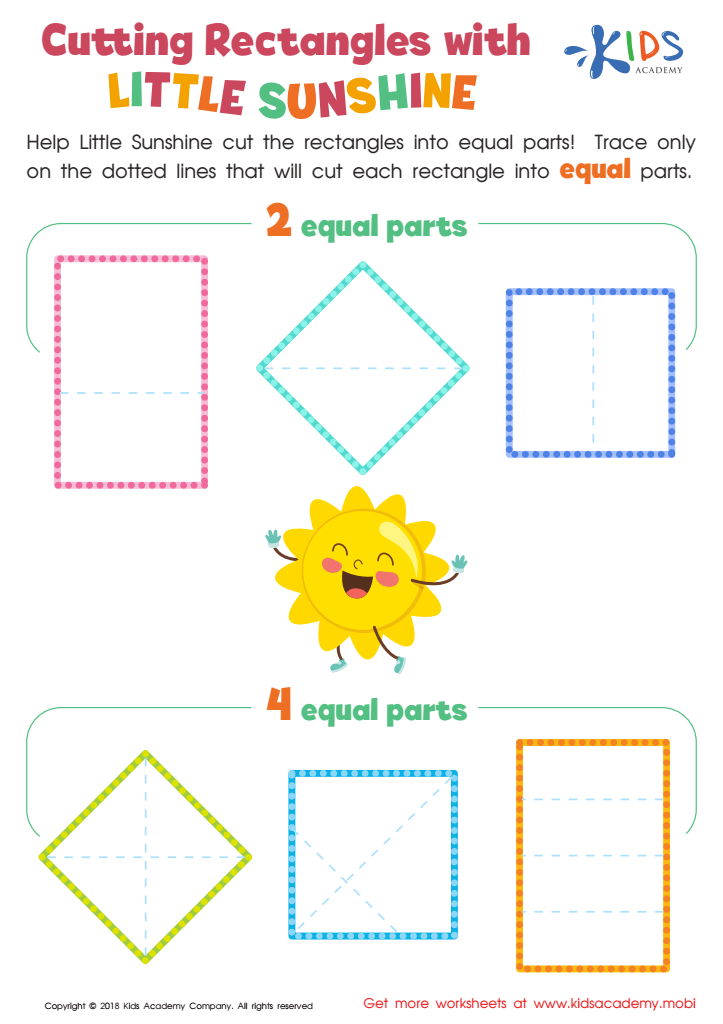
Cutting Rectangles with Little Sunshine Worksheet
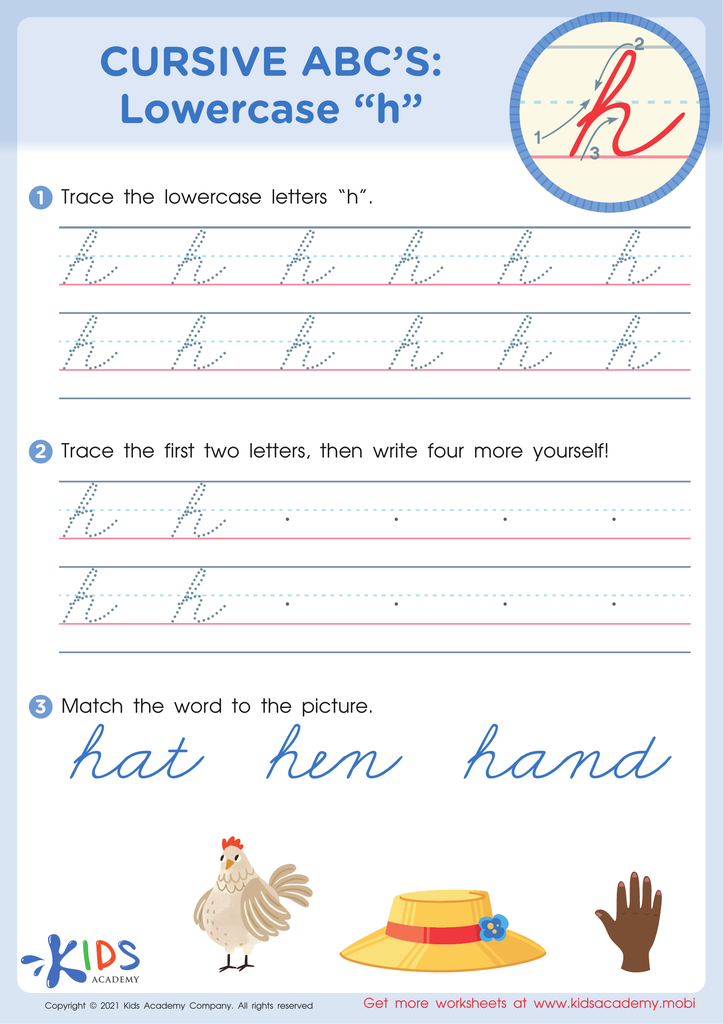
Cursive ABCs: Lowercase h
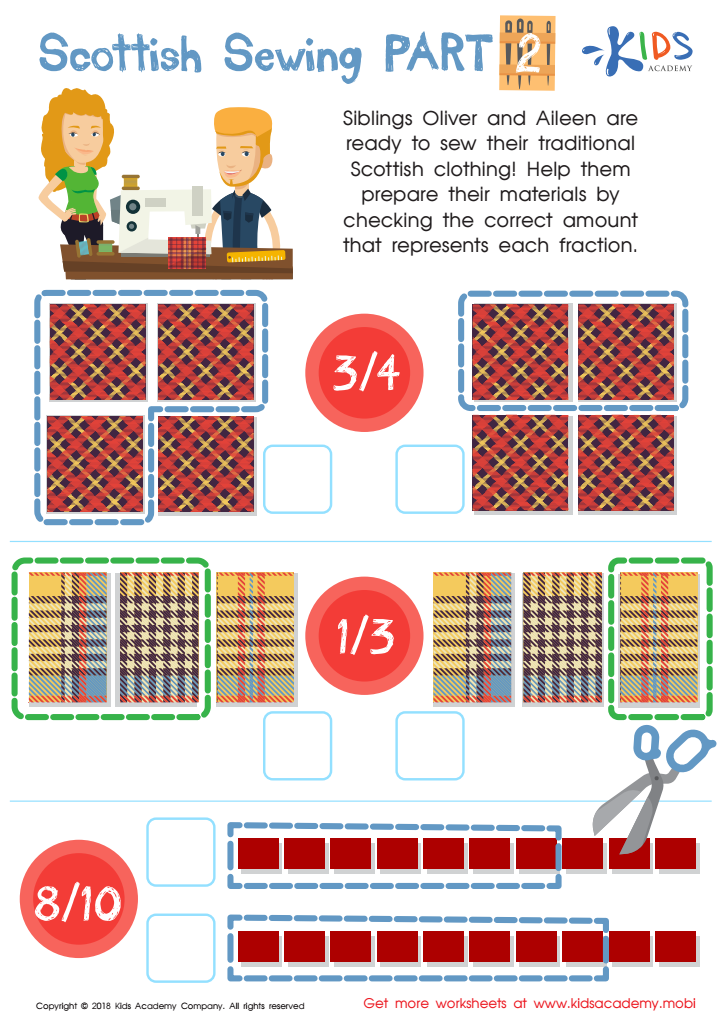
Scottish Sewing Part 2 Worksheet
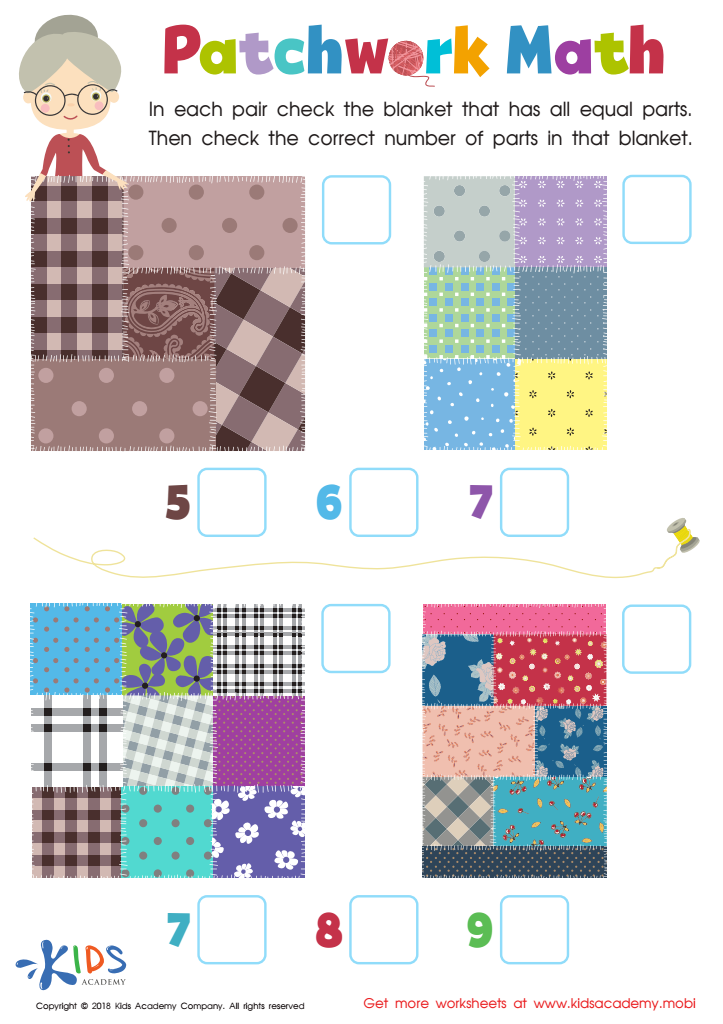
Patchwork Math Worksheet
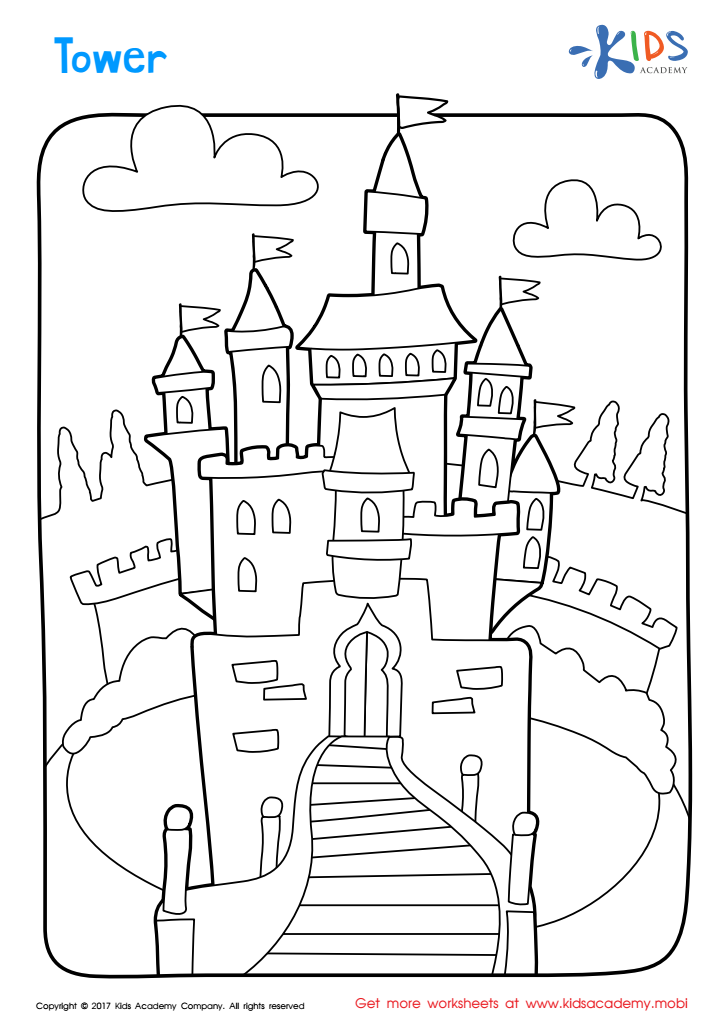
Tower Coloring Page
Assign to My Students
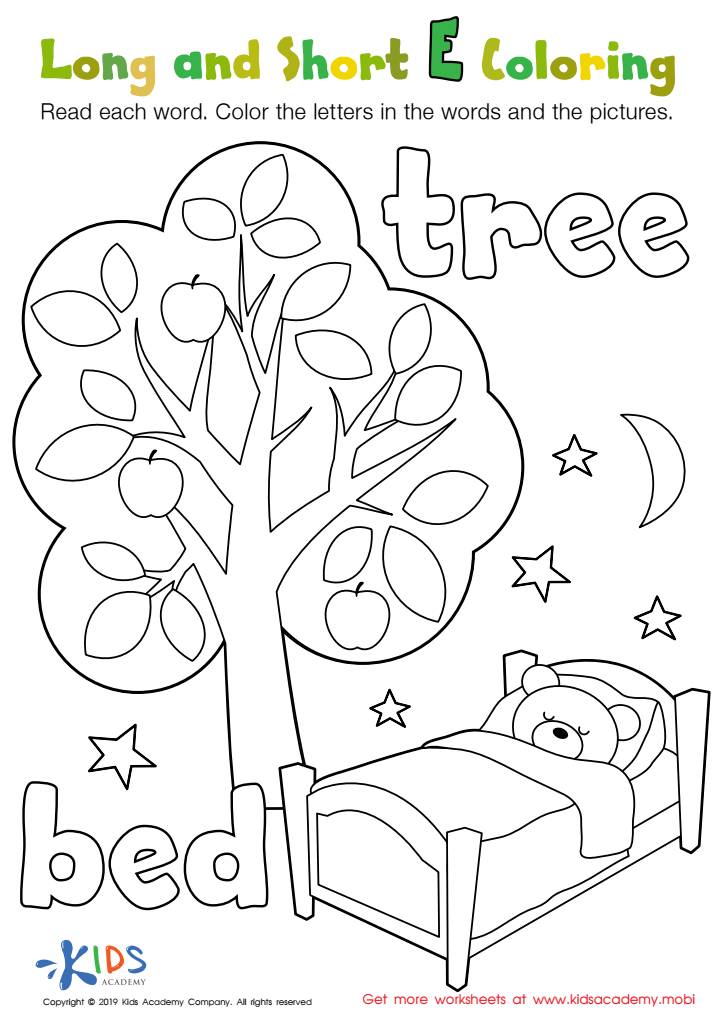
Long and Short E Worksheet
Assign to My Students

Letter D Tracing Page
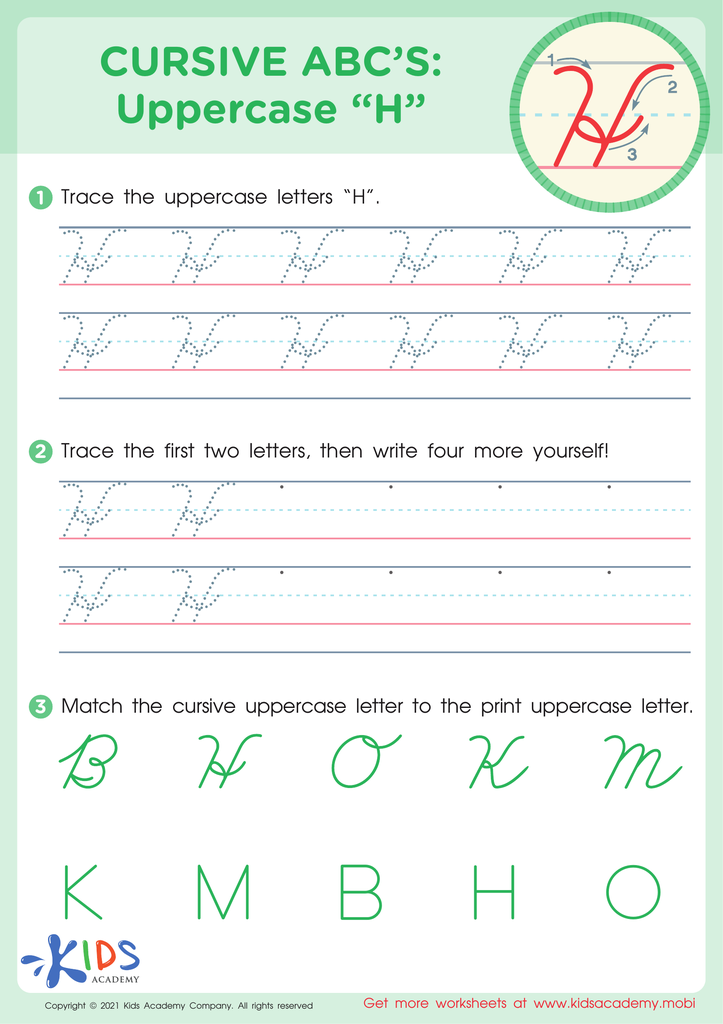
Cursive ABCs: Uppercase H





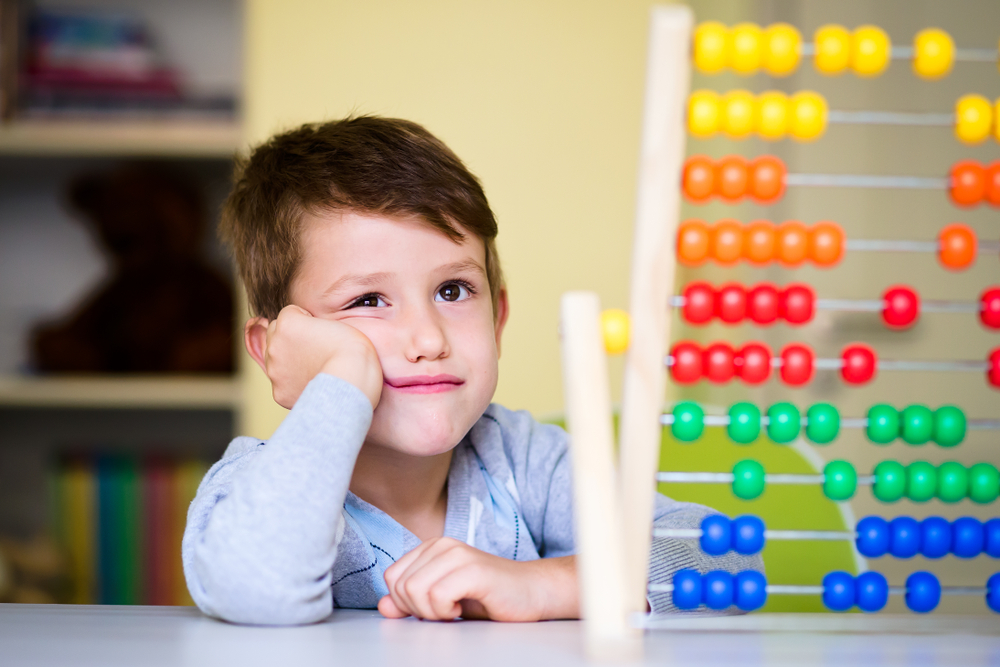

Hand-eye coordination is a crucial skill for children aged 7-8, as it plays a significant role in their overall development and learning. During these formative years, children are becoming more independent and engaged in various activities, including sports, writing, and using tools. Good hand-eye coordination enables them to perform tasks with greater precision, improving their ability to write fluently, follow instructions in classroom activities, and engage in physical play.
Parents and teachers should care about developing hand-eye coordination because it impacts a child's confidence and self-esteem. Children who struggle with this skill may find everyday tasks challenging, which can lead to frustration and a lack of motivation. By fostering activities that enhance hand-eye coordination, such as playing catch, drawing, or completing puzzles, adults can provide positive opportunities for children to succeed.
Moreover, strong hand-eye coordination lays the foundation for future skills and learning criteria. In addition, it is associated with improved concentration and focus. By investing time into this aspect of development, parents and teachers can facilitate a child's ability to learn through play and exploration, enriching their educational journey and encouraging lifelong physical activities. Ultimately, hand-eye coordination is integral to both academic and personal success during these critical years.








