Knowledge application Worksheets for Ages 7-8
6 filtered results
-
From - To
Introducing "Knowledge Application Worksheets for Ages 7-8" from Kids Academy – a valuable resource designed to enrich young minds through practical learning. These engaging worksheets offer a diverse range of activities that seamlessly blend fun with education, aiding children in applying their acquired knowledge to real-world scenarios. Each sheet targets essential skills in reading, math, science, and more, fostering critical thinking and problem-solving abilities. Ideal for classroom or home use, these worksheets not only bolster academic development but also build confidence and curiosity in young learners. Ignite your child's love for learning today with Kids Academy's expertly crafted materials.
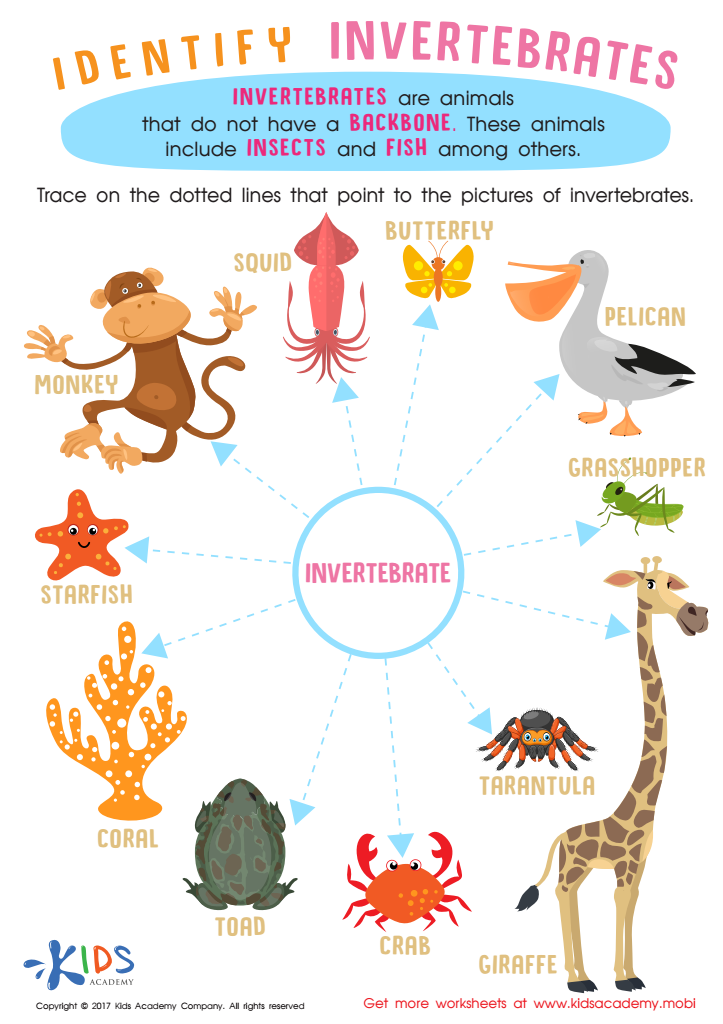
Invertebrates Worksheet for Grade 3
 Assign to My Students
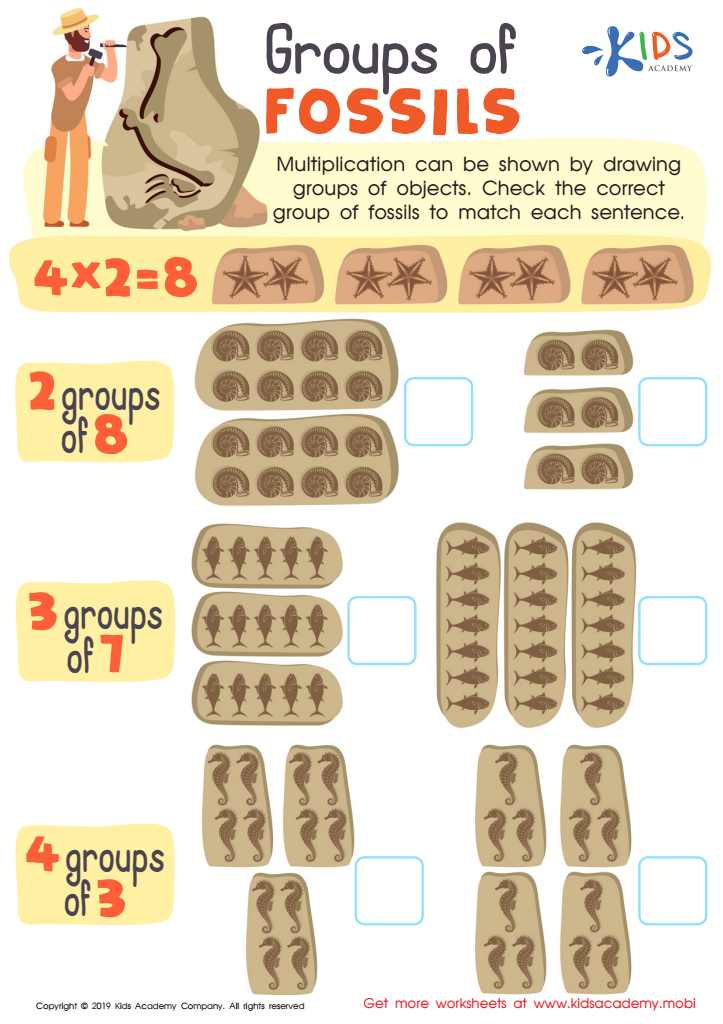
Groups of Fossils Worksheet
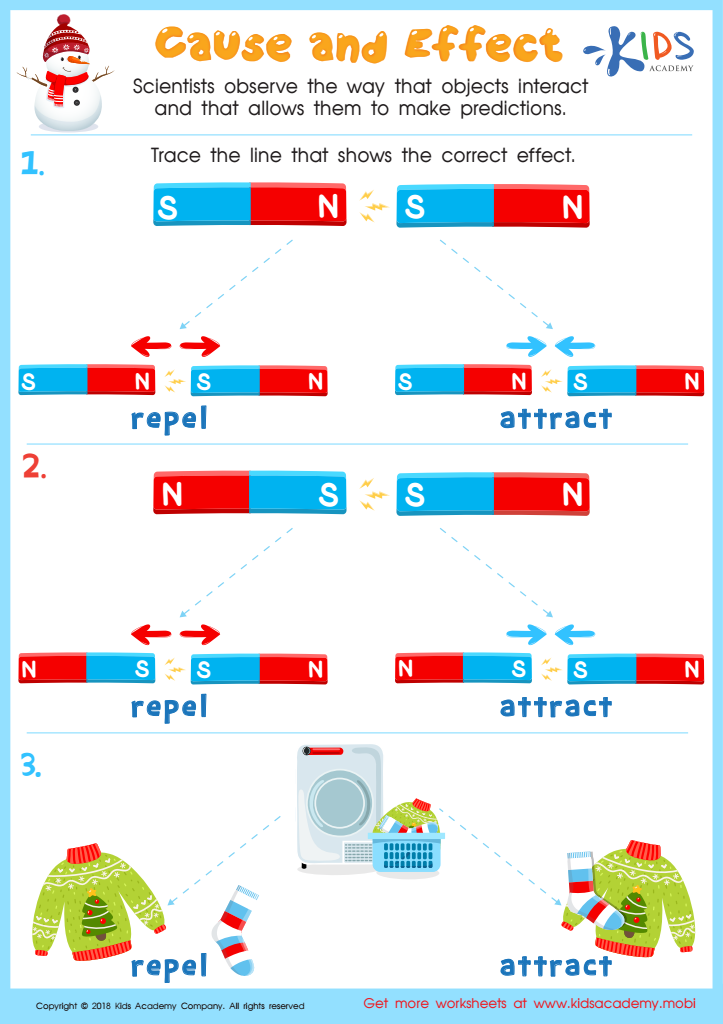
Repel and Attract Magnet Worksheet
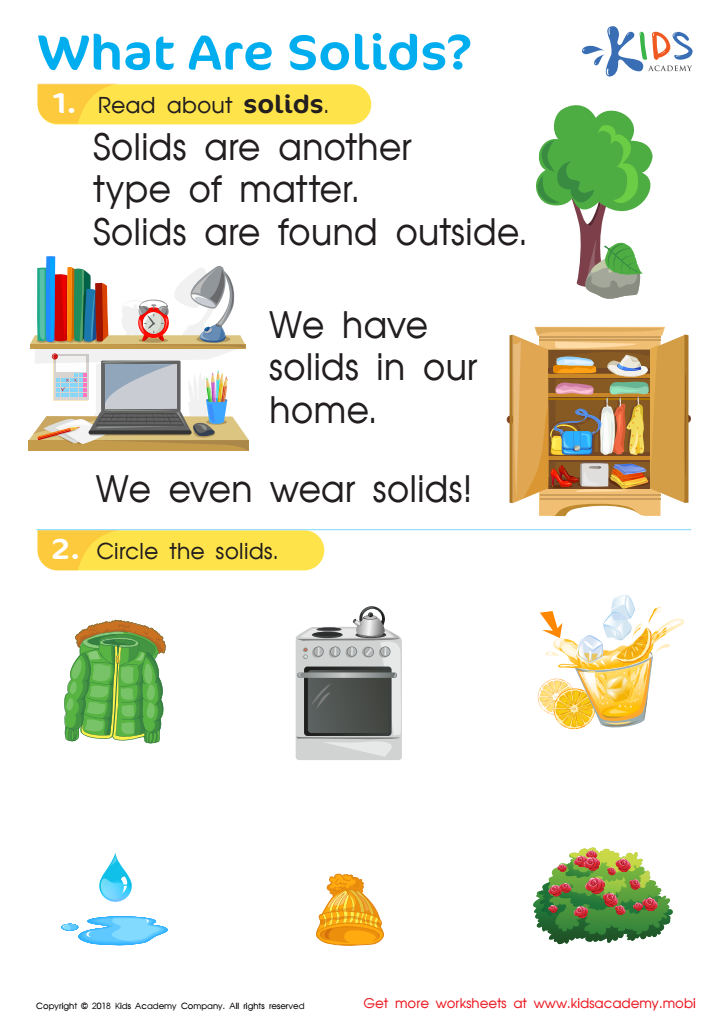
What Are Solids? Worksheet
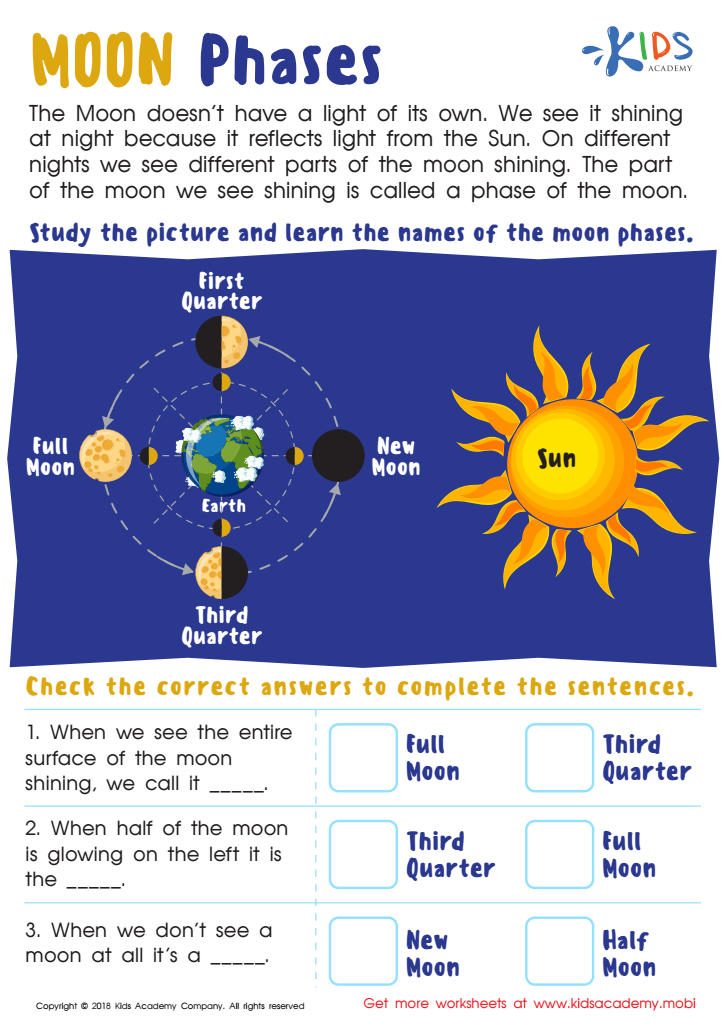
Moon Phases Worksheet
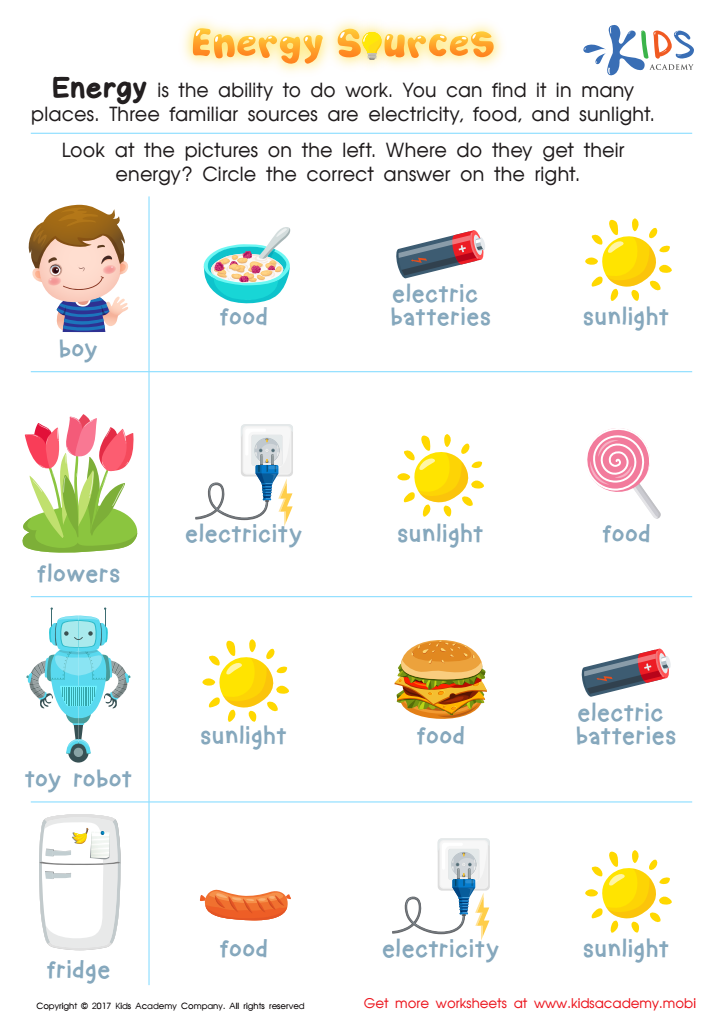
Energy Sources Printable







Caring about knowledge application for 7-8-year-olds is crucial because it goes beyond mere memorization of facts and helps develop critical thinking, problem-solving, and the ability to connect learning with real-life situations. At this age, children are naturally curious and more receptive to learning that is relevant and engaging. When they apply what they have learned to practical tasks, they understand concepts more thoroughly and retain information longer.
For parents and teachers, fostering knowledge application nurtures a child's independence and confidence. It teaches children to take initiative, ask questions, explore alternative solutions, and engage in hands-on projects. Applying learning daily, like measuring items during cooking to practice math skills or writing letters to improve literacy, transforms abstract concepts into tangible skills.
Moreover, early emphasis on using knowledge meaningfully promotes lifelong learning habits. It prepares children for future academic challenges and daily life complexities, making them adaptable. Educators and parents can thus create a more dynamic learning environment that embraces curiosity and innovation, ensuring a solid foundation not just in academic achievements but in essential life skills. This holistic development is essential in shaping well-rounded, competent individuals ready to navigate an ever-evolving world.








