Learning about ecosystems Worksheets for Ages 7-8
5 filtered results
-
From - To
Explore the fascinating world of ecosystems with our engaging worksheets designed for children ages 7-8! These educational resources provide a hands-on approach to learning about the intricate relationships between living organisms and their environments. Each worksheet is carefully crafted to introduce essential concepts like habitats, food chains, and the roles of producers, consumers, and decomposers. Activities included will captivate young minds, enhance critical thinking skills, and inspire a love for nature. Dive into interactive exercises and fun illustrations that make learning about ecosystems exciting and memorable. Perfect for classrooms or at-home learning, these worksheets are an excellent way to nurture environmental awareness!
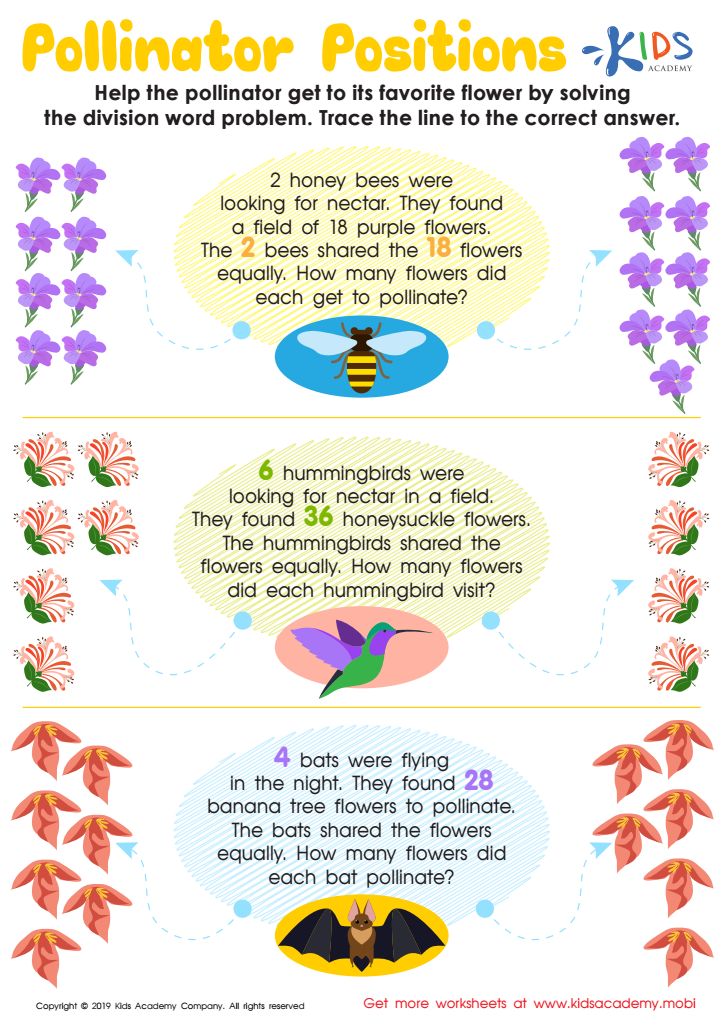
Pollinator Positions Worksheet
 Assign to My Students
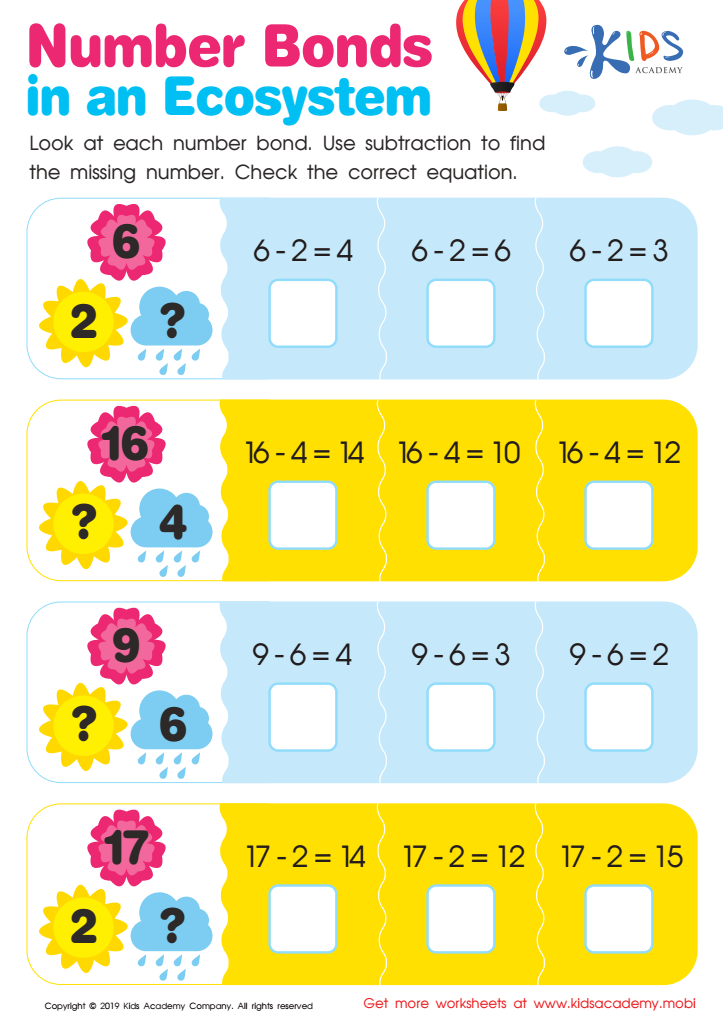
Number Bonds in an Ecosystem Worksheet
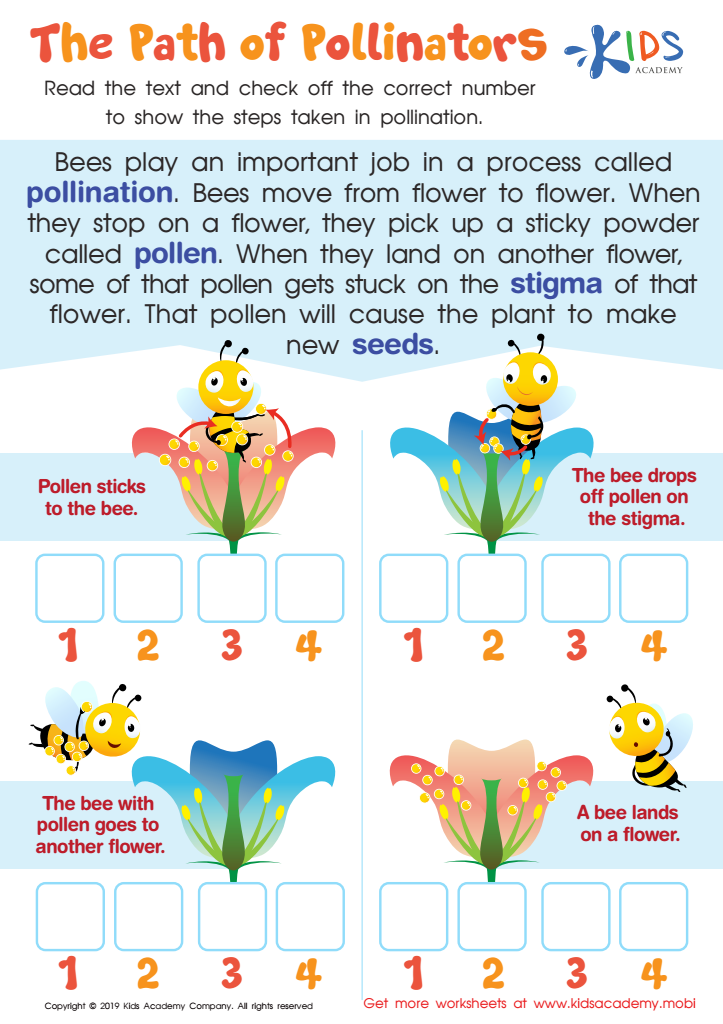
The Path of Pollinators Worksheet
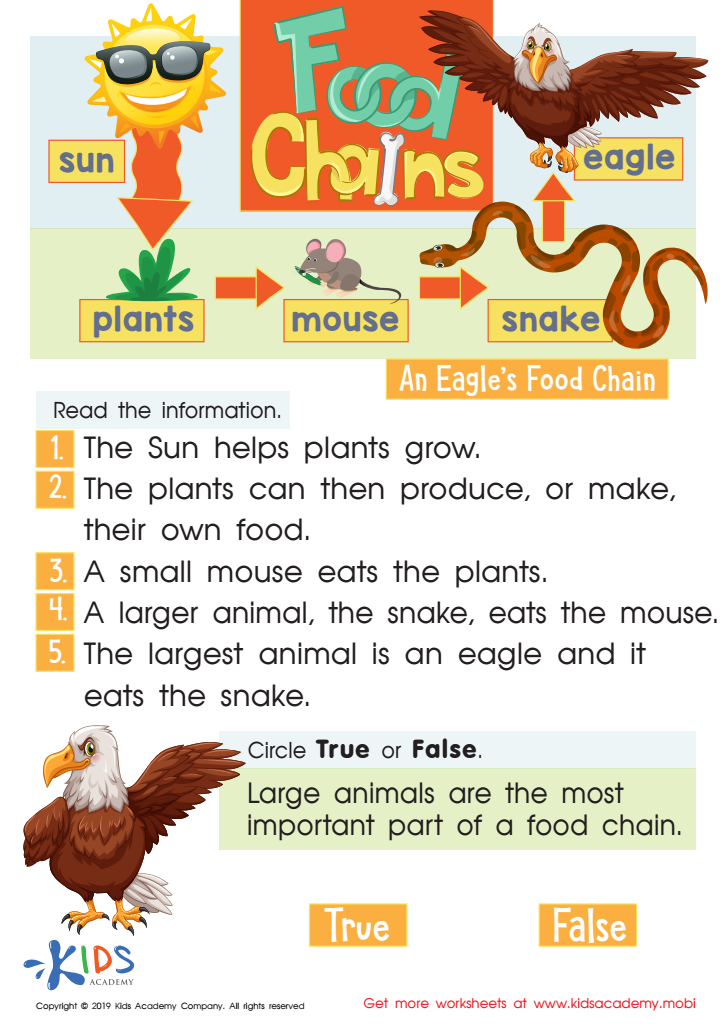
Food Chains Worksheet
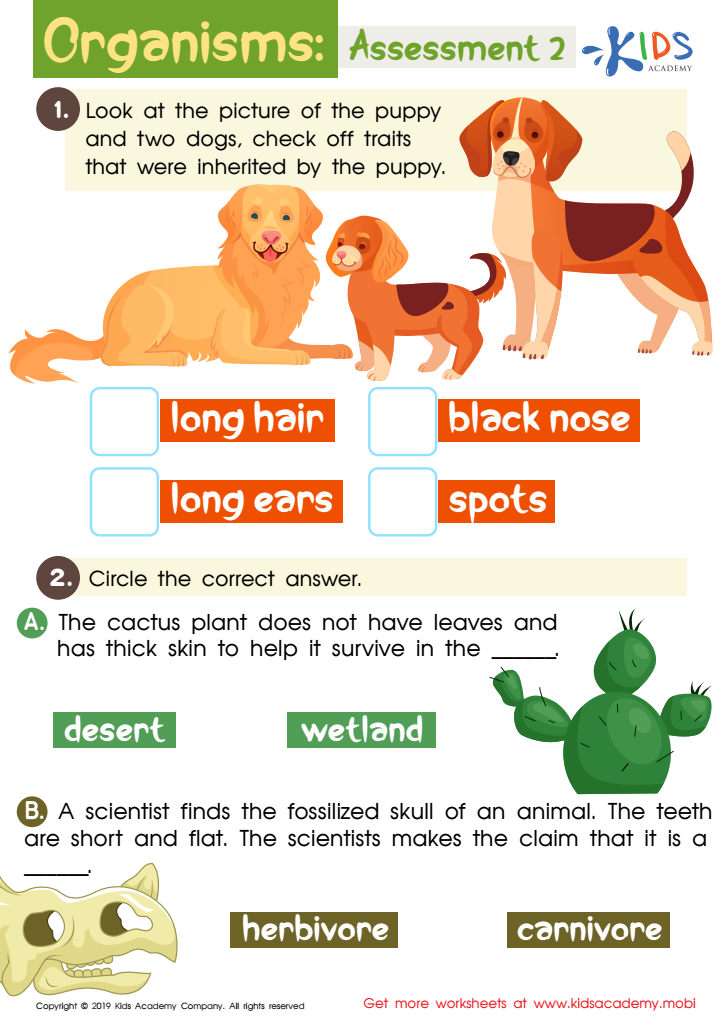
Organisms: Assessment 2 Worksheet







Understanding ecosystems is crucial for children aged 7-8 as it fosters a connection with nature and instills a sense of responsibility towards the environment. At this age, children are naturally curious and eager to learn, making it the perfect time to introduce them to the complexity and beauty of ecosystems. Learning about ecosystems helps them grasp the interdependence between plants, animals, and their habitats, which cultivates respect for biodiversity.
Moreover, this knowledge encourages critical thinking and problem-solving skills. When children explore concepts such as food chains, habitats, and environmental changes, they learn to observe, ask questions, and draw conclusions. These activities promote scientific literacy and stimulate a fascination with the natural world.
Additionally, understanding ecosystems serves a vital role in developing environmental stewardship among young learners. As children become aware of environmental issues and the human impact on ecosystems, they are more likely to engage in sustainable practices and advocate for the planet's health. Keywords such as conservation and sustainability resonate with their learning, guiding them to make informed choices in the future. By prioritizing ecosystem education, parents and teachers equip children with the knowledge and passion needed to become responsible, engaged citizens.








