Logical thinking improvement Worksheets for Ages 7-8
5 filtered results
-
From - To
Enhance your child's cognitive abilities with our engaging Logical Thinking Improvement Worksheets designed specifically for ages 7-8. Our thoughtfully crafted activities promote critical thinking, problem-solving, and reasoning skills through fun, interactive exercises. Each worksheet encourages creativity while reinforcing essential concepts in a delightful way, making learning enjoyable and effective. Ideal for both classroom and home use, these worksheets help children develop a strong foundation in logical thinking, setting them up for future academic success. Explore a variety of topics to suit every learner's interest and watch as they become more confident and adept thinkers! Download and start your logical thinking journey today!
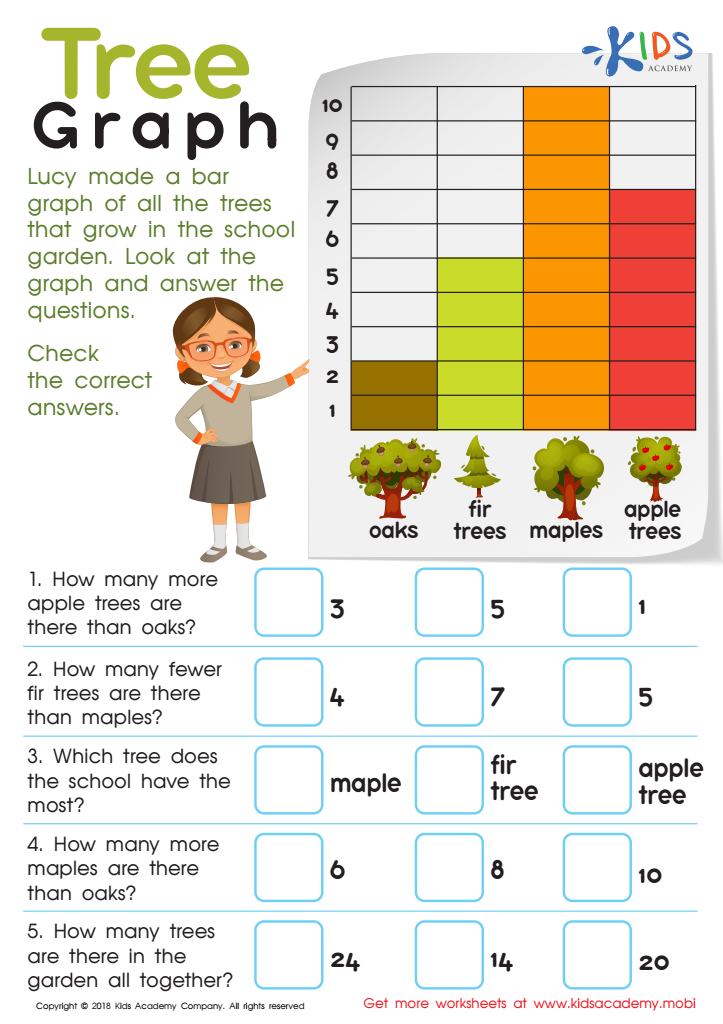
Tree Graph Worksheet
 Assign to My Students
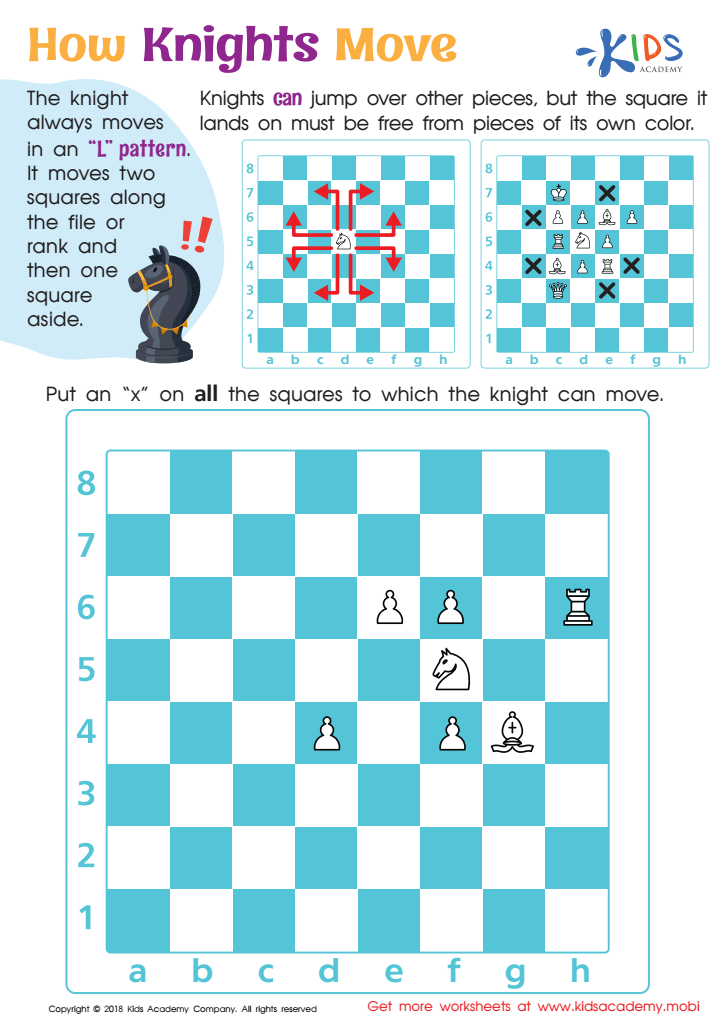
How Knights Move Worksheet
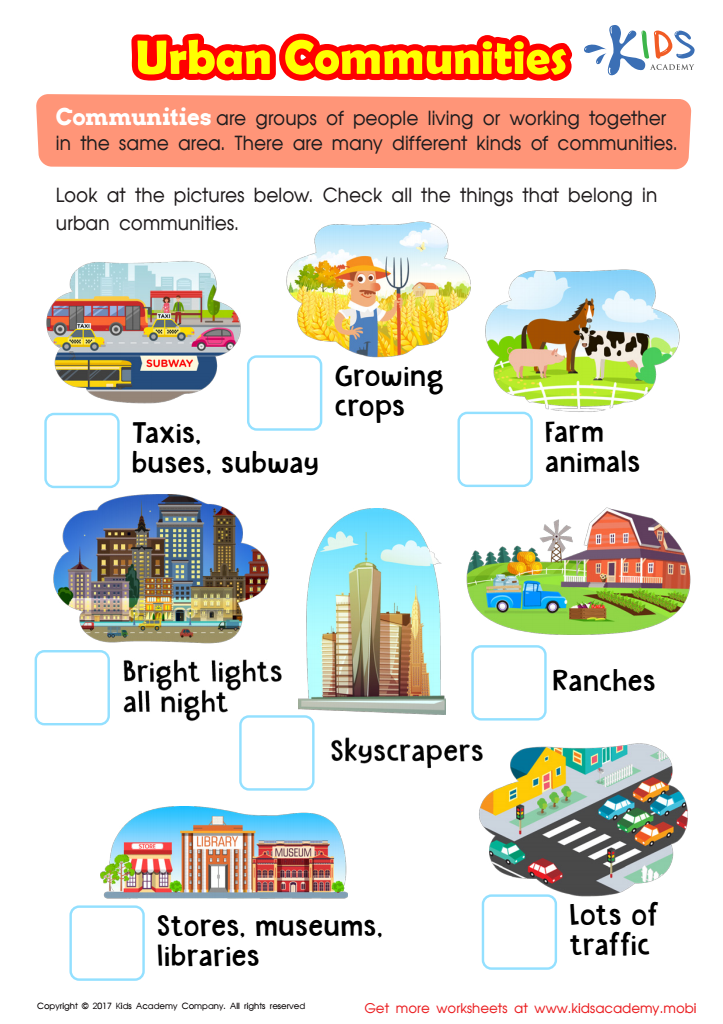
Urban Communities Printable

Two Rook Mate Practice Worksheet
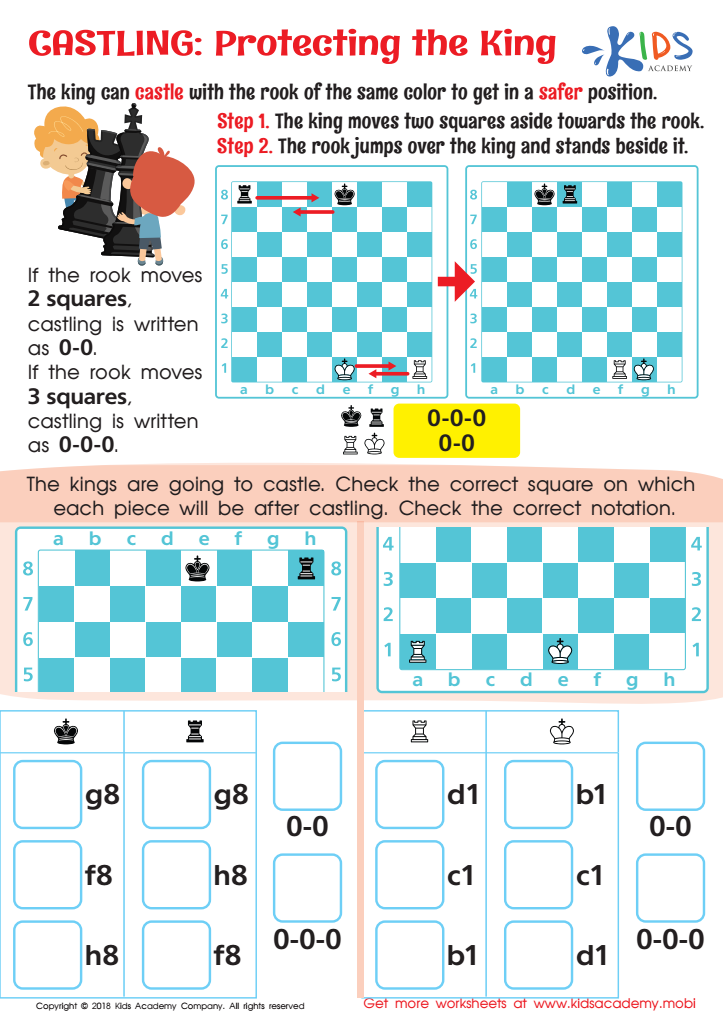
Castling: Protecting the King Worksheet







Logical thinking is a critical skill that significantly impacts a child's overall development, especially for children ages 7-8, a pivotal time in their cognitive growth. During these years, children begin to sharpen their reasoning abilities, which lays the groundwork for problem-solving and decision-making. Engaging logical thinking fosters critical skills like analysis, pattern recognition, and prediction, which are essential in academic success across subjects such as mathematics and science.
Parents and teachers should care about enhancing logical thinking because it empowers children to approach challenges systematically. It encourages them to explore multiple perspectives and find solutions independently, fostering resilience and adaptability. Furthermore, strong logical reasoning contributes to better academic performance, reading comprehension, and even communication skills, enabling children to express their thoughts clearly and convincingly.
Promoting logical thinking at this stage can also mitigate potential challenges in later years when academic rigor increases. By nurturing these skills early, parents and educators help prepare children for complex tasks and real-world situations, creating a foundation for lifelong learning. Ultimately, logical thinking enriches a child’s intellectual curiosity, encouraging a love for learning that can last well beyond the classroom.








