Number Sequencing Worksheets for Ages 7-8 - Page 2
28 filtered results
-
From - To
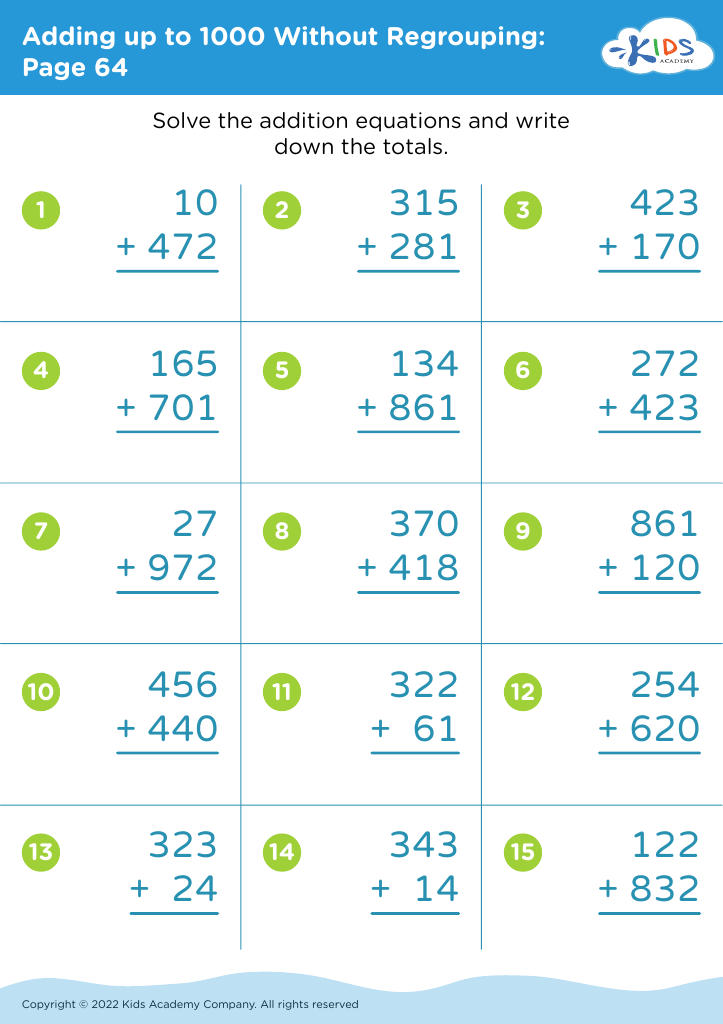
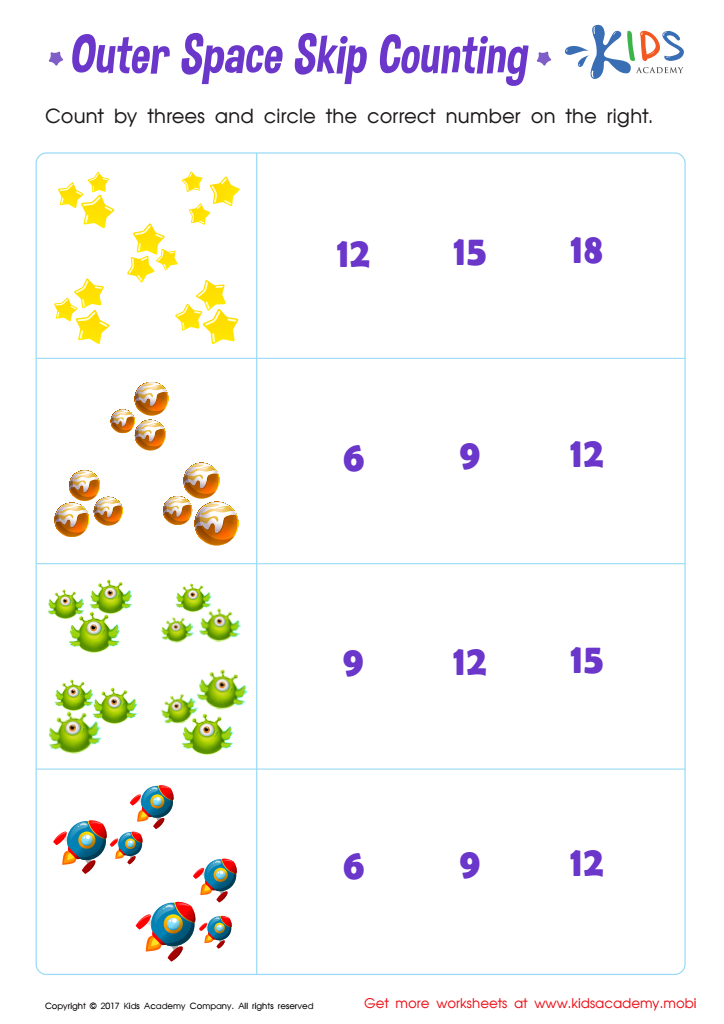
Skip Counting by 3s: Outer Space Skip Counting Printable
 Assign to My Students
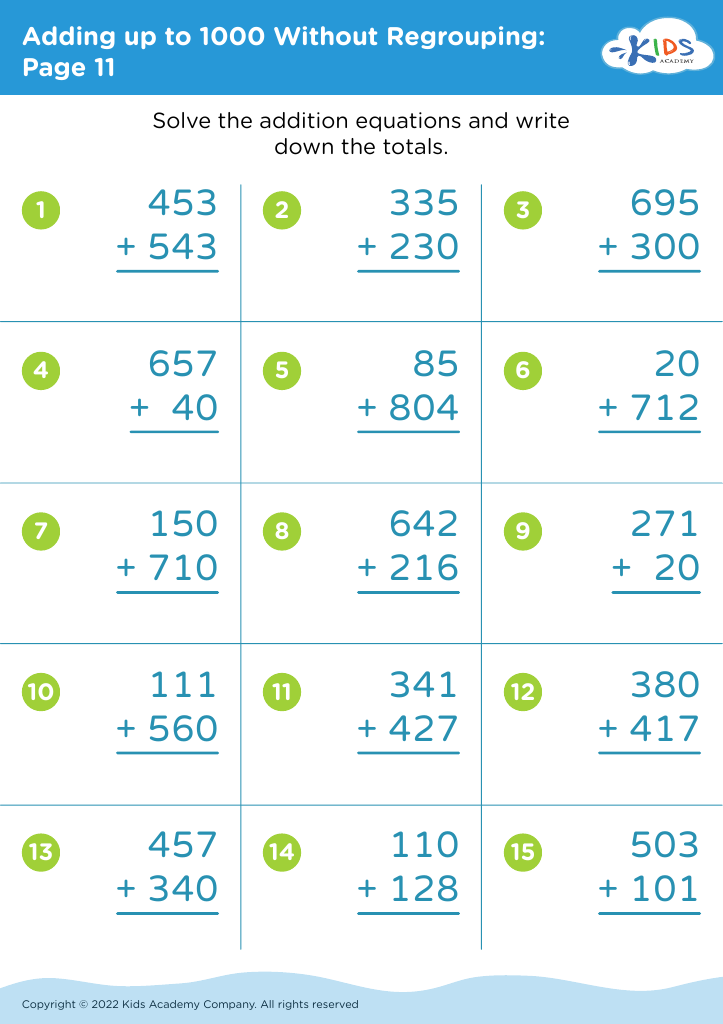
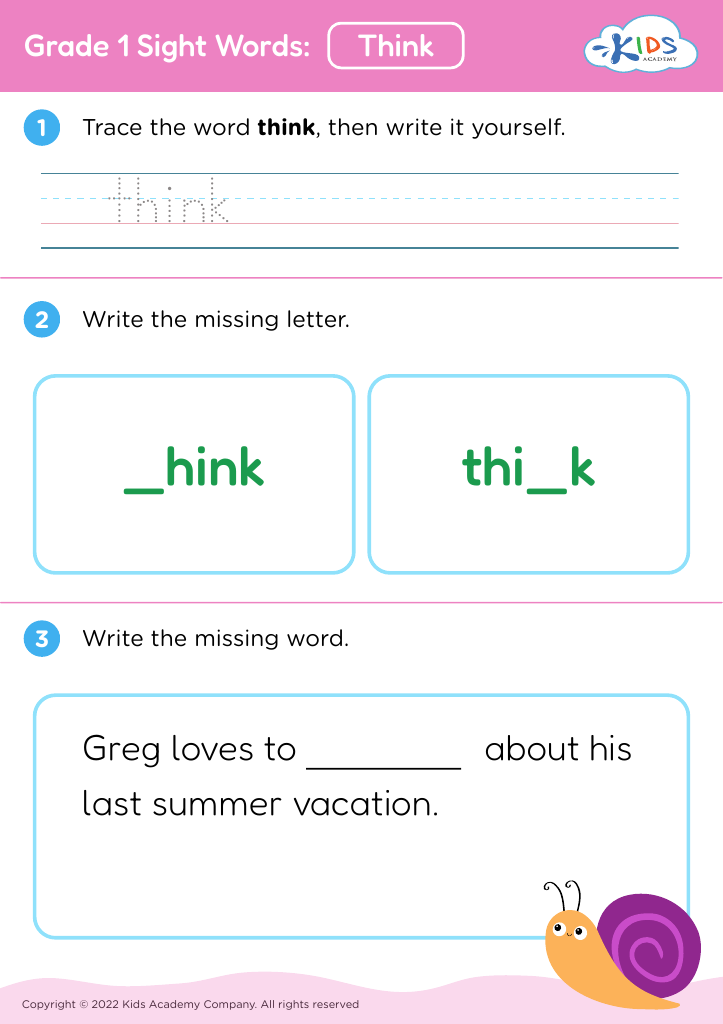







Number sequencing is a foundational mathematical skill for children aged 7-8, and both parents and teachers should find it integral to the learning process. At this developmental stage, students transition from simple counting to a more textured understanding of numerical relationships. Mastery in number sequencing aids in building strong arithmetic skills, which form the bedrock for advanced mathematical concepts like addition, subtraction, multiplication, and division.
Understanding sequences reinforces pattern recognition, enabling children to predict and extrapolate numerical orders, crucial for problem-solving in everyday life—like managing money or understanding time. Furthermore, sequencing promotes logical thinking and enhances cognitive development, as children learn to identify and remember patterns, fostering better memory and attention to detail.
Supporting children in grasping number sequences also leads to increased confidence and reduced math anxiety. Students who are comfortable with sequences typically demonstrate improved performance in other areas of math, cultivating a positive and productive attitude towards the subject.
Moreover, integration of engaging activities related to number sequencing in the curriculum or at home can make learning fun and interactive, solidifying foundational skills through play and inquiry. Thus, investing time and attention in nurturing sequencing skills ultimately paves the way for academic success and a lifelong appreciation of mathematics.








