Enhance your child's cognitive development with our "Observation Skills Worksheets for Ages 7-8." These engaging activities are designed to sharpen young minds by promoting attention to detail, critical thinking, and analytical abilities. Perfect for use at home or in the classroom, our worksheets cover a range of topics that captivate and challenge children. Each sheet is filled with intriguing exercises that encourage kids to observe, interpret, and respond effectively. Boost their learning journey and improve their problem-solving skills with our carefully crafted, age-appropriate observation worksheets, ensuring fun and educational growth.

Check out this FREE "Observation skills" Trial Lesson for age 7-8!

Skip Counting and Your Fingers to Divide

Favorites
With answer key
Interactive
  • 7-8
  • Observation skills
Matter: Assessment 1 Worksheet

Matter: Assessment 1 Worksheet

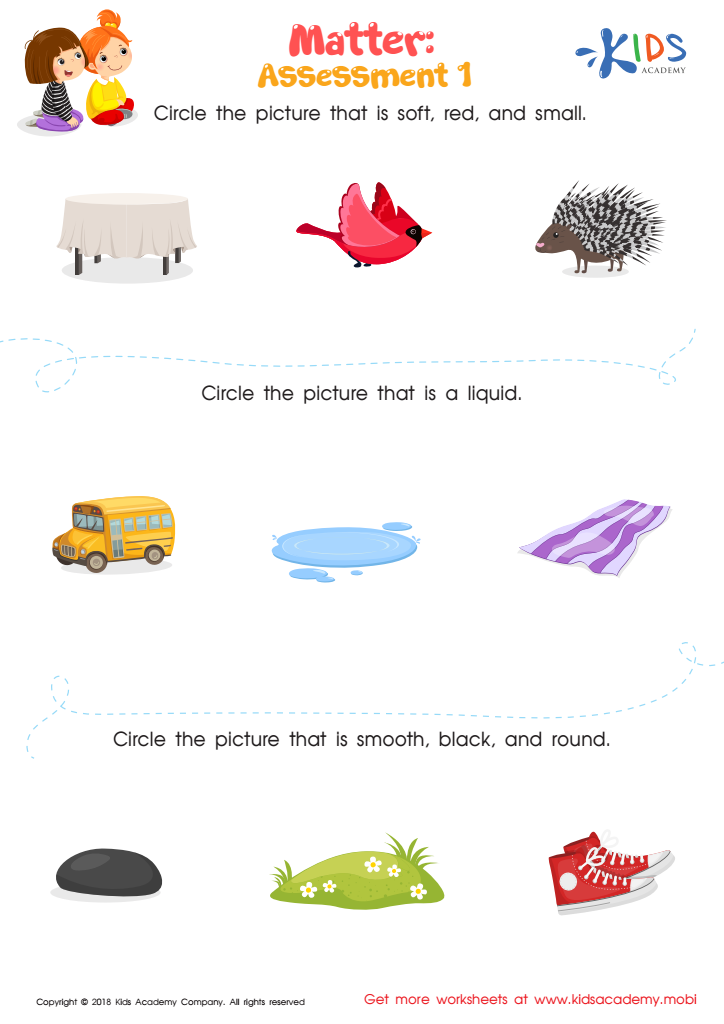
Have your children learn that anything that has weight and takes up space is matter. Examples include buses, tables, people, animals, and more. Use this worksheet to help them identify the objects and circle the soft, red, and small one; the liquid; and the smooth, black, and round one.
Matter: Assessment 1 Worksheet
Worksheet
How Many Tadpoles Worksheet

How Many Tadpoles Worksheet

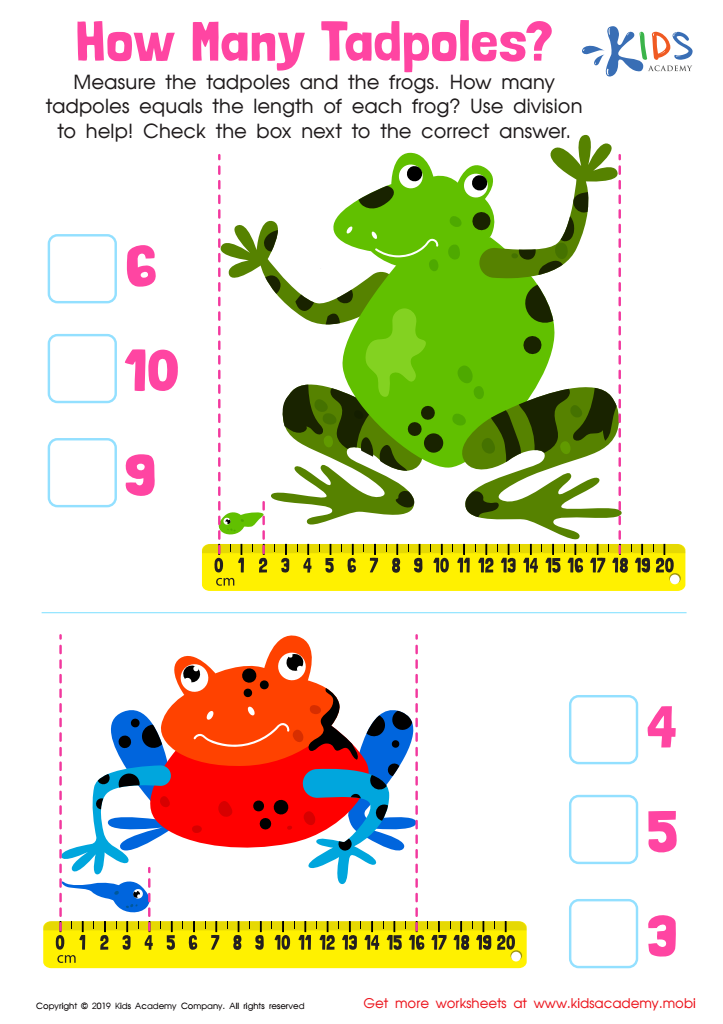
Kids love tadpoles! They'll have fun using them to work out the measurements of their frog friends. By dividing the length of the frogs by the length of the tadpoles, children can deduce how many tadpoles it takes to equal a frog. With the use of 'how many' and 'each' they'll solve math problems without realizing it!
How Many Tadpoles Worksheet
Worksheet
Pendulum experiment worksheet for 3rd grade

Pendulum Experiment Worksheet For 3rd Grade
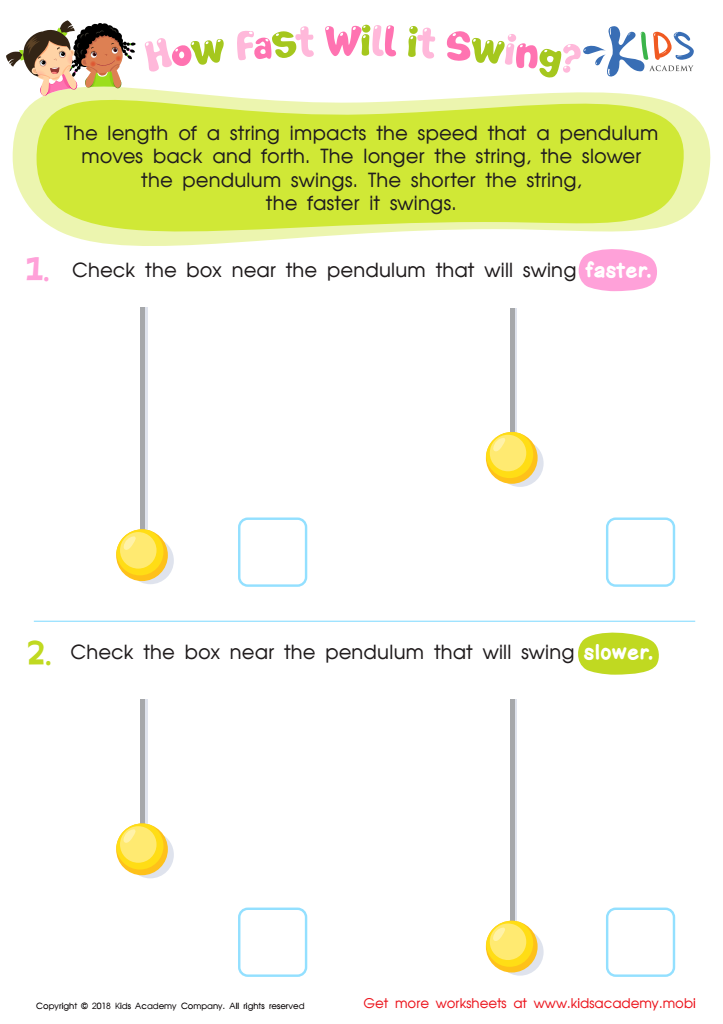
Time to flex those science muscles! A pendulum's speed depends on its string length. Complete this 3rd grade pendulum experiment worksheet and experiment with a yo-yo at home! Read the description to answer the questions correctly.
Pendulum Experiment Worksheet For 3rd Grade
Worksheet
Types of Flowering Plants Worksheet

Types of Flowering Plants Worksheet

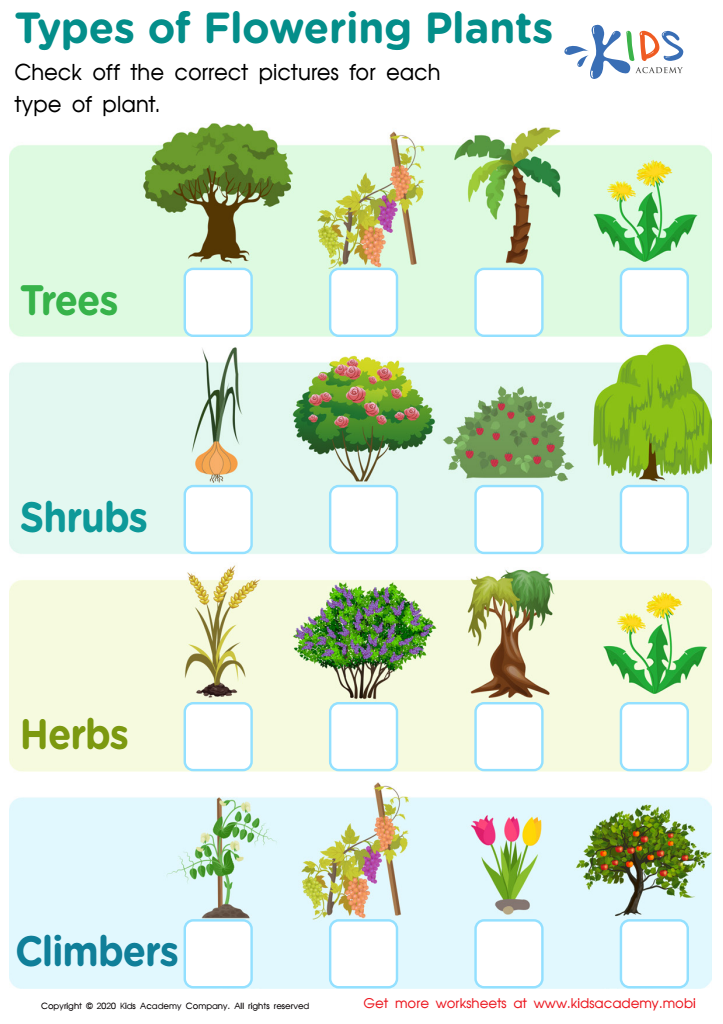
Help kids explore the variety of plants around them! Have them discover trees, shrubs, herbs, and vines with this fun science worksheet. Print it and let them match the plant pictures to their correct names. It's an exciting learning experience that'll let them check off the right images and explore the botanical world.
Types of Flowering Plants Worksheet
Worksheet
Night Sky Search Worksheet

Night Sky Search Worksheet

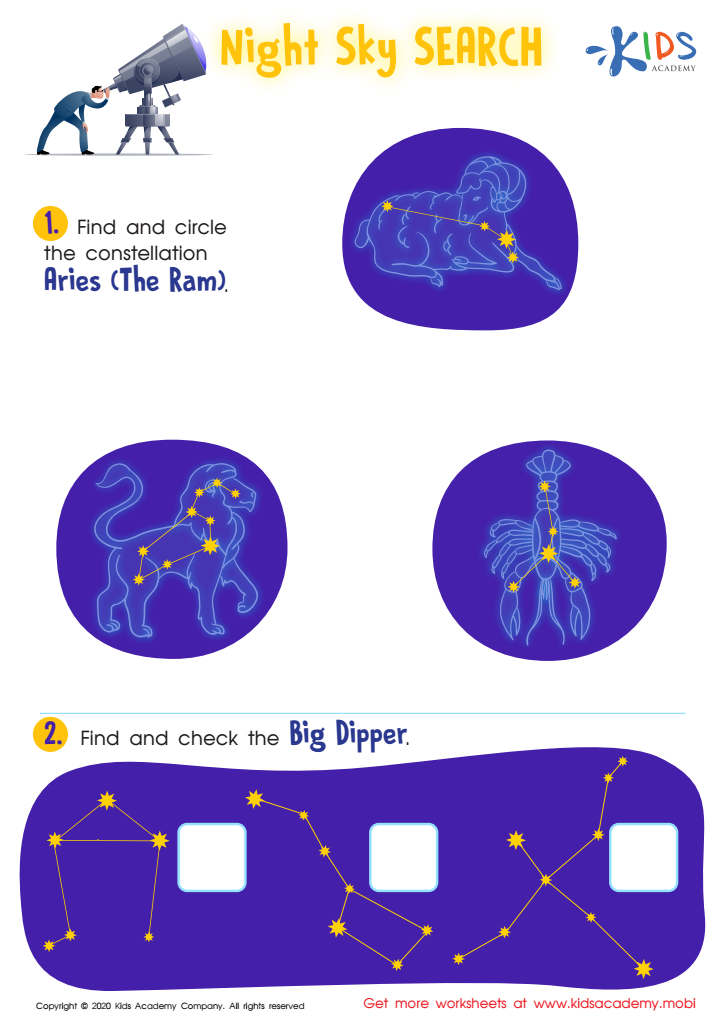
Gaze up into the night sky and spot the stars! Your little astronomer can learn about Aries and Big Dipper constellations with this science worksheet. Simply find the ram for Aries and check the box for Big Dipper. Then, when the weather is right, go outside and look for them in the night sky!
Night Sky Search Worksheet
Worksheet
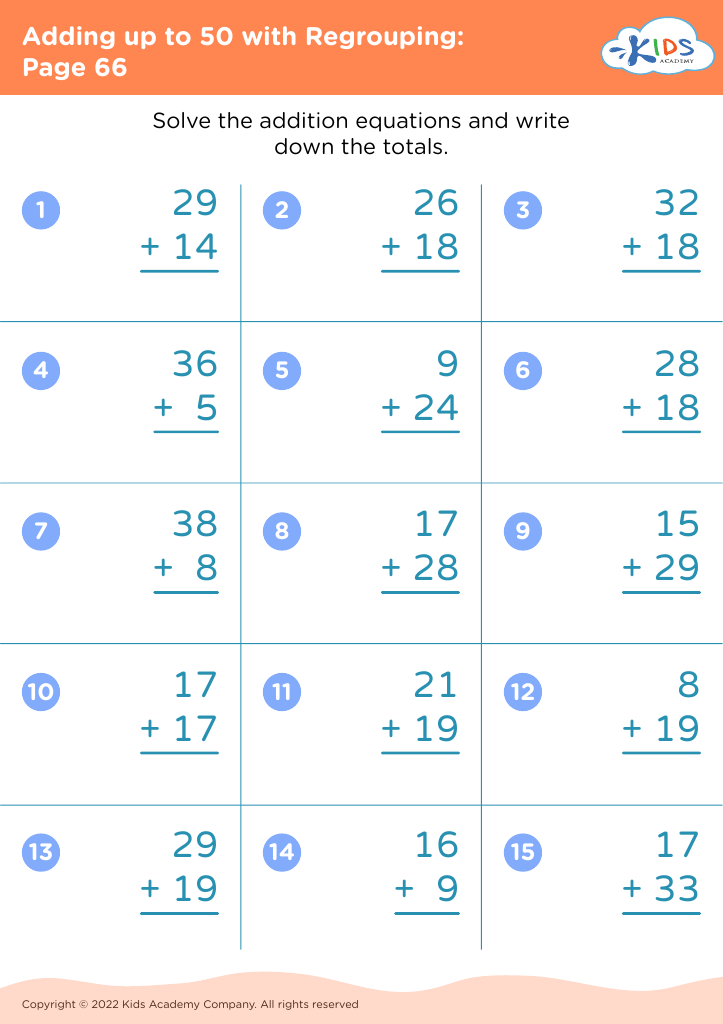
Adding up to 50 with Regrouping: Page 66
Worksheet
Types of Weather Worksheet


Types of Weather Worksheet

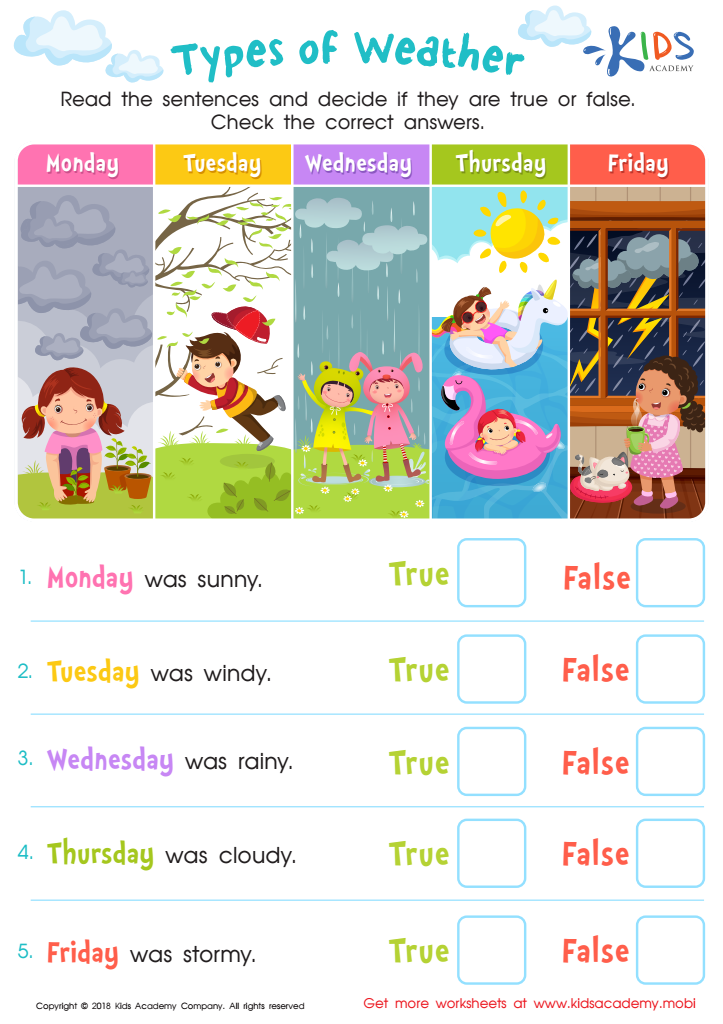
This worksheet will test your child's knowledge of the weather. Show them the pictures of five days of the week, each with a different weather and ask them to describe it. Then read the sentences and ask if they're true/false. Help them find the right answers.
Types of Weather Worksheet
Worksheet


Observation skills are fundamental for children aged 7-8, acting as building blocks for learning and development. At this age, kids are naturally curious, and honing their ability to keenly observe their surroundings can deeply enrich educational experiences and personal growth. Parents and teachers should recognize the value of these skills for several reasons.

Firstly, observation skills foster critical thinking and attention to detail. When children are encouraged to notice subtle changes and nuances, they learn to analyze and interpret information more effectively. For instance, closely examining a plant helps them understand biology and life cycles.

Secondly, observation skills are vital in developing social-emotional intelligence. By observing the emotions and reactions of peers and adults, children learn empathy and effective communication, which are essential for building and maintaining relationships.

Moreover, observation enhances creativity. As children notice different shapes, colors, and patterns in their environments, they can incorporate these details into their imaginative play, artwork, and storytelling, fostering creative expression.

Teachers and parents can cultivate these skills through activities such as nature walks, science experiments, or storytelling sessions that prompt children to discuss what they observe. Encouraging kids to be mindful observers sets a strong foundation for lifelong learning and adapts them to navigate more complex intellectual and social landscapes as they grow.