
Practice division Worksheets for Ages 7-8
3 filtered results
Difficulty Level
Grade
Age
-
From - To
Subject
Activity
Standards
Empower young learners ages 7-8 with our engaging Practice Division Worksheets! These fun and educational printables are designed to make mastering division enjoyable and effective. Each worksheet focuses on fundamental division skills, using captivating illustrations and age-appropriate problems to build confidence and proficiency. Perfect for classroom activities or extra practice at home, these worksheets help reinforce math concepts and develop critical thinking. Watch as your child's understanding of division grows through repetitive practice and gradual progression. Jumpstart their math journey by exploring our collection of Practice Division Worksheets today!
Favorites
With answer key
Interactive
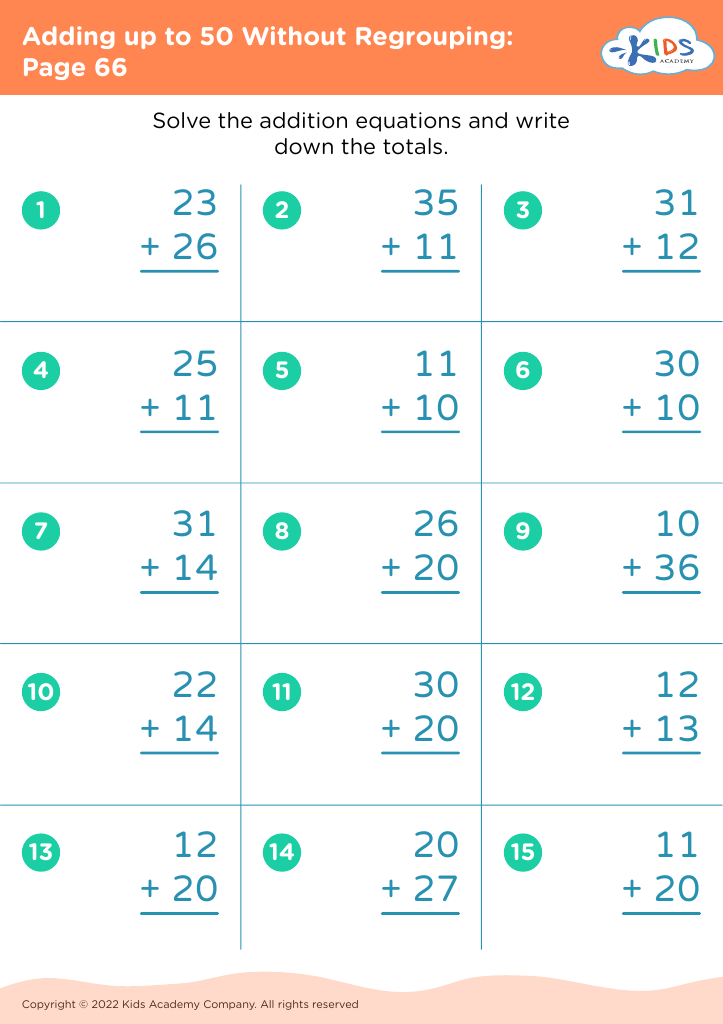
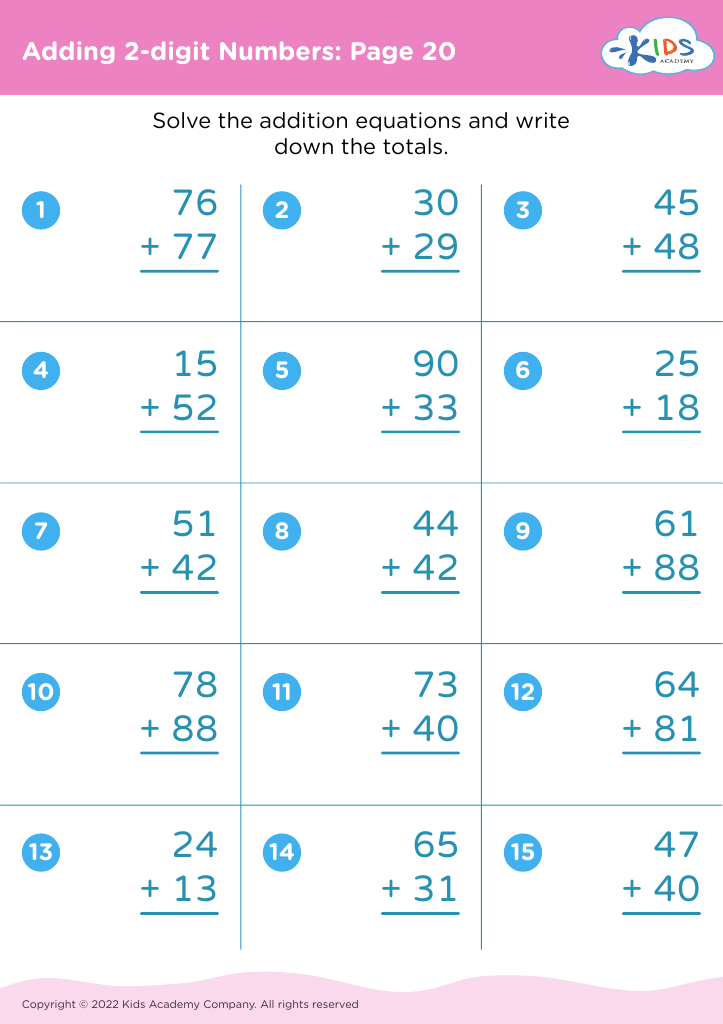
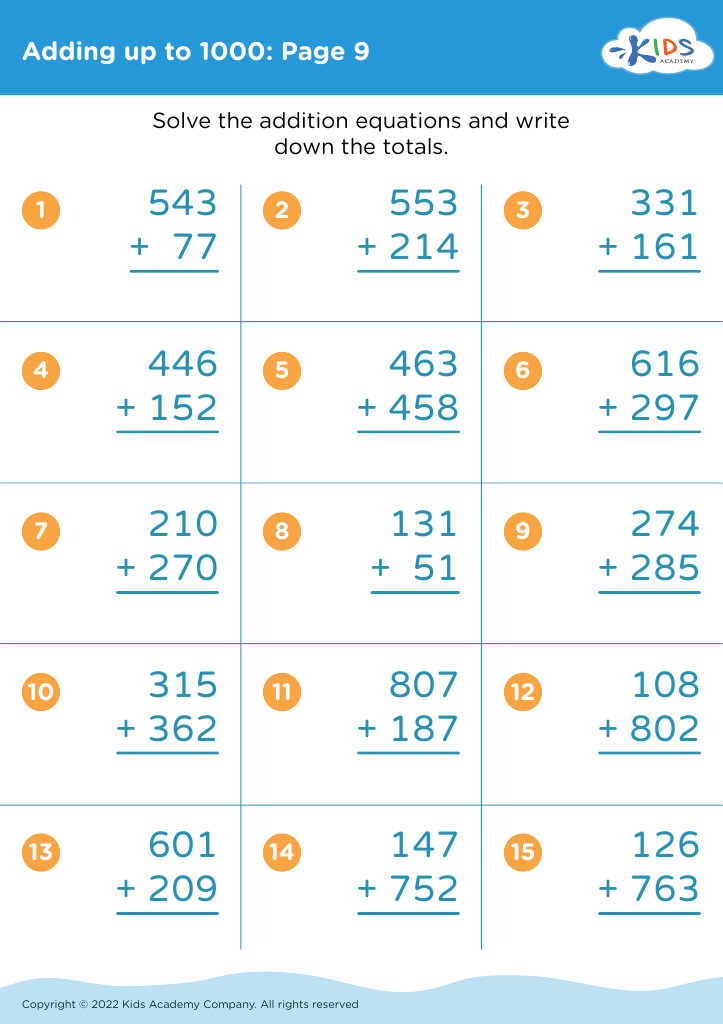
Join Kids Academy for Free
Who is primarily going to use this learning content?






Encouraging children ages 7-8 to practice division is crucial for their mathematical development and overall problem-solving skills. During this period, kids operate at a critical stage where they transition from simple arithmetic to more complex mathematical concepts. Dividing numbers teaches them how to handle sharing and distribution, crucial for everyday tasks and higher-level math, such as fractions and algebra.
Practicing division builds a strong numerical foundation and boosts confidence as children solve progressively challenging problems. It enhances their analytical thinking and attention to detail, which are vital skills across all subjects. When kids understand division, they're better prepared for multiplying, understanding ratios, and various practical applications, from dividing snacks evenly to managing finances as they grow older.
Moreover, consistent practice with division promotes persistence and resilience. Solving division problems requires children to engage deeply, refining their focus and patience. This perseverance not only benefits their mathematical journey but also translates into other life areas.
Children well-versed in division perform more robustly in standardized tests and overall academic challenges. Thus, parents and teachers investing time in teaching division to those aged 7-8 lay down a path for future academic well-being and equip them with essential life skills.








