Problem-Solving Skills Worksheets for Ages 7-8 - Page 4
320 filtered results
-
From - To
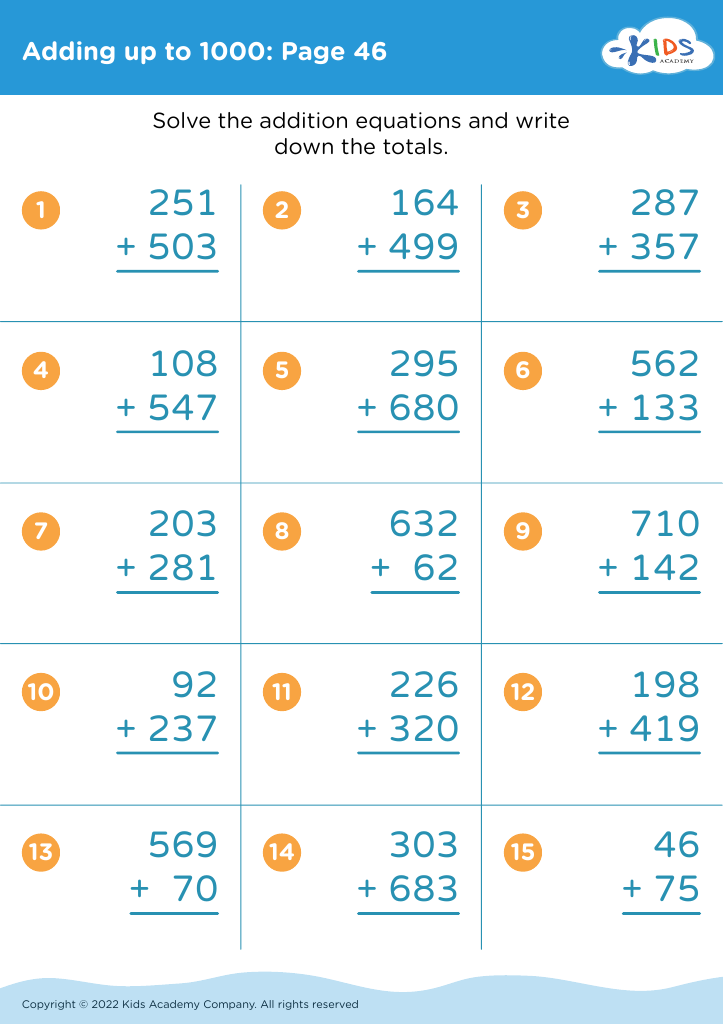
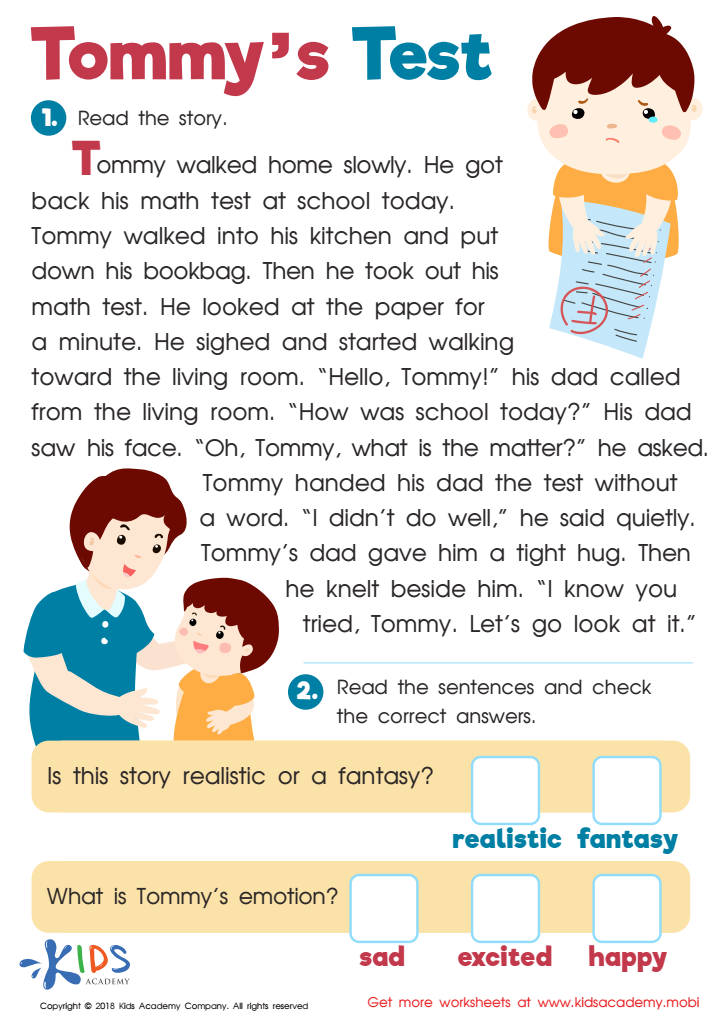
Tommys Test Worksheet
 Assign to My Students
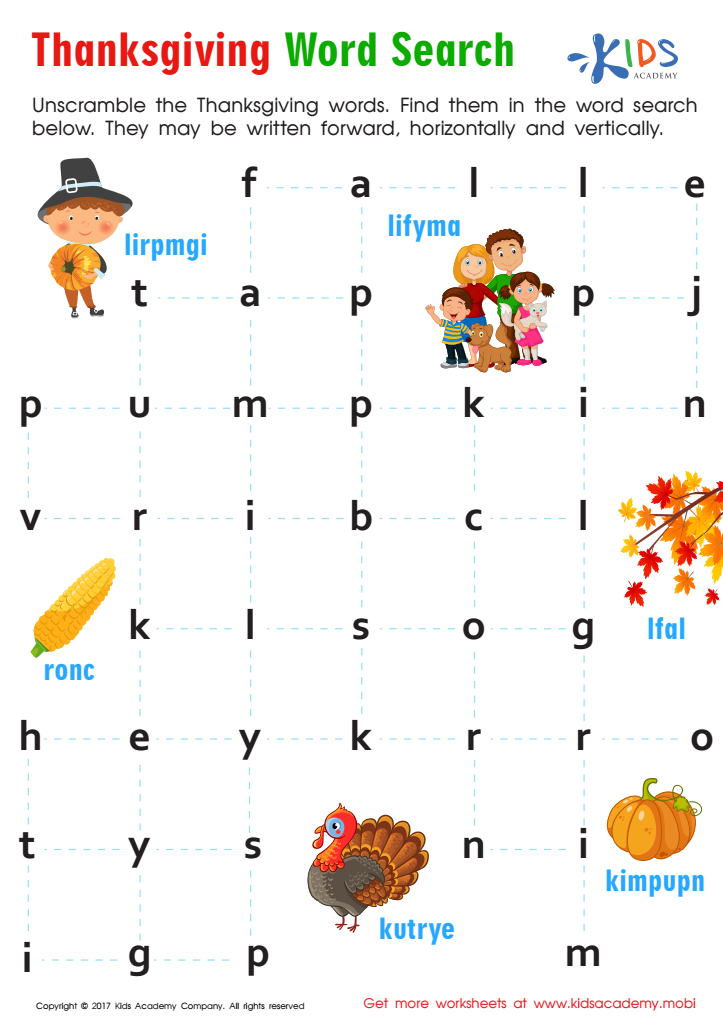
Thanksgiving Word Search Sight Words Worksheet
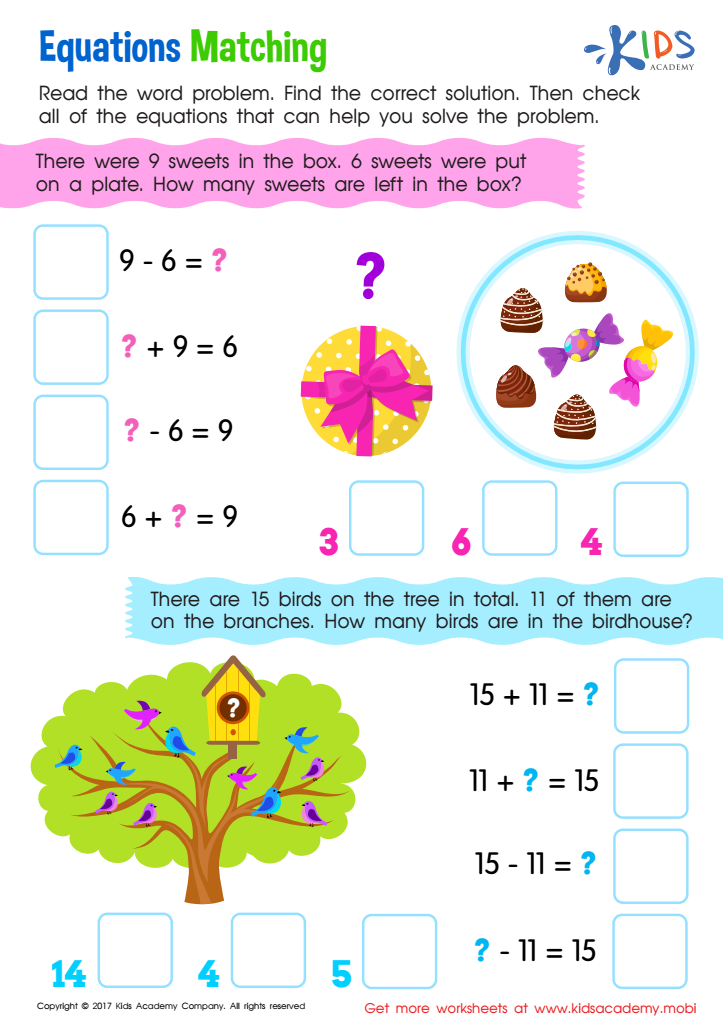
Equations Matching Word Problems Worksheet

Spaceship Maze: Galaxies Worksheet
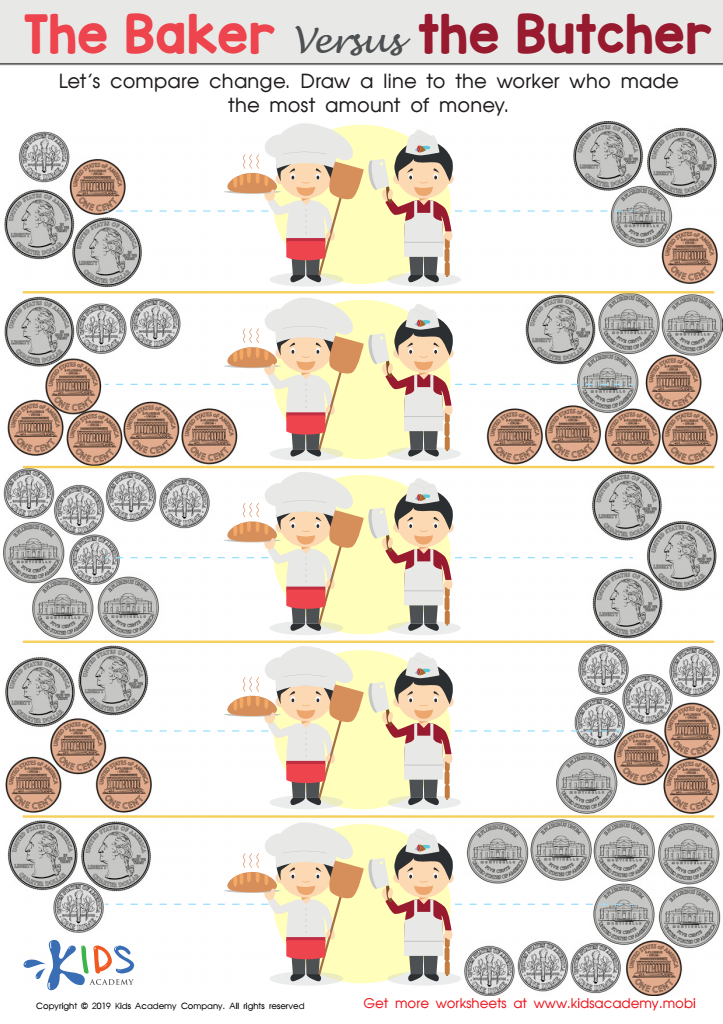
The Baker versus the Butcher Worksheet
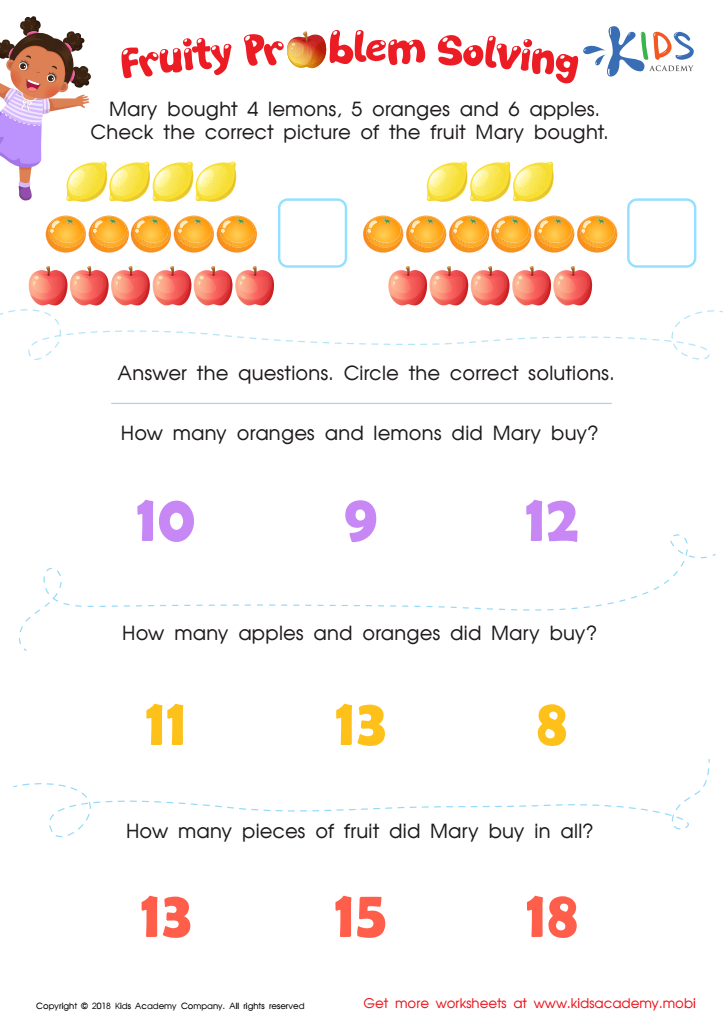
Fruity Problem Solving Worksheet
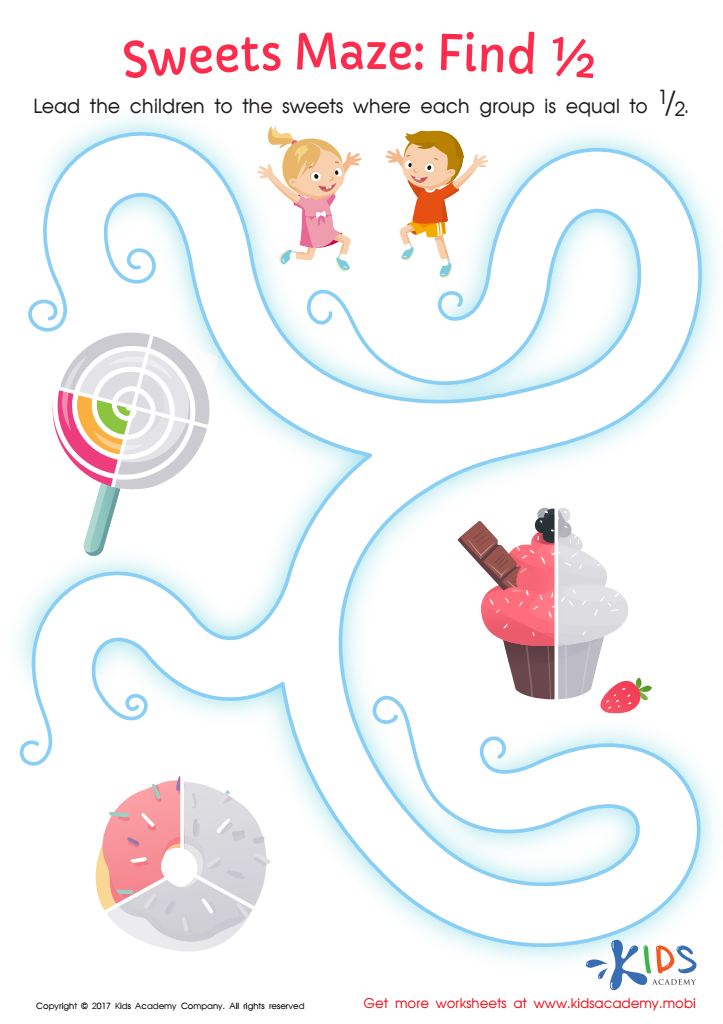
Fractions: Sweets Maze Worksheet
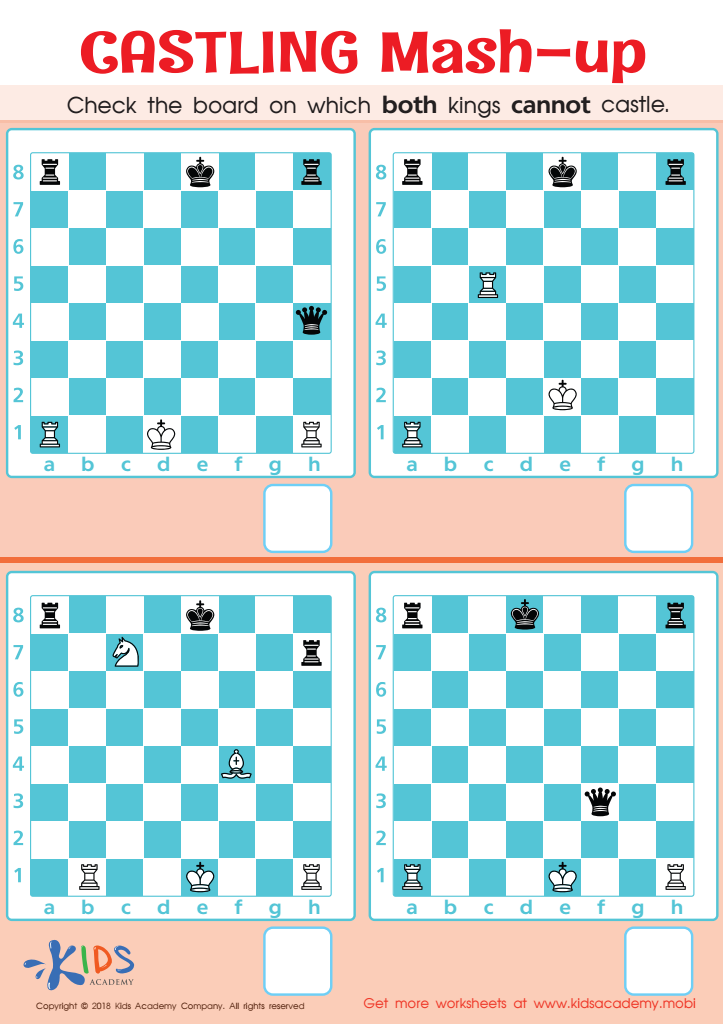
Castling Mash–up Worksheet
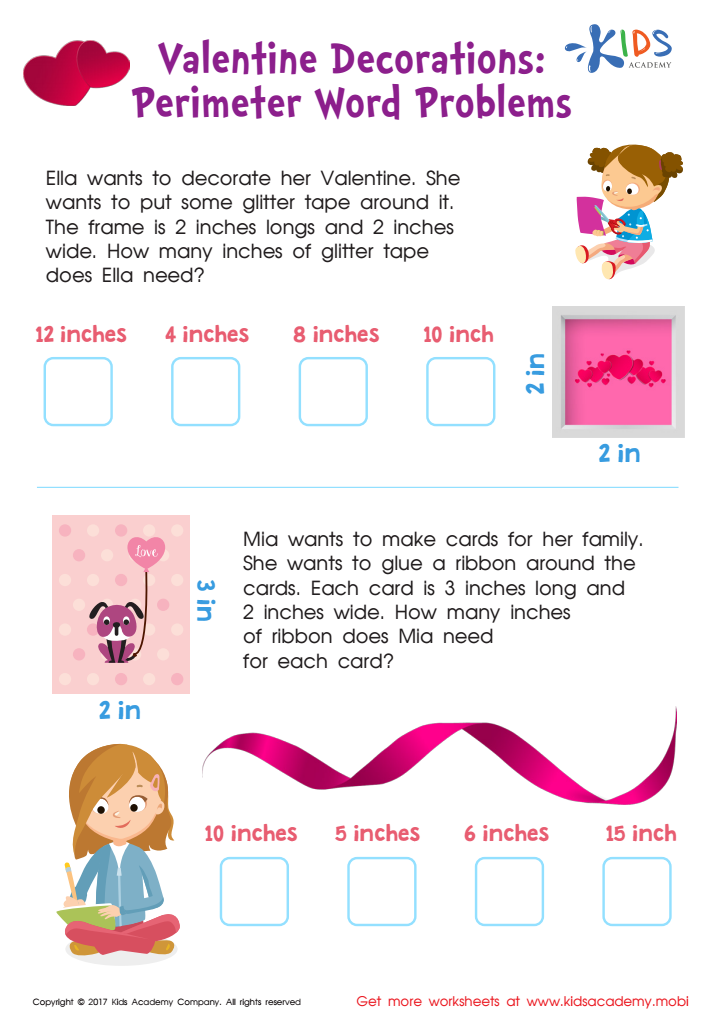
Perimeter Word Problems Worksheet
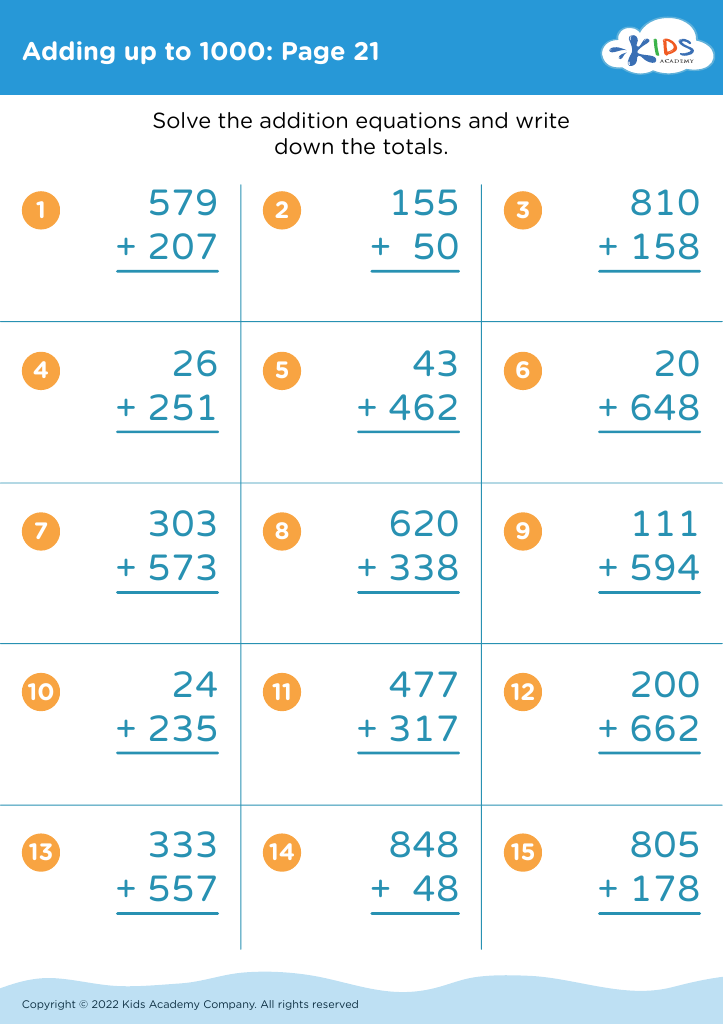
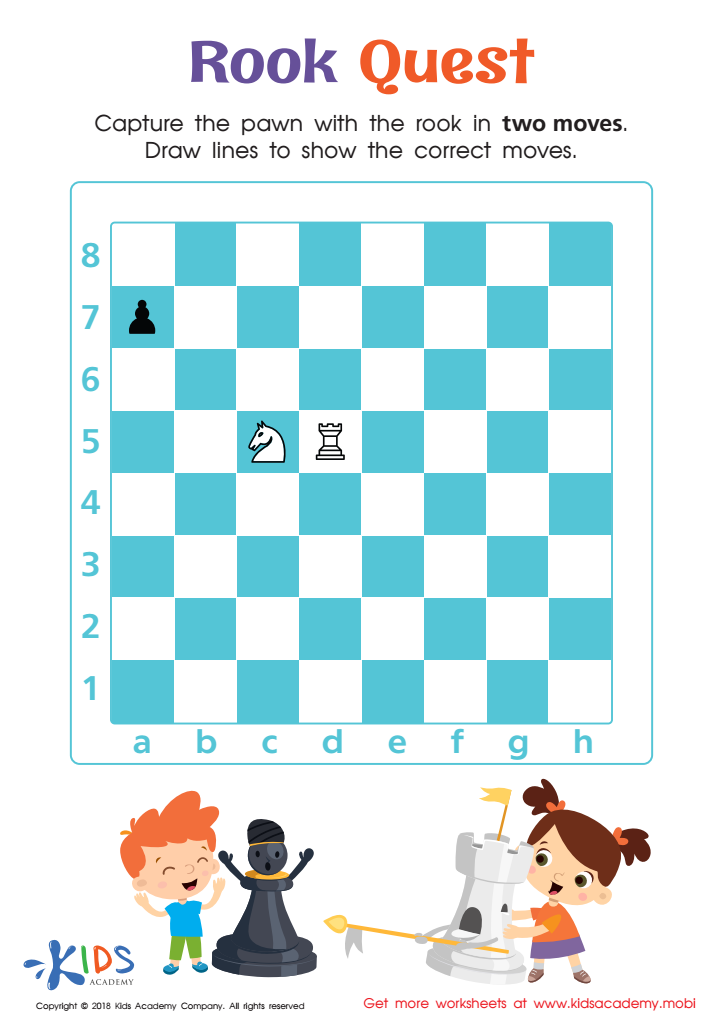
Rook Quest Worksheet
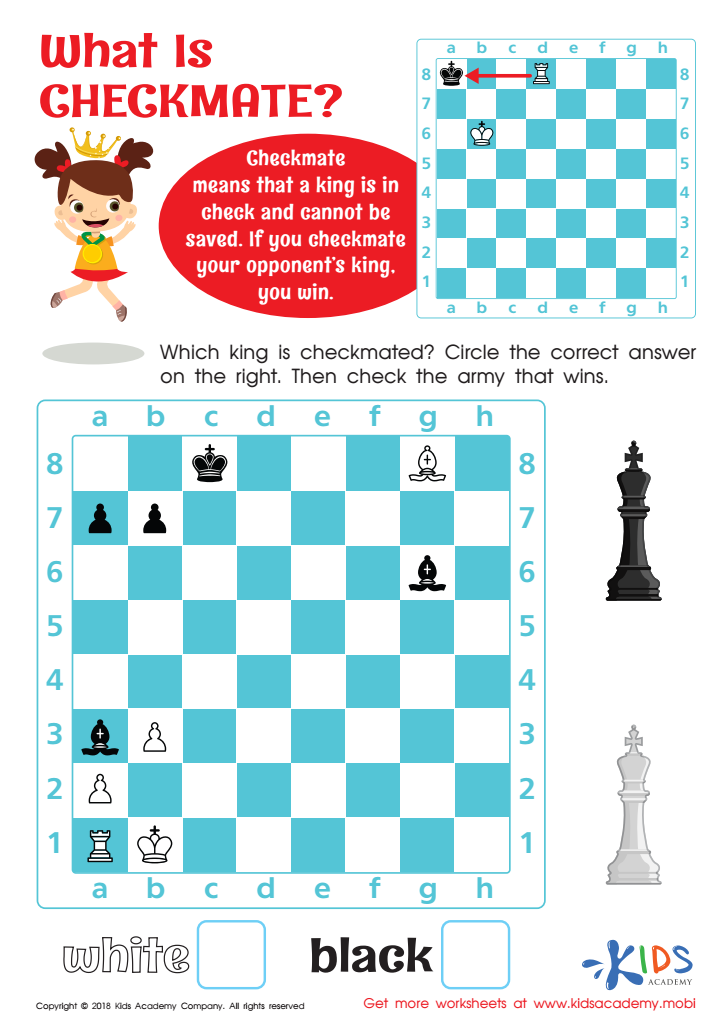
What is Checkmate? Worksheet
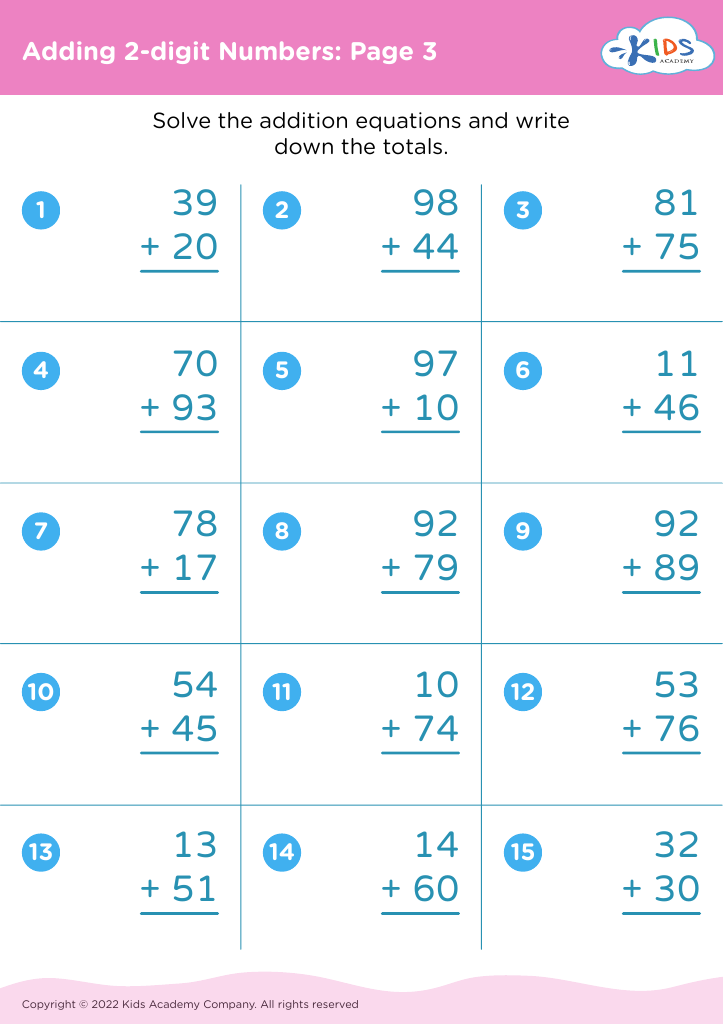
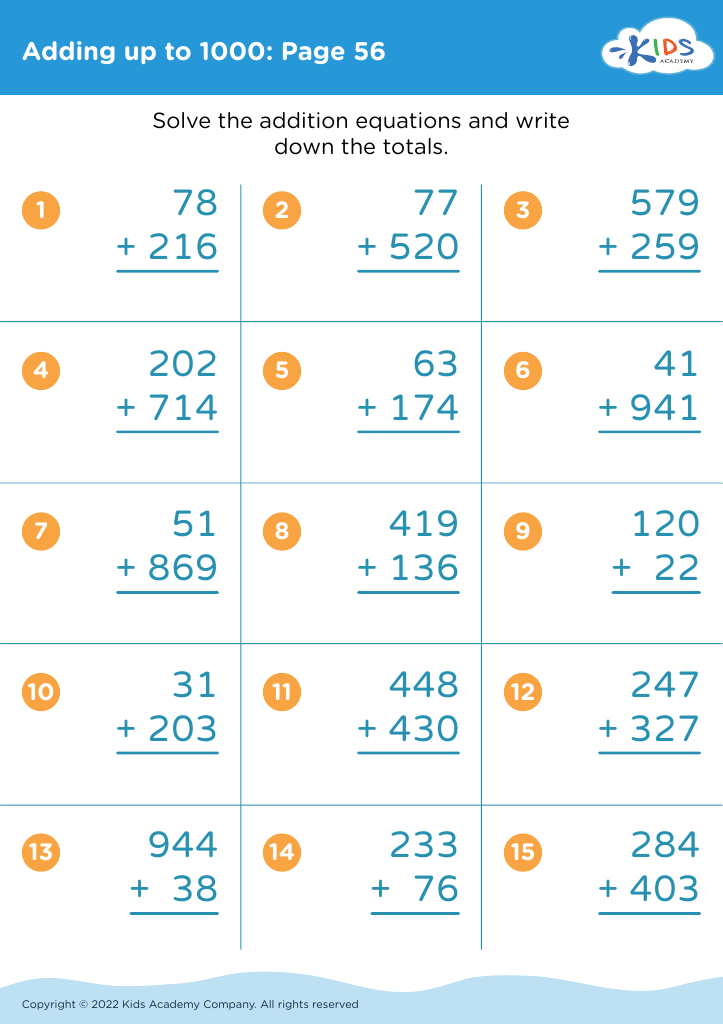
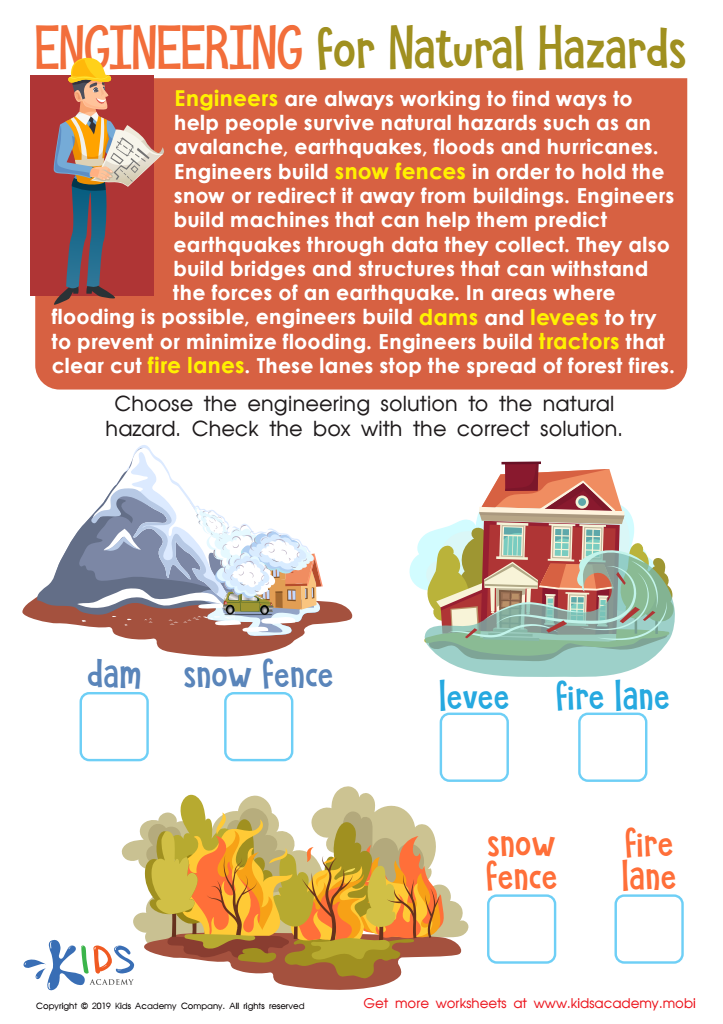
Engineering Natural Hazards Worksheet
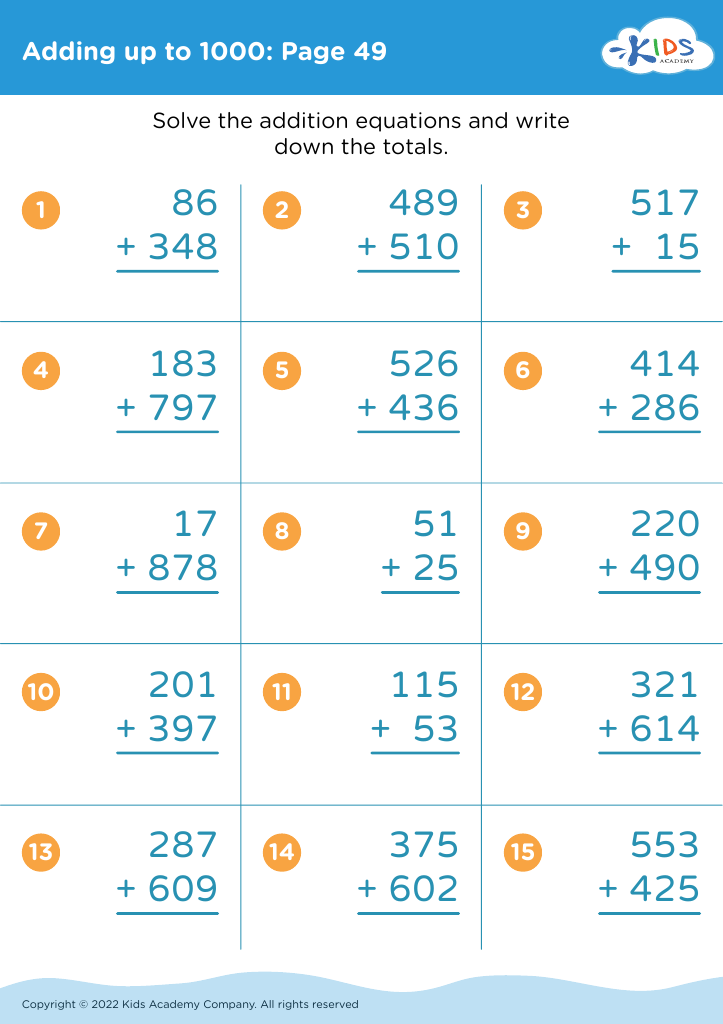
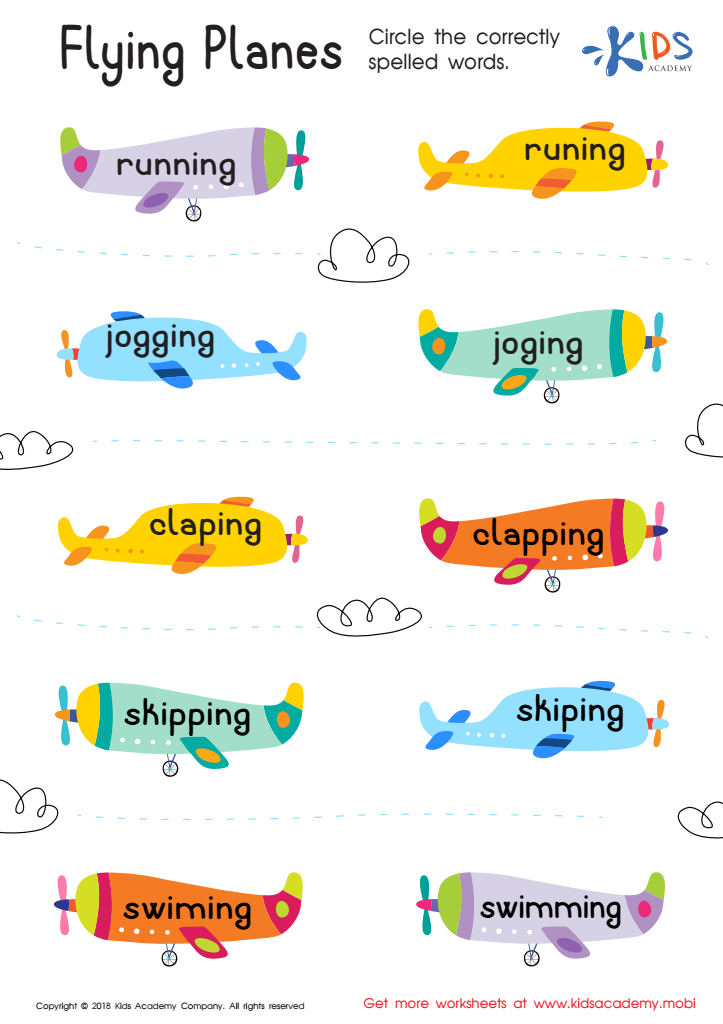
Flying Planes Worksheet
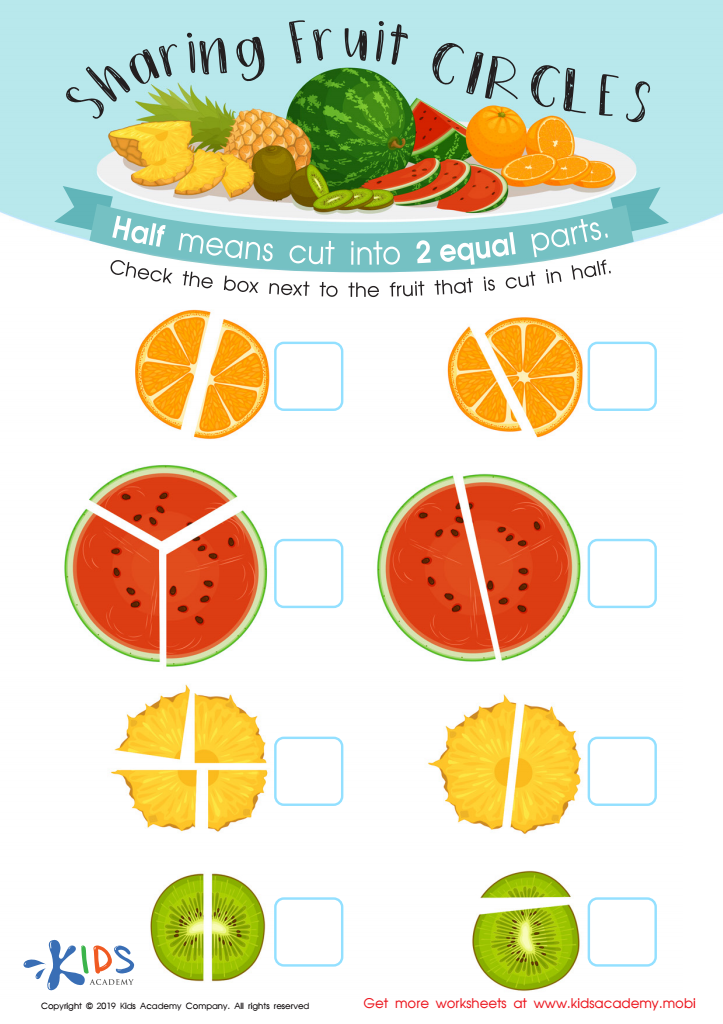
Sharing Fruit Circles Worksheet
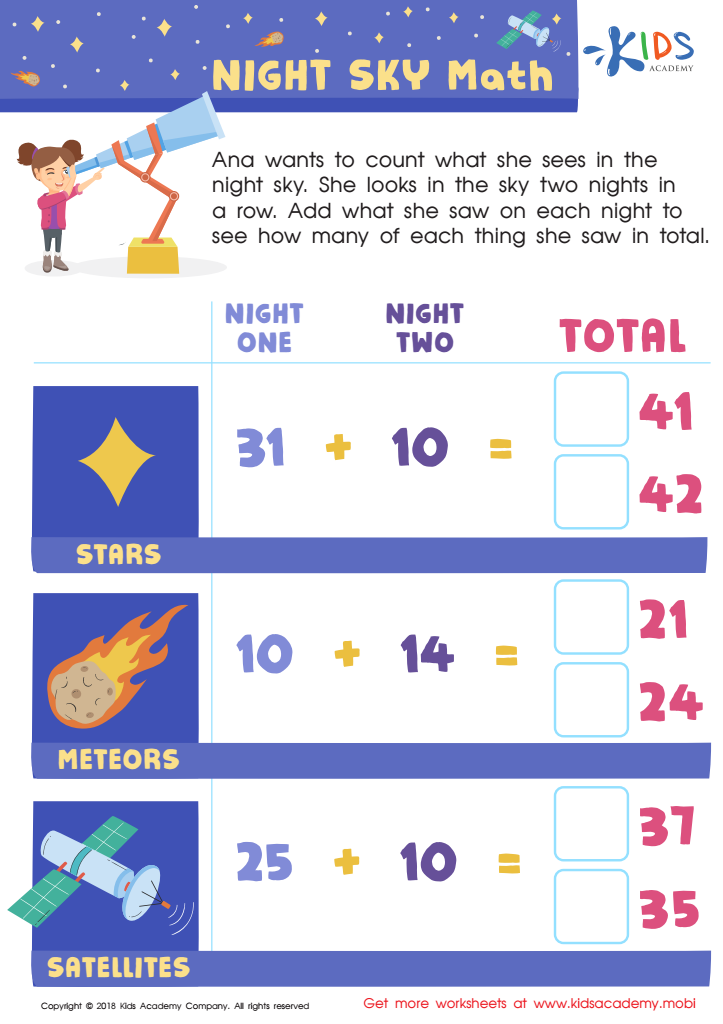
Night Sky Math Worksheet








Parents and teachers should prioritize problem-solving skills for children ages 7-8 for several compelling reasons. At this developmental stage, children are transitioning from concrete thinking to a more abstract reasoning style, providing an optimal opportunity to enhance their critical thinking abilities. Strong problem-solving skills empower children to approach challenges with confidence, enabling them to learn resiliency and adaptability in the face of uncertainty.
These skills foster independence as children learn to tackle challenges rather than relying solely on adults for solutions. Problem-solving also enhances academic performance, as improved analytical skills contribute to better mathematics, science, and language proficiency. Moreover, social-emotional skills are bolstered through teamwork and communication during problem-solving activities, helping kids learn to collaborate effectively with peers.
Encouraging problem-solving in everyday situations also nurtures creativity, giving children the tools to think outside the box as they explore multiple solutions to a single issue. Ultimately, equipping children with strong problem-solving skills prepares them not just for academic success, but also for real-world situations, ensuring they grow into capable and confident individuals. Thus, parents and teachers play a critical role in guiding this important aspect of a child’s development.








