Spatial reasoning Worksheets for Ages 7-8
7 filtered results
-
From - To
Enhance your child's critical thinking abilities with our engaging Spatial Reasoning Worksheets designed for ages 7-8. These worksheets provide fun and interactive activities that help children develop essential skills in understanding shapes, patterns, and spatial relationships. Each exercise is tailored to challenge young minds, fostering logical reasoning and problem-solving capabilities. With colorful illustrations and age-appropriate tasks, your child will enjoy honing their spatial skills while building confidence in their academic abilities. Explore our comprehensive collection and watch your child thrive in their learning journey. Ideal for at-home practice or classroom use, our worksheets are a fantastic resource for every young learner!
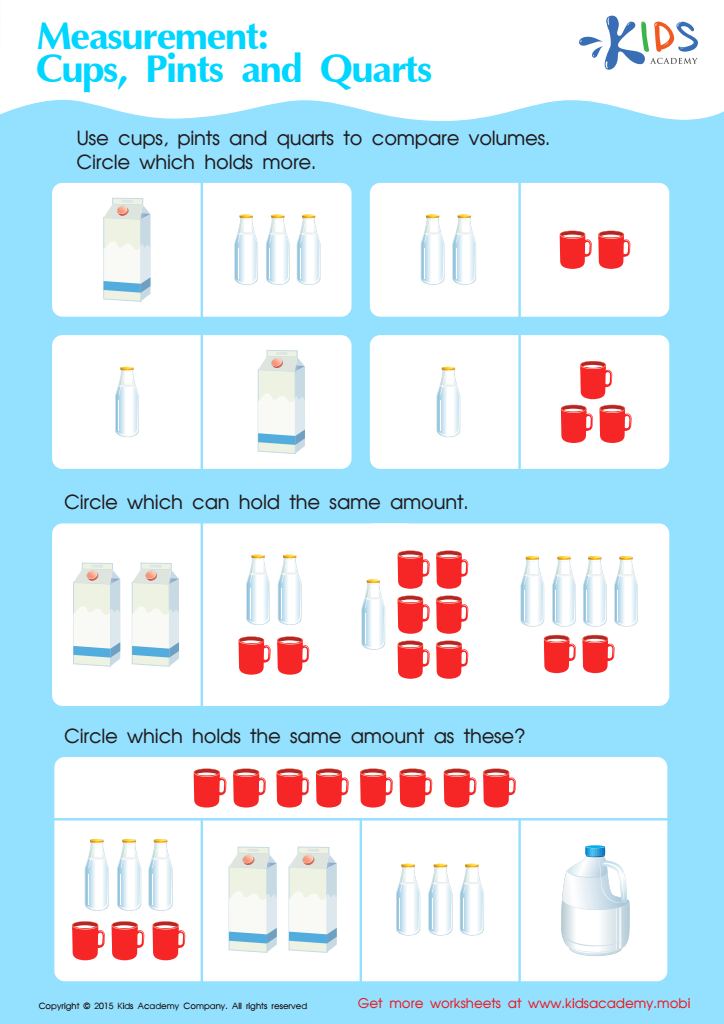
Measurement: Compare Volumes Worksheet
 Assign to My Students
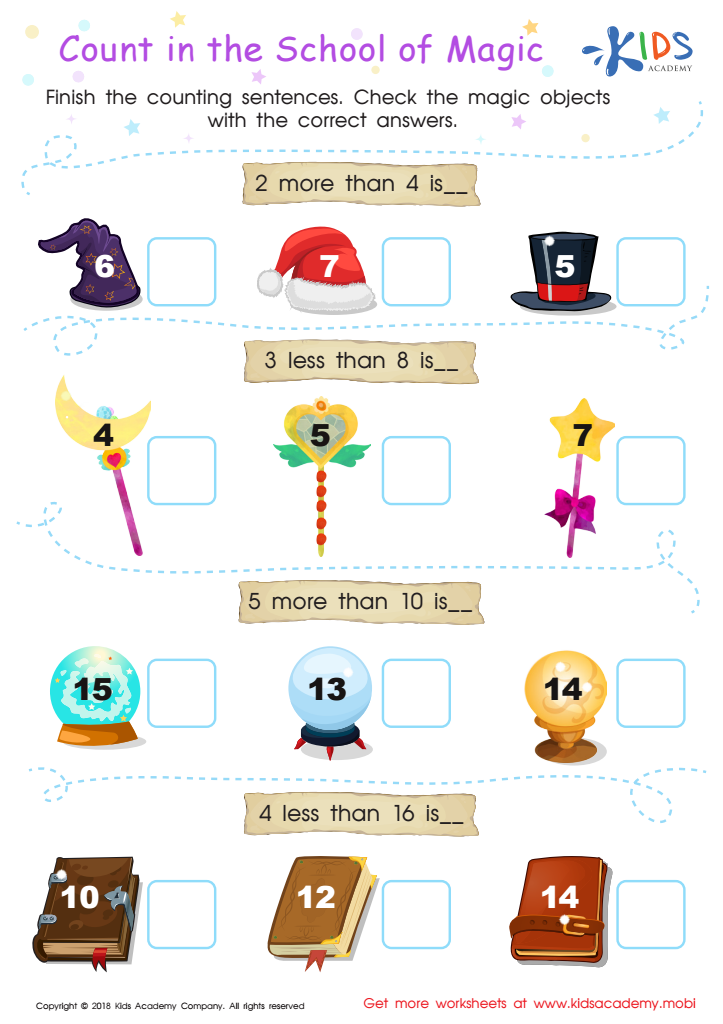
Count in the School of Magic Worksheet
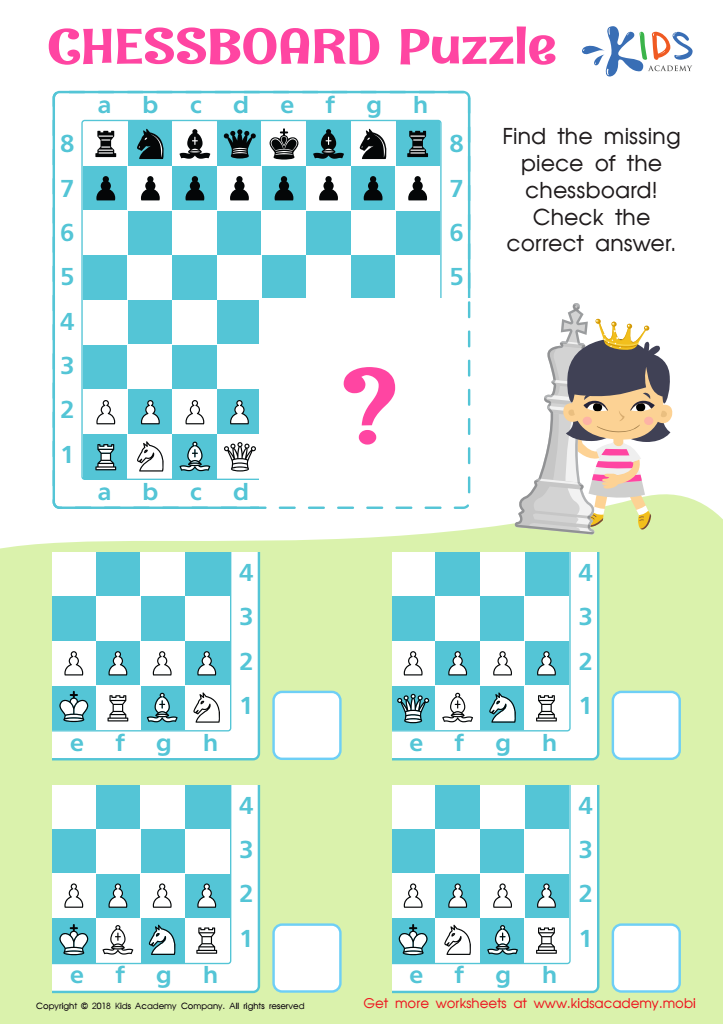
Chessboard Puzzle Worksheet
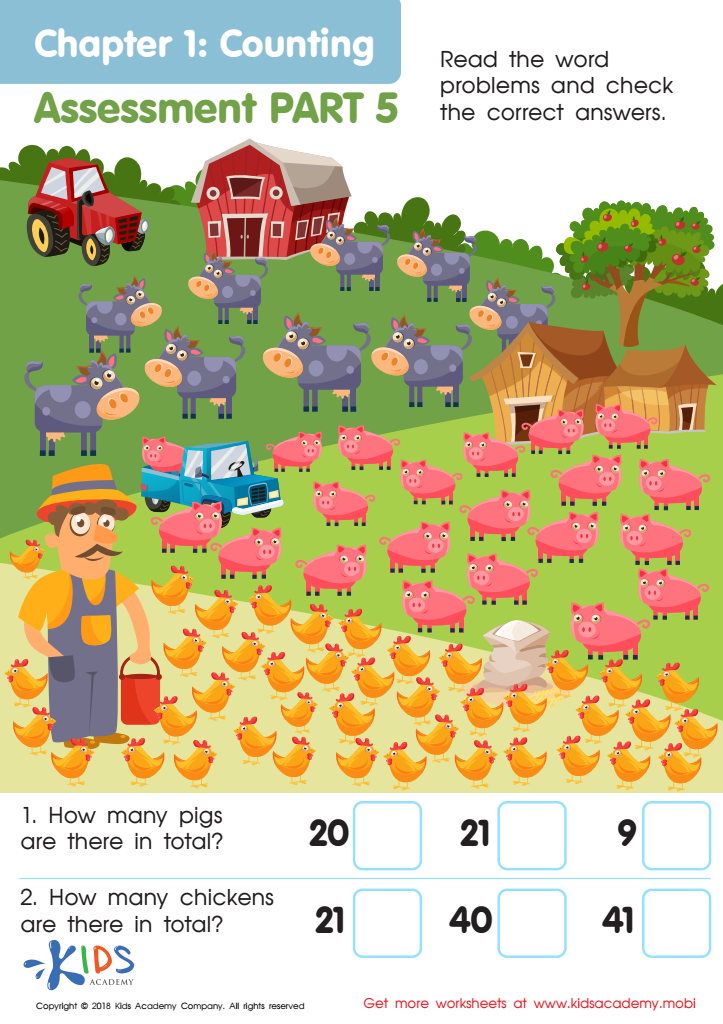
Counting: Assessment 5 Worksheet
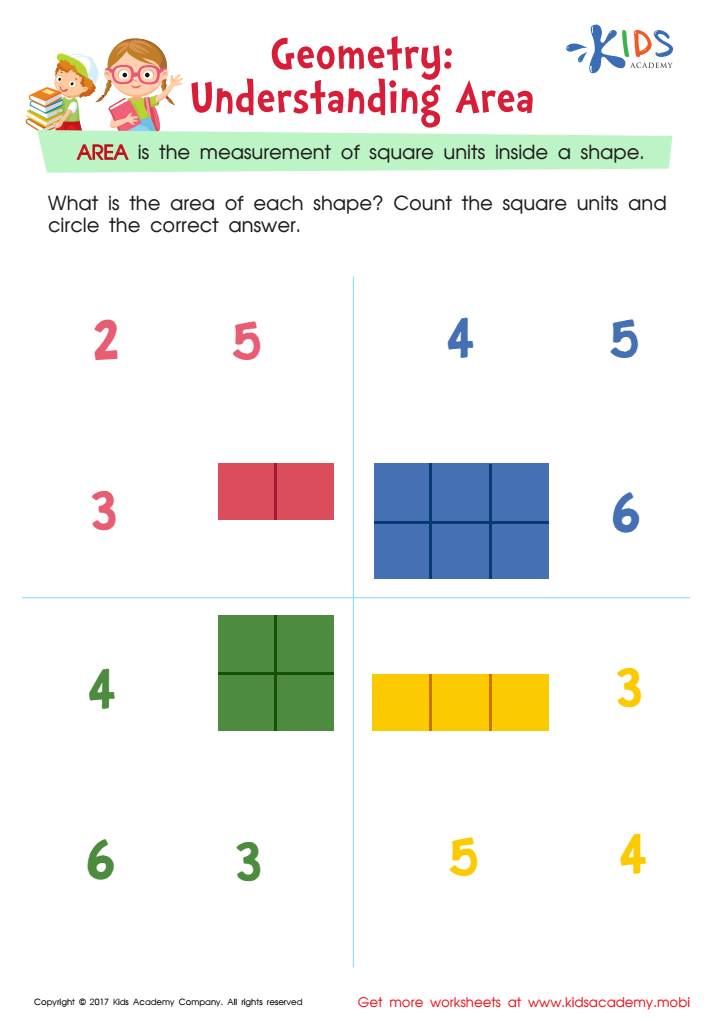
Understanding Area Worksheet
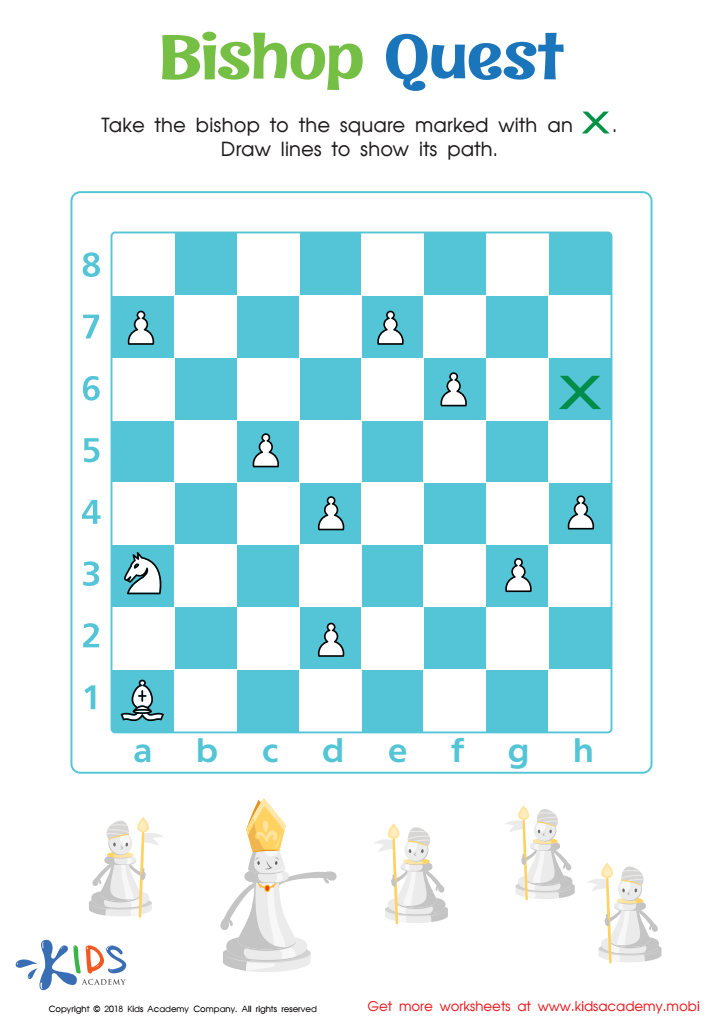
Bishop Quest Worksheet
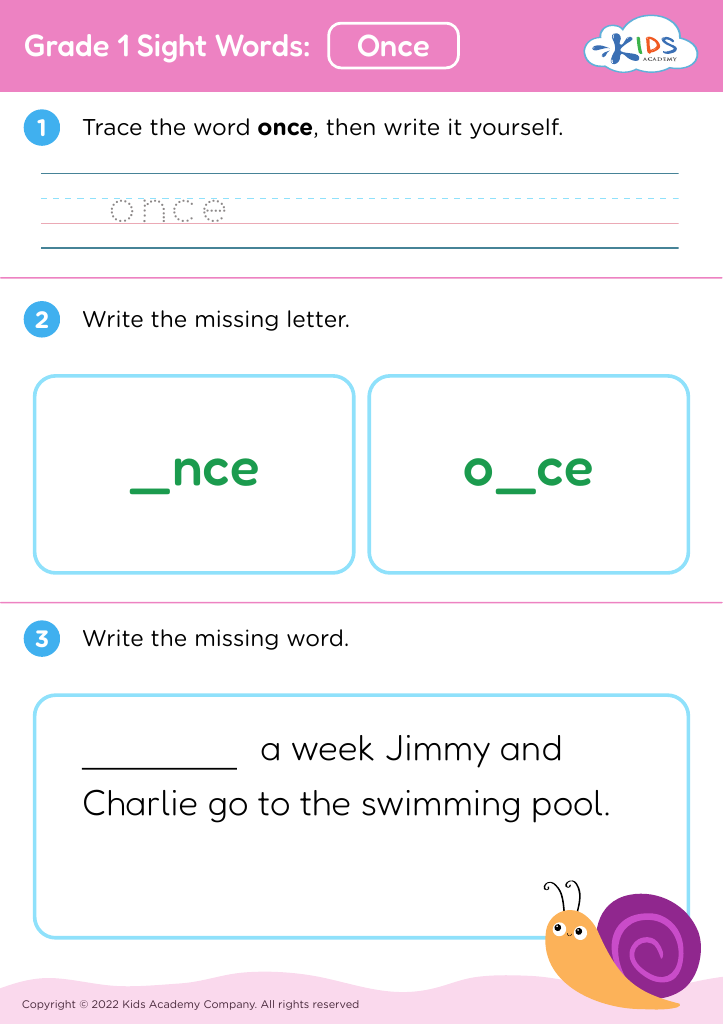








Spatial reasoning refers to the ability to understand and manipulate shapes, figures, and spatial relationships in our environments. For children aged 7-8, developing this skill is crucial for several reasons.
Firstly, spatial reasoning is foundational for success in subjects like mathematics and science. It enables students to comprehend concepts like geometry, measurement, and problem-solving. For example, the ability to visualize and manipulate geometric shapes is essential as students progress to more complex mathematical concepts.
Secondly, strong spatial skills are linked to everyday life skills. Activities such as reading maps, playing sports, or even packing a bag require an understanding of spaces and their dimensions. Facilitating the development of these skills can nurture independence and confidence in children.
Additionally, research suggests that spatial reasoning can have a long-term impact on future academic and career opportunities, particularly in STEM fields (science, technology, engineering, and mathematics). By emphasizing the importance of spatial reasoning in the curriculum and at home, parents and teachers can help build a robust skill set that fosters critical thinking, creativity, and problem-solving abilities.
In summary, supporting the development of spatial reasoning in children ages 7-8 not only enhances their academic performance but also equips them with practical life skills for the future.








