Time-telling skills Worksheets for Ages 7-8
7 filtered results
-
From - To
Enhance your child's ability to read the clock and understand time with our fun and engaging Time-telling Skills Worksheets for Ages 7-8. These expertly crafted worksheets are designed to help children grasp the concepts of hours, half-hours, quarters, and minutes through interactive activities. With vibrant illustrations and easy-to-follow instructions, young learners can practice and build their confidence in telling time. Perfect for classroom supplementation or home practice, our worksheets make learning to tell time a breeze. Equip your seven to eight-year-old with essential time-telling skills they will use for a lifetime! Download and print today to get started!
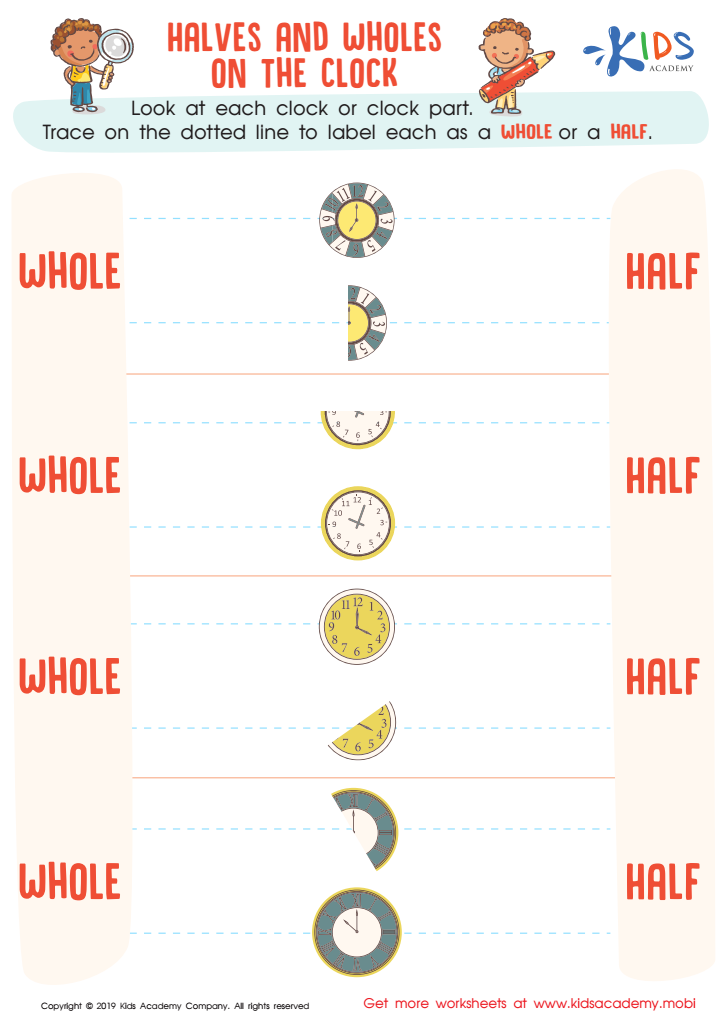
Halves and Wholes on the Clock Worksheet
 Assign to My Students
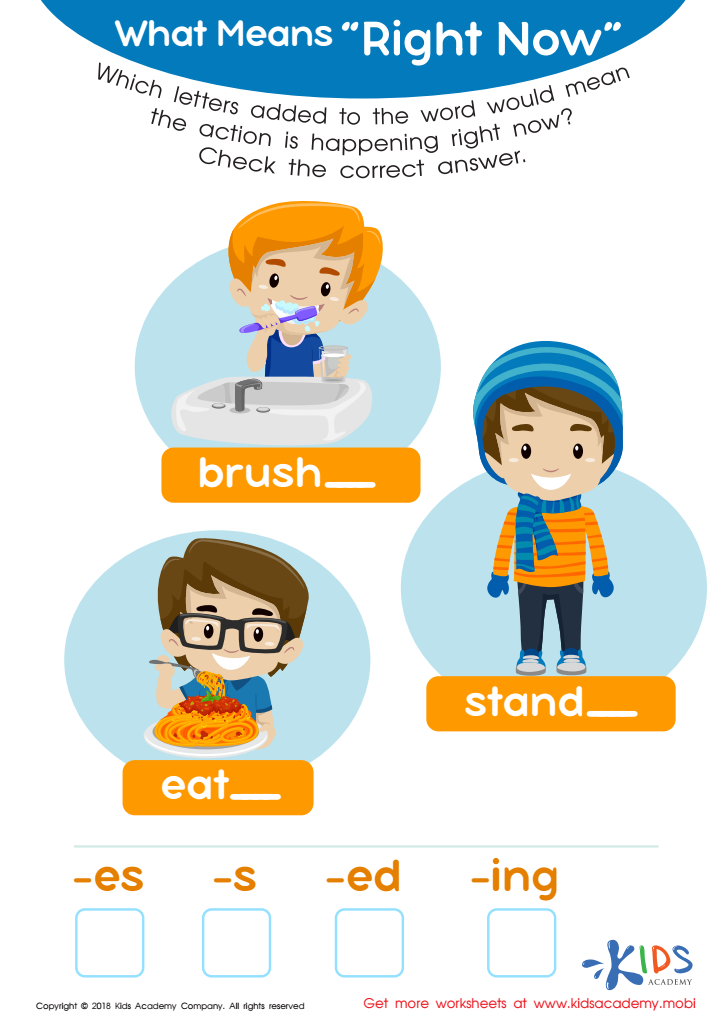
What Means "Right Now" Worksheet
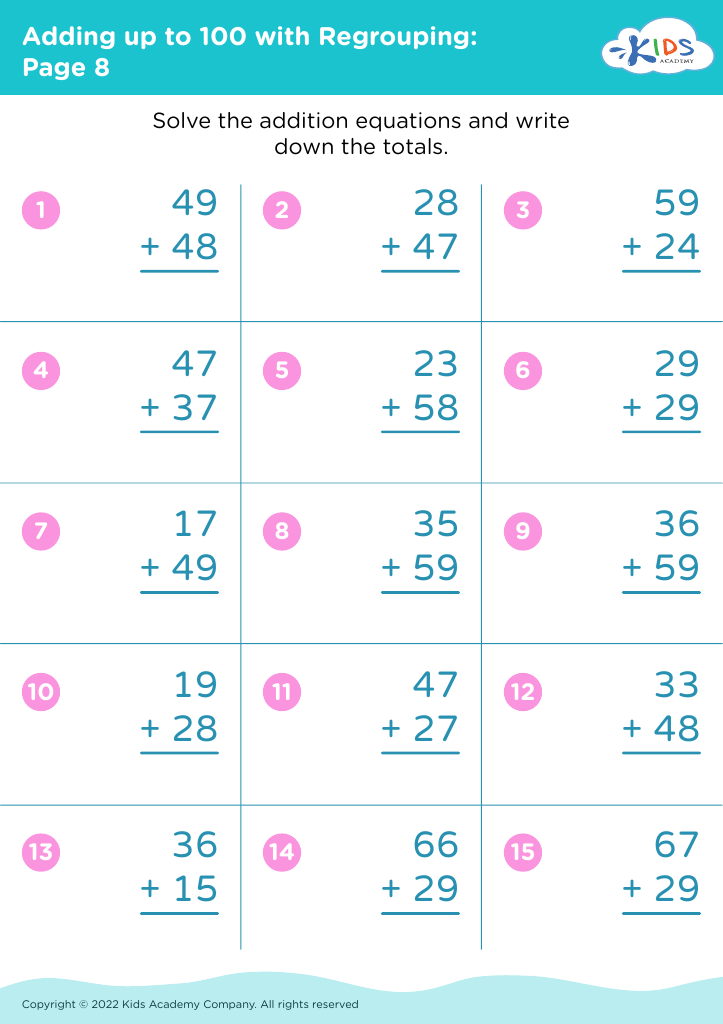
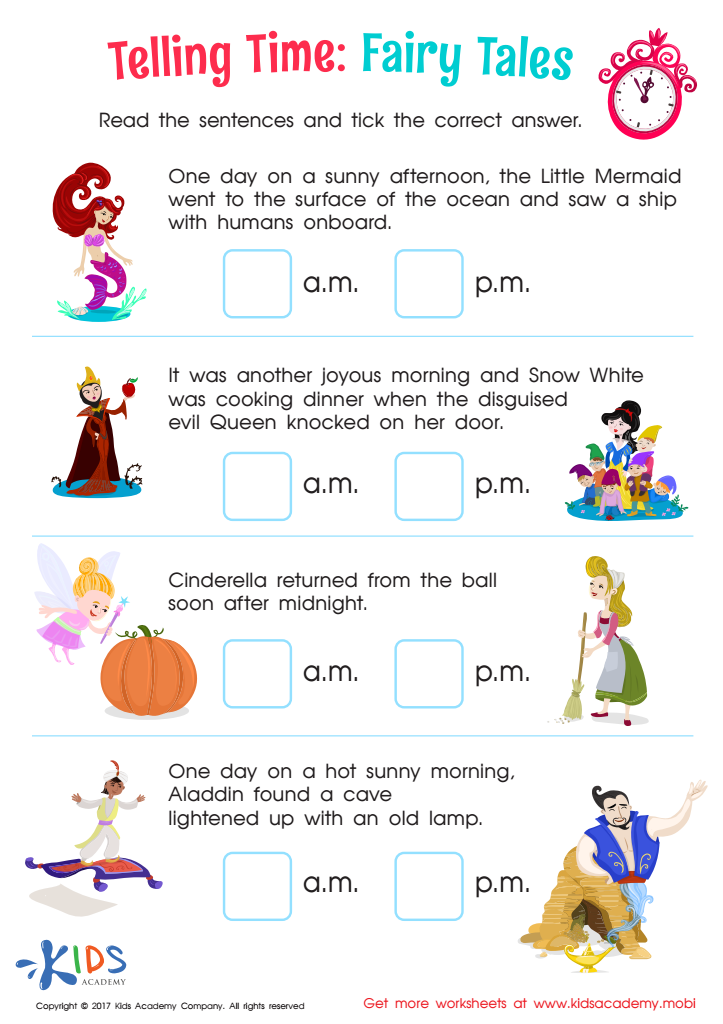
Telling Time: Fairy Tales Worksheet
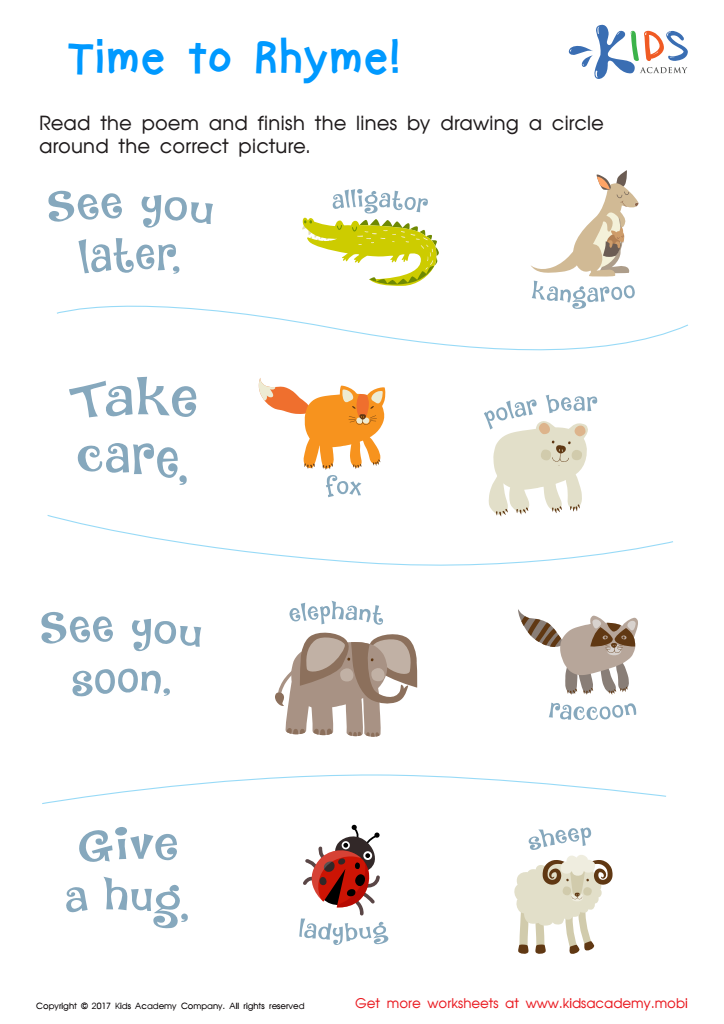
Time to Rhyme Rhyming Worksheet
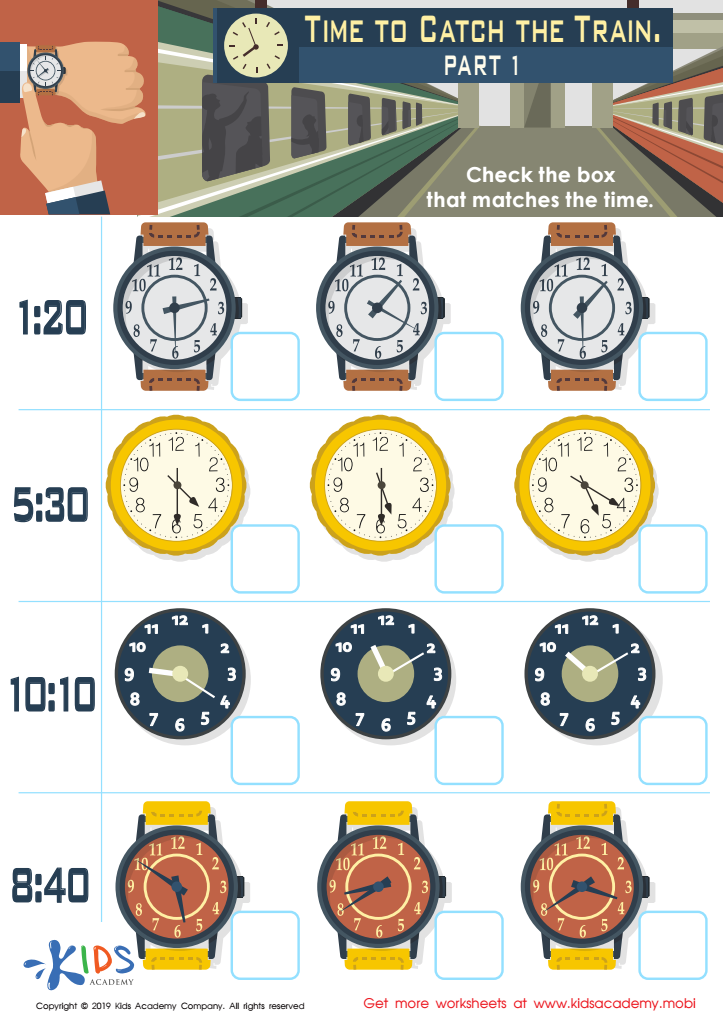
Time to Catch the Train Part 1 Worksheet
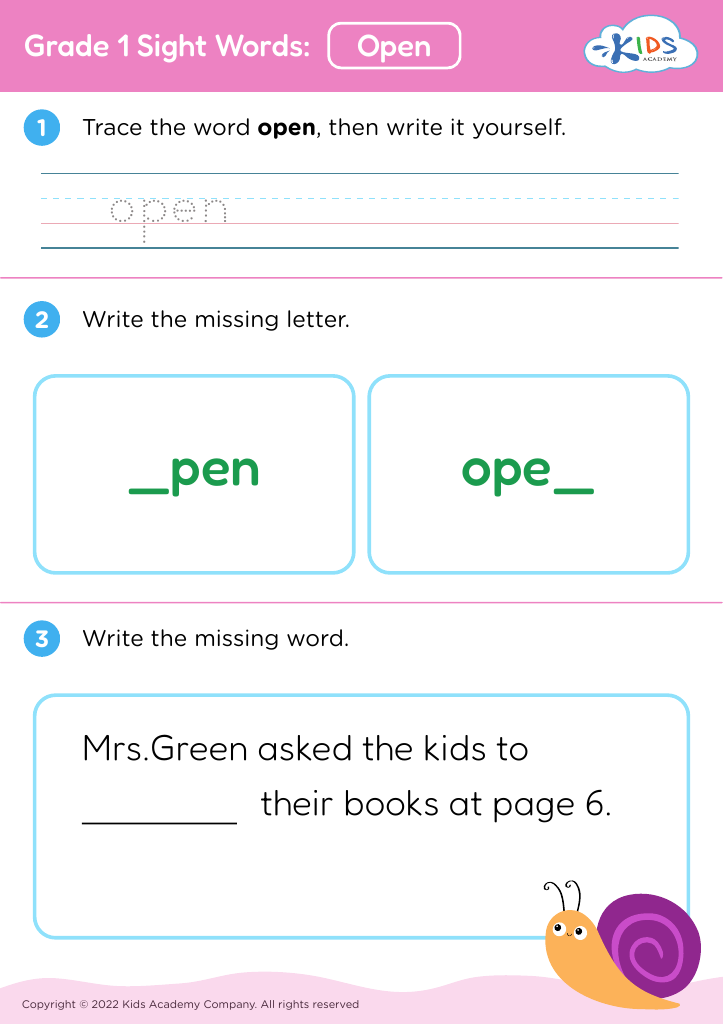







Time-telling skills for children aged 7-8 are crucial for their daily routines and long-term development. By mastering these skills, children learn to manage their time effectively, which is vital for school, extracurricular activities, and home responsibilities. Knowing how to read clocks helps them grasp the concept of time, contributing to a structured daily schedule – making transitions, such as from playtime to homework, smoother and more predictable.
Furthermore, understanding the passage of time bolsters other academic skills, particularly math, as they deal with numbers, sequences, and intervals. It improves their ability to estimate duration and anticipate future events, which are foundational for developing strong organizational and planning skills.
Additionally, time-telling cultivates independence. When children can read the time, they begin to take responsibility for punctuality. Whether it’s getting ready for school in the morning or transitioning to different activities during the day, knowing when to start and stop tasks aids in building a sense of responsibility.
Finally, in today’s fast-paced world, time management is an essential life skill that forms early and stays with us throughout adulthood. Therefore, ensuring children are comfortable with time-telling at this developmental stage sets the foundation for a lifetime of effective time management.








