Understanding ecosystems Worksheets for Ages 7-8
7 filtered results
-
From - To
Explore our engaging "Understanding Ecosystems Worksheets for Ages 7-8," designed to ignite curiosity and foster a love for nature in young learners. These interactive worksheets introduce essential concepts of ecosystems, helping children understand the relationships between living organisms and their environments. Through fun activities, quizzes, and visual aids, students will learn about habitats, food chains, and biodiversity. Perfect for homeschooling or classroom use, these worksheets facilitate hands-on learning and critical thinking. Empower your child to become an environmental steward while enhancing their knowledge with our comprehensive and flexible educational resources. Start exploring ecosystems today and make learning an adventure!
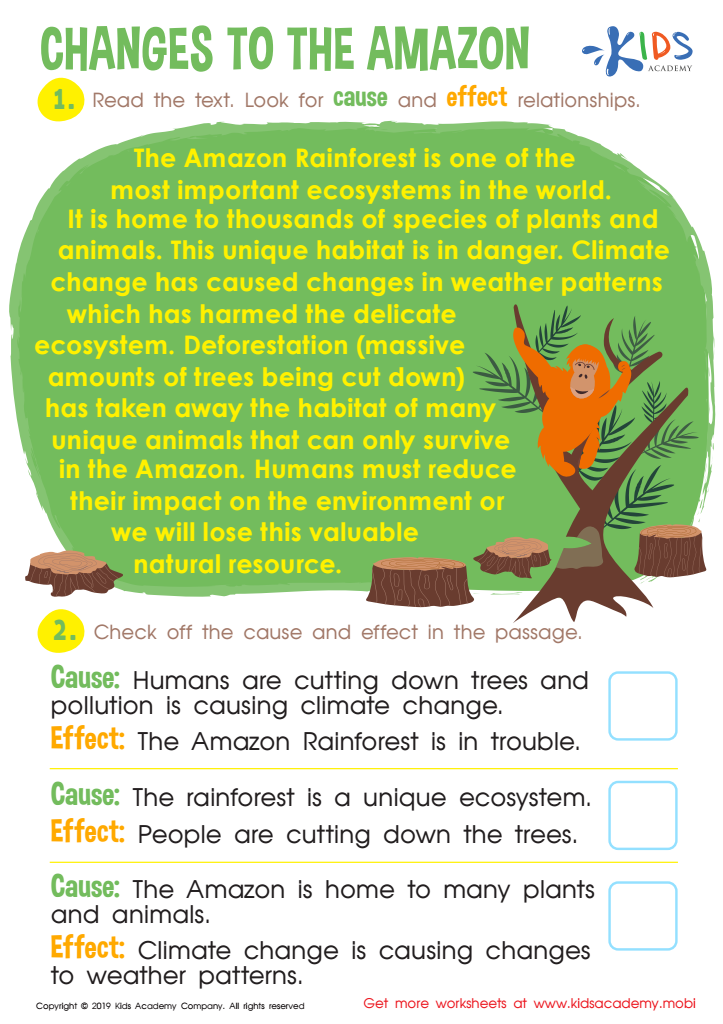
Changes to the Amazon Worksheet
 Assign to My Students
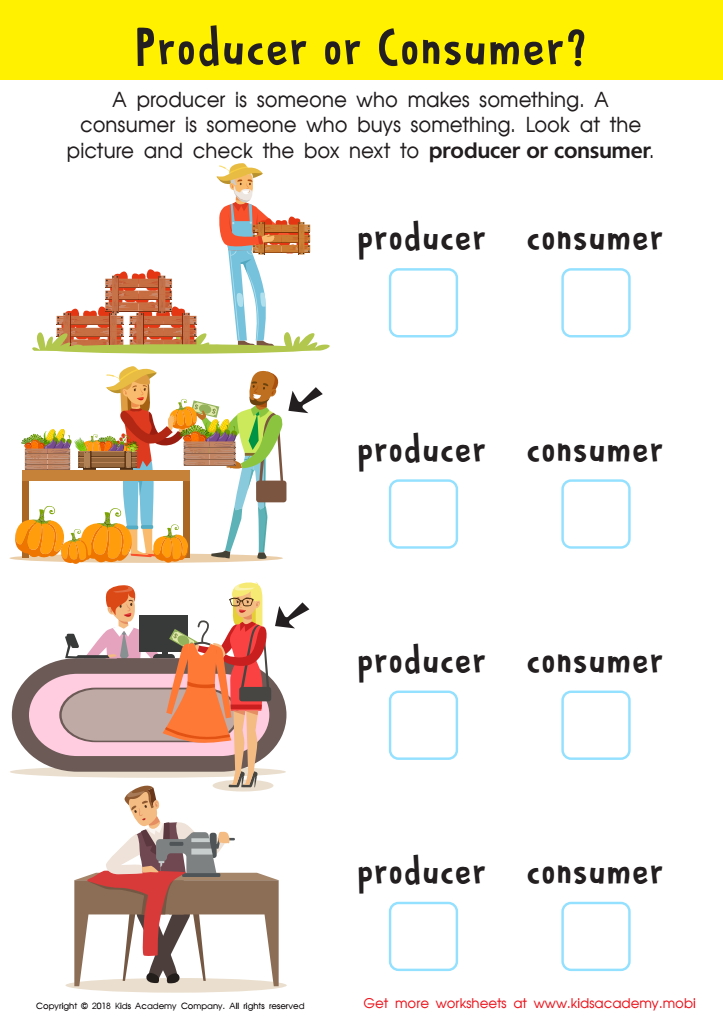
Producer or Consumer? Worksheet
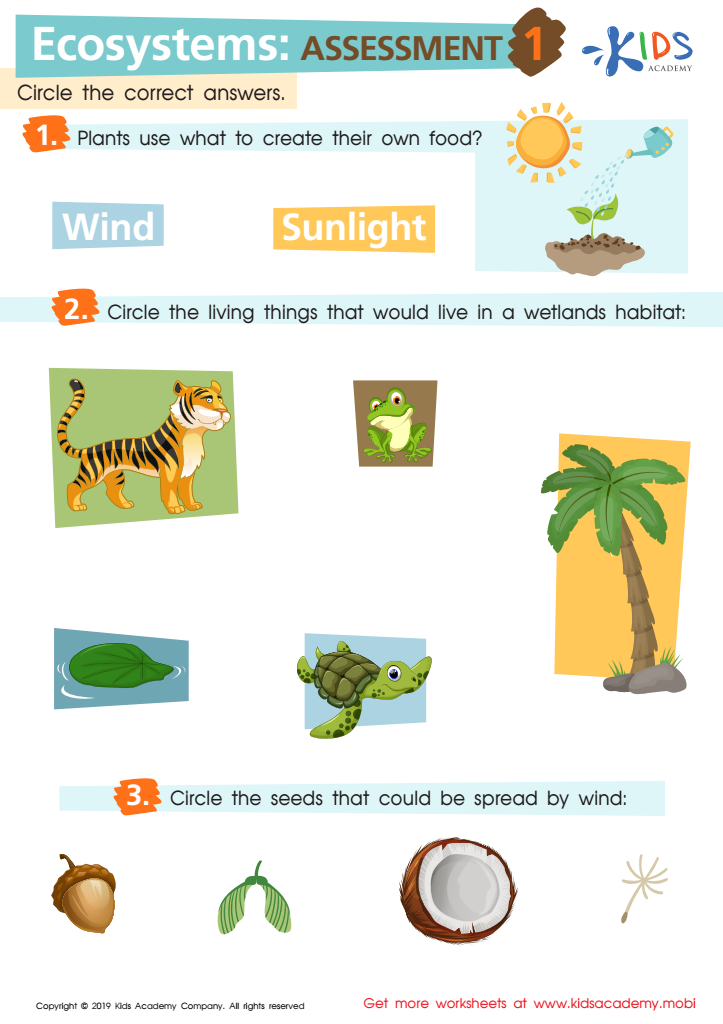
Ecosystems: Assessment 1 Worksheet
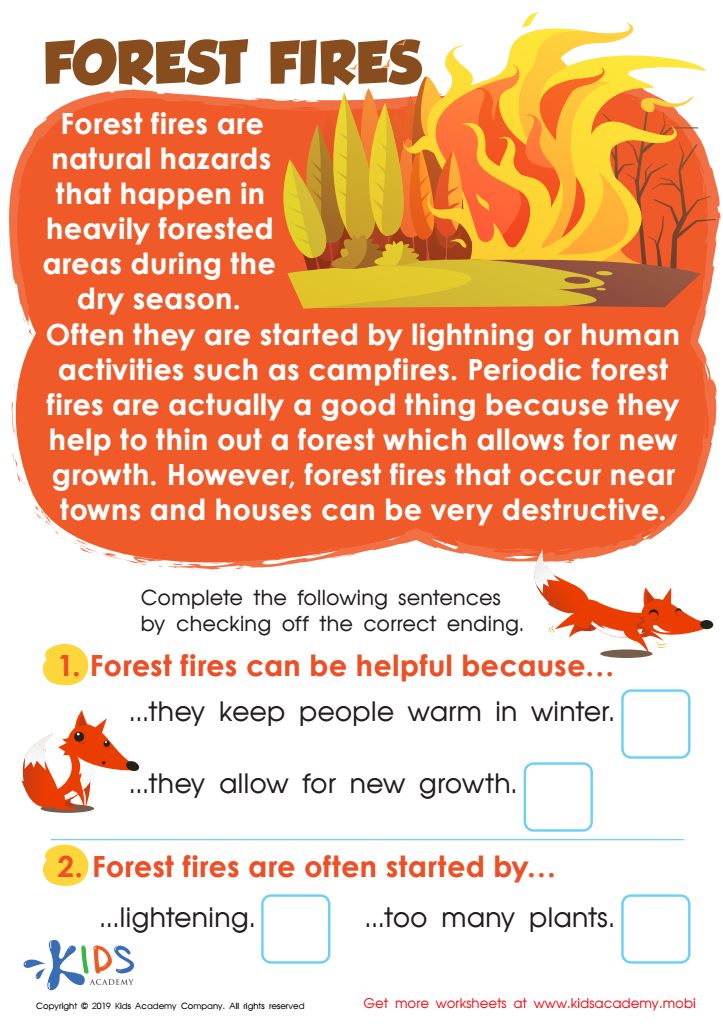
Forest Fires Worksheet
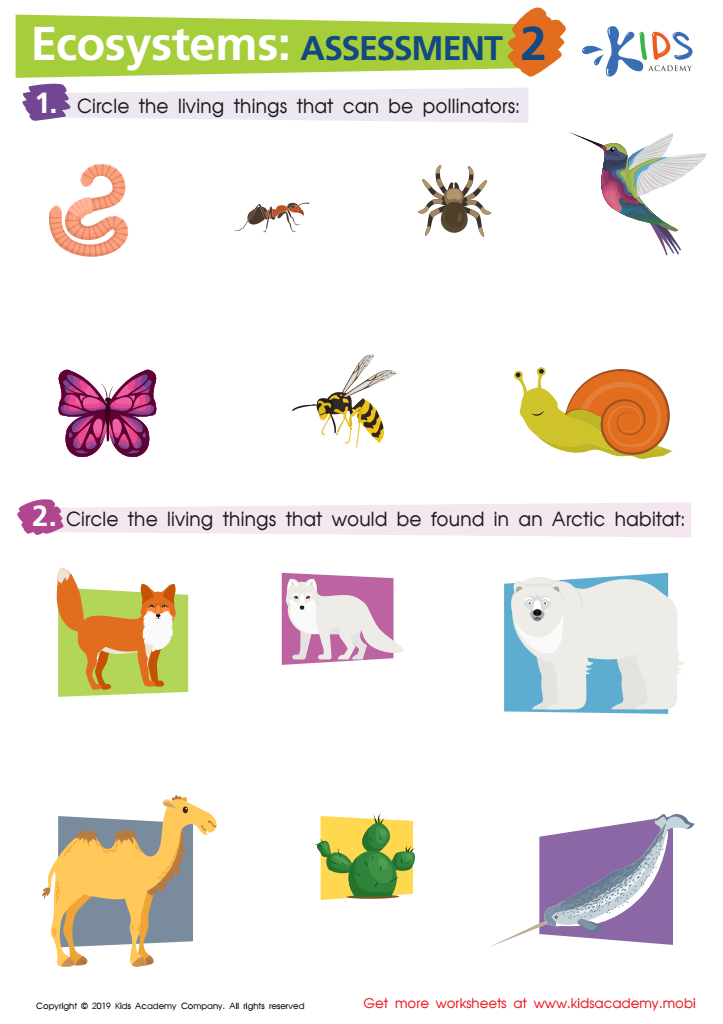
Ecosystems: Assessment 2 Worksheet
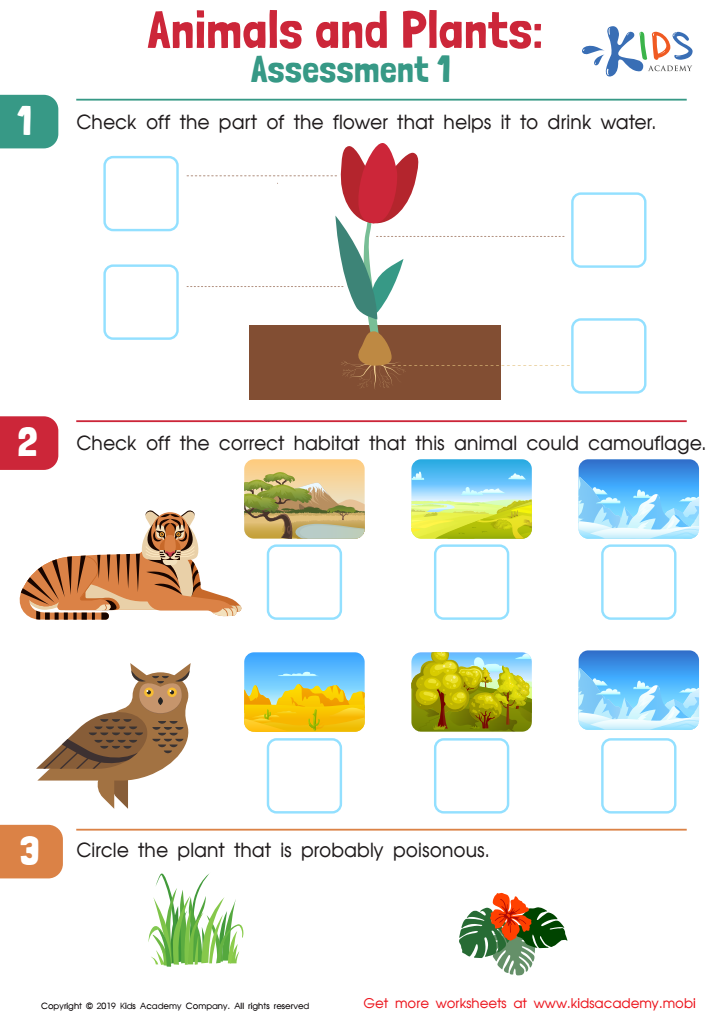
Animals and Plants: Assessment 1 Worksheet
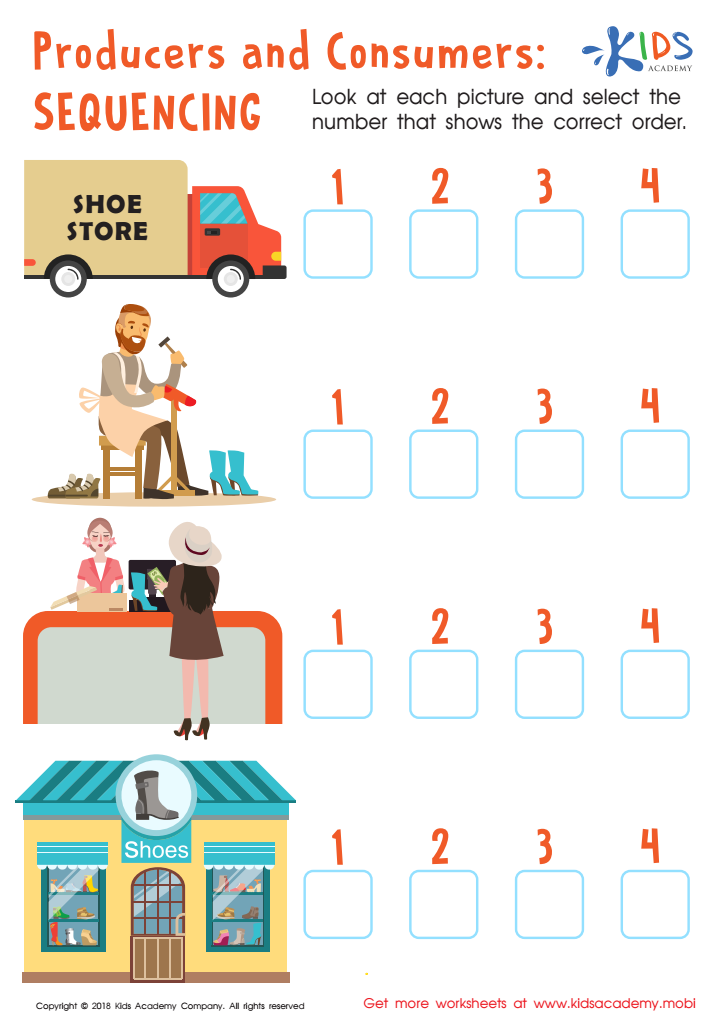
Producers and Consumers: Sequencing Worksheet




Understanding ecosystems is vital for children aged 7-8, and both parents and teachers play a crucial role in fostering this knowledge. At this age, children are naturally curious about the world around them, and introducing them to ecosystems helps develop critical thinking skills. By learning about the interdependence of plants, animals, and their environments, children begin to understand how each element contributes to a balanced system. This foundational knowledge is essential for cultivating environmental awareness, encouraging them to appreciate nature and develop a sense of responsibility toward preserving it.
Additionally, understanding ecosystems promotes essential life skills such as problem-solving and collaboration. Children learn to investigate how changes in one part of an ecosystem can affect the whole, fostering a sense of empathy and global awareness. Moreover, as future caretakers of the planet, it’s crucial that they recognize the impact of human actions on ecosystems, from pollution to conservation efforts.
Incorporating lessons about ecosystems into everyday life not only engages children in science but also inspires them to become active participants in their communities. By providing a solid understanding of ecosystems, parents and teachers can empower children to make informed decisions that benefit both their lives and the world around them.








