Understanding patterns Worksheets for Ages 7-8 - Page 2
52 filtered results
-
From - To
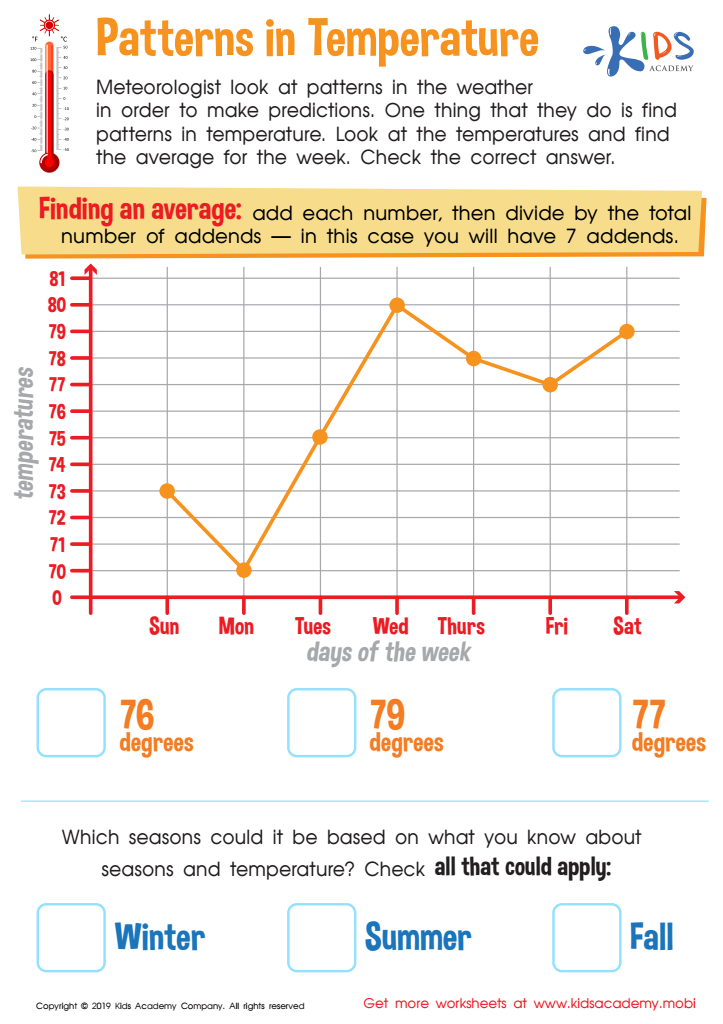
Patterns in Temperature Worksheet
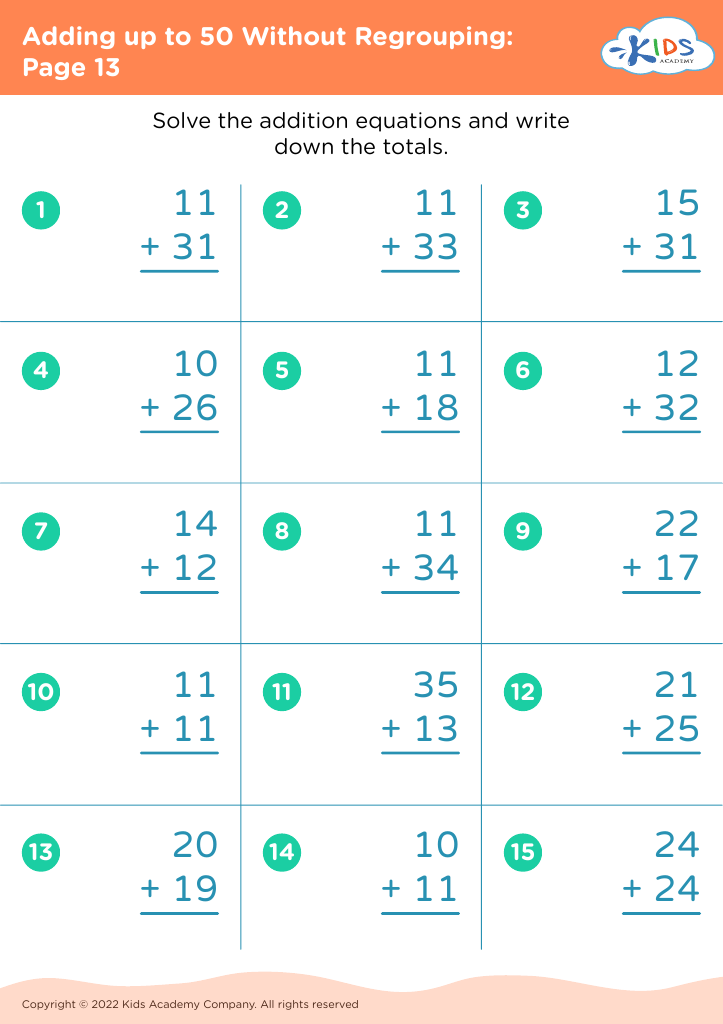
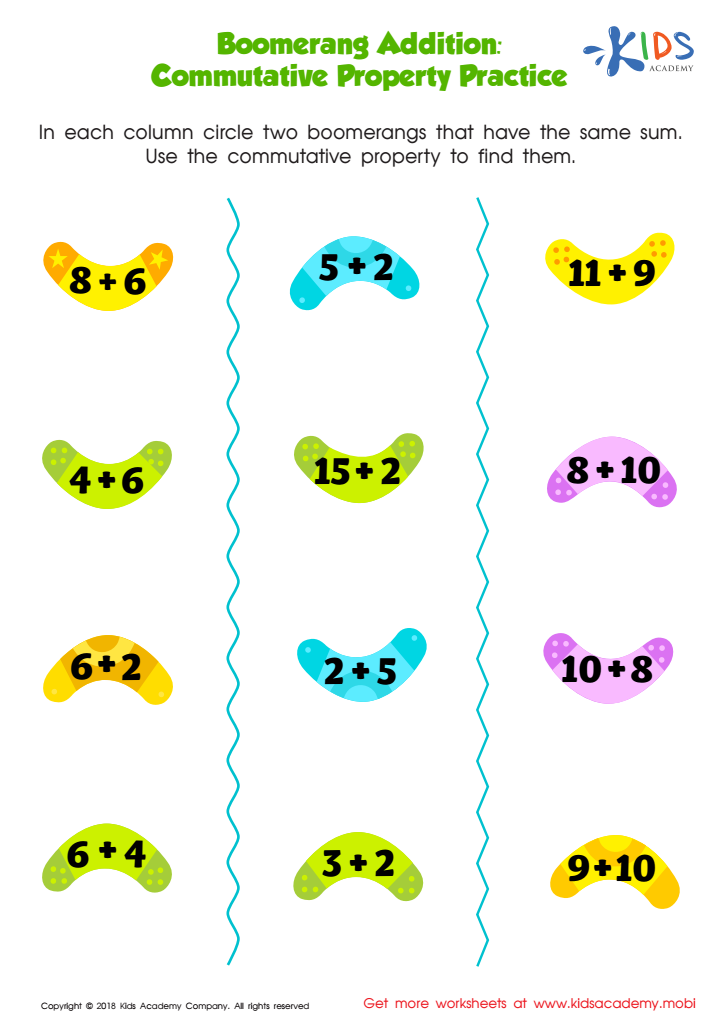
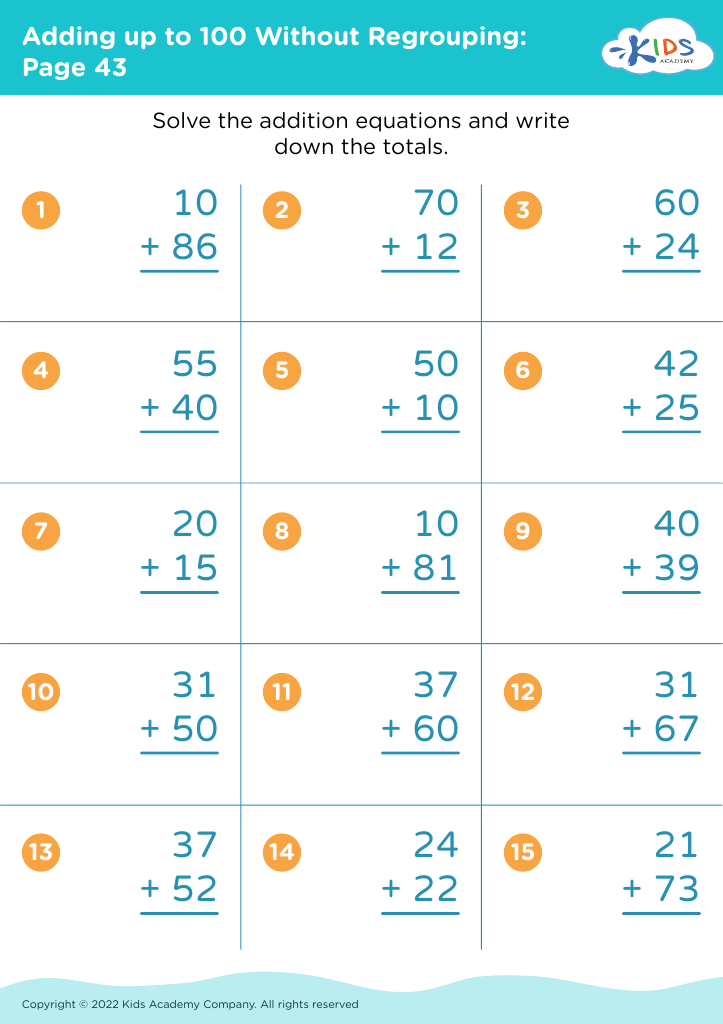
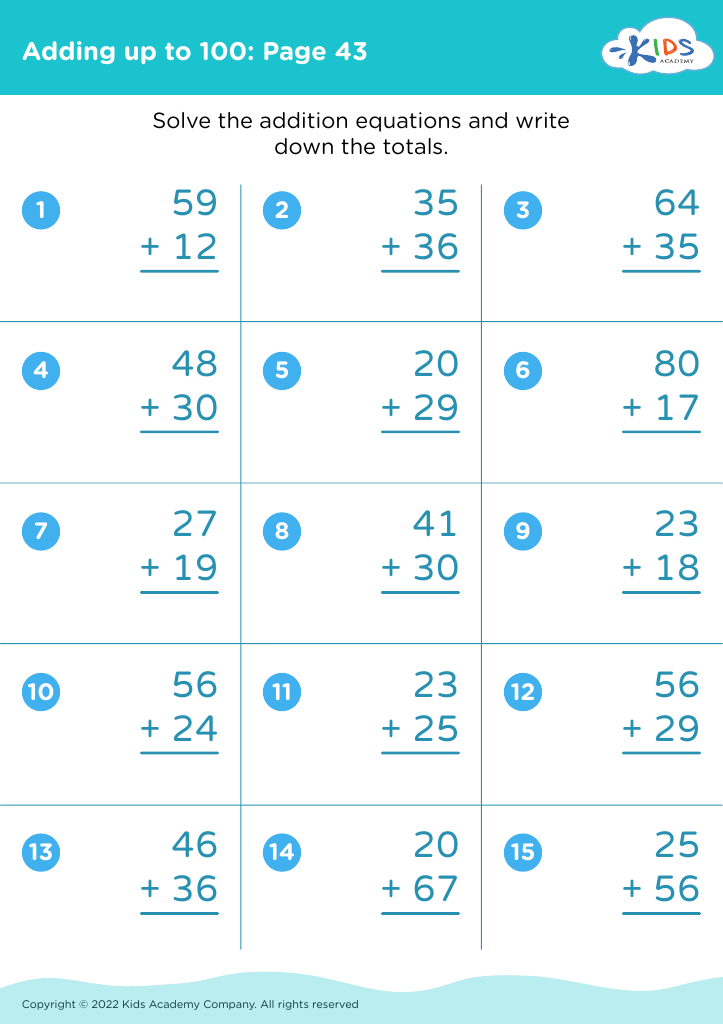
Boomerang Addition Worksheet
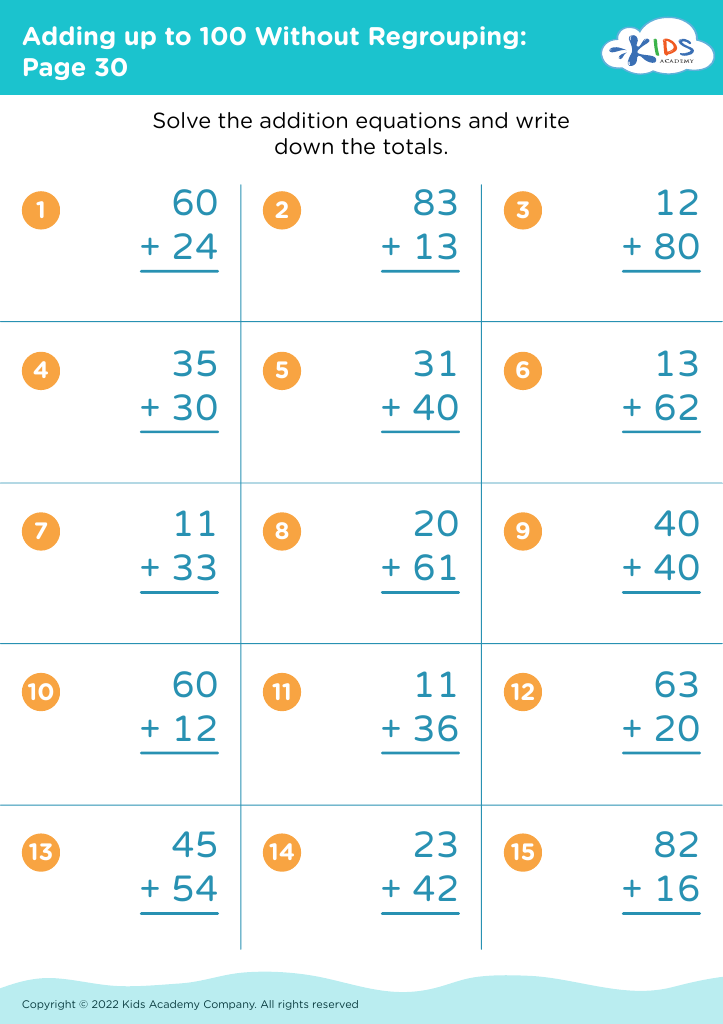
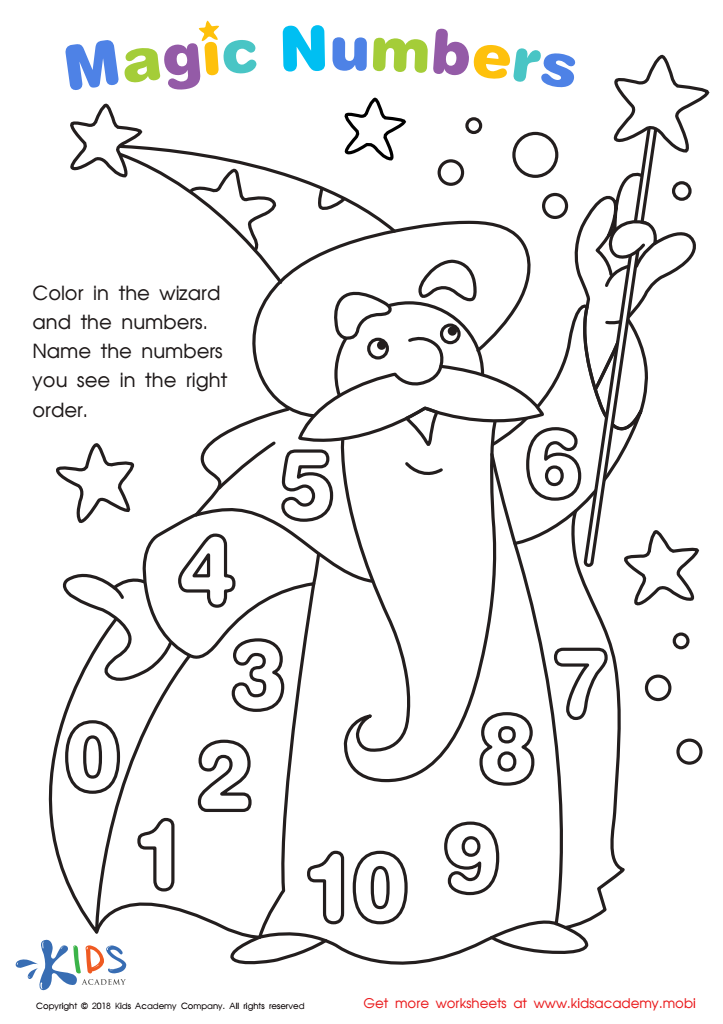
Magic Numbers Worksheet
 Assign to My Students
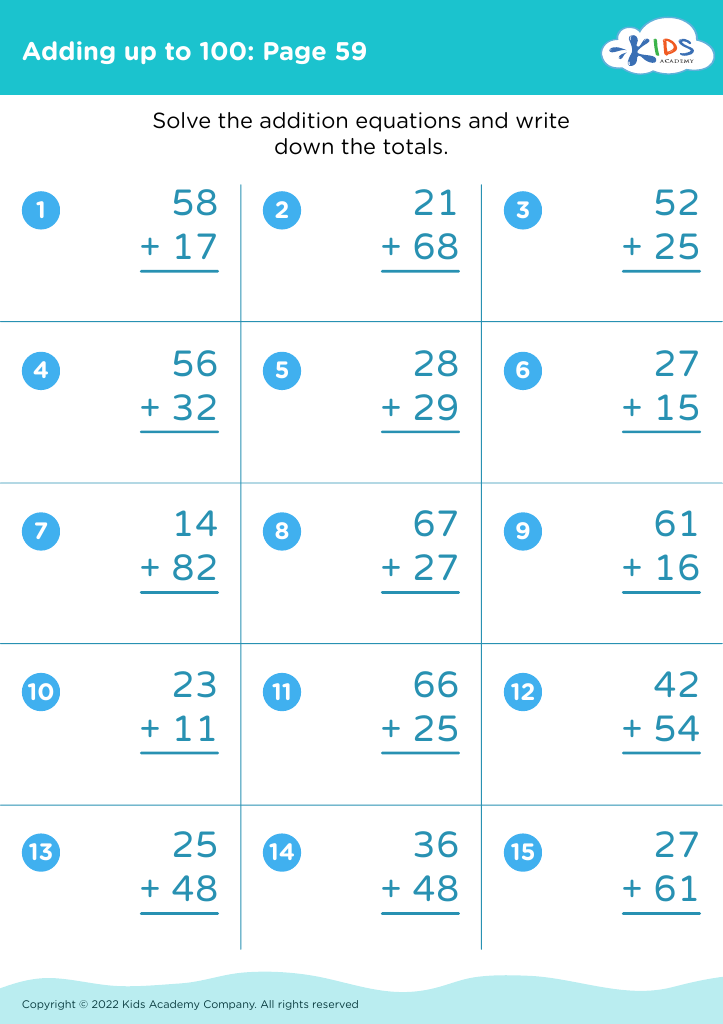
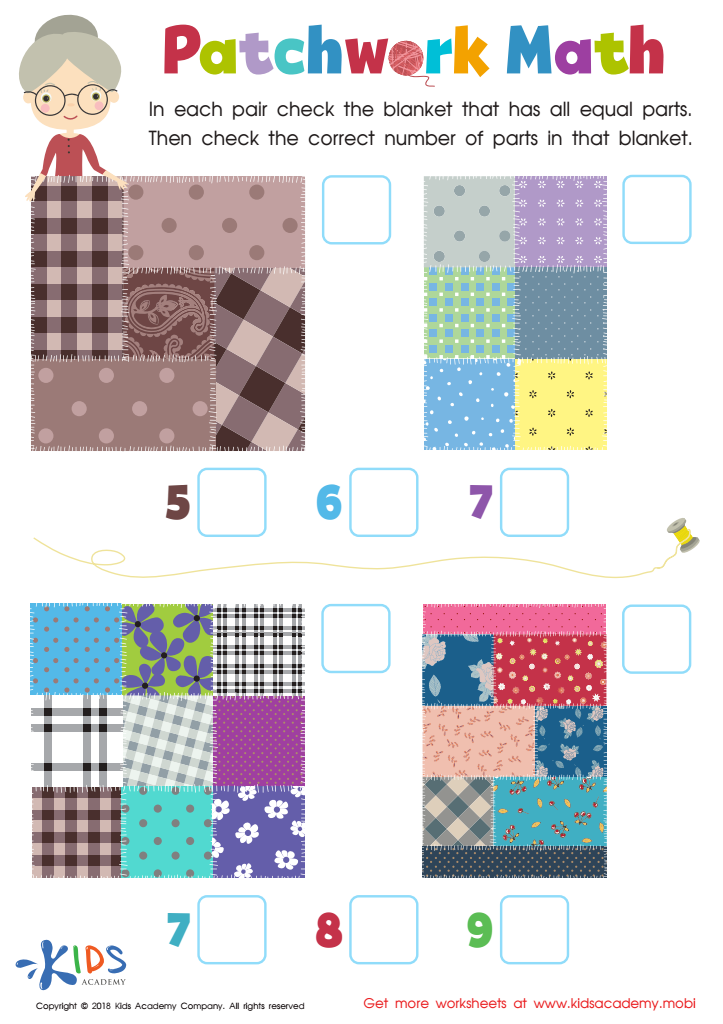
Patchwork Math Worksheet
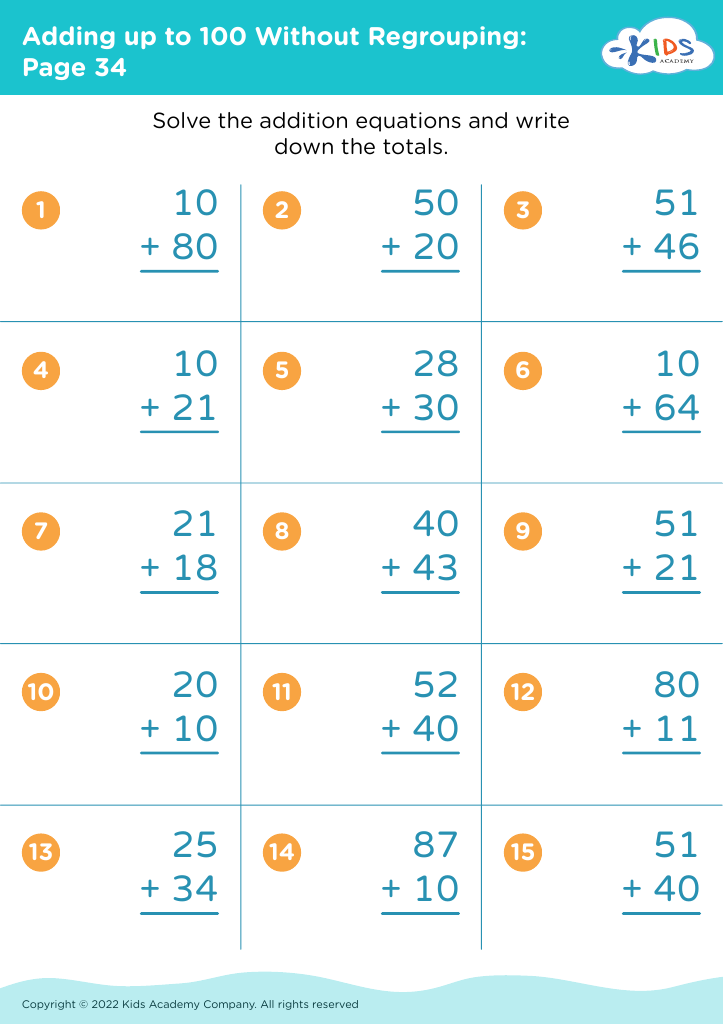
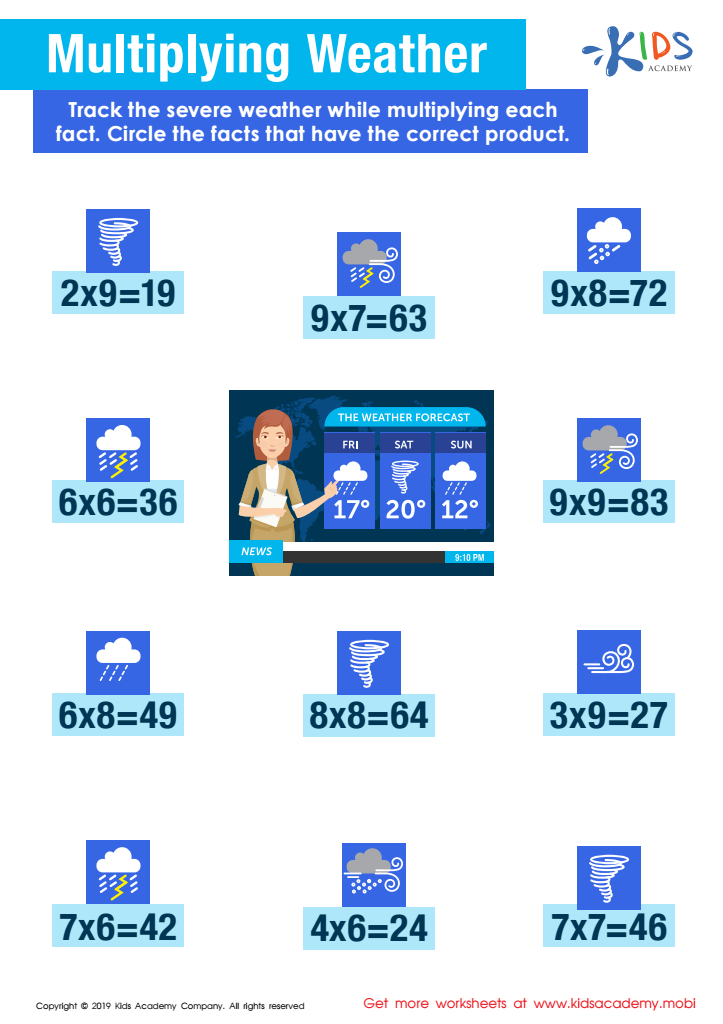
Multiplying Weather Worksheet
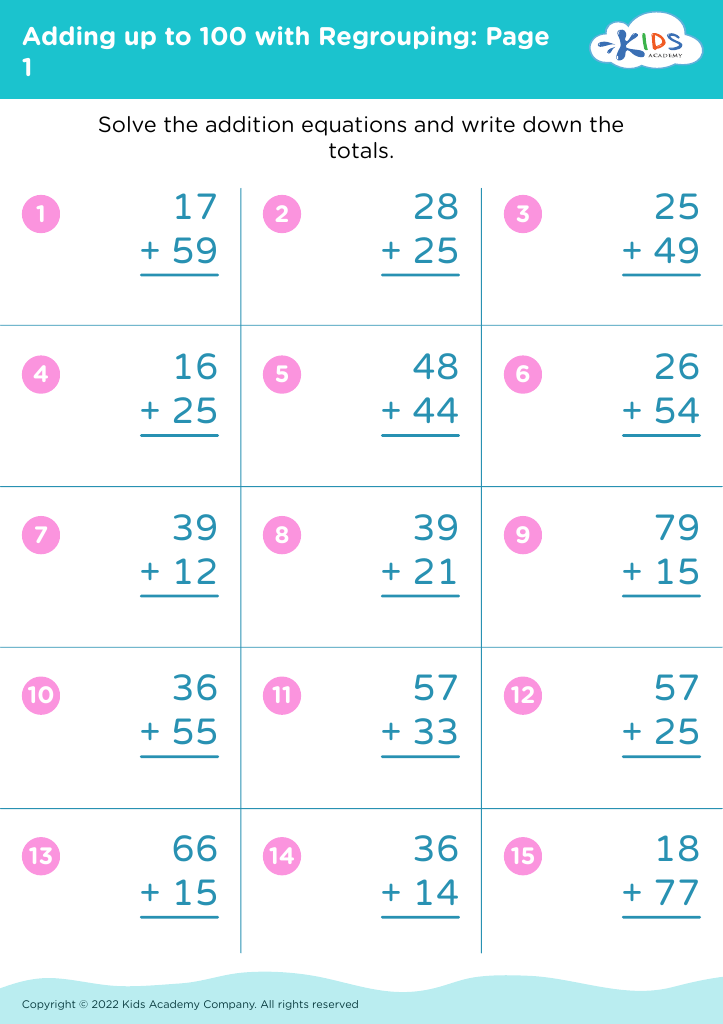
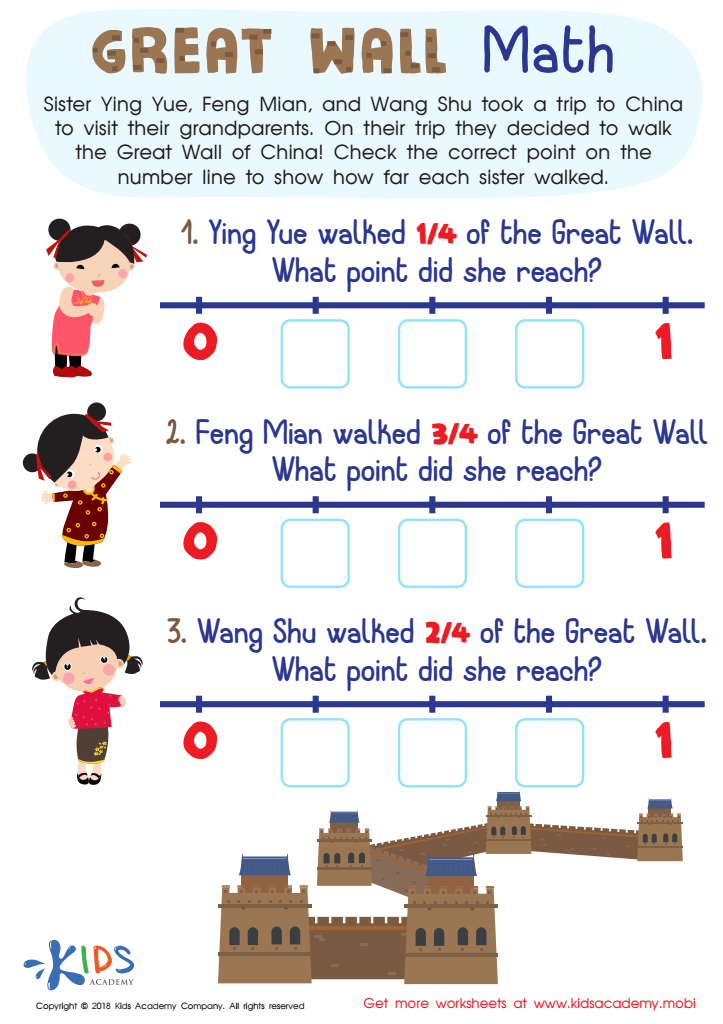
Great Wall Math Worksheet
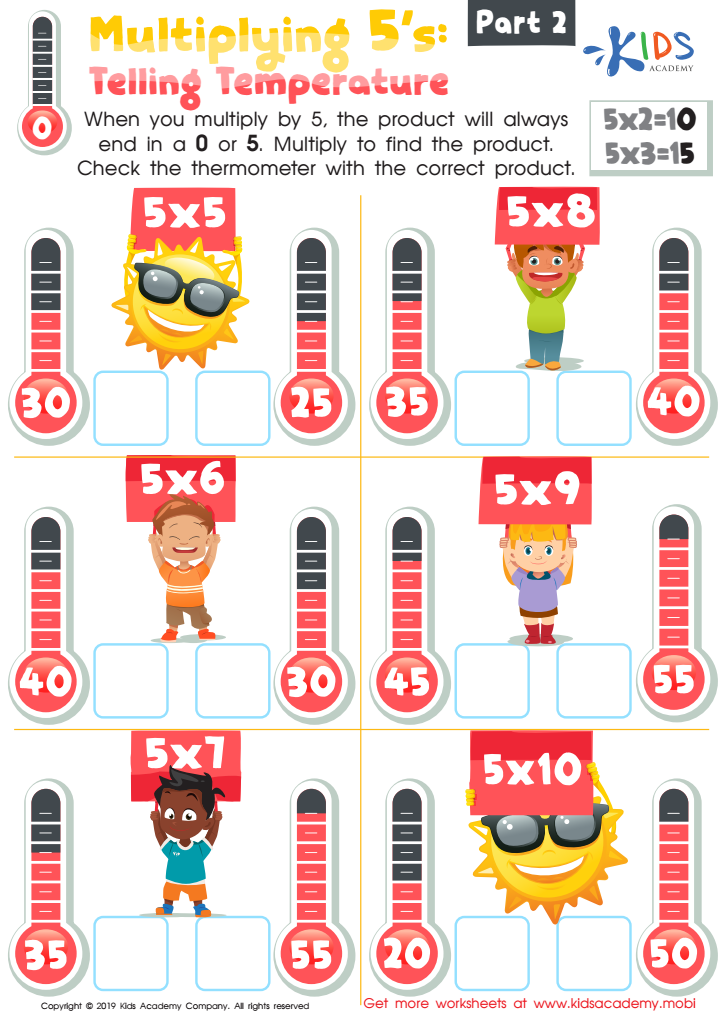
Multiplying 5’s: Telling Temperature Part 2 Worksheet
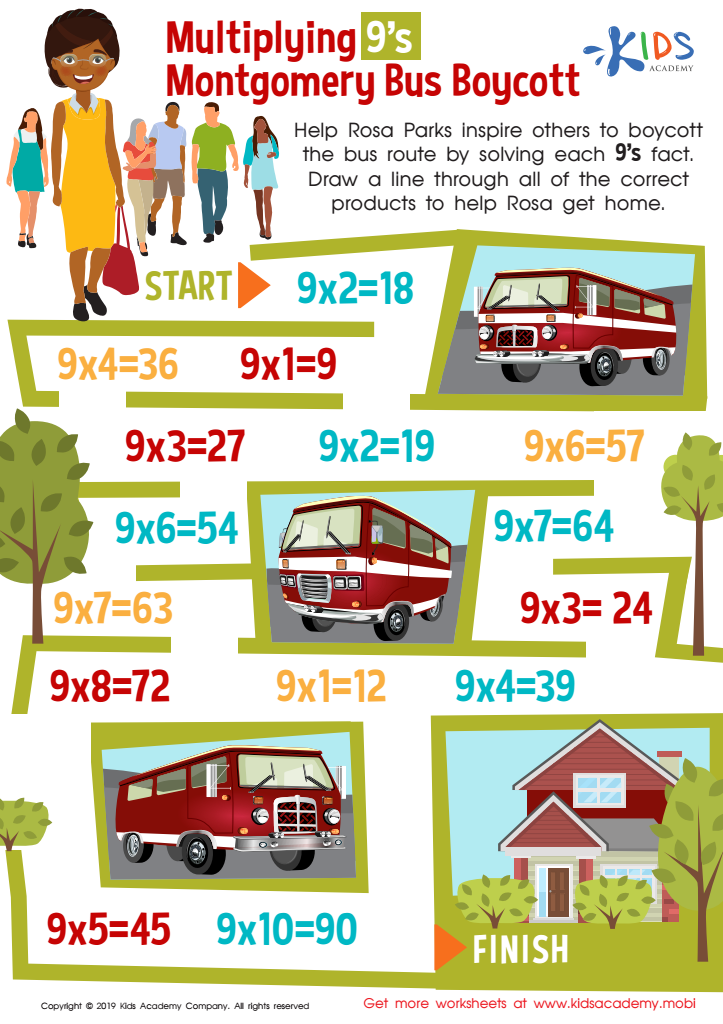
Multiplying 9’s Montgomery Bus Boycott Worksheet
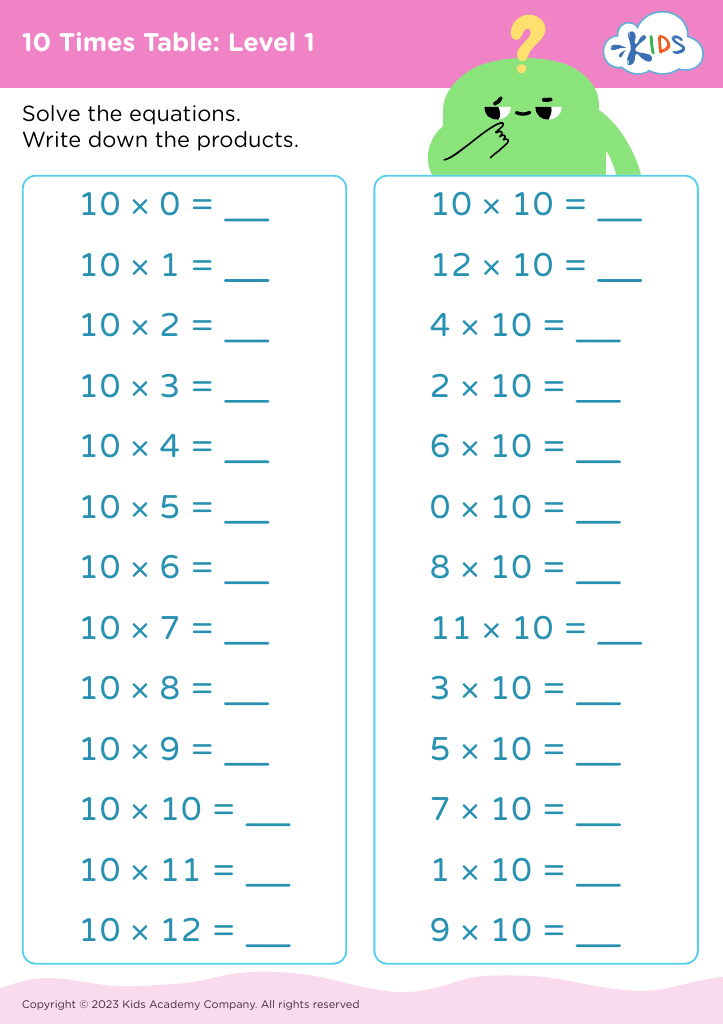
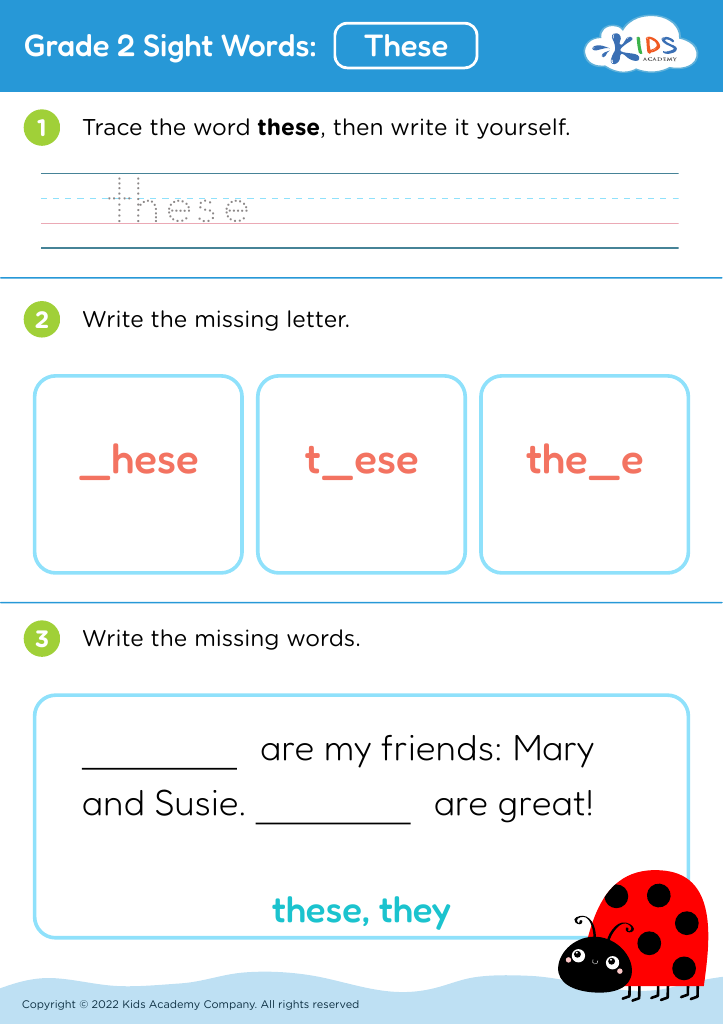
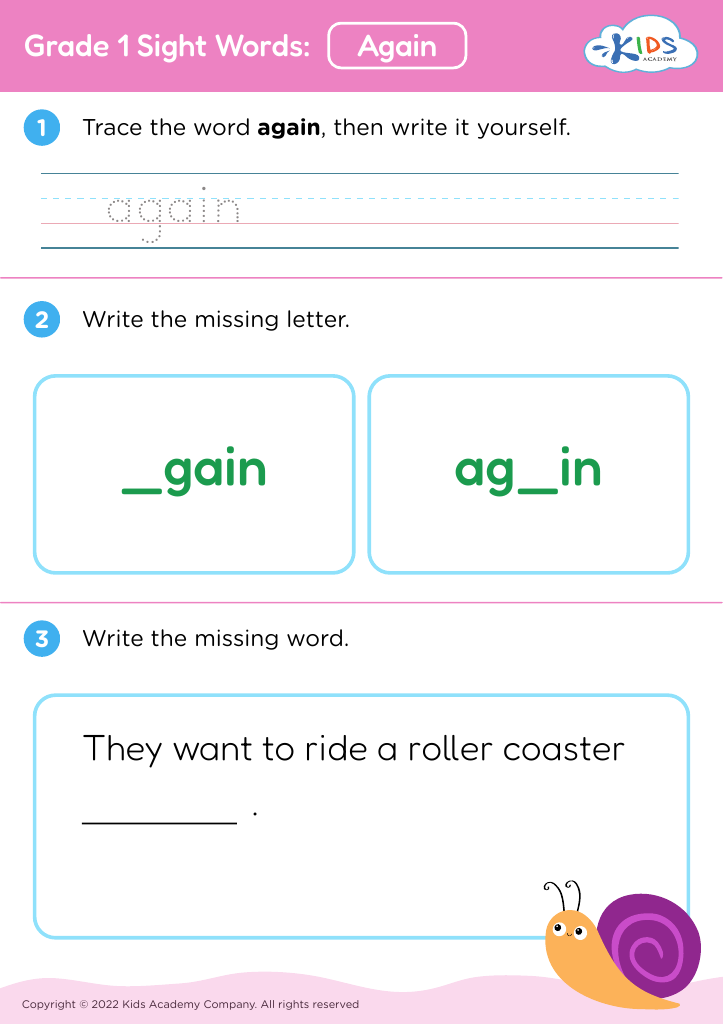







Understanding patterns is a crucial foundation in early mathematics for children aged 7-8, benefiting both their academic success and cognitive development. At this age, children are beginning to grasp mathematical concepts more deeply, and recognizing patterns enhances their problem-solving skills and critical thinking.
When children learn to identify patterns, they develop the ability to predict outcomes and make connections between different mathematical concepts, such as addition, subtraction, and multiplication. Patterns also play a significant role in understanding sequences, which are essential in higher-level mathematics and real-world situations, such as identifying trends in data.
Moreover, engaging with patterns fosters curiosity and creativity. It encourages children to explore relationships and build confidence in their mathematical abilities. Teachers and parents can use everyday examples—like rhythms in music or shapes in nature—making learning relevant and enjoyable.
Lastly, a strong grasp of patterns lays the groundwork for more complex subjects such as algebra and geometry encountered in later grades. Ultimately, cultivating a love for patterns not only strengthens mathematical understanding but also equips children with essential skills for future learning and life challenges.








