Understanding Quantities Worksheets for Ages 7-8
7 filtered results
-
From - To
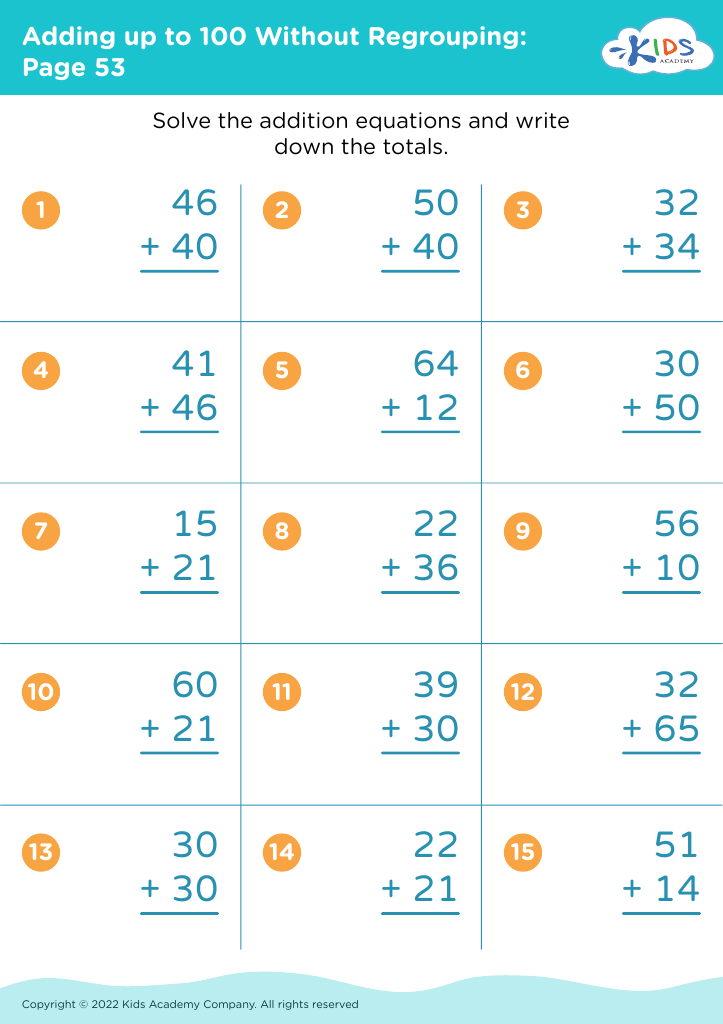
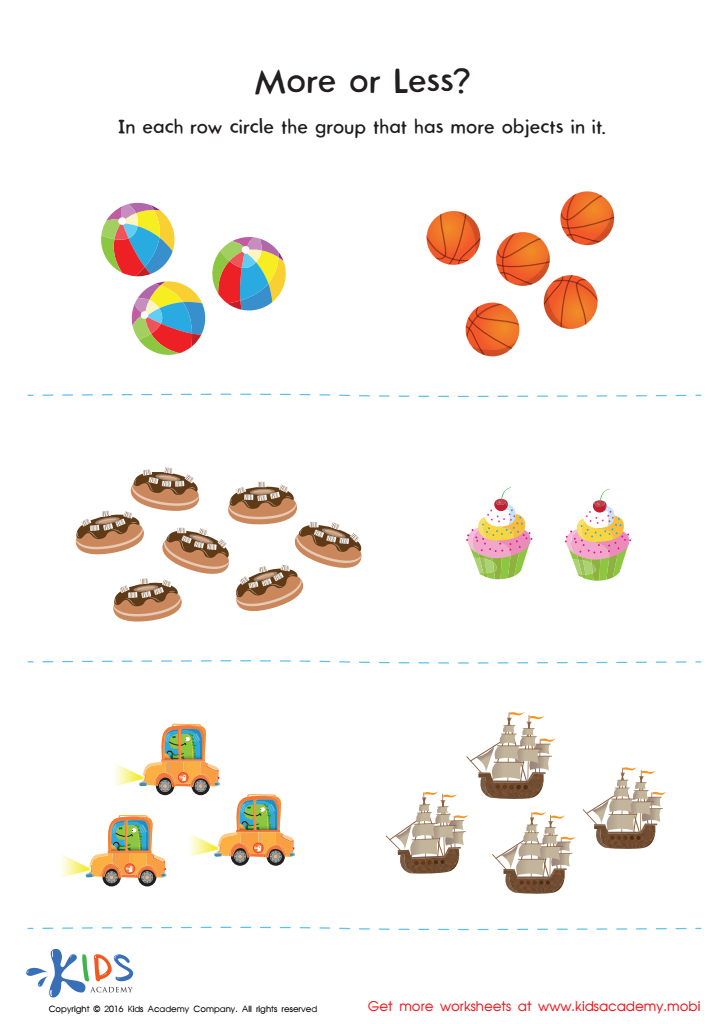
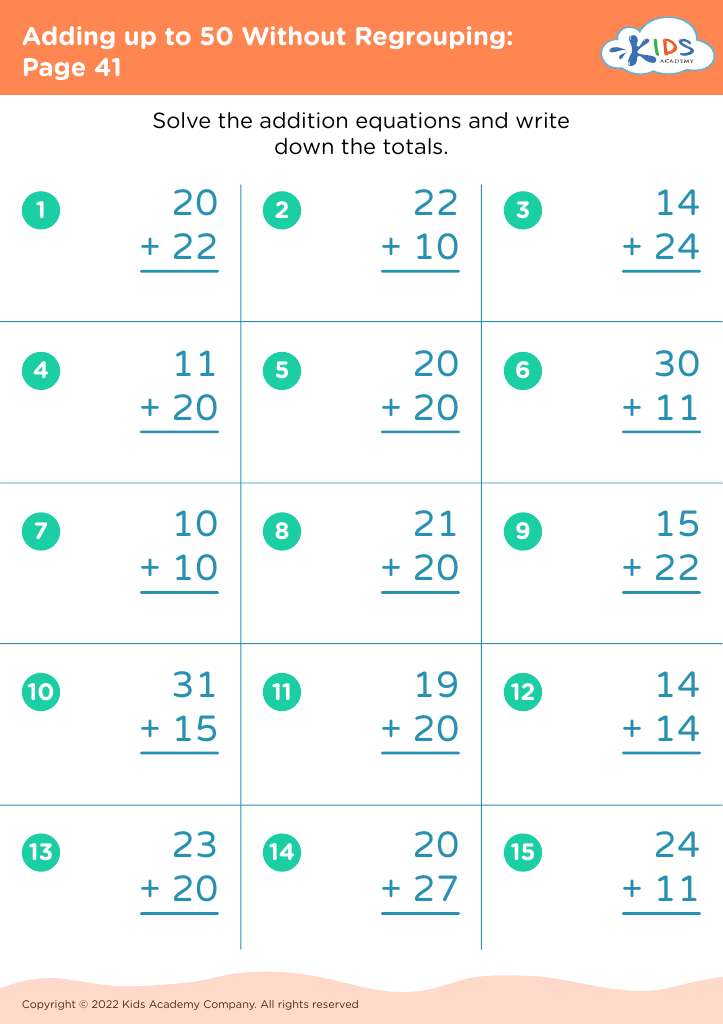
Dive into our "Understanding Quantities Worksheets for Ages 7-8" designed to make learning fun and engaging. These well-crafted worksheets help young learners grasp essential math concepts, such as addition, subtraction, comparison, and more. Featuring vibrant graphics and interesting themes, our exercises stimulate critical thinking and problem-solving skills. Ideal for both classroom and home use, these worksheets foster a love for math and build a solid foundation for future learning. Transform how your child understands numbers and quantities, one worksheet at a time! Discover the joy of learning with Kids Academy today.
 Assign to My Students
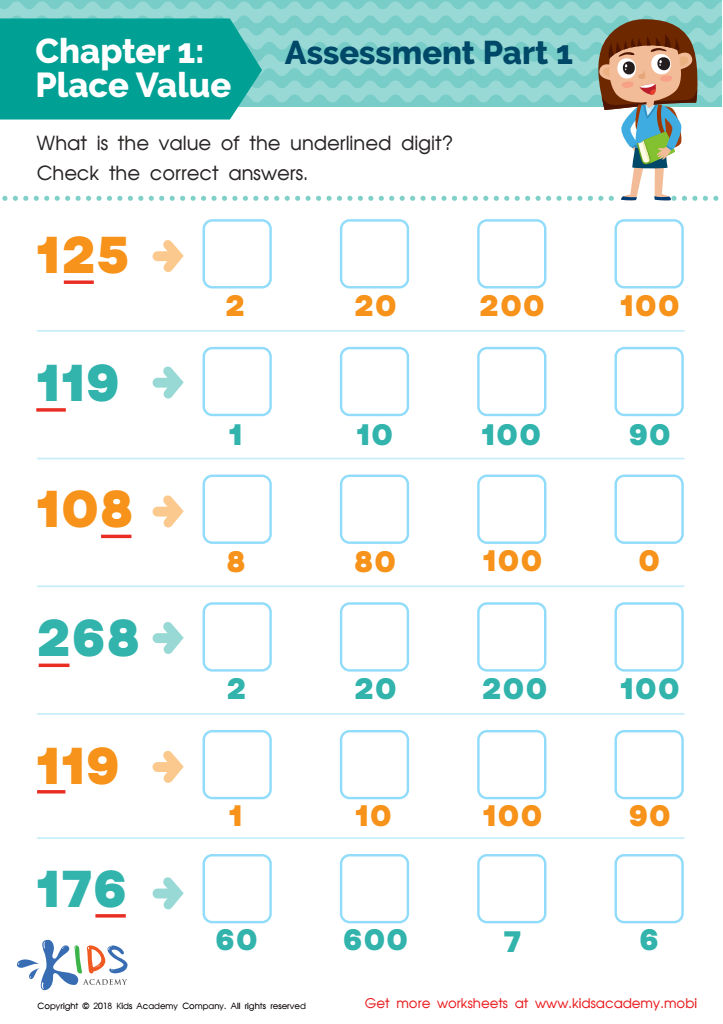
Place Value: Chapter 1 Worksheet
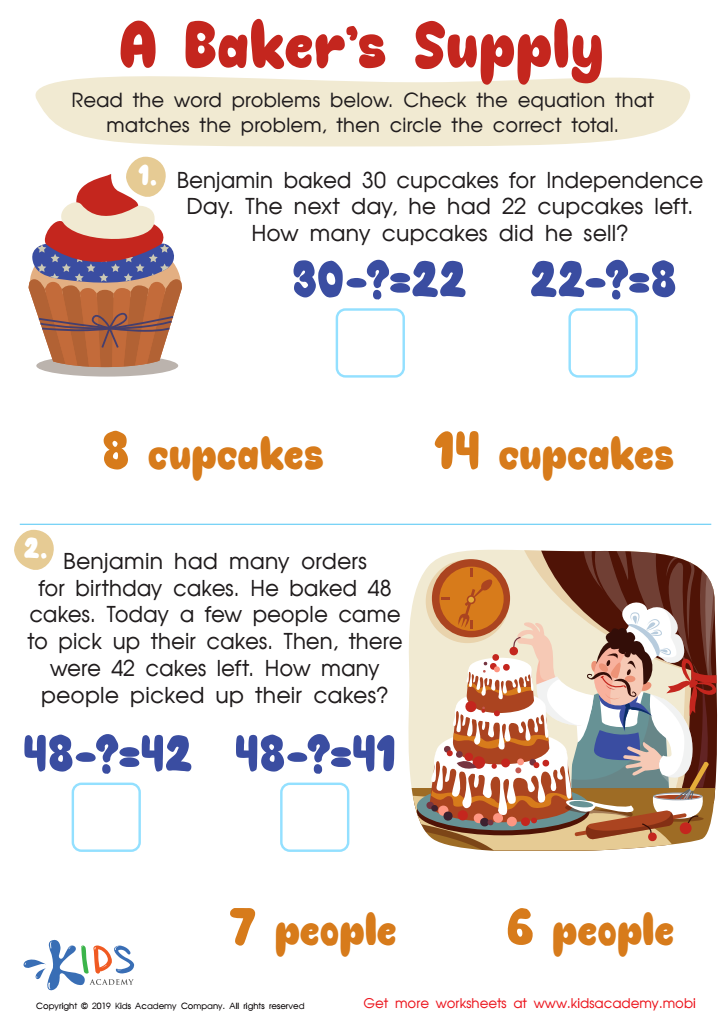
A Baker's Supply Worksheet
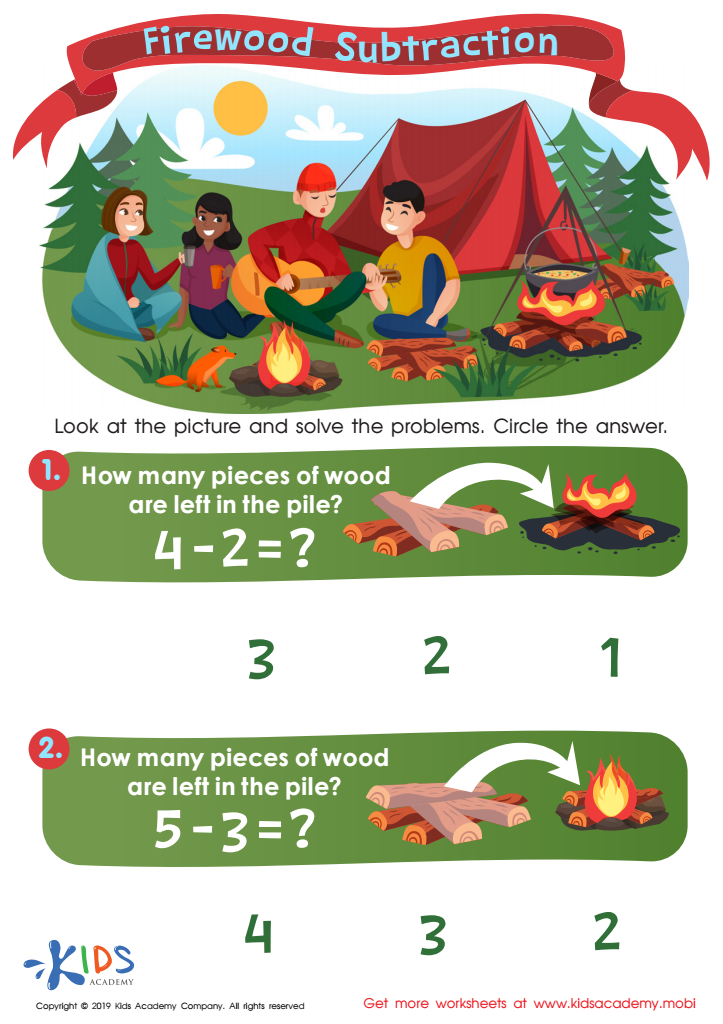
Firewood Subtraction Worksheet








Understanding quantities is crucial for children aged 7-8 because it lays a foundational role in their overall cognitive and academic development. At this stage, children transition from basic counting to more complex mathematical concepts such as addition, subtraction, multiplication, and division. Grasping quantities helps them to understand these operations better, thereby enhancing their problem-solving skills.
When parents and teachers focus on teaching kids about quantities, they nurture effective number sense. This is their ability to recognize the value of numbers, understand the differences between various quantities, and perform mental calculations with ease. Strong number sense contributes to success in more advanced math later on, such as fractions, geometry, and algebra.
Moreover, understanding quantities isn't limited to academic benefits. It enhances day-to-day practical skills such as telling time, handling money, measuring ingredients for cooking, or even sharing items fairly among friends. These are basic life skills that become easier for children when they have a good grasp of quantities.
Finally, a solid understanding of quantities builds self-confidence and a positive attitude towards mathematics, reducing math anxiety. When children feel competent in their math abilities, they are more likely to engage in learning and be enthusiastic about challenging subjects. Thus, caring about teaching quantities is an investment in a child's academic future and overall development.








