Understanding sequence Worksheets for Ages 7-8
7 filtered results
-
From - To
Discover our engaging "Understanding Sequence Worksheets" designed for children aged 7-8 to enhance their cognitive skills and comprehension abilities. These worksheets help young learners grasp the concept of sequences through fun and interactive activities, such as ordering events, completing stories, and identifying patterns. With colorful visuals and age-appropriate exercises, children will develop critical thinking and narrative skills while engaging in meaningful learning experiences. Perfect for classroom use or at-home practice, our resources provide educators and parents with the tools needed to support their child's growth. Boost your child’s understanding of sequence today with our comprehensive and creative worksheets!
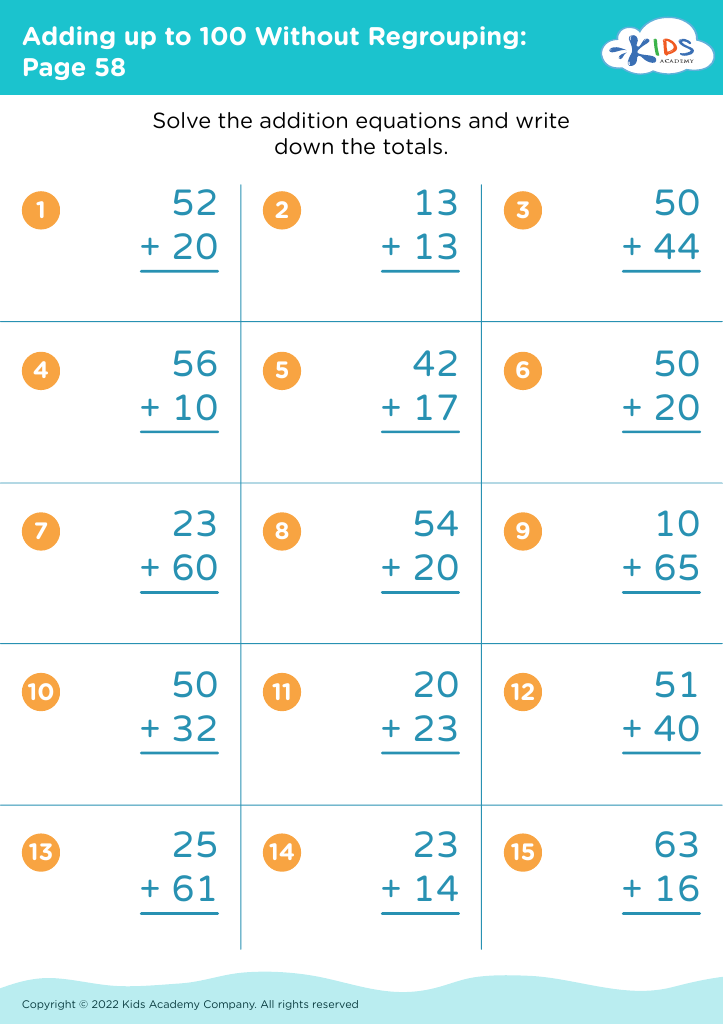
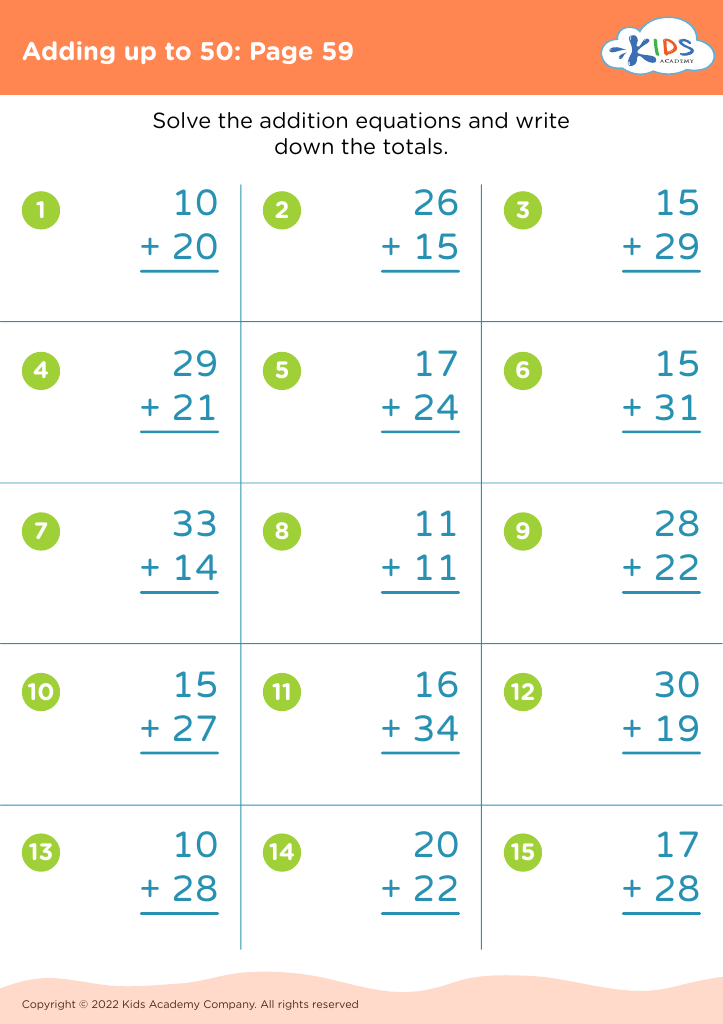
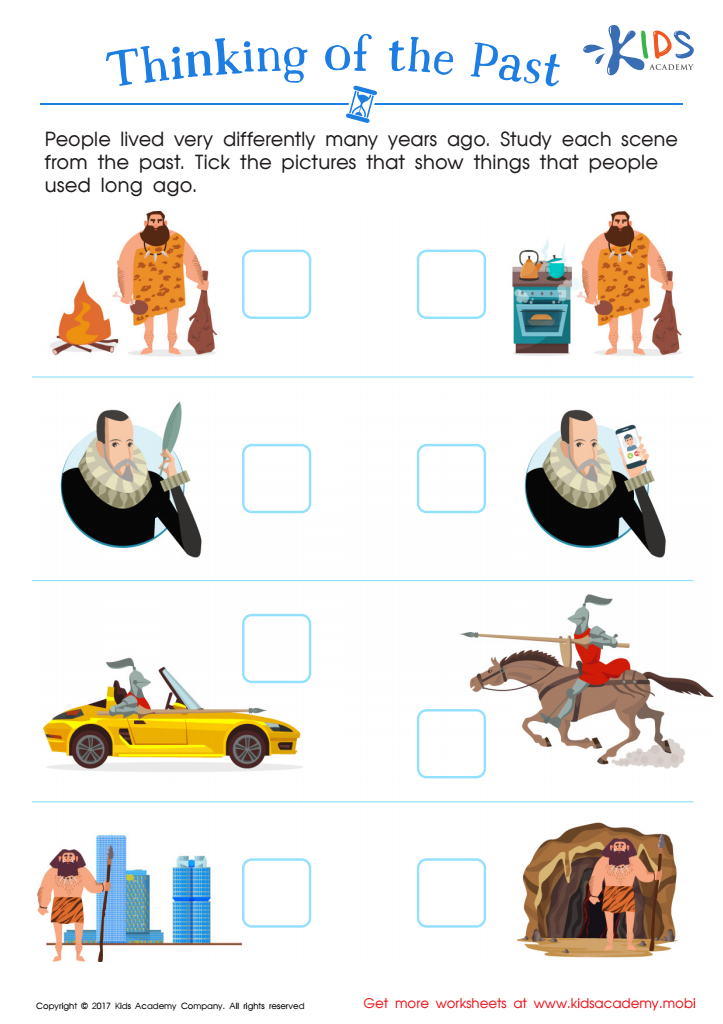
Thinking Past Printable
 Assign to My Students
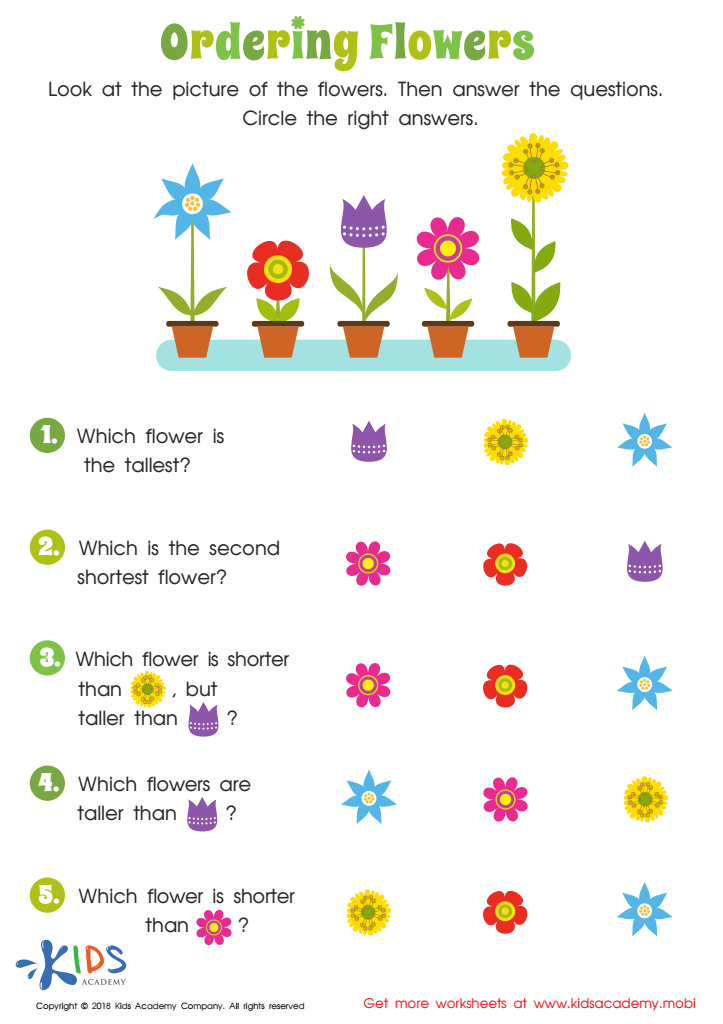
Ordering Flowers Worksheet
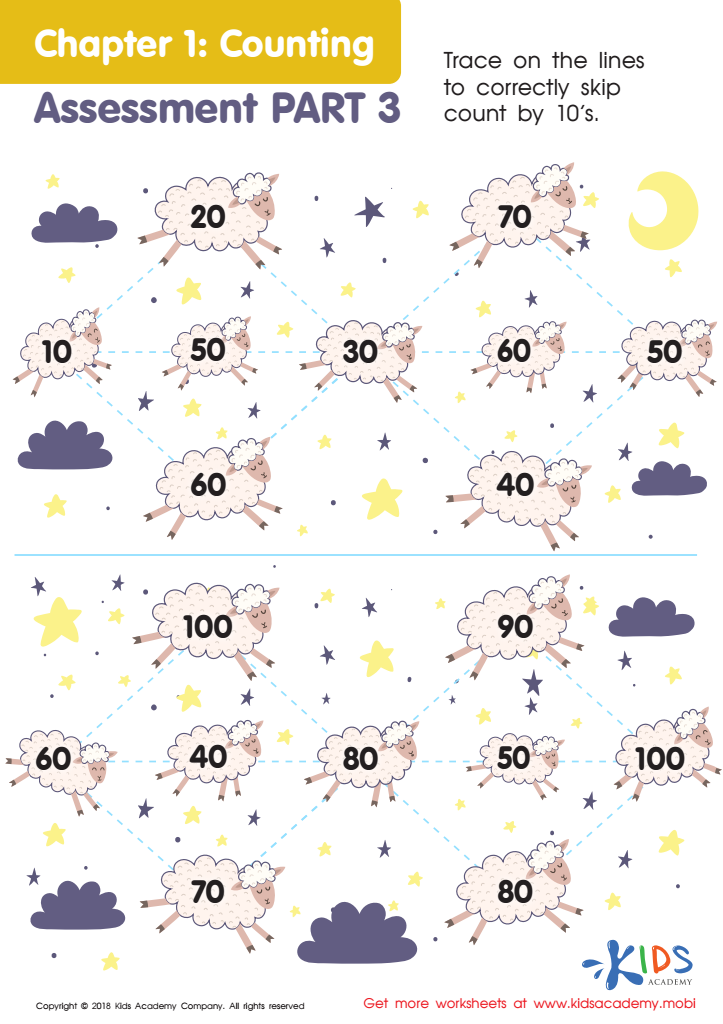
Counting: Assessment 3 Worksheet
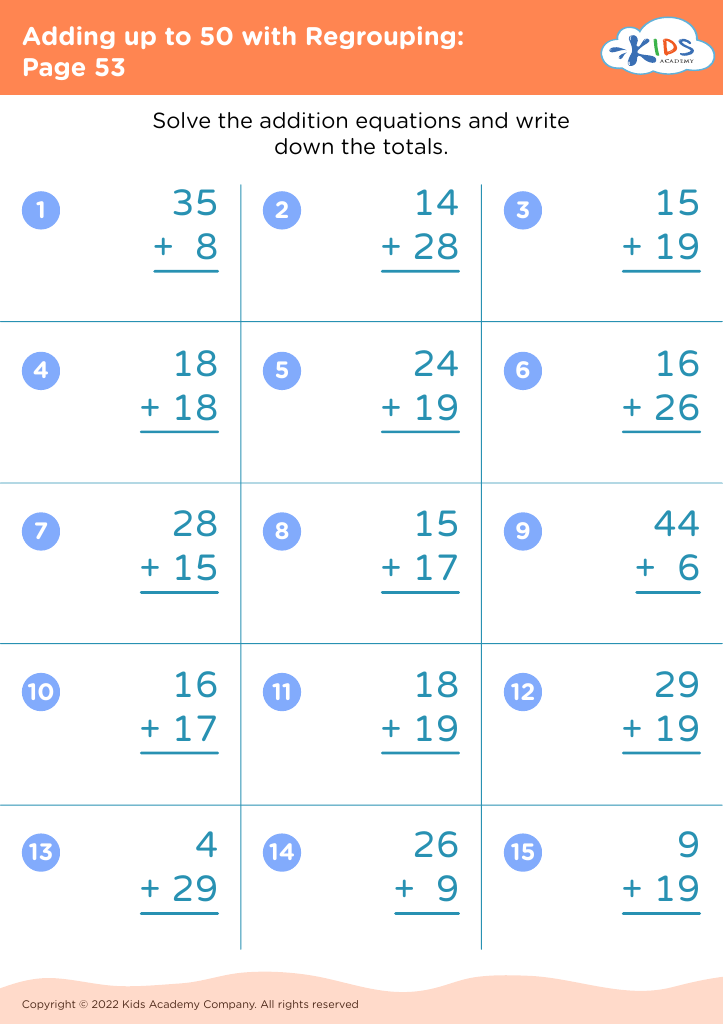
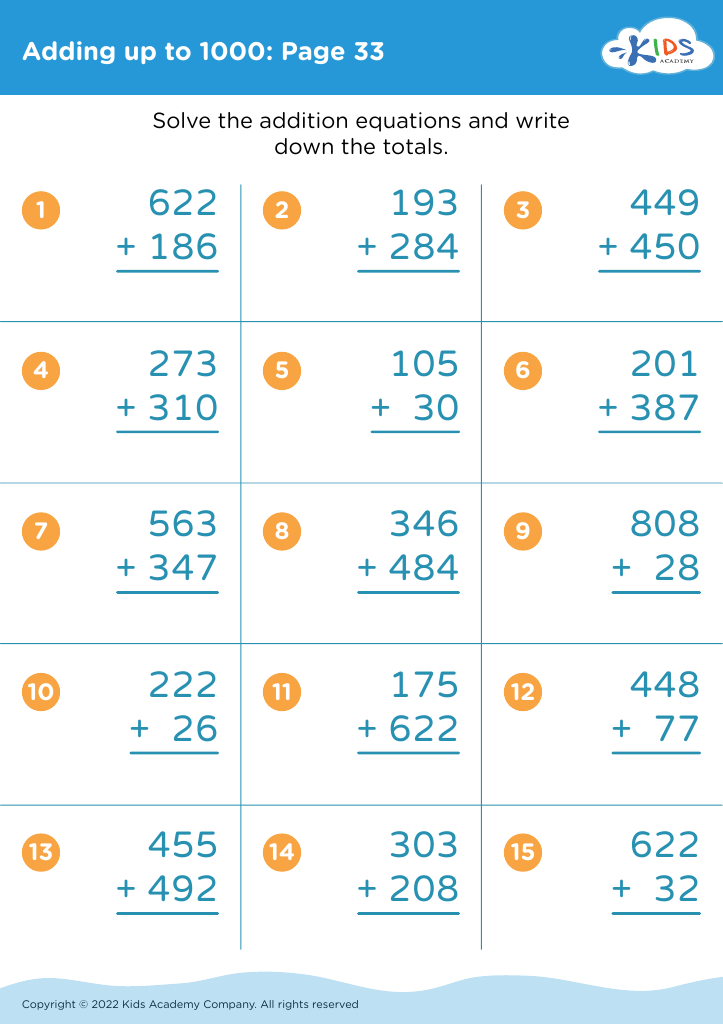





Understanding sequences is fundamental for children ages 7-8 as it lays the groundwork for critical thinking and problem-solving skills. At this developmental stage, children begin to grasp the concept of order and patterns, which are essential for their cognitive growth. Recognizing sequences helps children make sense of everyday situations, whether they’re following steps in a recipe, understanding a story plot, or organizing their daily activities.
In mathematics, sequences are critical for understanding concepts like arithmetic progression, multiplication tables, and functions. These skills are not only vital for higher-level math but also intersect with other subjects, including science and literacy. For instance, understanding how events follow one another in a story enhances reading comprehension.
Moreover, fostering an awareness of sequences promotes self-regulation skills—and helps children anticipate outcomes. When they can predict what comes next based on patterns, children grow more confident in their problem-solving abilities.
For parents and teachers, encouraging understanding sequences means actively engaging children with activities that illustrate these principles, thereby supporting their educational journey. Ultimately, mastering sequences cultivates a strong foundation in both academic disciplines and practical, everyday decision-making.








