Visual learning stimulation Worksheets for Ages 7-8
3 filtered results
-
From - To
Discover our engaging Visual Learning Stimulation Worksheets for Ages 7-8, thoughtfully designed to enhance your child’s cognitive and visual processing skills. These dynamic resources incorporate vibrant images, challenging puzzles, and creative activities that make learning fun and effective. Perfect for budding learners, our worksheets focus on critical thinking, attention to detail, and pattern recognition. Whether for classroom use or at-home practice, these tools ensure children build a strong educational foundation with every colorful page. Empower your 7 to 8-year-old students to thrive academically and develop a love for learning with our expertly crafted visual stimulation worksheets.
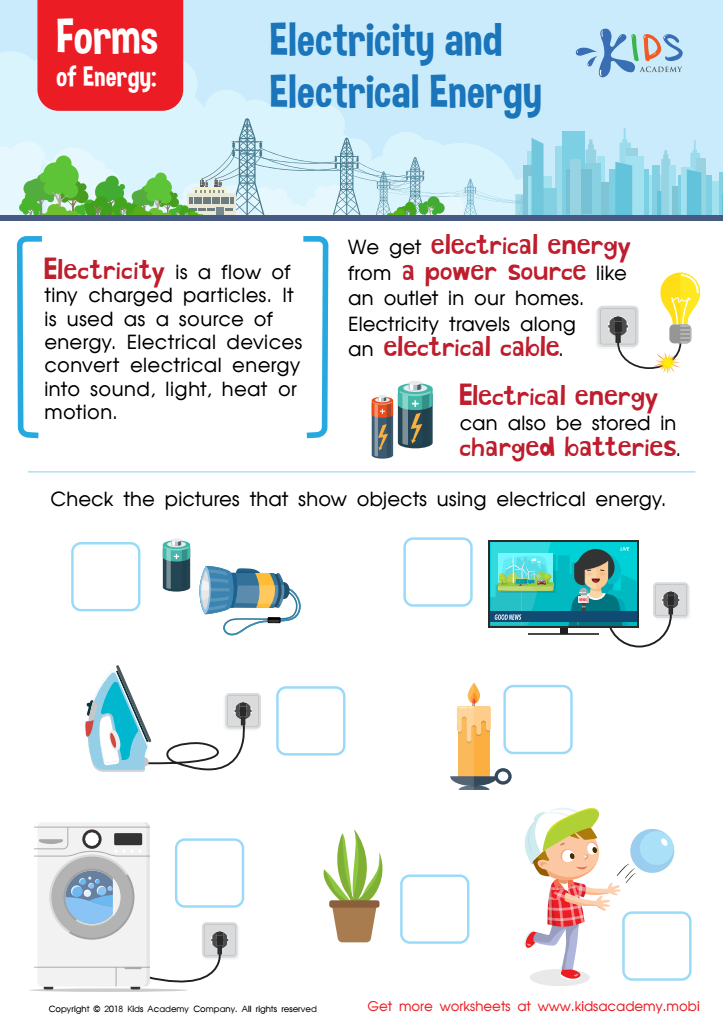
Forms of Energy Worksheet
 Assign to My Students
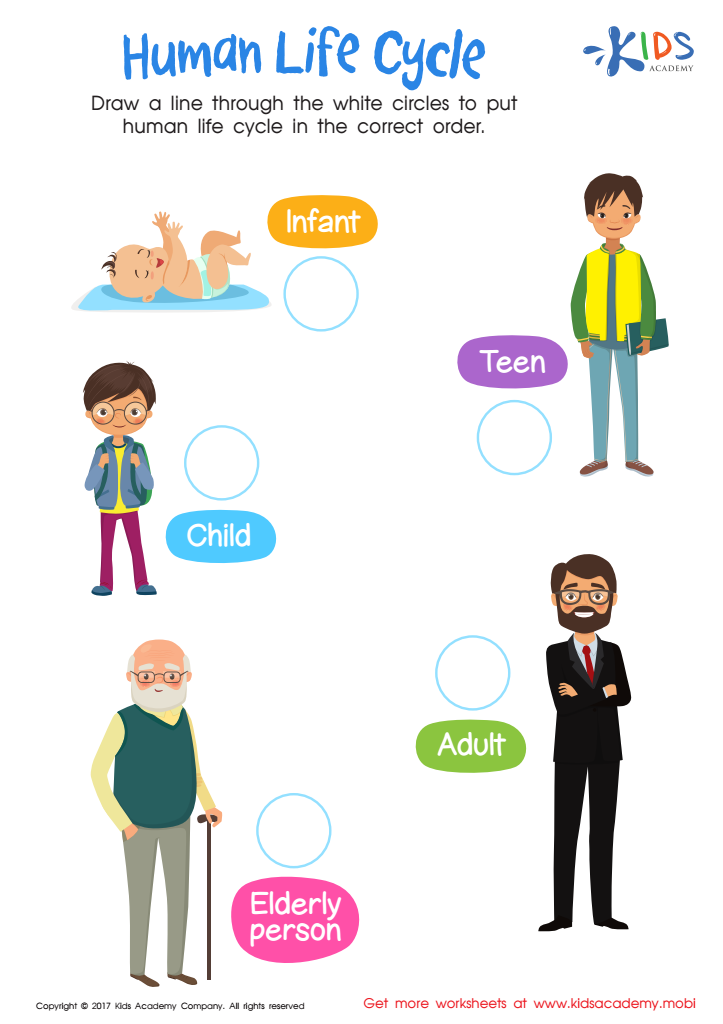
Human Life Cycle Worksheet
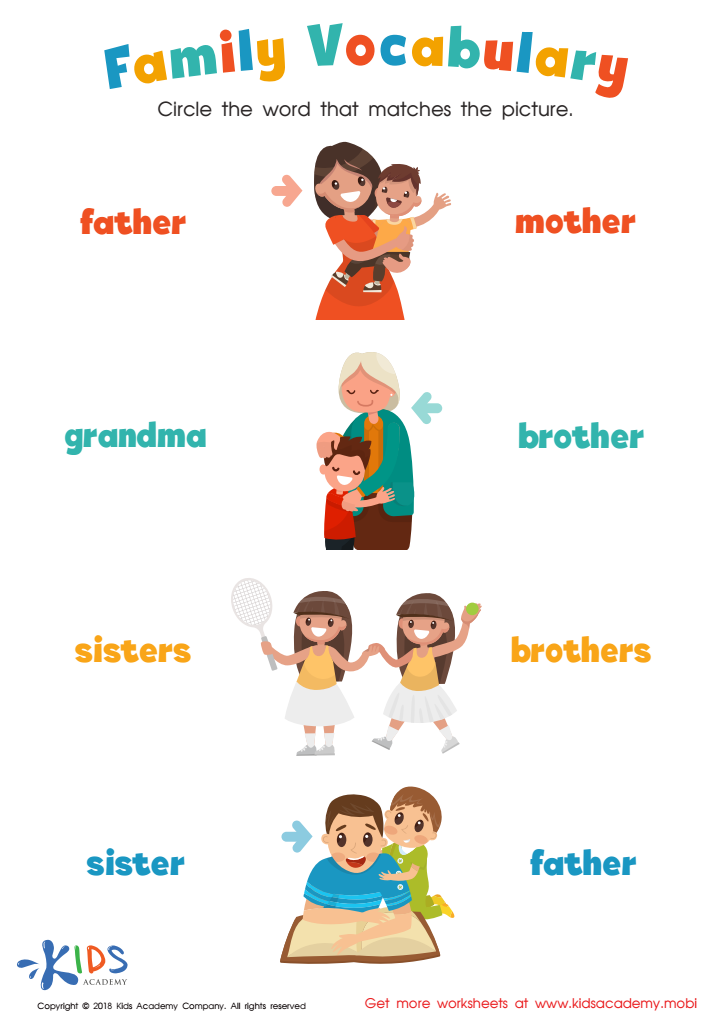
Family Vocabulary Worksheet


.jpg)



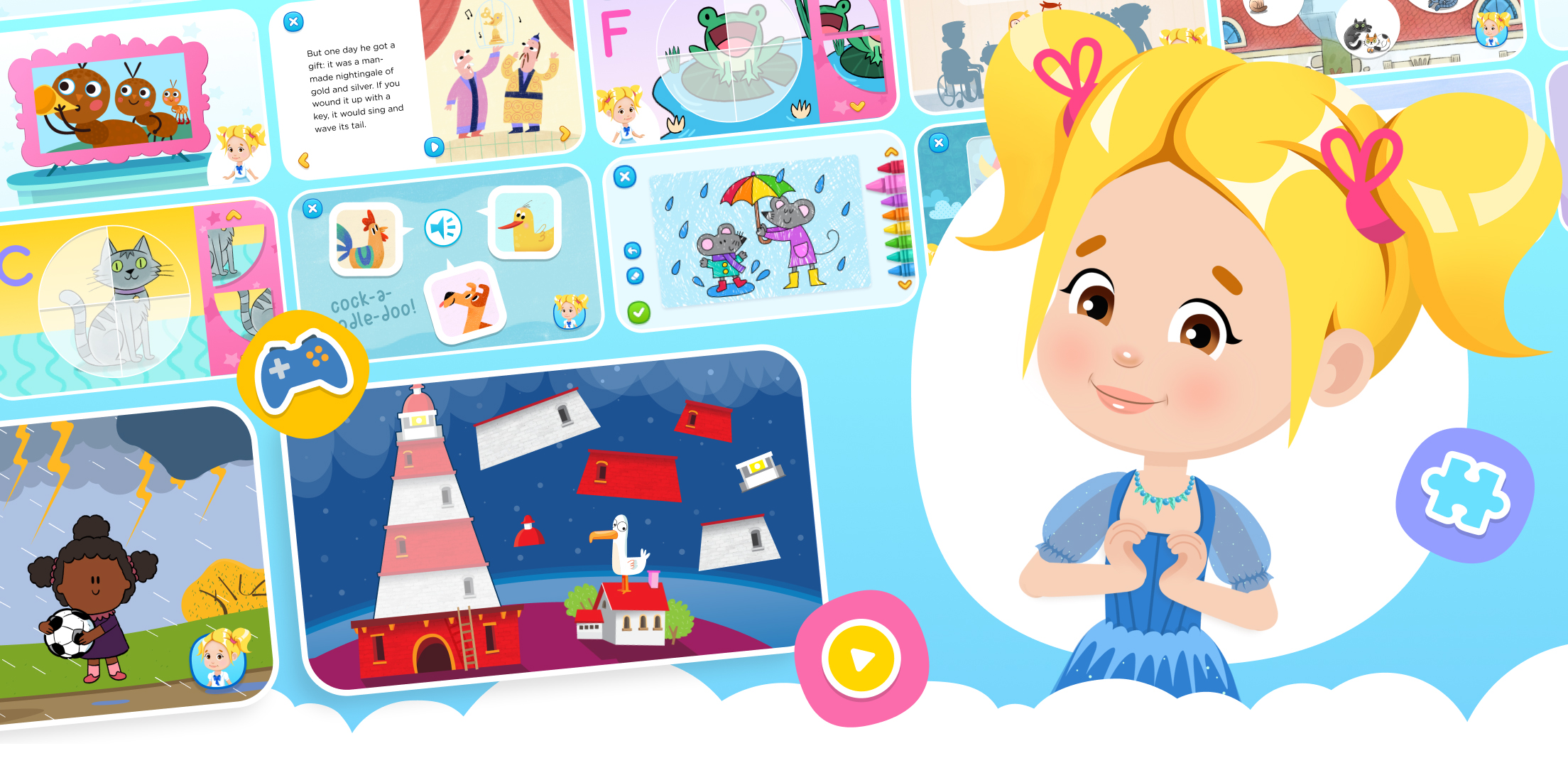
Parents and teachers should prioritize visual learning stimulation for children ages 7-8 because it is pivotal for their cognitive and academic development. At this age, children are transitioning from concrete to more abstract thinking, and visual learning aids, such as pictures, diagrams, and videos, make new information more accessible and easier to understand. Engaging visual stimuli can capture their attention longer, thereby fostering deeper engagement with the material. Visual learning tools also cater to different learning styles; some children are visual learners and grasp concepts better through images rather than words. This individualized approach can boost self-esteem and academic performance.
Moreover, incorporating visual elements into learning can improve memory retention. The brain processes images faster than text and retains them more effectively, leading to better recall of educational content. Visual learning also promotes creativity and critical thinking skills. When children see visual representations of ideas, they can make connections and solve problems more intuitively.
Lastly, visual stimulation supports language development. By linking images with words and concepts, children enhance their vocabulary and comprehension. Effective integration of visual tools makes learning more interactive and enjoyable, laying a strong foundation for future academic success and a lifelong love of learning.








