
Visual perception Worksheets for Ages 7-8
19 filtered results
Difficulty Level
Grade
Age
-
From - To
Subject
Activity
Standards
Enhance your child's visual perception skills with our engaging worksheets designed specifically for ages 7-8. These printable resources focus on boosting critical skills such as shape recognition, spatial awareness, and pattern identification through fun exercises and activities. Our visually appealing worksheets encourage independent learning while also fostering creativity and confidence in young learners. Ideal for classroom use or at-home practice, each worksheet is crafted to align with educational standards, making learning both enjoyable and effective. Explore our variety of exercises that support cognitive development and lay a strong foundation for future academic success. Start your child’s learning journey today!
Favorites
With answer key
Interactive
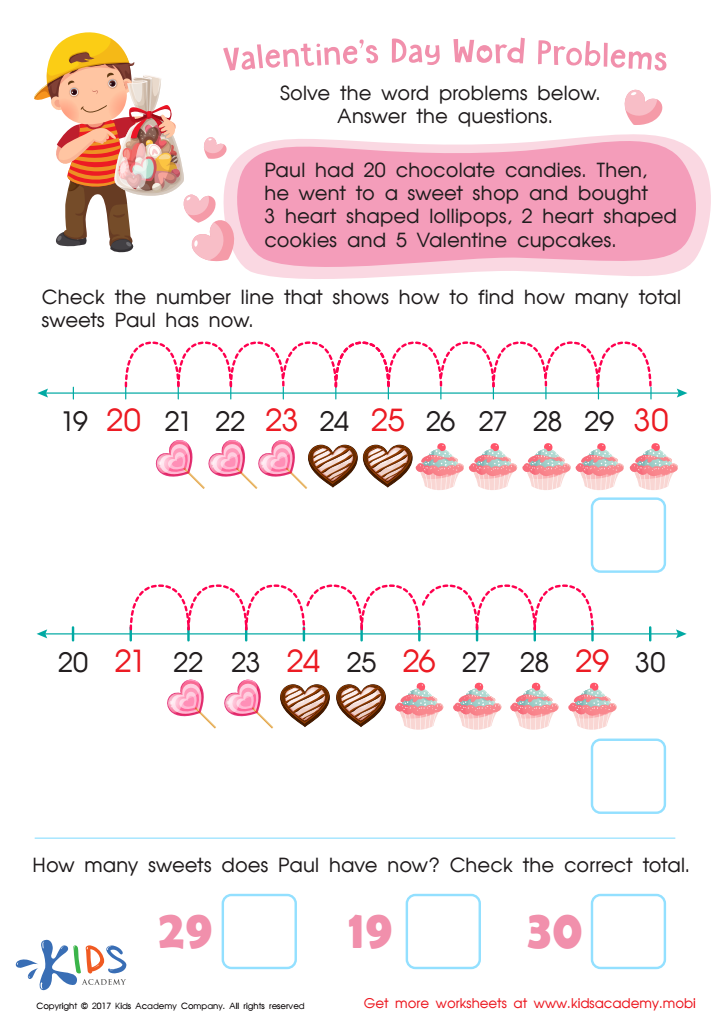
Valentines Day 2 Printable
This PDF worksheet uses a number line to help solve the problems. Your child will be ready for Valentine's Day after completing it. Counting and adding from 20 is also reinforced.
Valentines Day 2 Printable
Worksheet
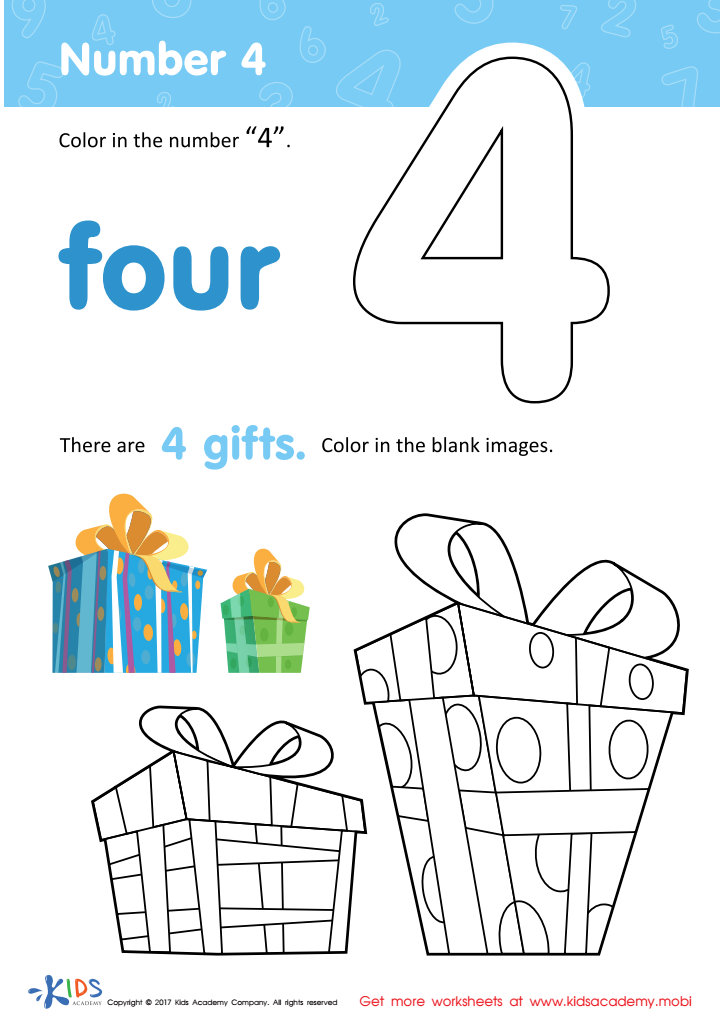
Number 4 Printable
Kids love gifts! Give your child a learning opportunity with this number 4 coloring page. As they design their own wrapping paper, they'll learn to read and recognize the number four. An exciting way to have fun and learn at the same time!
Download (PDF)
 Assign to My Students
Assign to My Students
Number 4 Printable
Worksheet
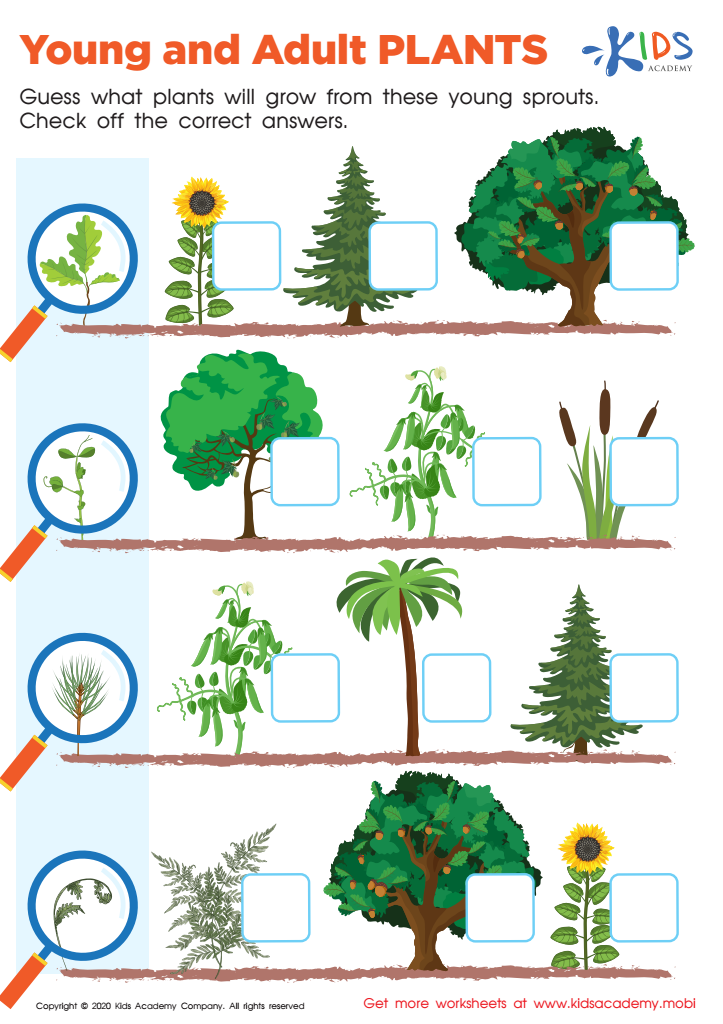
Young and Adult Plants Worksheet
Examine the sprouts, then compare the leaves of the nearby trees. Check the box next to the tree that looks similar to the sprout to complete the worksheet. Problem-solving and analysis skills will be put to the test! 80 words.
Young and Adult Plants Worksheet
Worksheet
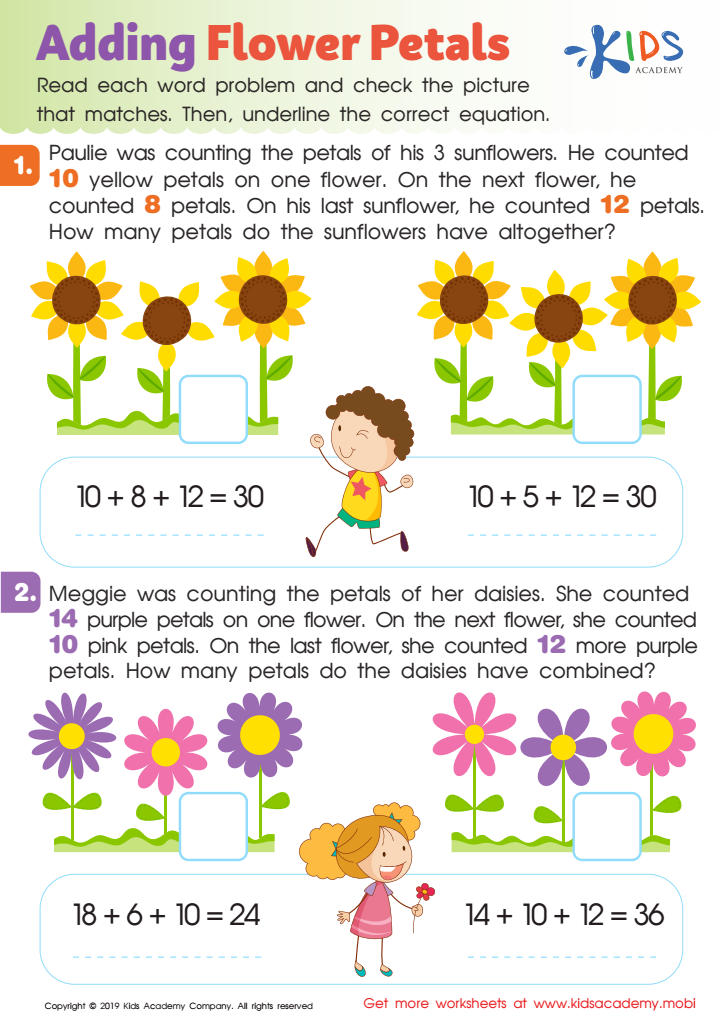
Adding Flower Petals Worksheet
This free worksheet helps little mathematicians learn to understand word problems. They'll read each one and match it to the corresponding picture. Important info is highlighted, teaching kids to look for key info when solving problems. Then they'll underline the correct number equation that matches the picture. A great way to practice problem-solving skills!
Adding Flower Petals Worksheet
Worksheet
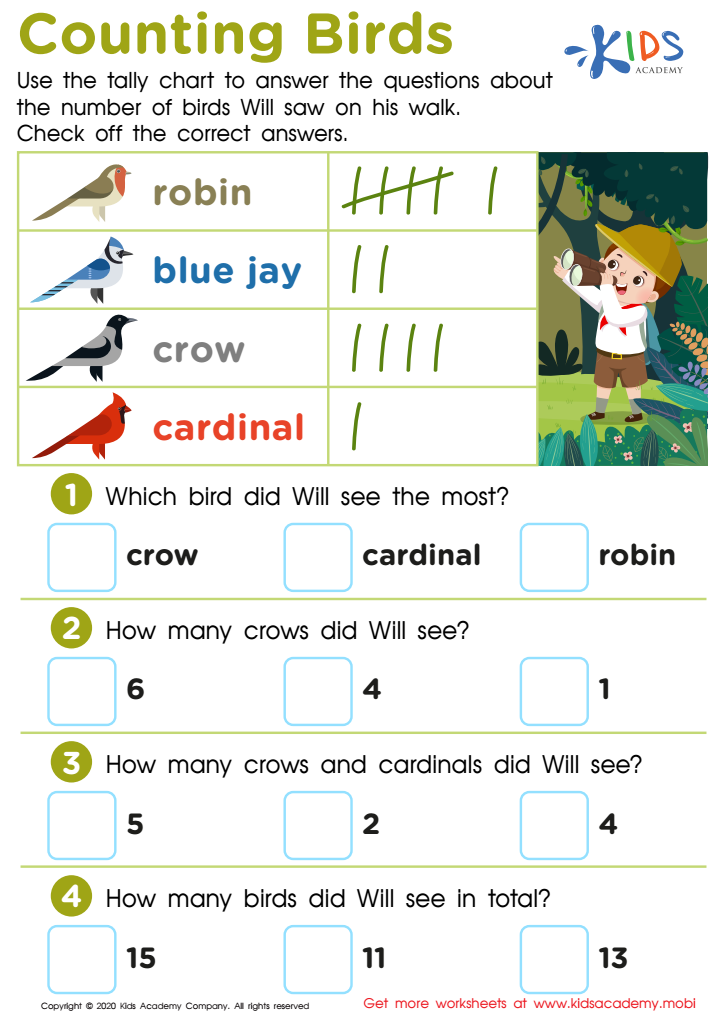
Counting Birds Worksheet
Introduce your child to the exciting activity of bird watching! This PDF worksheet features a tally chart of the different types of birds Will saw on his walk. Have your kid use the tally chart to organize information and use it to answer the questions that follow, thus boosting early science and math skills.
Counting Birds Worksheet
Worksheet
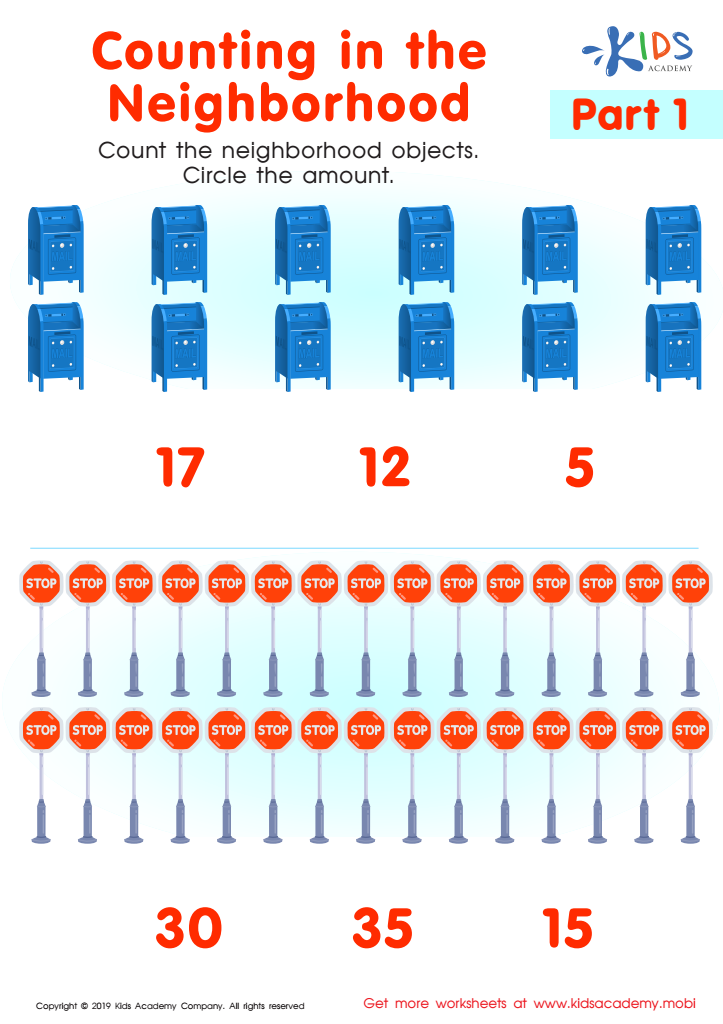
Counting in the Neighborhood Part1 Worksheet
Counting using one-to-one representation is a great way to develop a child's number sense. Use objects, pictures and images to help counting beyond the fingers. This worksheet uses everyday objects to practice counting. It encourages children to find the correct number and count forward. Give it a try!
Counting in the Neighborhood Part1 Worksheet
Worksheet
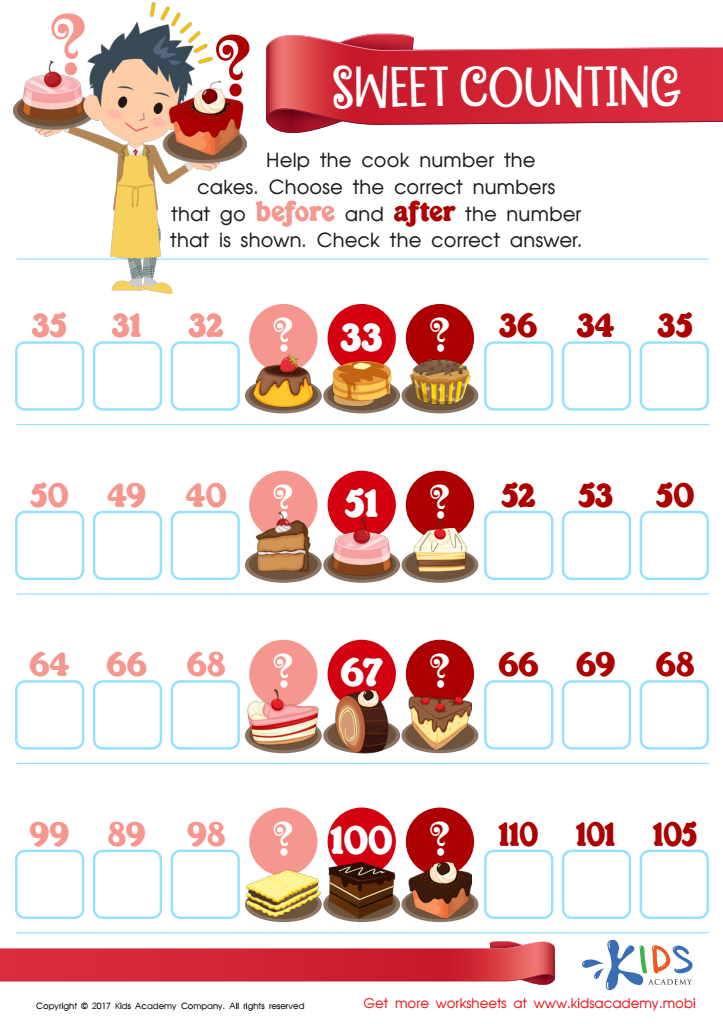
Sweet Counting - Part 1 Worksheet
Help your child learn numbers by counting cakes! Download this fun worksheet and have them fill in the numbers missing in the line of cakes. They'll have fun helping the cook and be learning at the same time!
Sweet Counting - Part 1 Worksheet
Worksheet
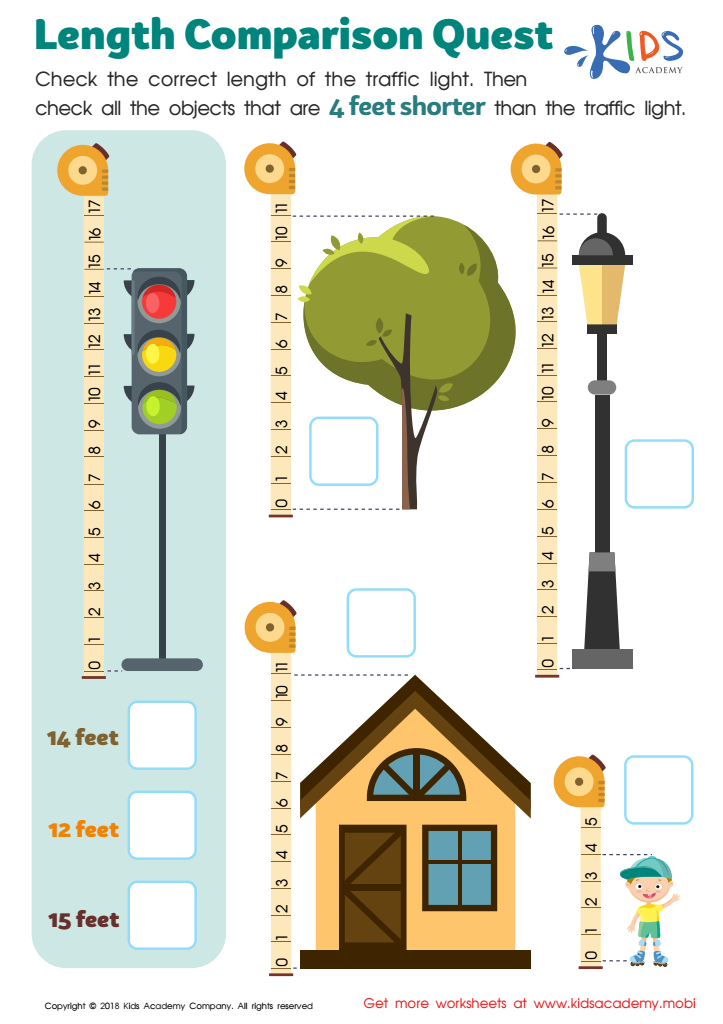
Length Comparison Quest Worksheet
Knowing measurement tools and how to use them is just the start. To be proficient, your kid must be able to accurately compare objects and their lengths. With the 'Length Comparison Quest' worksheet, they will check the correct length of the traffic light in the picture and then compare other objects to it, marking those that measure 4 feet shorter.
Length Comparison Quest Worksheet
Worksheet
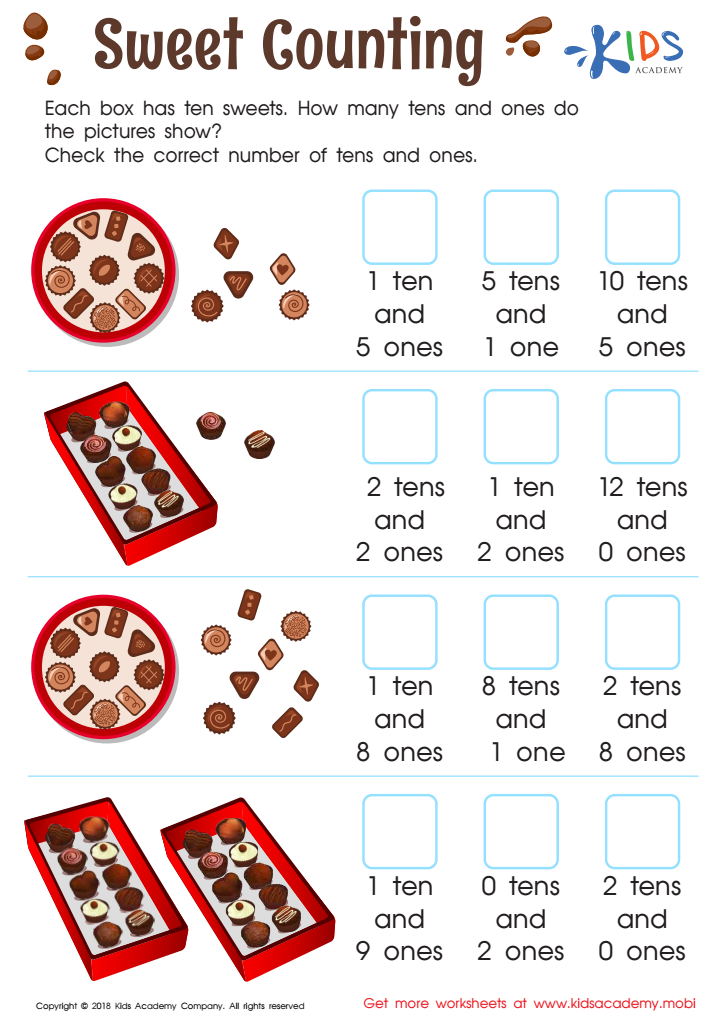
Sweet Counting - Part 2 Worksheet
Kids adore sweets! Make counting fun with this sweet-themed worksheet. Guide your child to count chocolates in boxes of 10, plus individual candies. Group them into tens and ones. Ask: "How many ones and tens are in each row?" Check the answer and complete the practice sheet.
Sweet Counting - Part 2 Worksheet
Worksheet
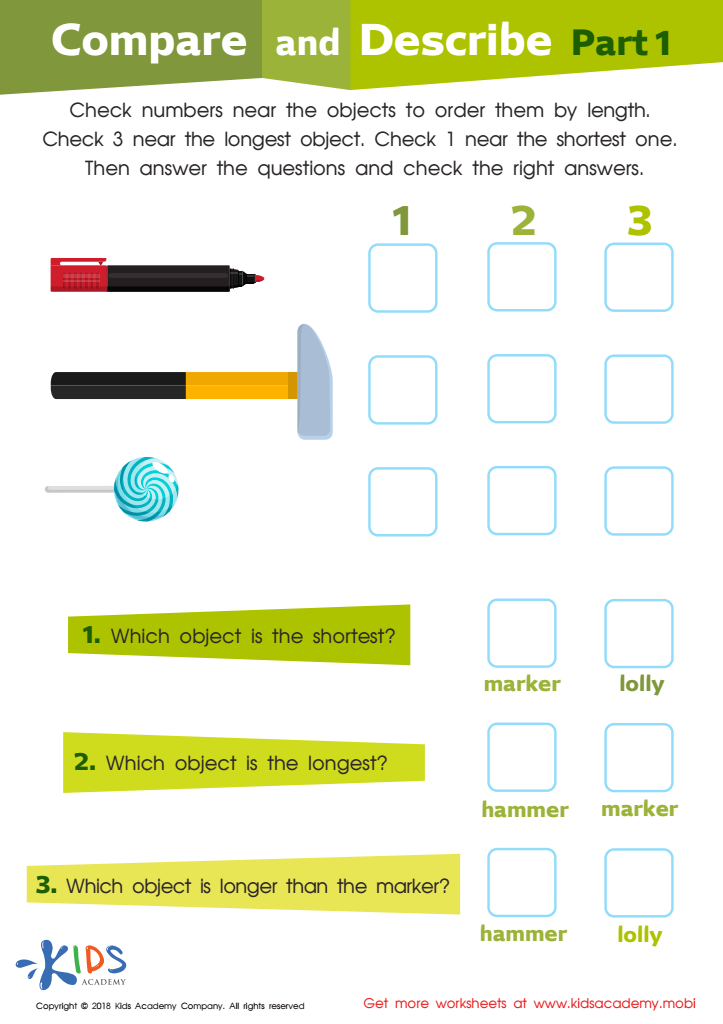
Compare and Describe: Part 1 Worksheet
In this worksheet from Kids Academy, kids can start learning measurement in stages. Observe the images, then compare their length - which one is shortest? Which one is longest? Answer the questions at the bottom to complete the sheet. It's an easy way to help kids understand measurement basics.
Compare and Describe: Part 1 Worksheet
Worksheet
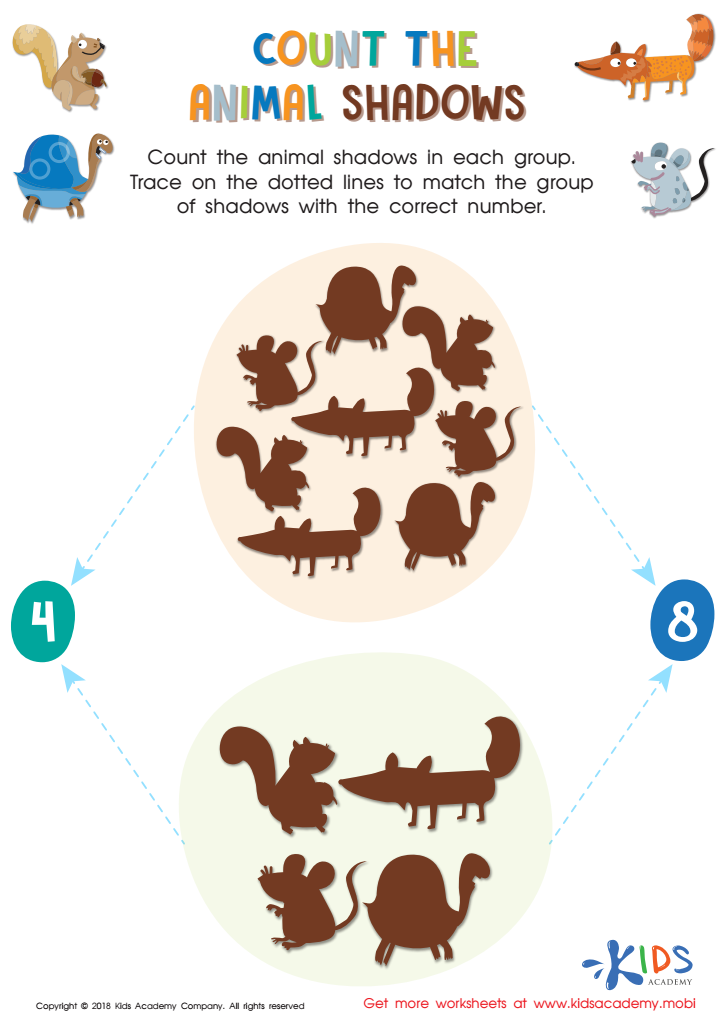
Count the Animal Shadows Worksheet
Our shadows accompany us wherever we go. Even your kids have seen theirs! Did they know that animals have shadows too? Count the animal shadows in each group with this worksheet. Ask your child to identify the animals pictured, then help them trace the dotted lines to match with the right number.
Count the Animal Shadows Worksheet
Worksheet
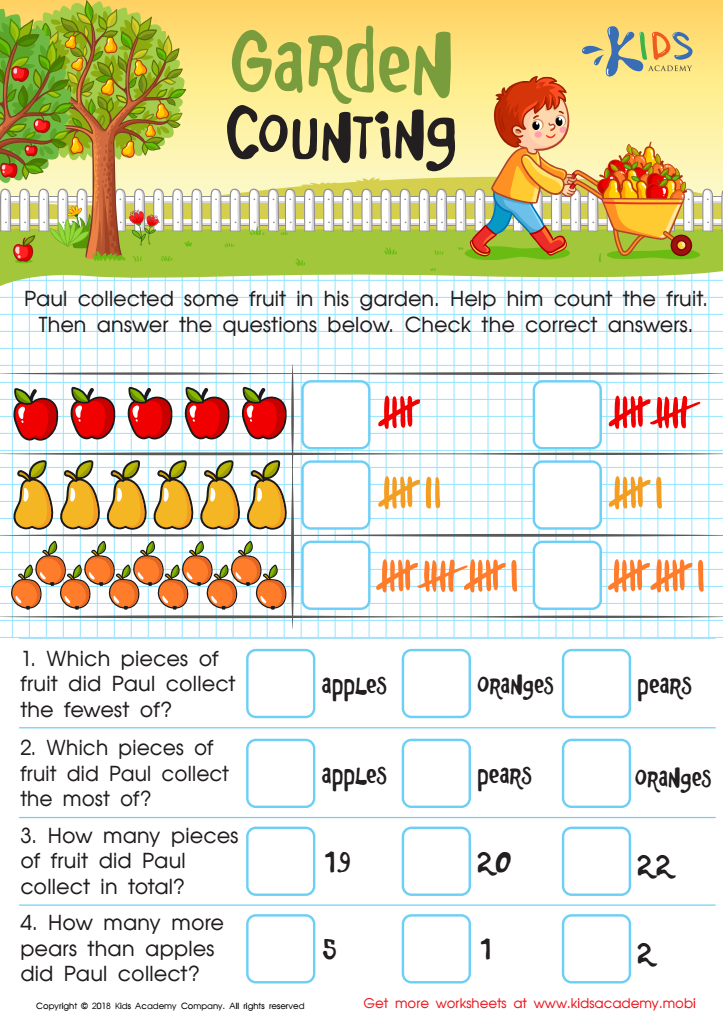
Garden Counting Worksheet
Help Paul count his fruit! Look at each type and count the total; check the box with the right number. Answer the questions below to report your findings and the types of fruit. Let's help Paul count his delicious harvest!
Garden Counting Worksheet
Worksheet
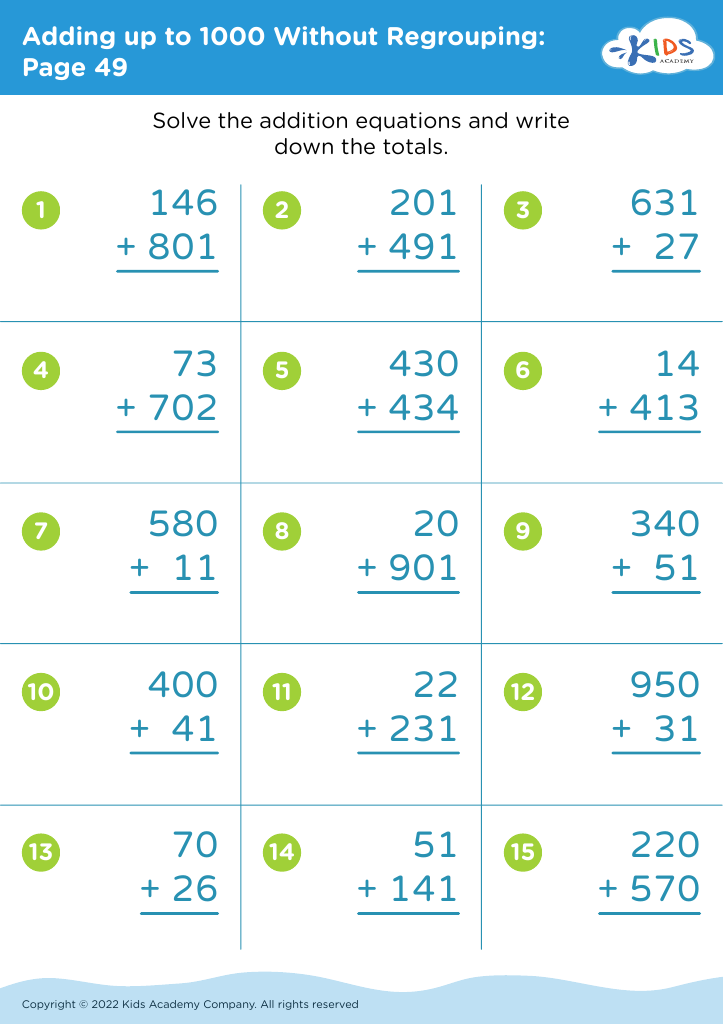
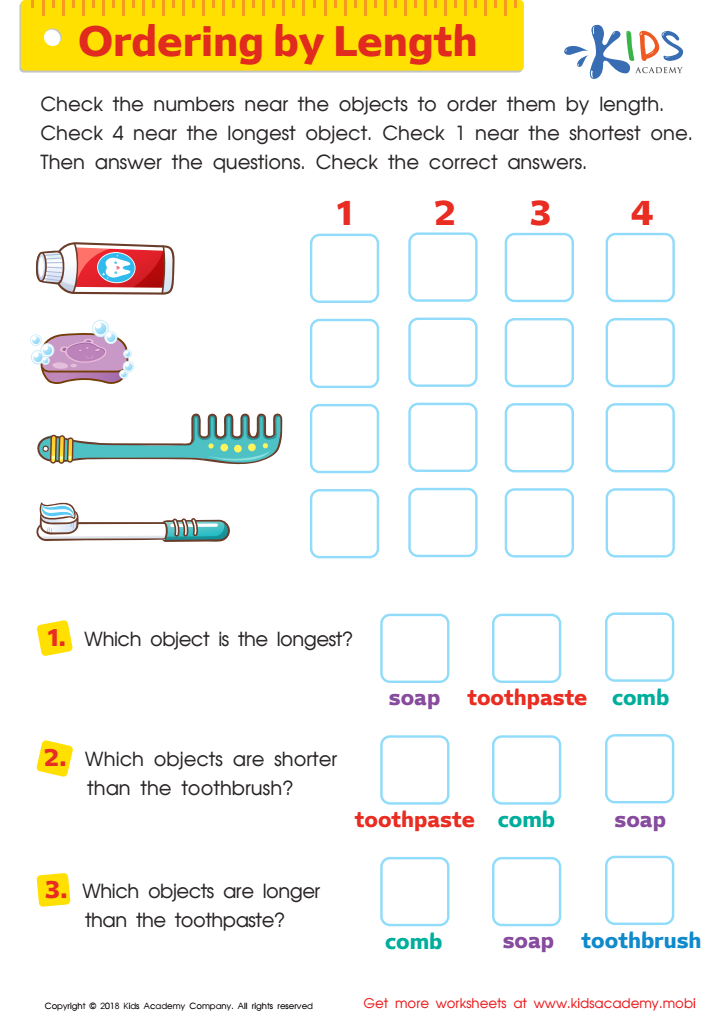
Ordering by Length Worksheet
Compare objects to learn about measurement! Before purchasing a ruler, get kids to understand length by comparing objects and labeling them as longer or shorter than others. Use this printable math worksheet to help children think about measurement. It will show pictures of objects and ask children to categorize them by length.
Ordering by Length Worksheet
Worksheet
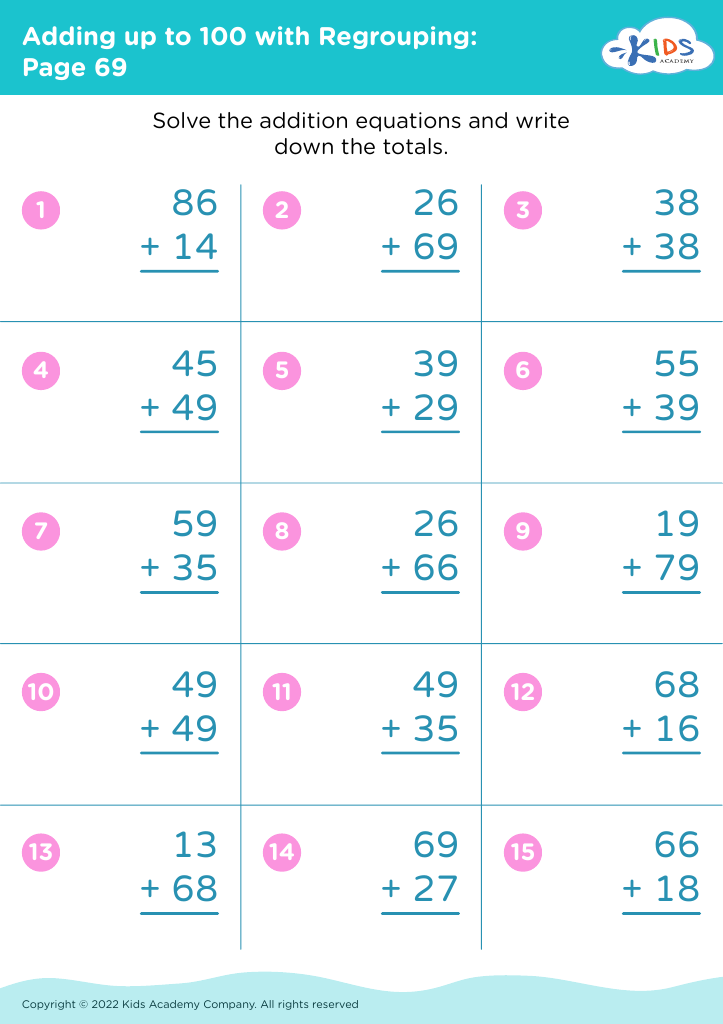
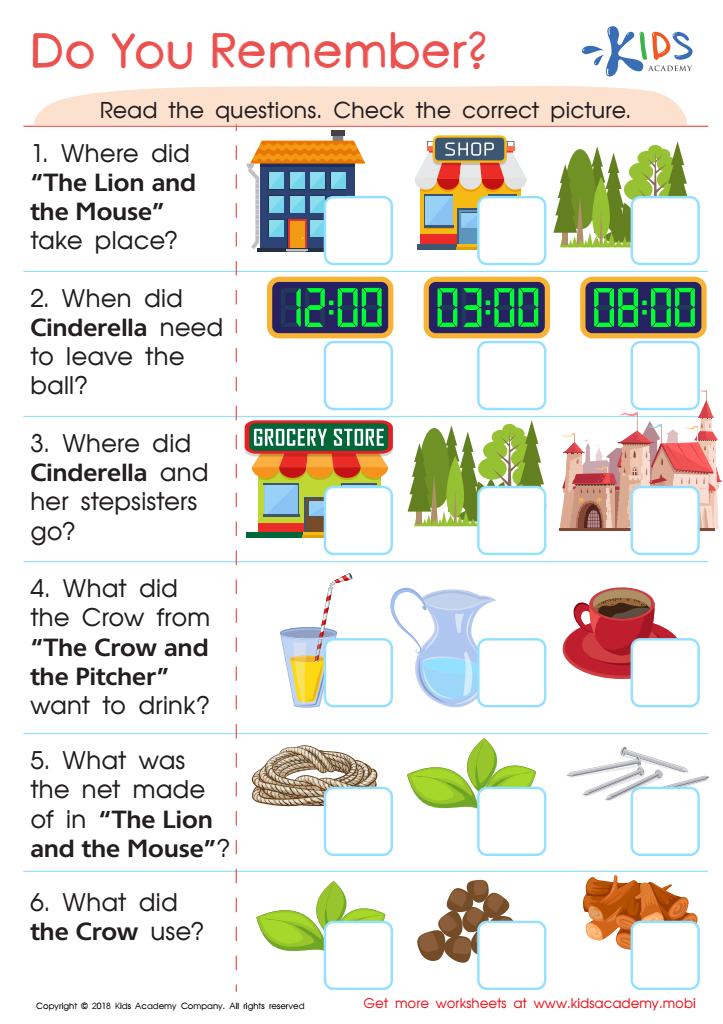
Do You Remember? Worksheet
Read "Cinderella", "The Crow and the Pitcher" and "The Lion and the Mouse" to your child. Discuss the plot and characters, and how their choices shape the story. Use this worksheet to check their comprehension and memory. Read the questions and have them select the correct picture answer.
Do You Remember? Worksheet
Worksheet
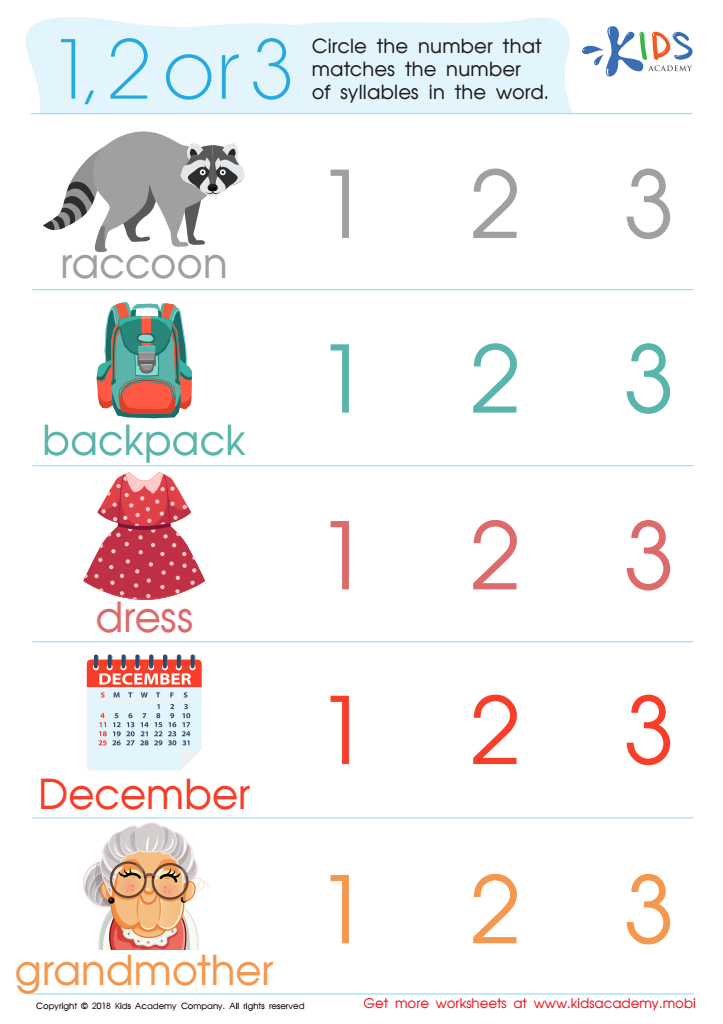
1, 2 or 3? Worksheet
Do your kids know about syllables? Test their understanding with this worksheet. Read the words aloud and ask them to say them with you. Help them circle the number that matches the number of syllables in each word. Perfect for expanding knowledge or testing how much they've already learned.
1, 2 or 3? Worksheet
Worksheet
Join Kids Academy for Free
Who is primarily going to use this learning content?


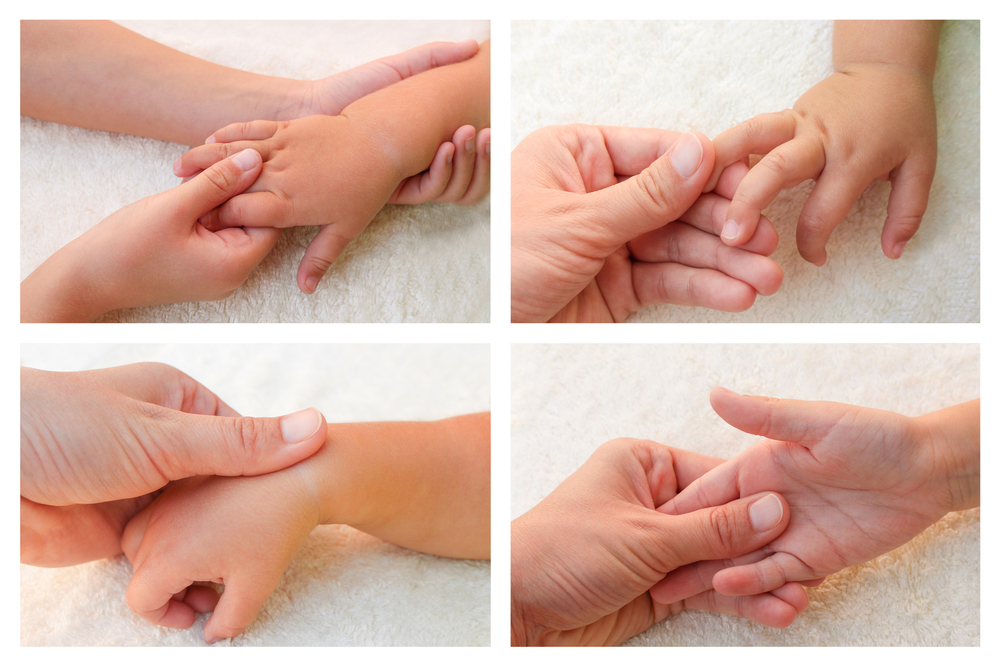



Visual perception plays a crucial role in the cognitive and physical development of children aged 7-8. At this stage, children are often enhancing their reading and writing skills, and effective visual perception is essential for interpreting letters, numbers, and symbols accurately. Difficulty in visual perception can lead to challenges in academic achievement, such as poorer reading comprehension and math skills.
Moreover, visual perception is important for developing spatial awareness, which is vital during team sports and physical activities. Children need to navigate their environment, avoid obstacles, and coordinate movements effectively. As they engage in play and learning, strong visual perception helps them to organize their thoughts and actions, fostering independence and confidence.
By understanding the significance of visual perception, parents and teachers can identify any potential difficulties early on. This knowledge allows for timely interventions, such as specialized activities and exercises to enhance visual skills, thereby supporting the child’s overall development. Ultimately, fostering visual perception contributes not only to academic success but also to a child's social and emotional growth, enabling them to interact, play, and learn effectively in diverse environments. Recognizing its importance empowers adults to nurture well-rounded, capable individuals.








