Vocabulary Building Adding up to 100 Worksheets for Ages 7-8
3 filtered results
-
From - To
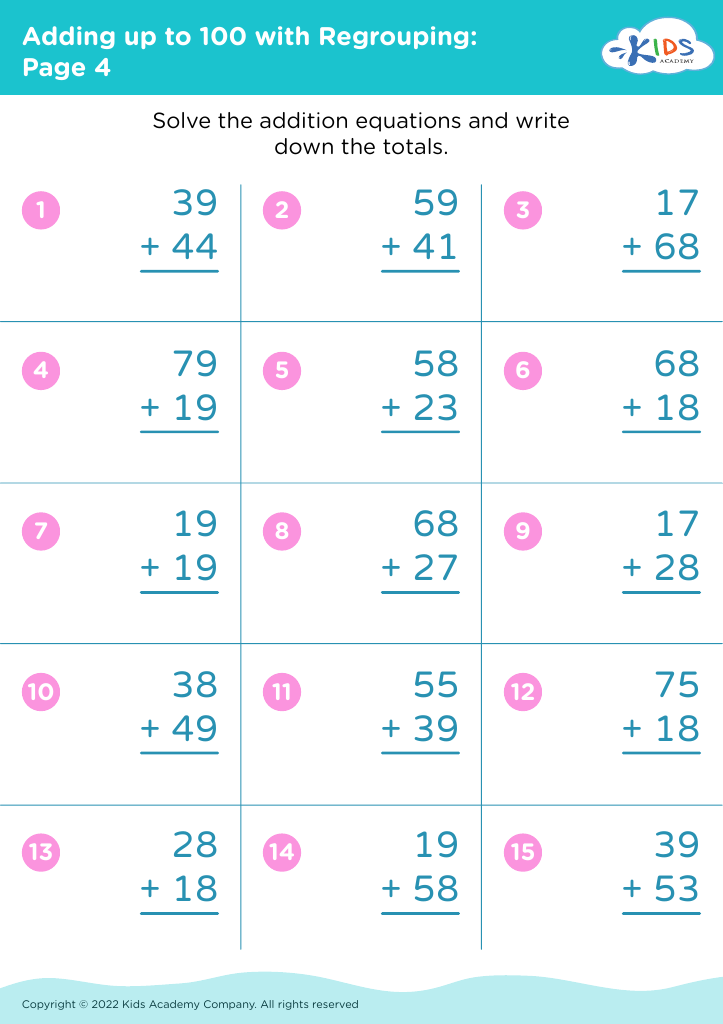
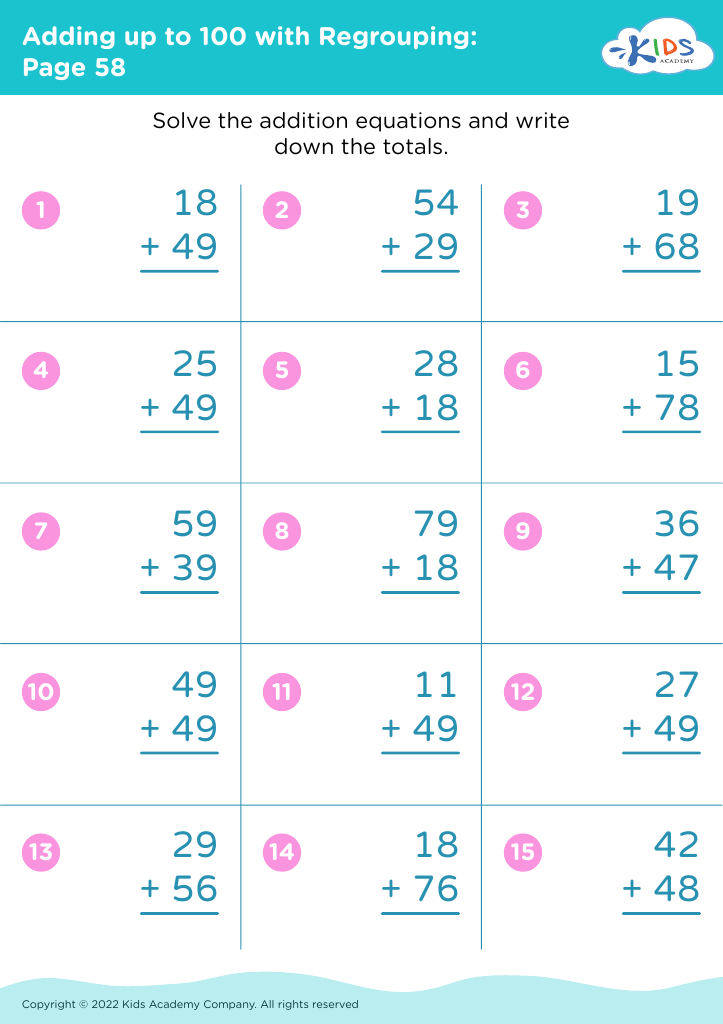
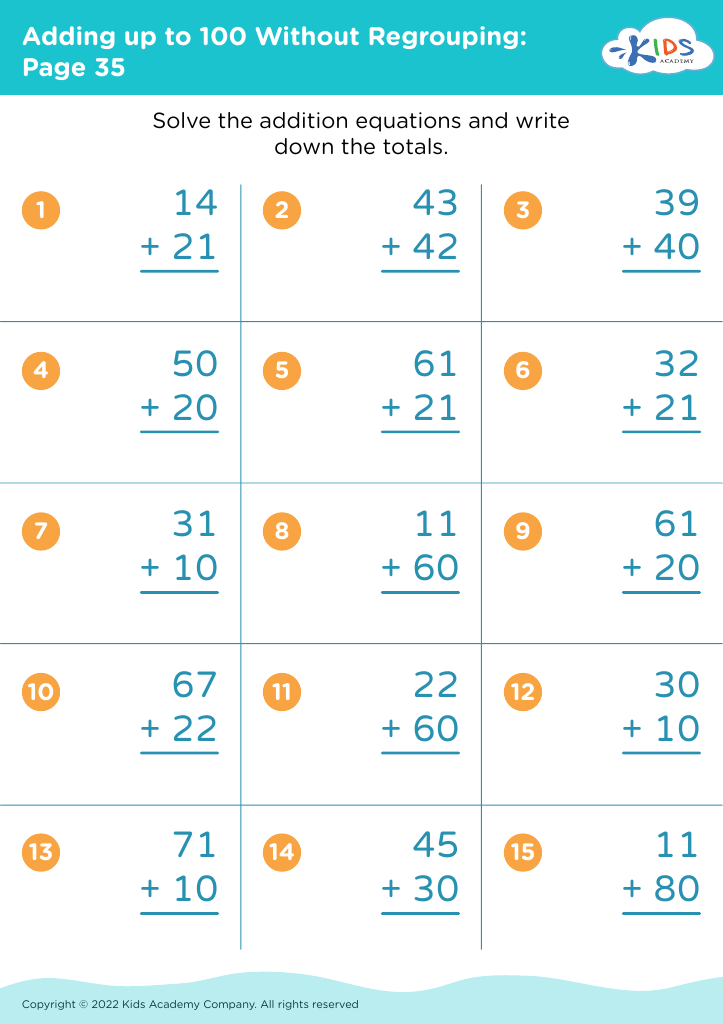
Discover our engaging "Vocabulary Building Adding up to 100 Worksheets" designed specifically for children ages 7-8! These worksheets focus on enhancing vocabulary while reinforcing math skills through addition up to 100. Each activity incorporates fun exercises that connect mathematical concepts with language development, making learning enjoyable and effective. Kids will explore key terms and phrases related to math operations, enabling them to build a robust vocabulary that supports their academic growth. Perfect for classroom use or at-home practice, these worksheets will empower your child to excel in both math and literacy. Make learning exciting with our creative resources today!






%20(1).jpg)
Vocabulary building is essential for children aged 7-8 as it forms the foundation for effective communication and literacy skills. At this critical stage of development, children begin to encounter more complex texts and ideas in their reading and classroom discussions. Developing a robust vocabulary equips them to comprehend and express their thoughts clearly, which is vital for academic success and lifelong learning.
Furthermore, enhancing vocabulary at a young age promotes cognitive development. Children learn not just words, but also concepts and relationships, which stimulates critical thinking and enhances problem-solving abilities. When parents and teachers focus on vocabulary building, they empower children to articulate their emotions and thoughts, contributing to their social and emotional growth.
Incorporating engaging activities like word games, storytelling, and creative writing can make vocabulary acquisition enjoyable. This interactive approach fosters a love for language, encouraging children to explore new words and contexts. Ultimately, prioritizing vocabulary building creates a solid foundation for literacy, ensuring children are equipped to navigate their educational journey and communicate confidently with peers and adults. By investing in vocabulary development, parents and teachers play a pivotal role in shaping well-rounded, articulate individuals who are ready for future challenges.








