Problem-Solving Skills Addition and Subtraction Word Problems Worksheets for Ages 7-8 - Page 2
33 filtered results
-
From - To
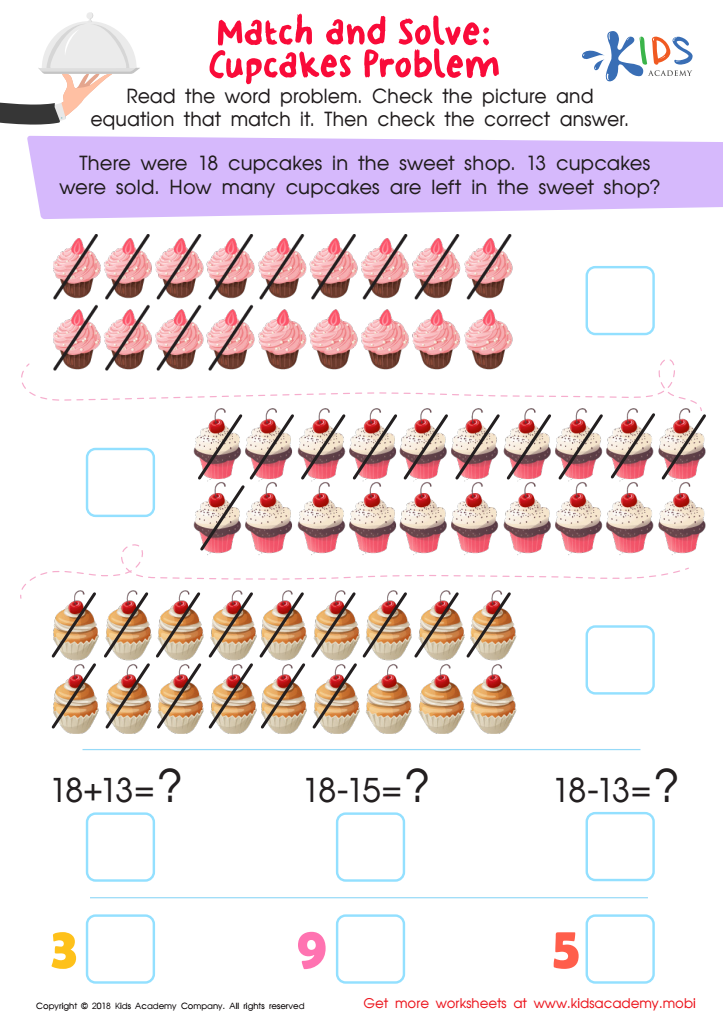
Match and Solve: Cupcakes Problem Worksheet
 Assign to My Students
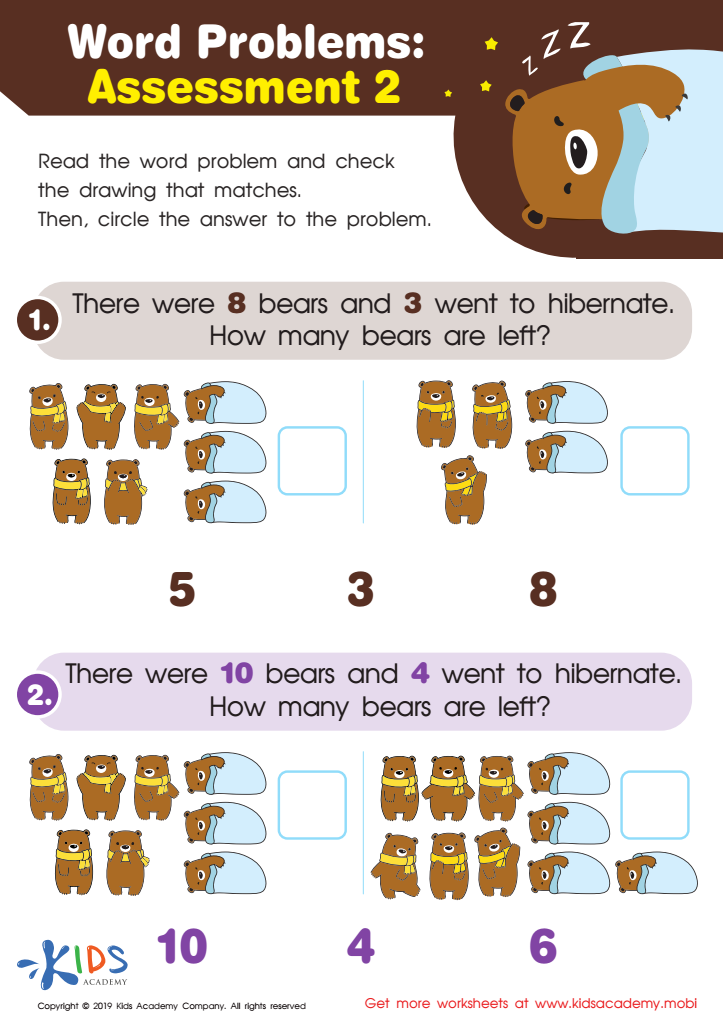
Word Problems: Assessment 2 Worksheet
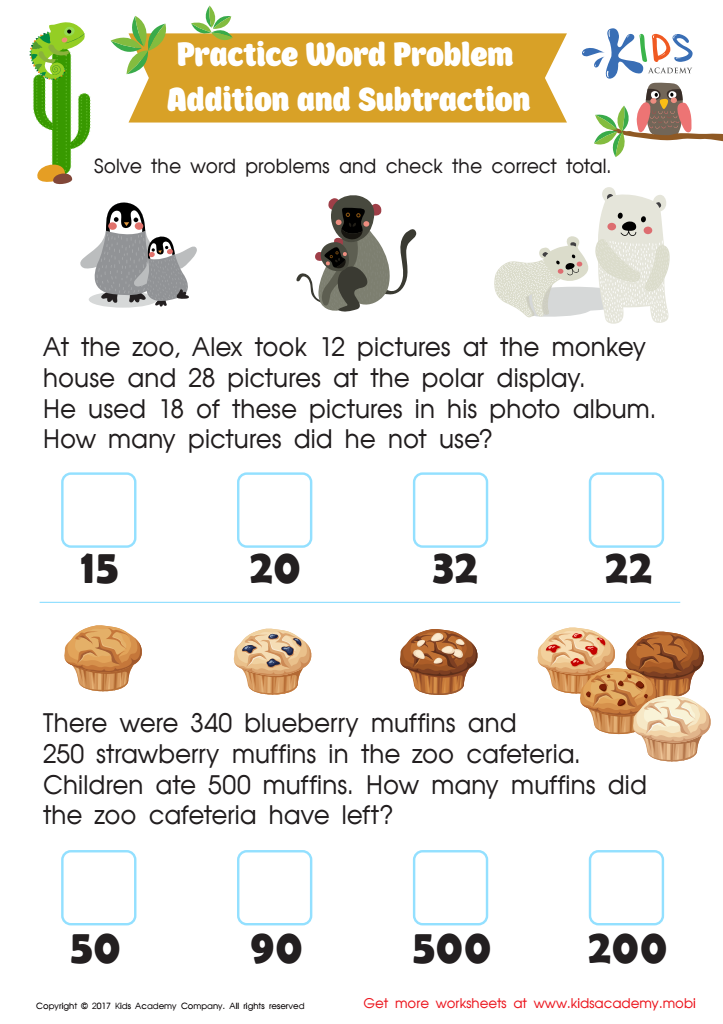
Addition and Subtraction: Word Problems Worksheet
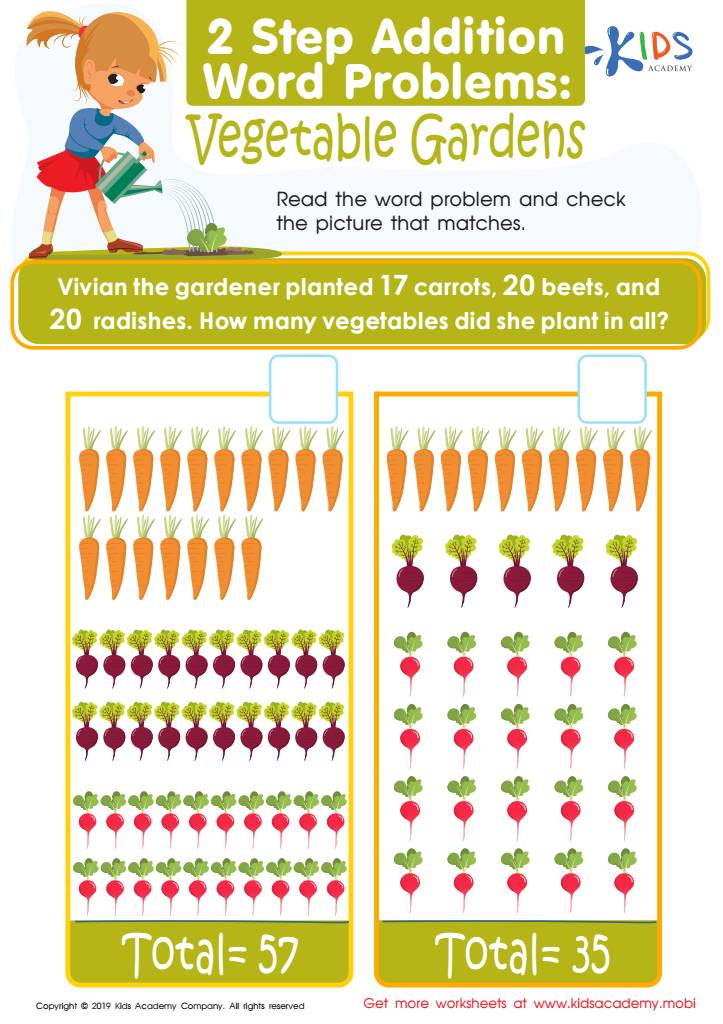
Vegetable Gardens Worksheet
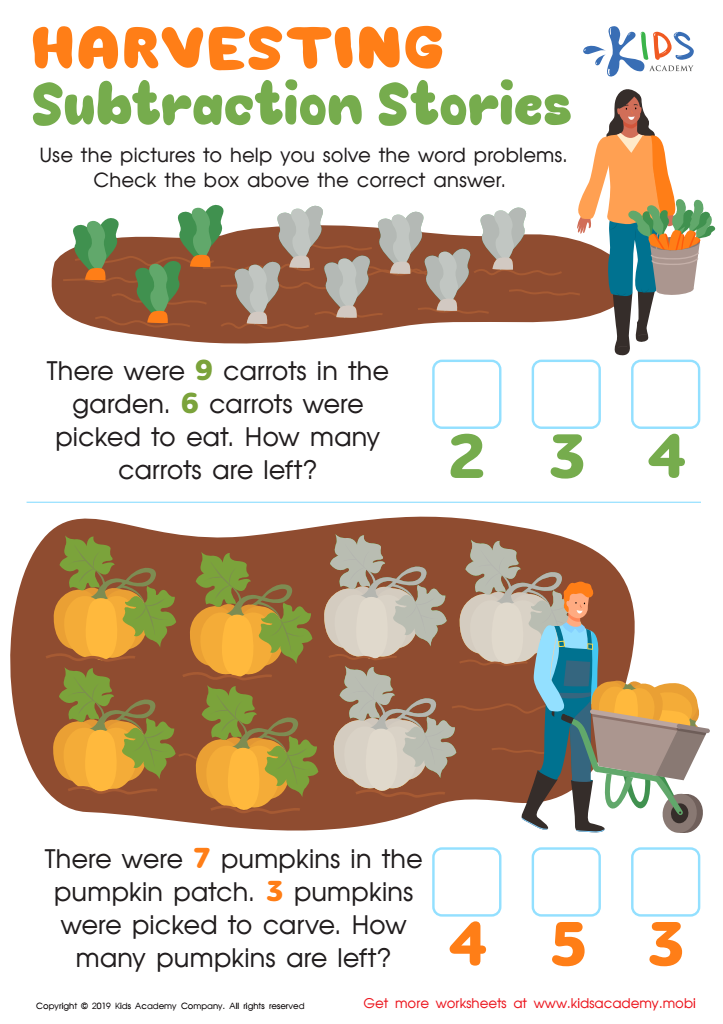
Harvesting Subtraction Stories Worksheet
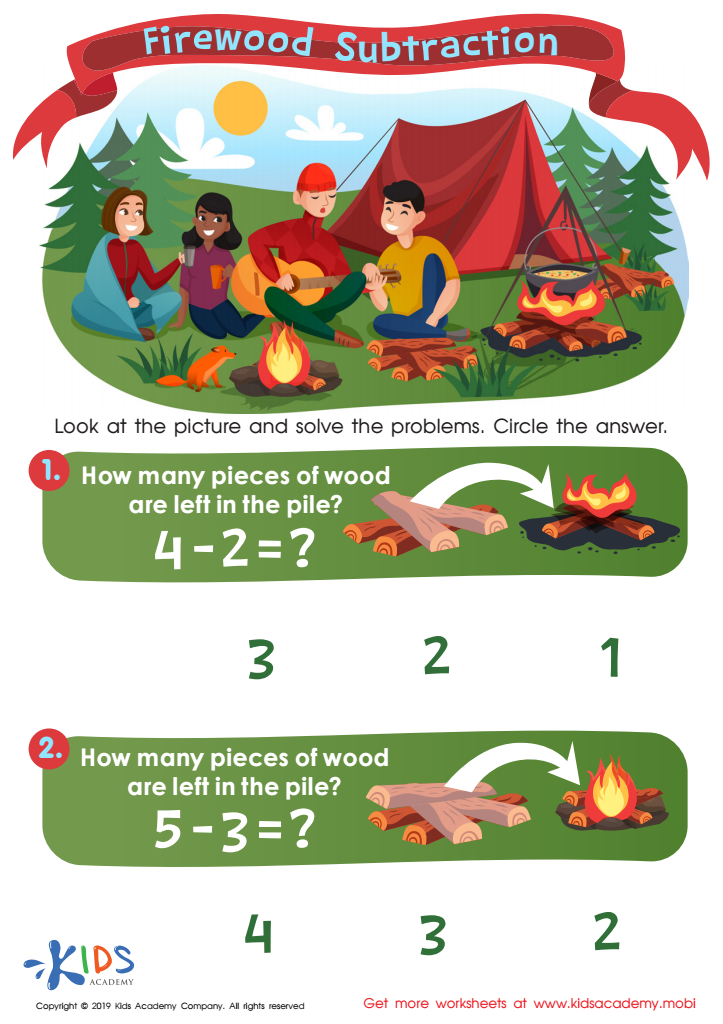
Firewood Subtraction Worksheet
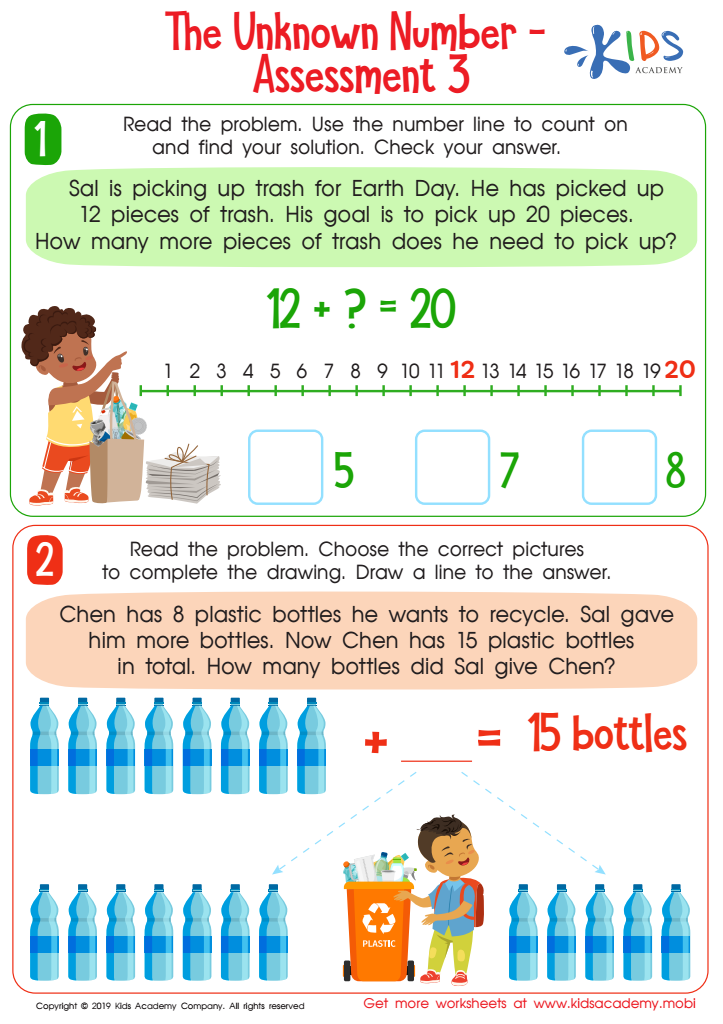
The Unknown Number - Assessment 3 Worksheet
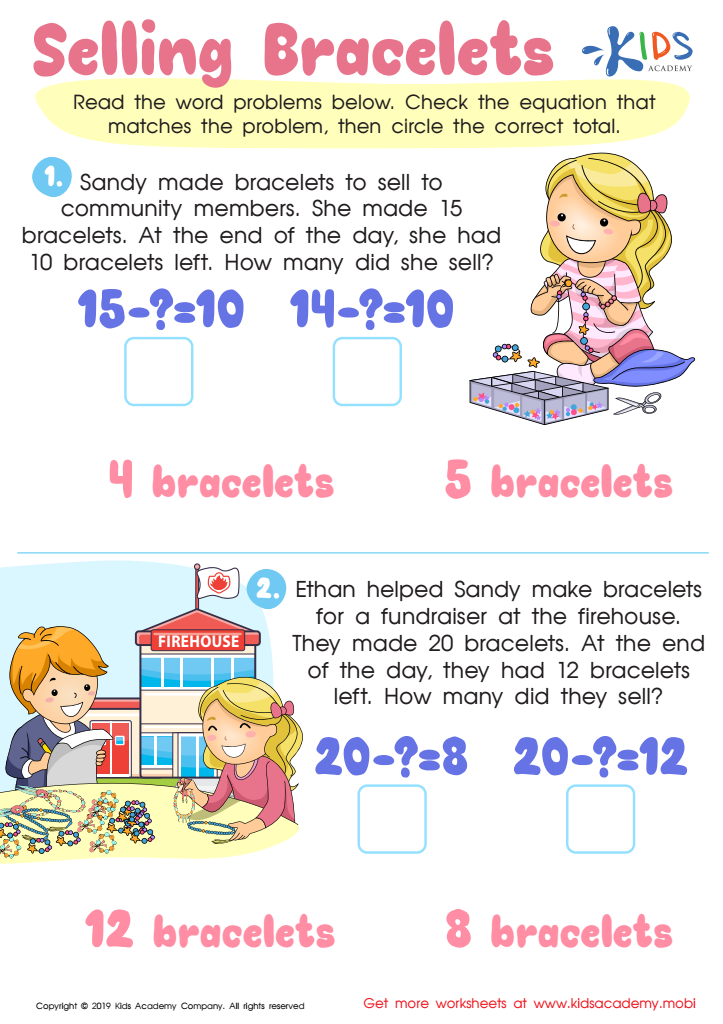
Selling the Bracelets Worksheet
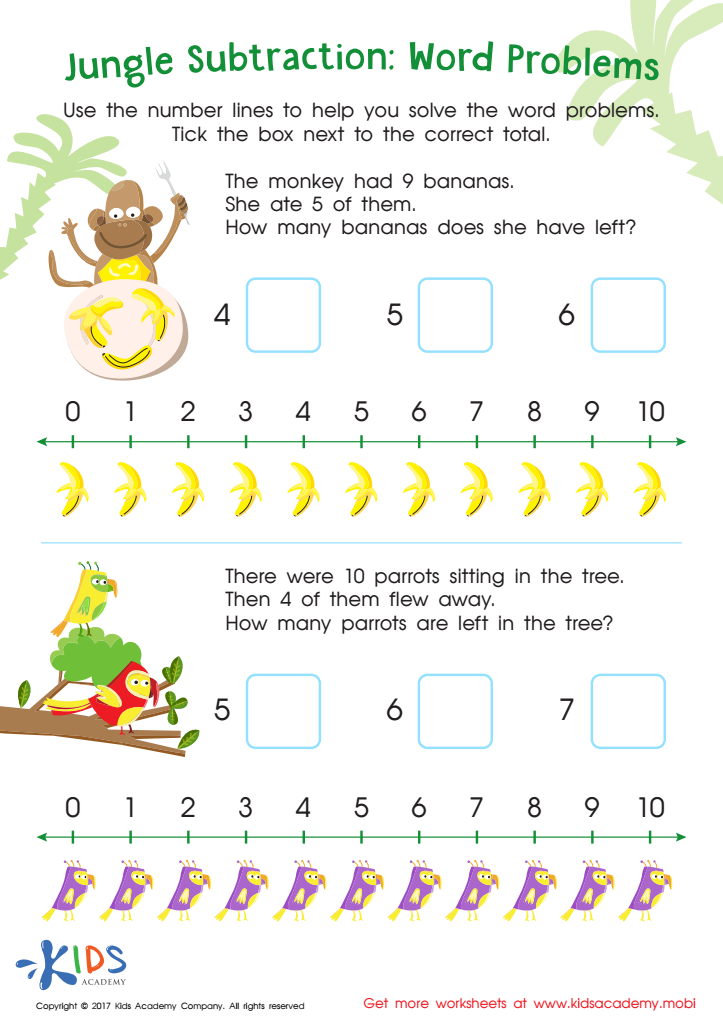
Jungle Subtraction Word Problems Substraction Worksheet








Problem-solving skills in addition and subtraction word problems are critical for children ages 7-8, as they lay the foundation for mathematical understanding and critical thinking. At this age, children transition from simple arithmetic to applying their knowledge in real-world contexts, fostering both cognitive development and practical skills. Engaging with word problems requires students to interpret the situation, identify relevant information, and choose appropriate strategies for solving the problem. This not only enhances their mathematical ability but also encourages logical reasoning and analytical skills.
For parents and teachers, nurturing these skills helps children develop a growth mindset. Encouraging perseverance when faced with challenging problems teaches resilience and boosts confidence, vital traits for lifelong learning. Additionally, problem-solving environments foster communication skills as children explain their thinking and collaborate with peers.
Lastly, proficiency in word problems is paramount as it links mathematics to everyday life. It prepares children for future academic challenges and nurtures an appreciation of math as a valuable tool for understanding the world. By prioritizing problem-solving skills in addition and subtraction, caregivers ensure that children are not only equipped for school but also for the myriad of challenges they will encounter beyond the classroom.