
Number Recognition Addition Facts Worksheets for Ages 7-8
3 filtered results
Difficulty Level
Grade
Age
-
From - To
Subject
Activity
Standards
Introduce your child to the world of mathematics with our engaging Number Recognition Addition Facts Worksheets, designed specifically for ages 7-8. These worksheets offer a fun and effective way for young learners to master essential math skills, combining number recognition with foundational addition facts. Each printable exercise is crafted to boost confidence and build a strong mathematical foundation, providing varied activities that include colorful illustrations and practical problem-solving. Perfect for classroom and home practice, these worksheets will help your child swiftly and enjoyably improve their addition skills and number comprehension.
Favorites
With answer key
Interactive
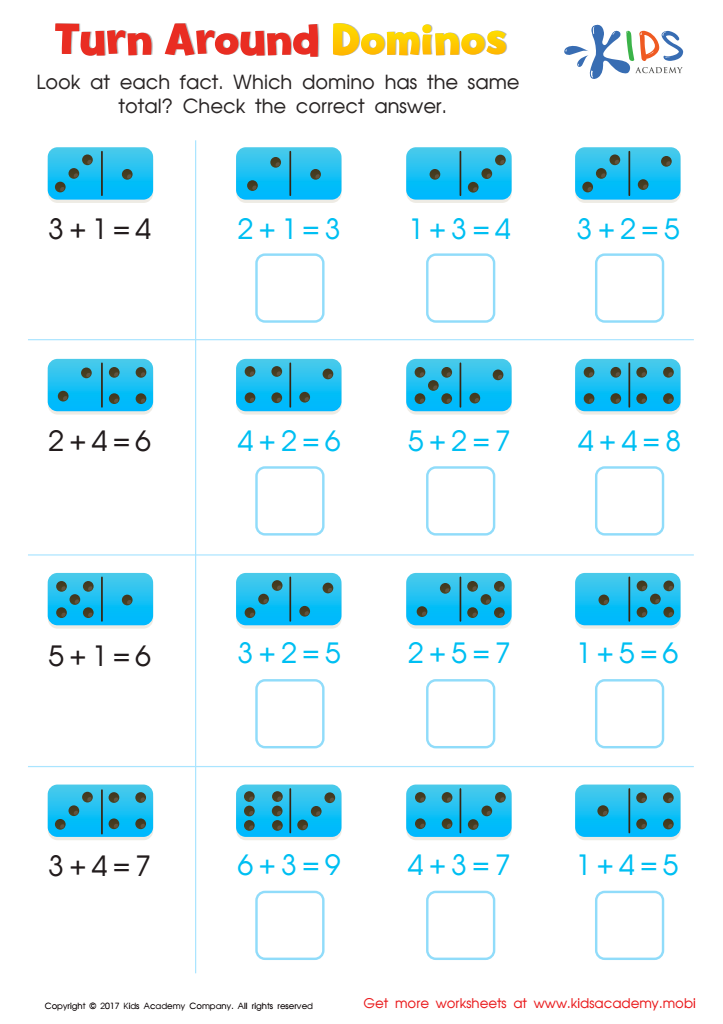
Turn Around Dominos Worksheet
Encourage your child to flex their mental muscles with this math worksheet. Look through the left side's dominos and their values and then check the three boxes on the right. Ask your child if any of the right box's dominos are similar. This requires focus and careful observation.
 Assign to My Students
Turn Around Dominos Worksheet
Worksheet
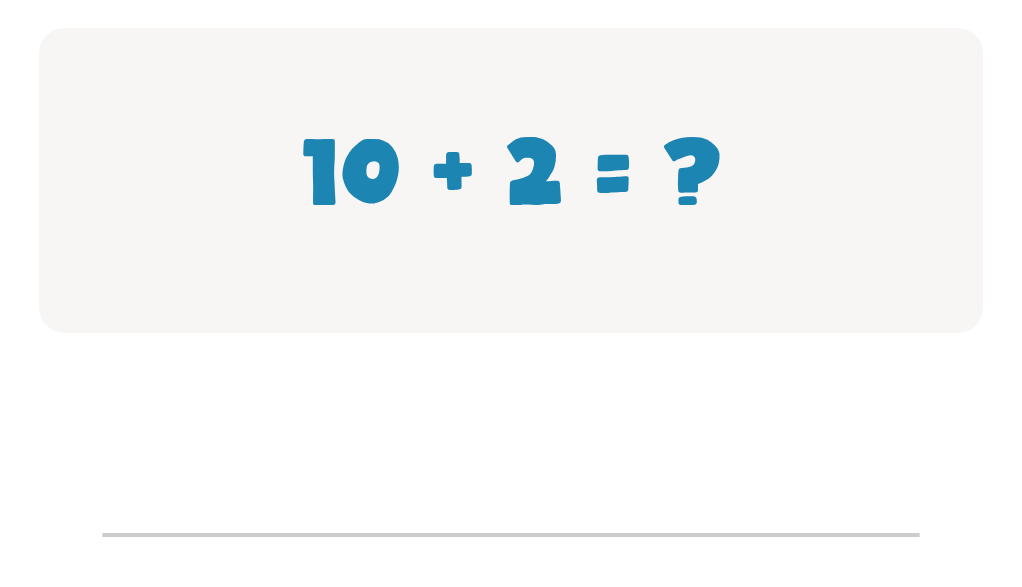

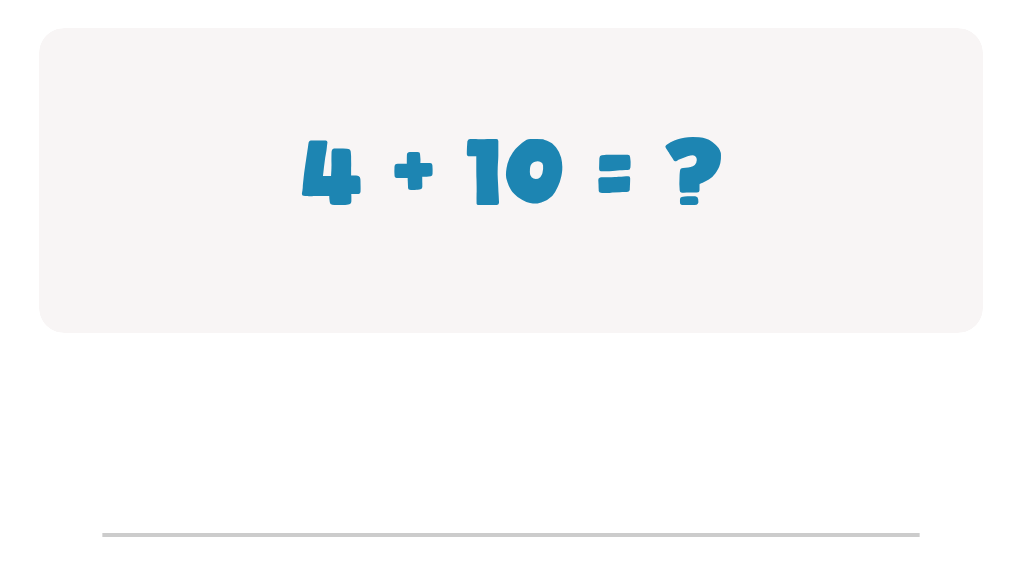
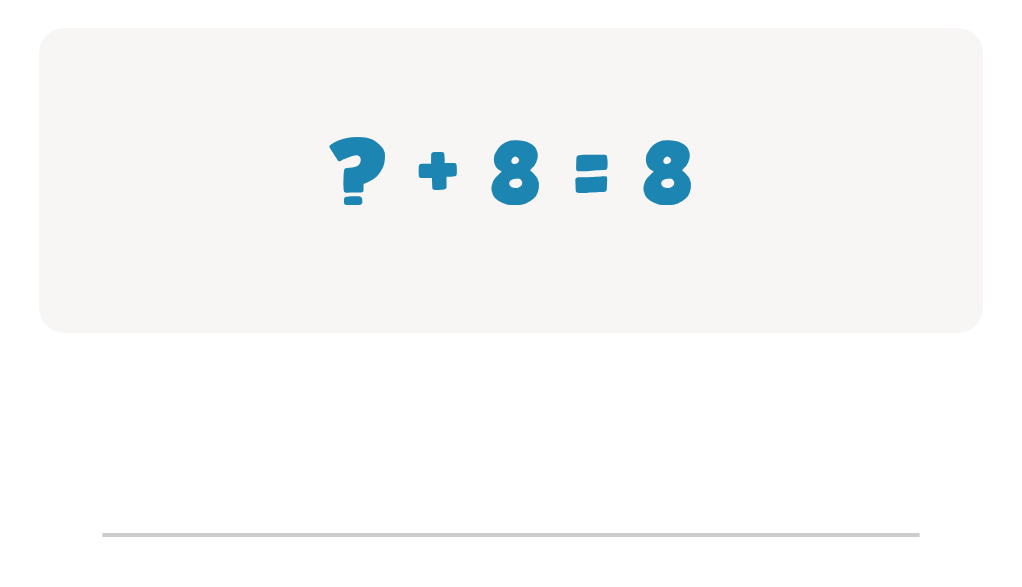
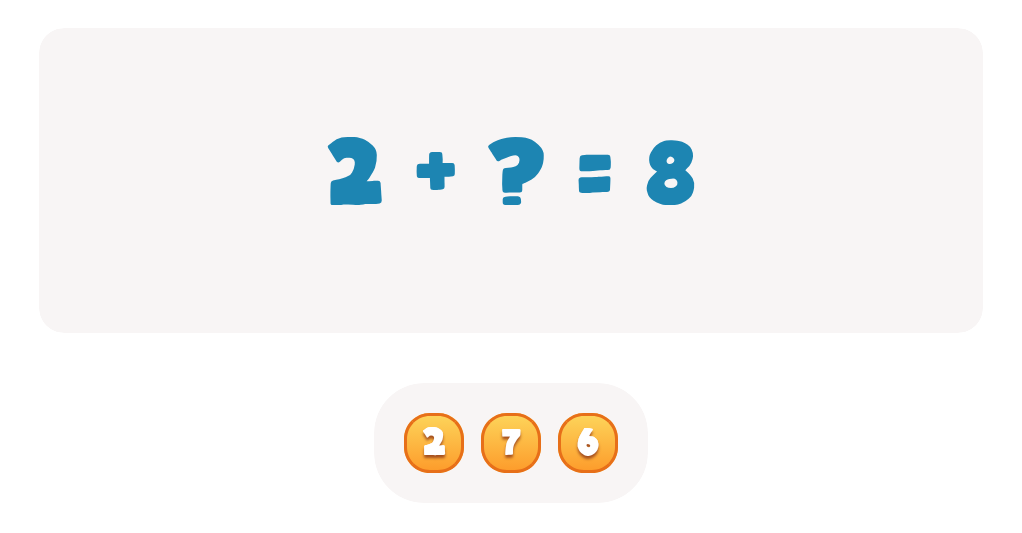
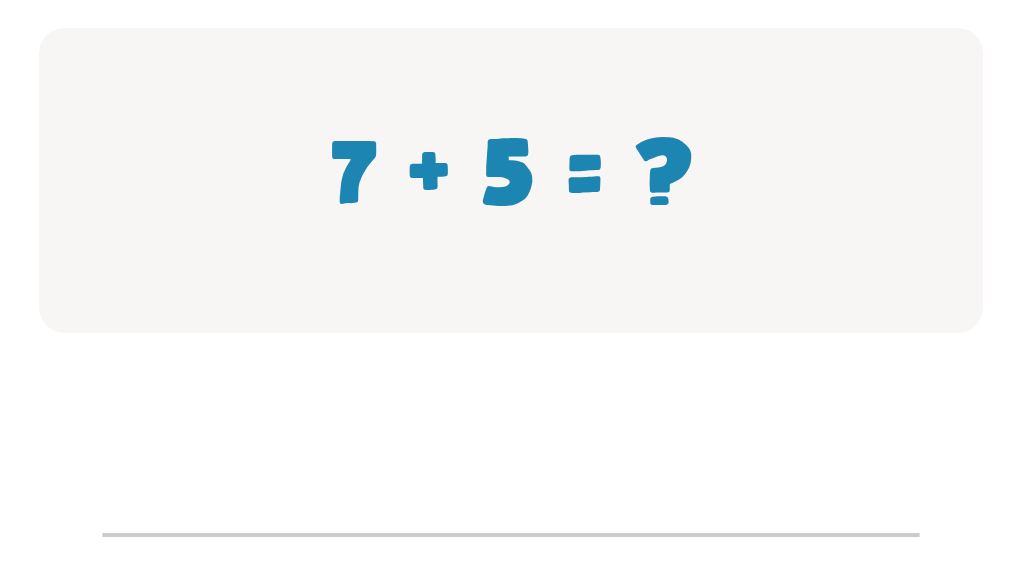
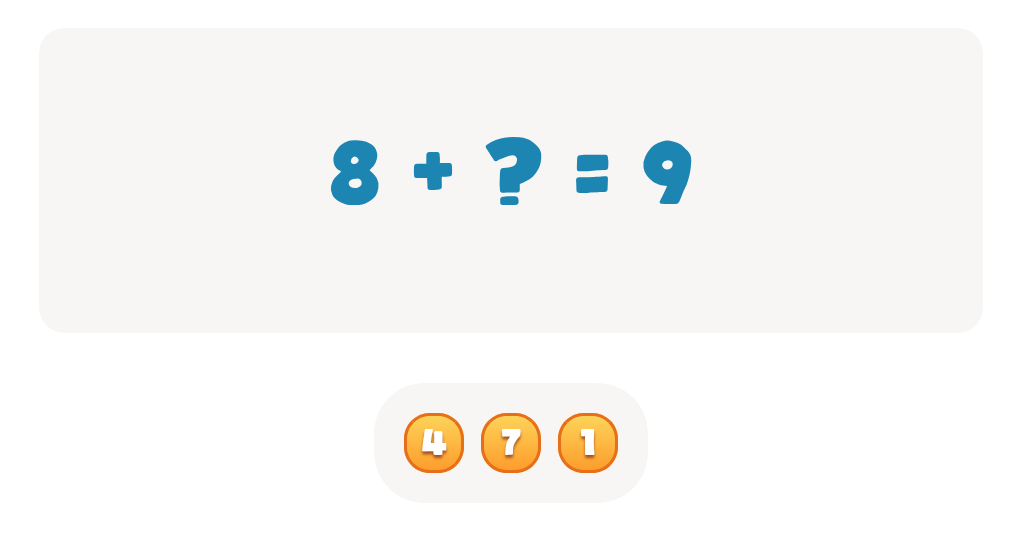

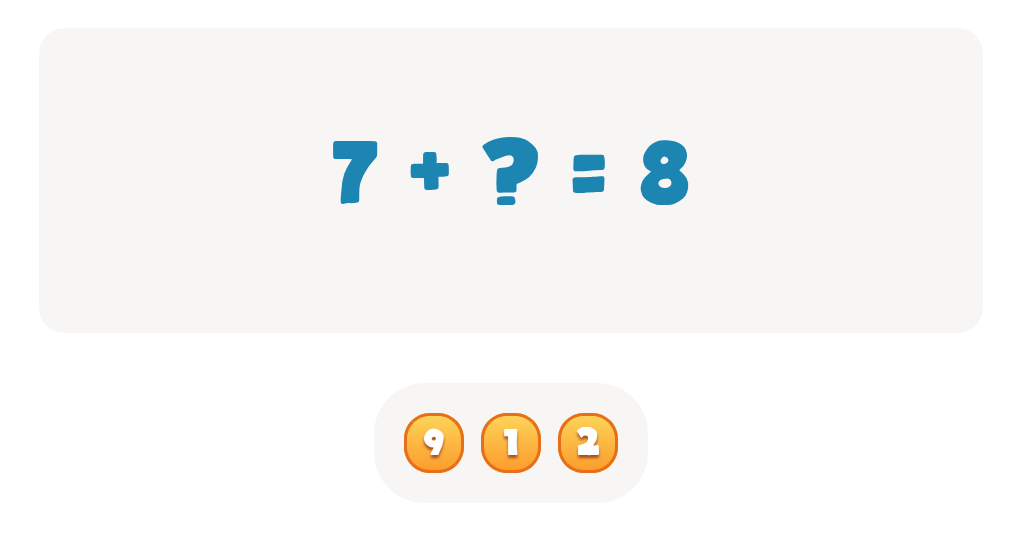
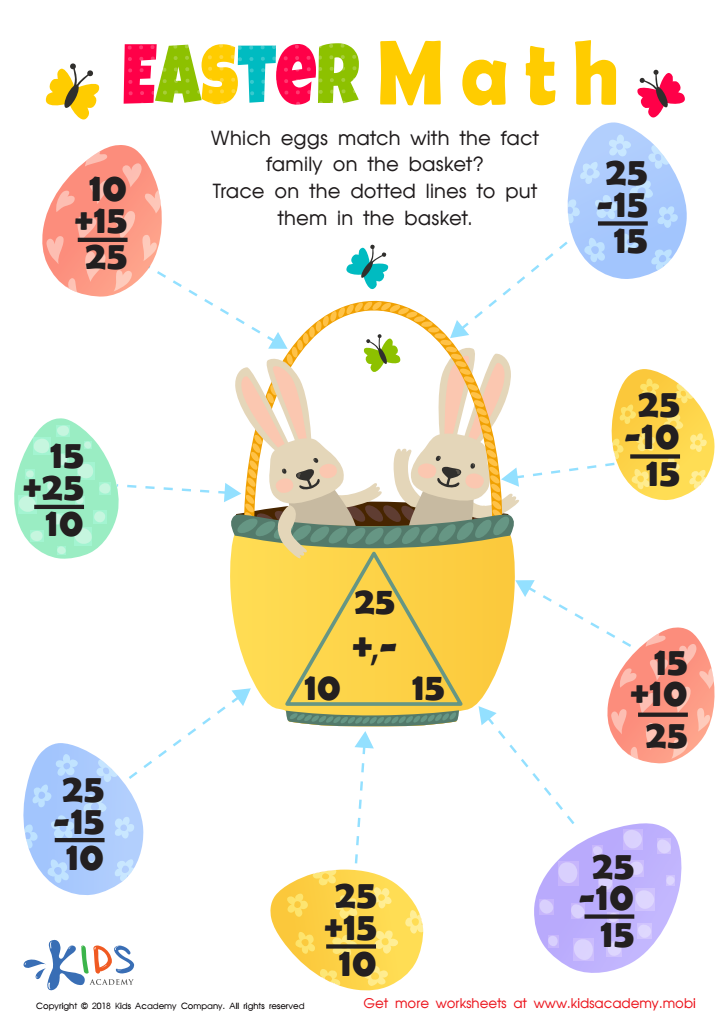
Fact Families: Easter Math Worksheet
Kids will love this vibrant PDF packed with Easter math fun! Match facts with the colorful eggs, add and subtract multiples of five to boost automaticity, and have a blast with the bunny friends!
Fact Families: Easter Math Worksheet
Worksheet
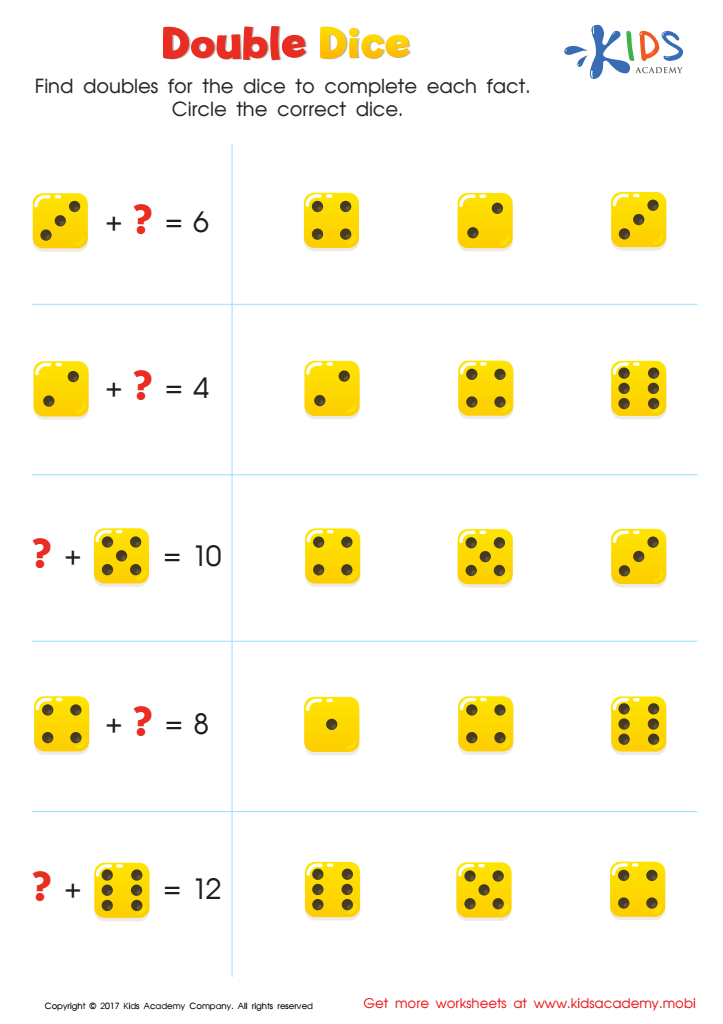
Addition Facts: Double Dice Worksheet
Are you looking for ways to make maths more engaging for kids? Maths can be a bore, but by teaching kids from an early age that it can be fun, they won't struggle with it. This worksheet is a great way to start: your child needs to identify the number on the left dice and find its double on the right. The sum of the two dice is also given.
Addition Facts: Double Dice Worksheet
Worksheet
Join Kids Academy for Free
Who is primarily going to use this learning content?








Number recognition and addition facts are foundational skills for children ages 7-8, and there are several reasons why parents and teachers should prioritize them. First, number recognition is the ability to identify and name numbers quickly and accurately. This skill is crucial because it underpins all future mathematical learning. Without strong number recognition, children may struggle to understand more complex arithmetic concepts and procedures, leading to difficulties in more advanced mathematics as they progress in their education.
Addition facts, on the other hand, are basic arithmetic skills that involve knowing by heart the results of adding two single-digit numbers. Mastering addition facts helps children develop mathematical fluency, allowing them to solve basic problems quickly and freeing up cognitive resources for tackling more complicated tasks. When children are proficient in addition facts, they feel more confident and are able to participate fully in classroom activities and discussions, fostering a positive attitude towards learning.
Furthermore, early proficiency in these areas is linked to better academic performance overall. Research has demonstrated that early math skills are strong predictors of future success in mathematics and other academic areas. By investing in number recognition and addition facts, parents and teachers are laying a foundation that supports future learning, promotes academic achievement, and helps children develop a lasting interest and confidence in math.








