Improve number recognition Addition & Subtraction Worksheets for Ages 7-8
15 filtered results
-
From - To
Boost your child's math skills with our engaging "Improve Number Recognition Addition & Subtraction Worksheets" designed for ages 7-8. Our vibrant and interactive worksheets offer a blend of fun and learning, helping children recognize numbers effortlessly while mastering basic addition and subtraction. Each activity is carefully crafted to promote critical thinking, enhance problem-solving abilities, and build a strong arithmetic foundation. Perfect for school or at-home practice, these worksheets cater to various learning styles, ensuring children stay motivated and excited about math. Give your child the tools they need to succeed and watch their confidence soar!
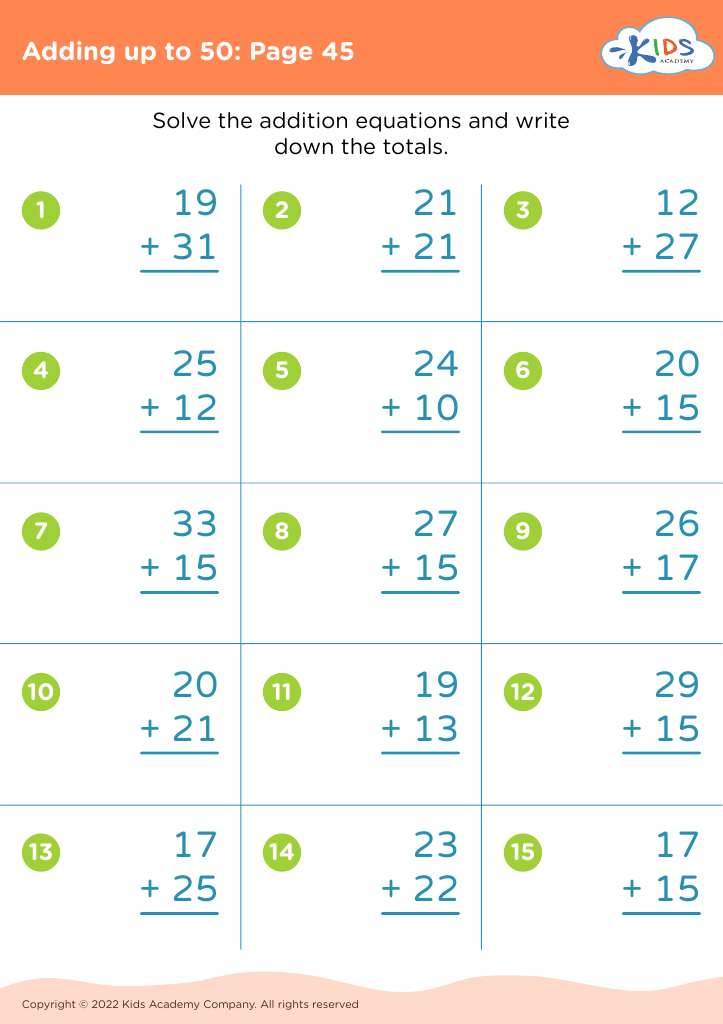
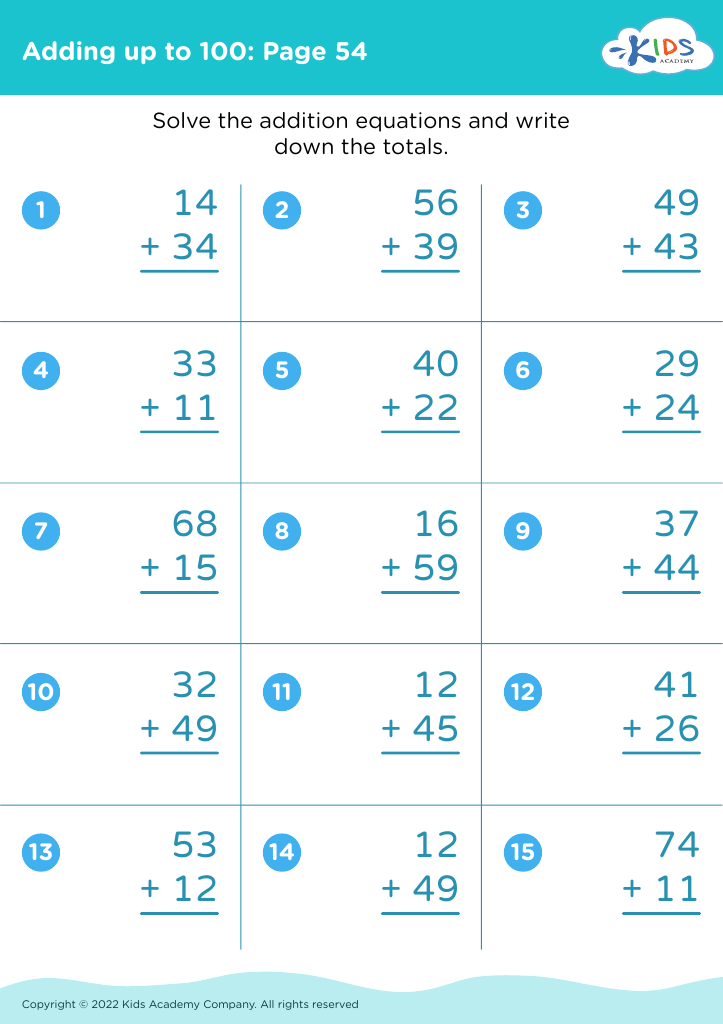
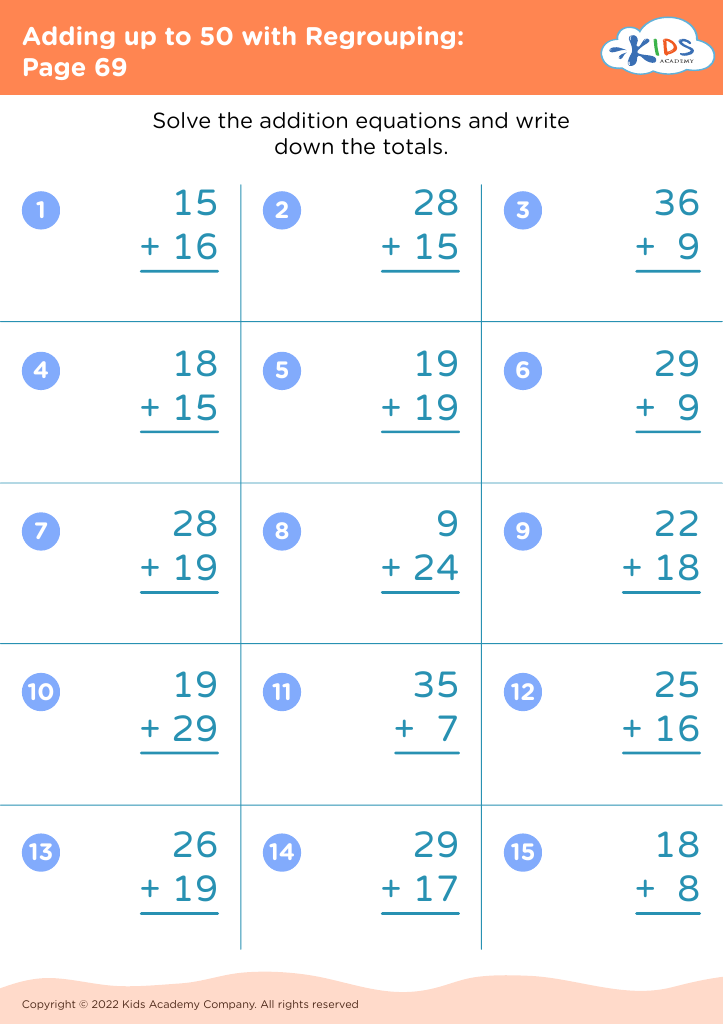
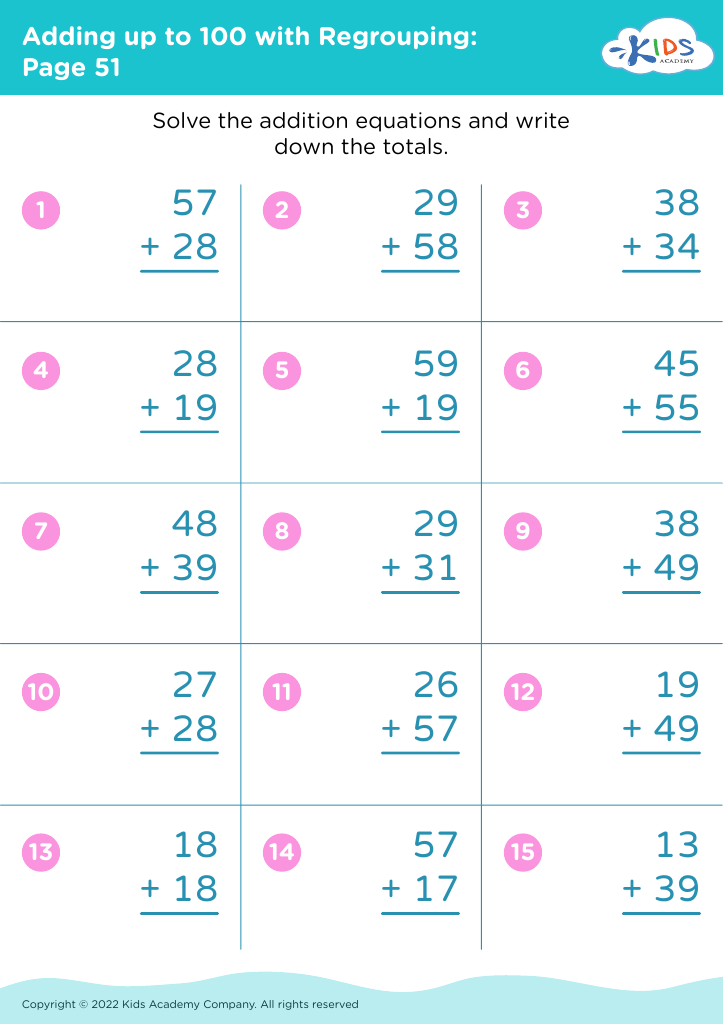
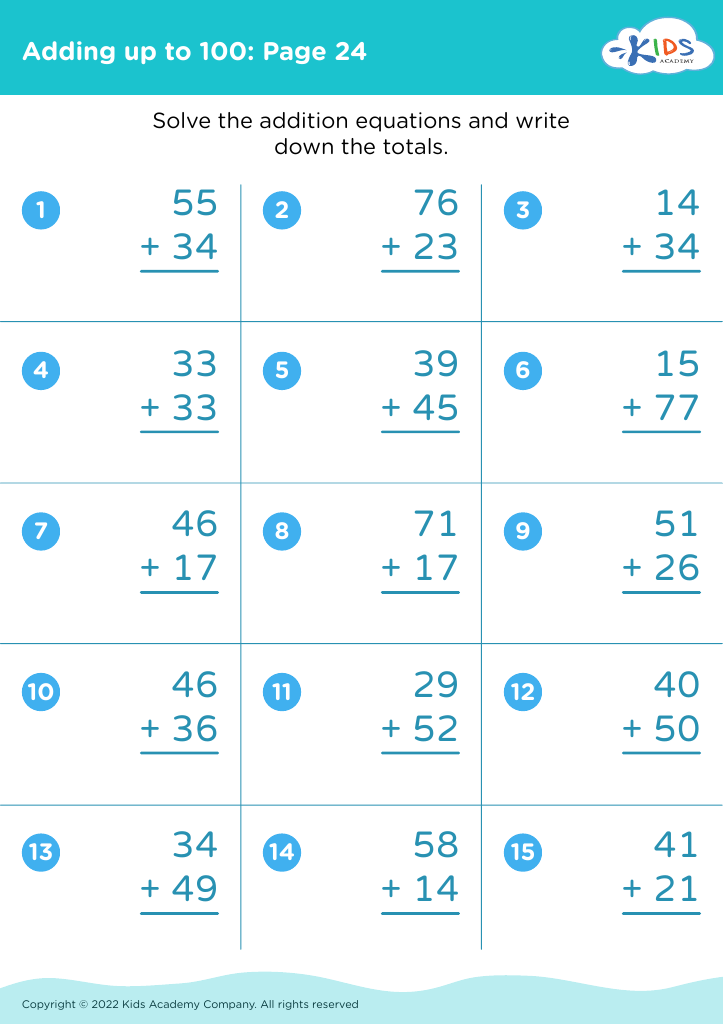
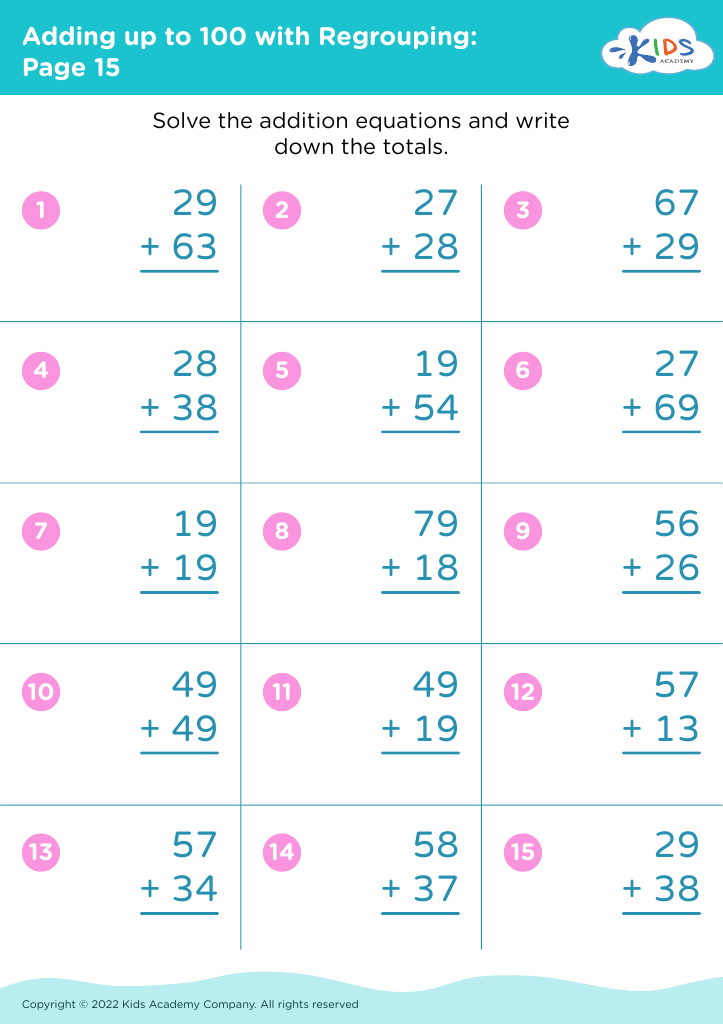
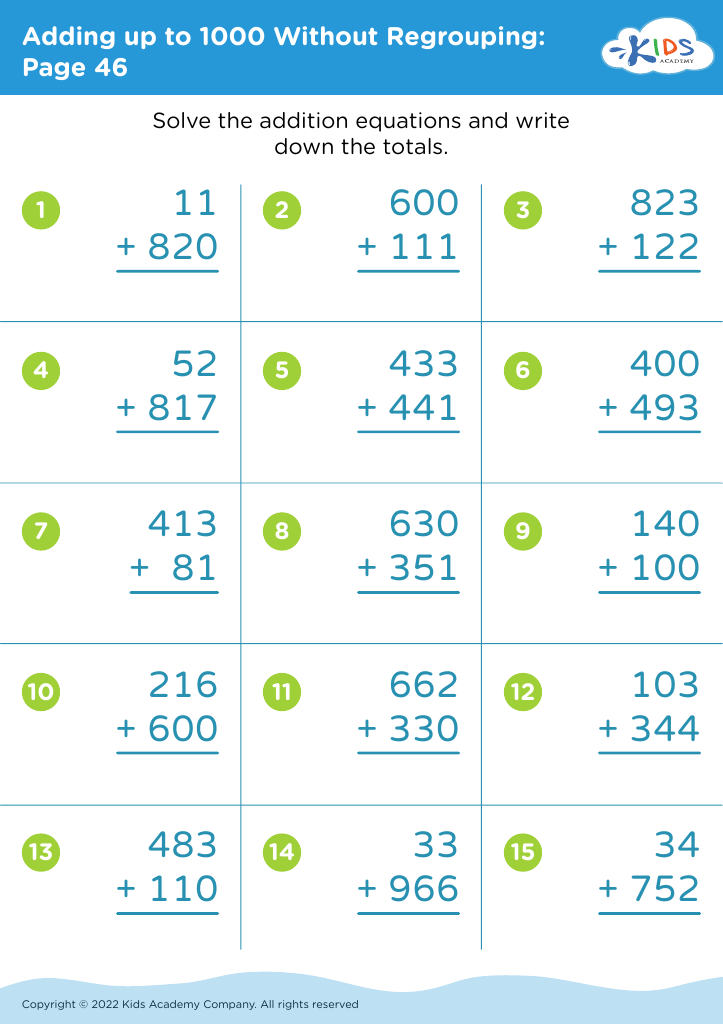
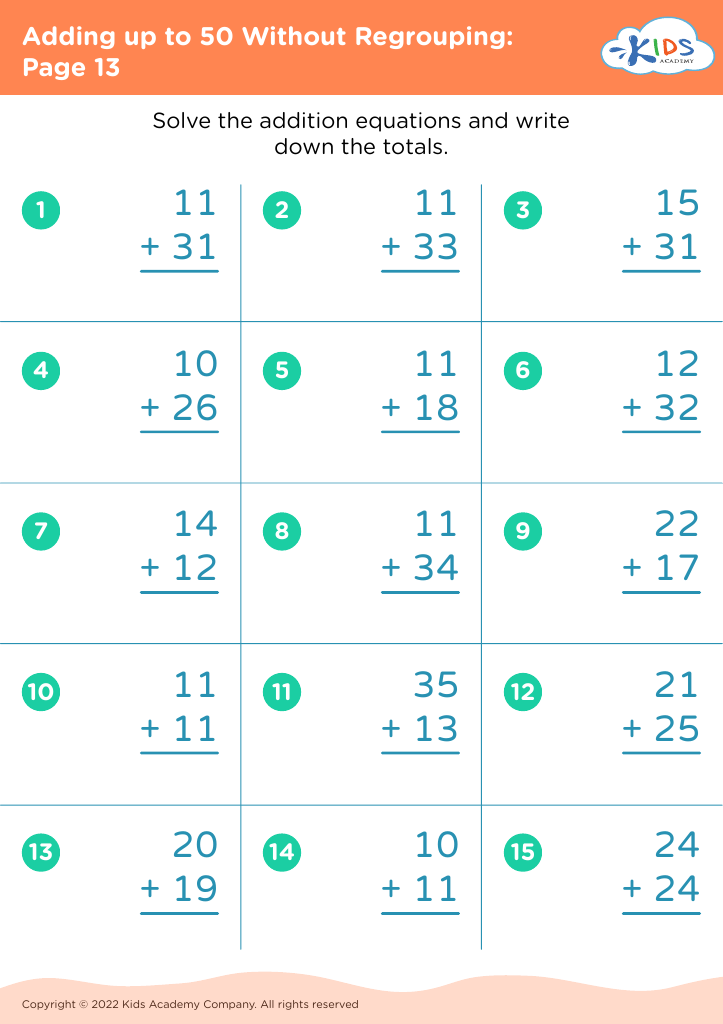
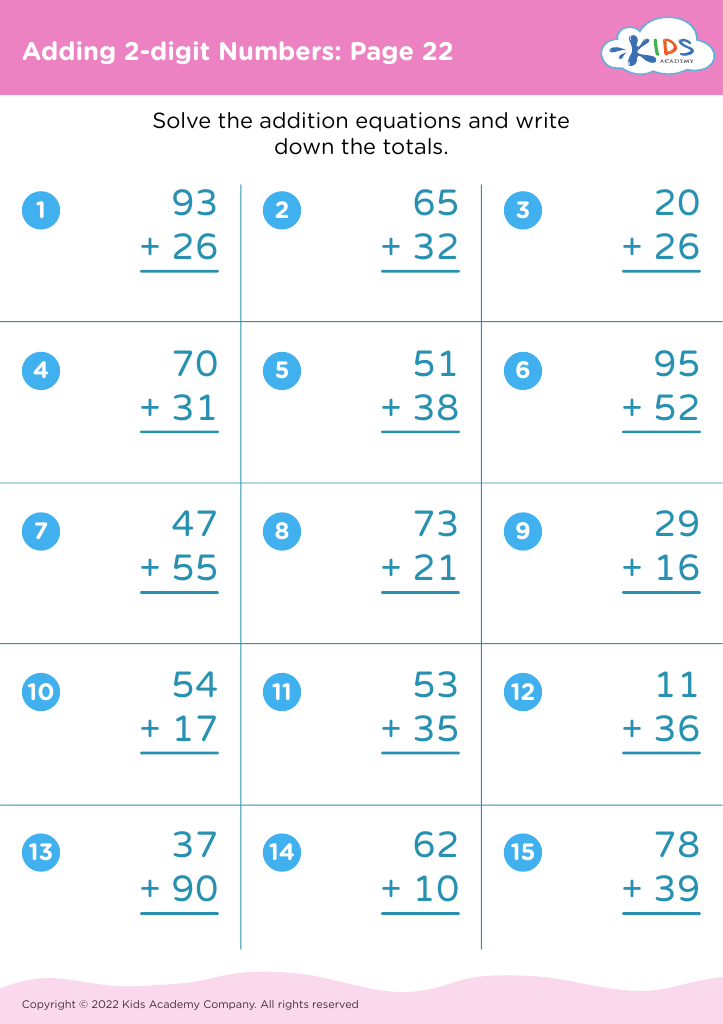
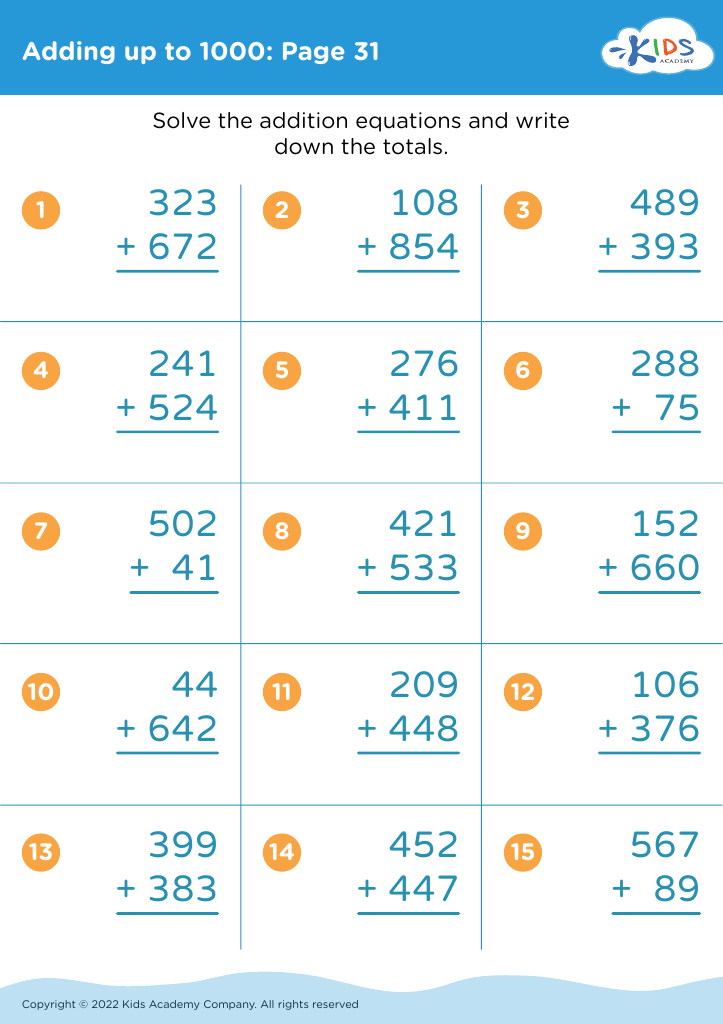
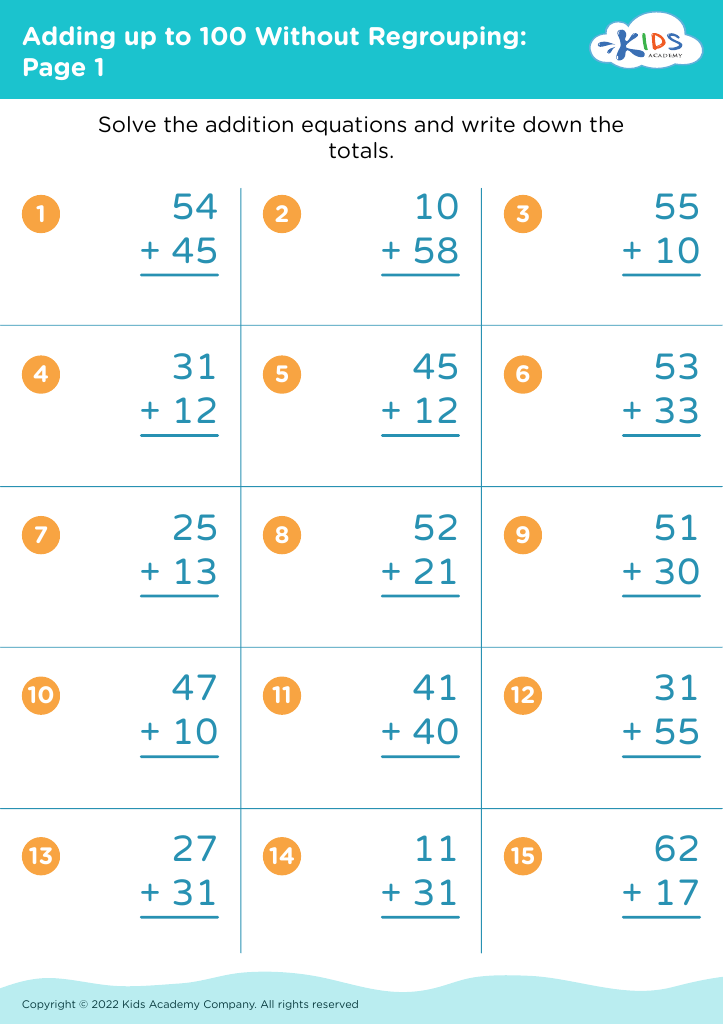
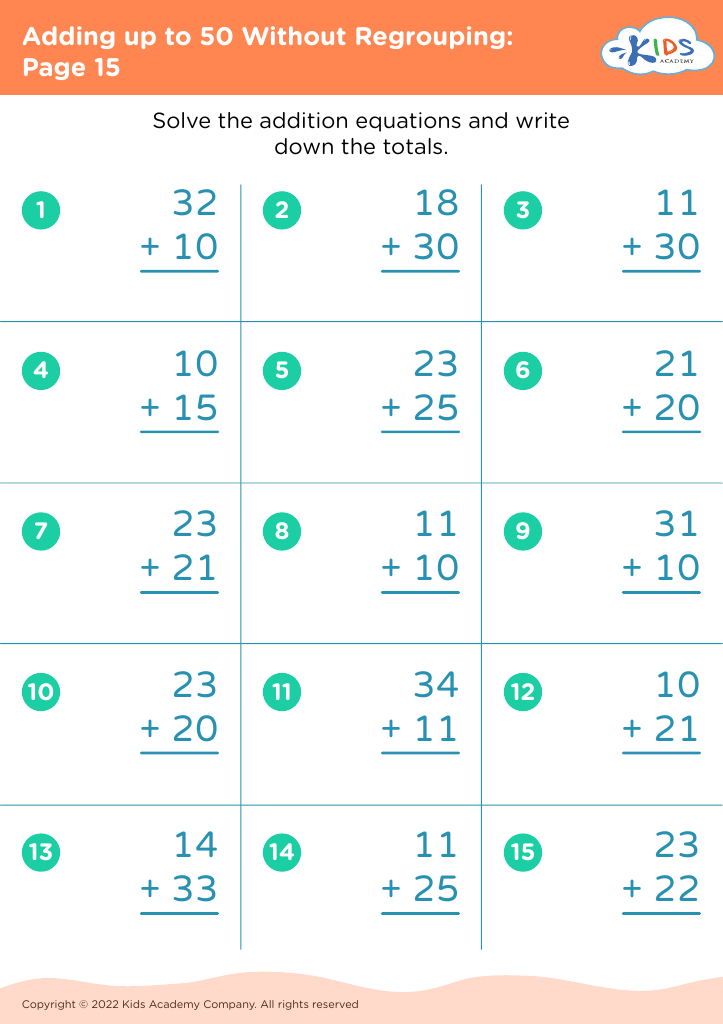
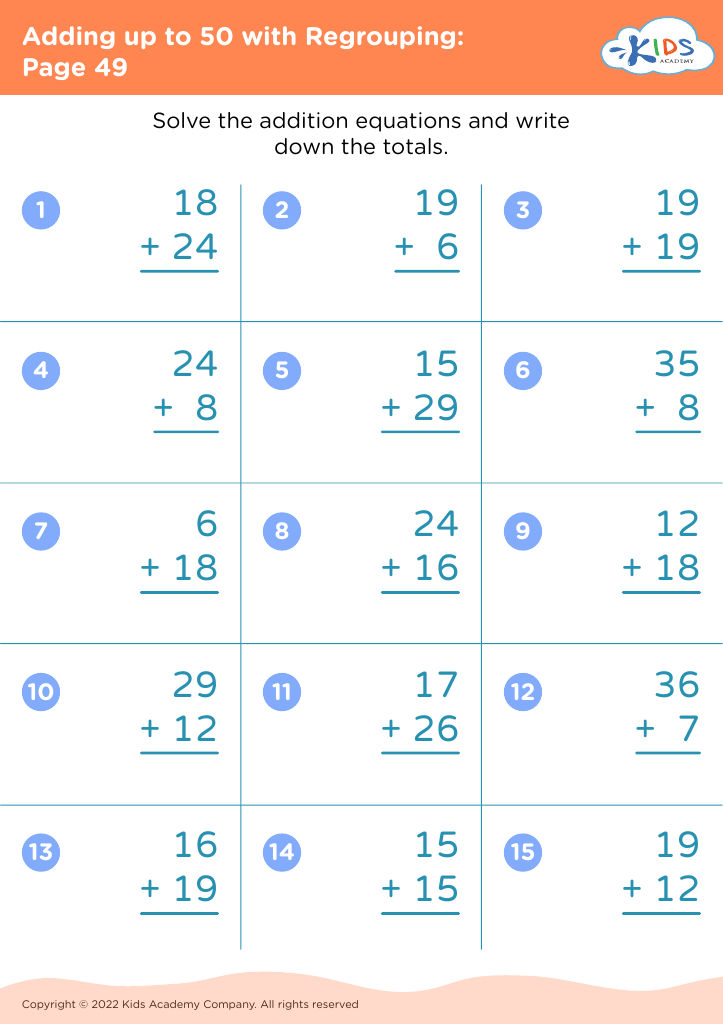
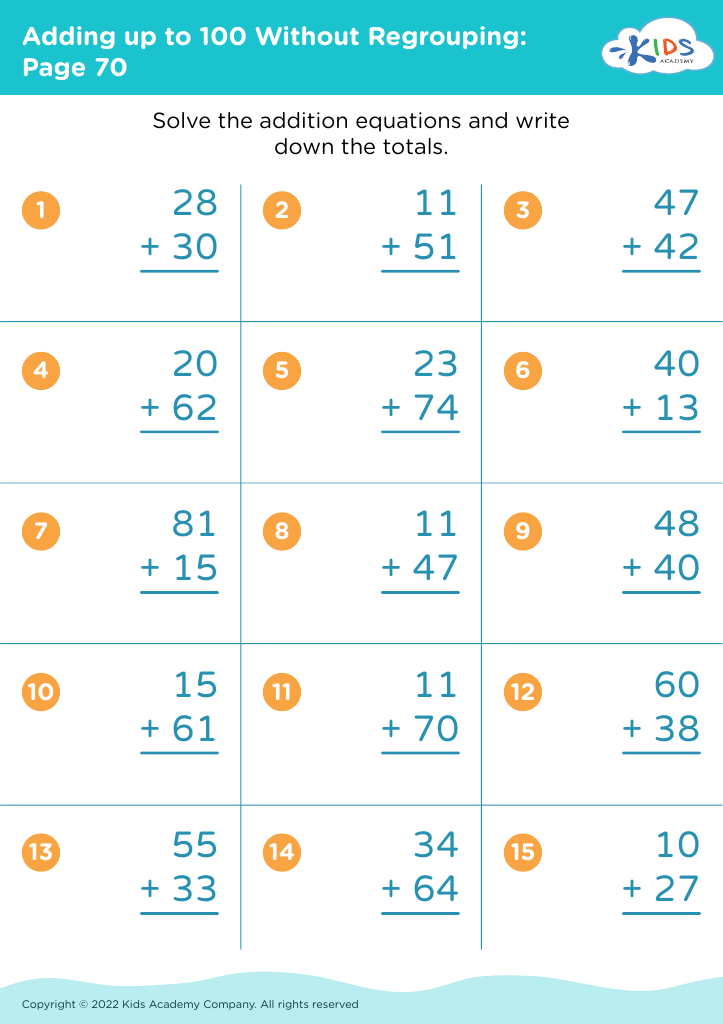
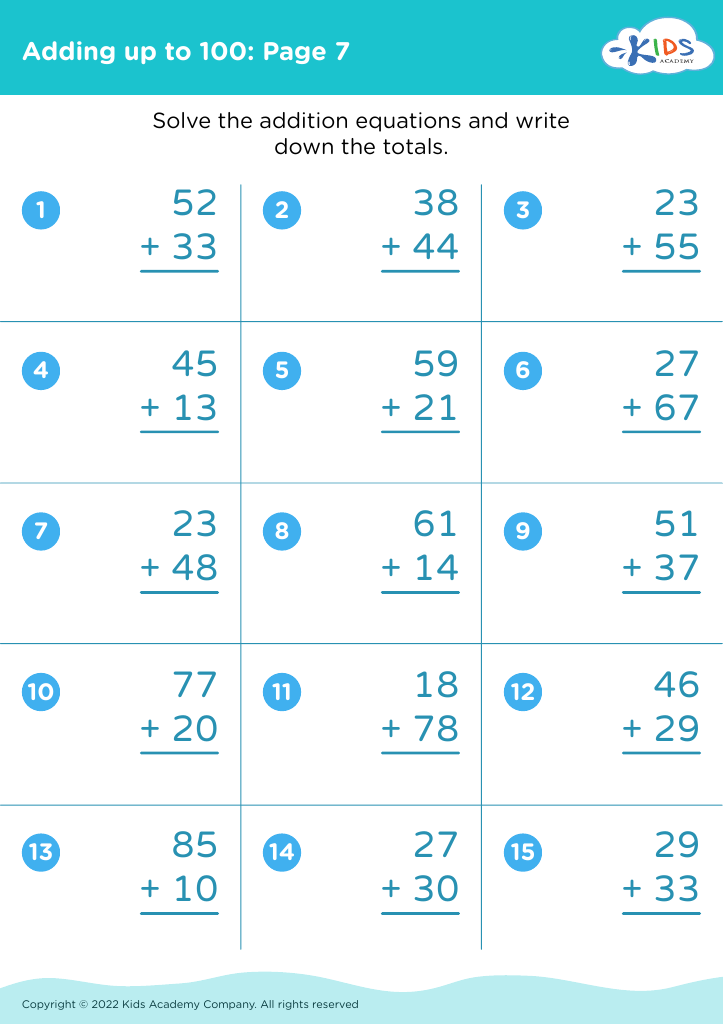








At ages 7-8, children are at a crucial developmental stage where building foundational math skills, including number recognition and basic operations like addition and subtraction, becomes essential. Mastery in number recognition lays the groundwork for understanding more complex math later on. When children easily recognize and differentiate numbers, they can more effectively follow classroom lessons and instructions, contributing to stronger overall academic performance.
Similarly, proficiency in addition and subtraction forms the basis of all future arithmetic. At this age, children transition from counting objects to understanding numerical relationships and operations. Being adept in these areas enhances their problem-solving skills, logical thinking, and the ability to perform mental math, which are vital for everyday tasks and future educational success.
Engaging children in activities that improve these skills not only boosts their confidence in math but also fosters a positive attitude towards learning. Early proficiency in math is correlated with long-term academic achievement. Moreover, it helps in developing persistence, critical for tackling challenges both inside and outside the classroom.
Therefore, parents and teachers should emphasize these early math skills to provide a strong foundation, encourage a lifelong love of learning, and equip children with essential tools for future success.








