Enhance your child’s math journey with our “Improving Counting Skills: Addition & Subtraction Worksheets” designed for ages 7-8! These engaging worksheets focus on developing essential counting skills while introducing foundational addition and subtraction concepts. Each worksheet provides age-appropriate exercises that encourage kids to practice counting forwards and backwards, improving their number recognition and arithmetic abilities. With colorful visuals and interactive challenges, learning has never been more enjoyable. Perfect for at-home learning or school use, our resources nurture critical thinking skills and boost confidence in math! Explore our comprehensive collection and help your child ace their counting and basic math skills today.
Check out this FREE Trial Lesson on Addition & Subtraction for age 7-8!

Base 10 and standard Subtraction (no regrouping)

Favorites
With answer key
Interactive
  • 7-8
  • Improving counting skills
  • Addition & Subtraction
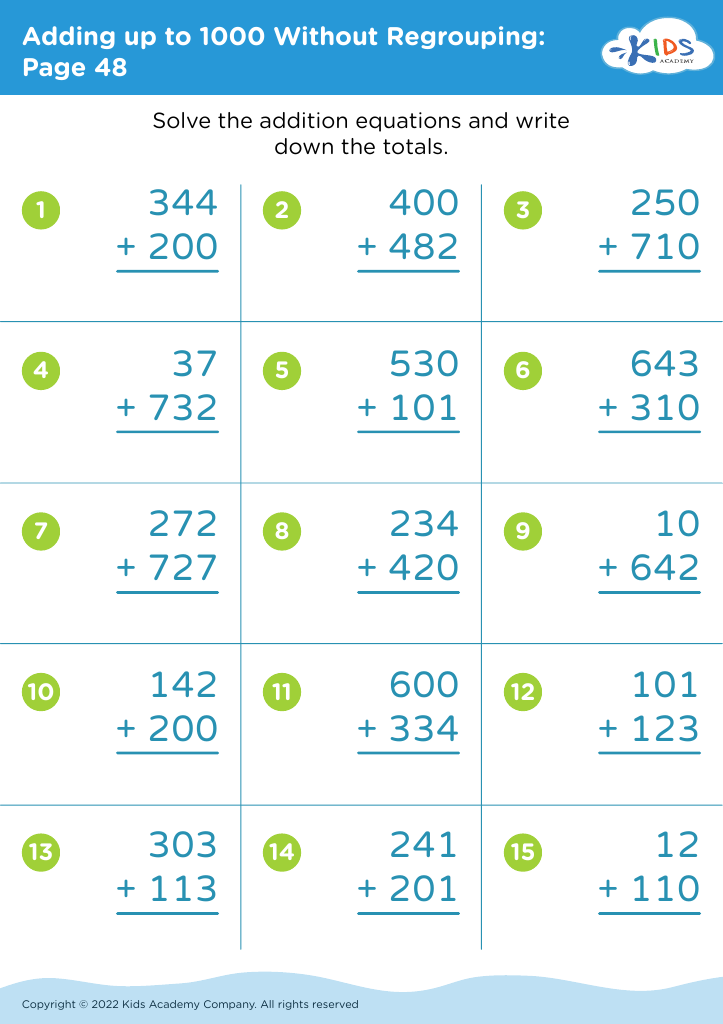
Adding up to 1000 Without Regrouping: Page 48
Worksheet
Desert Addition Worksheet

Desert Addition Worksheet

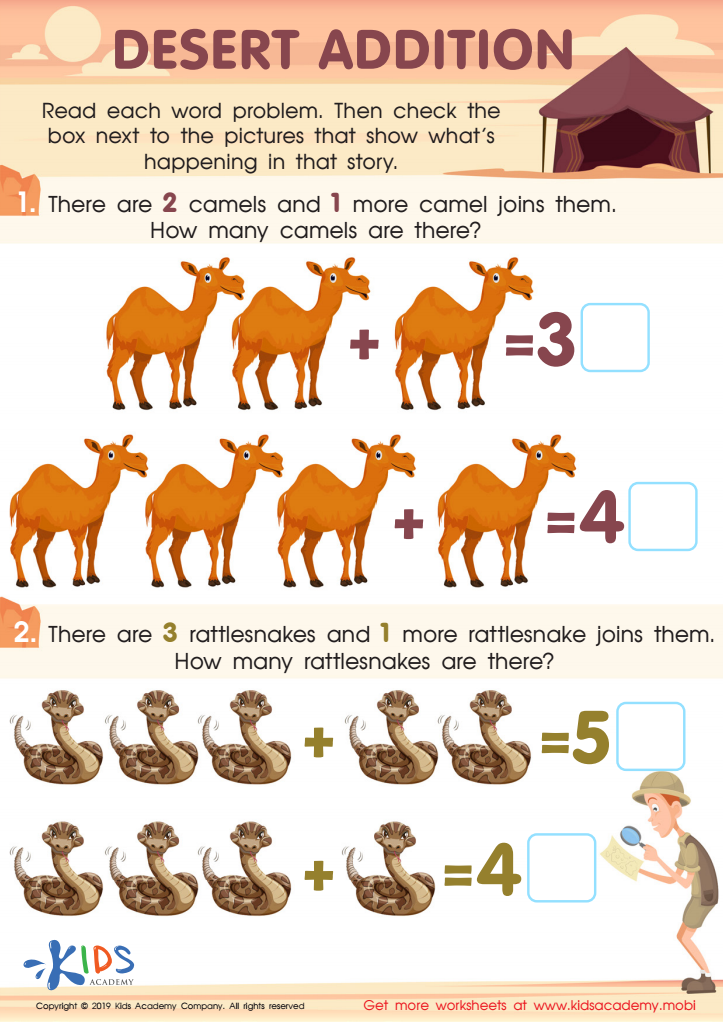
In the desert, scorching heat and little water mean animals must adapt to survive. Show kids pictures of these animals and teach their names. Then, read the word problems in the worksheet, and have them check the box next to the pictures that portray each story. 80 words
Desert Addition Worksheet
Worksheet
Subtracting With Base 10 Blocks Worksheet
Subtracting With Base 10 Blocks Worksheet
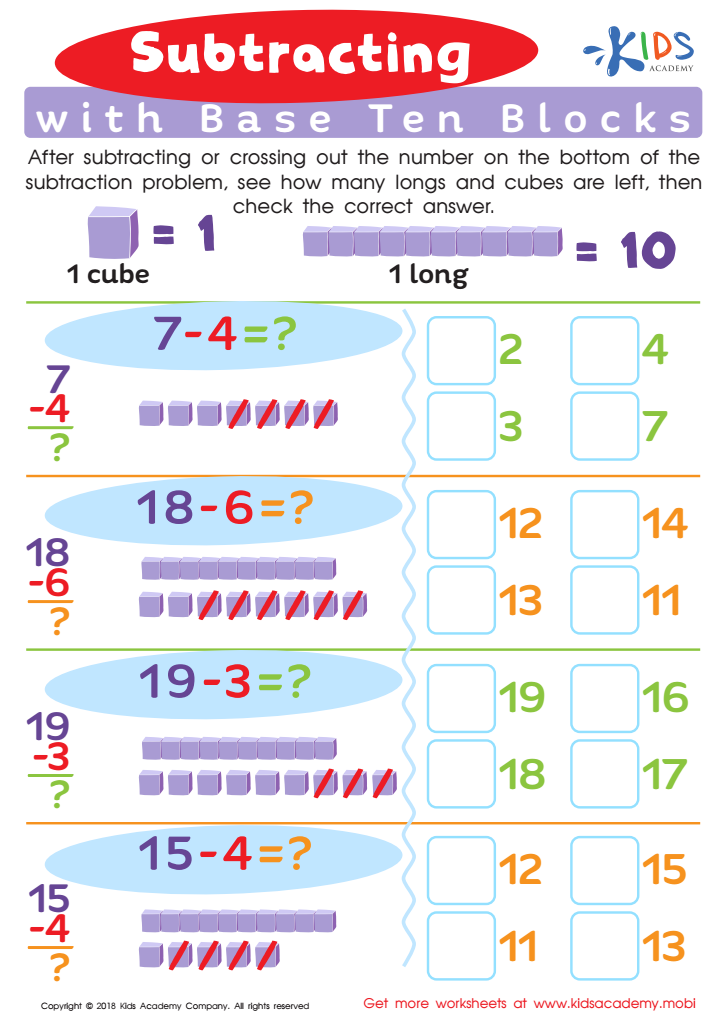
Ask your child to count the cubes then help them check the answer. This problem may seem tricky, but it's just basic math. If they can count, they should have no trouble completing the exercise.
Subtracting With Base 10 Blocks Worksheet
Worksheet
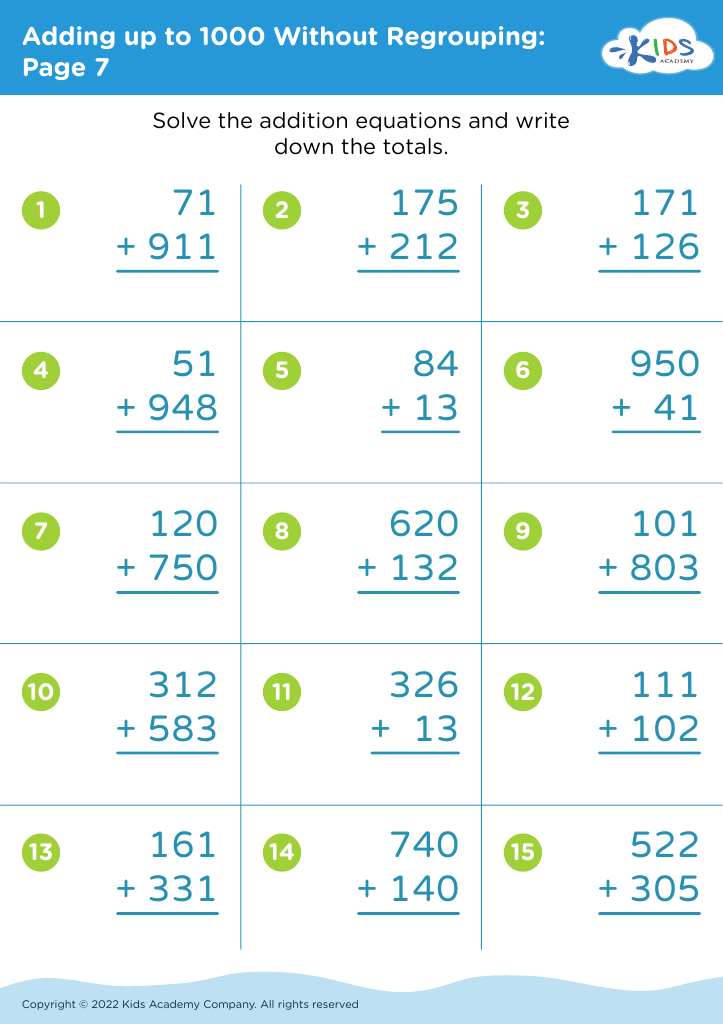
Adding up to 1000 Without Regrouping: Page 7
Worksheet
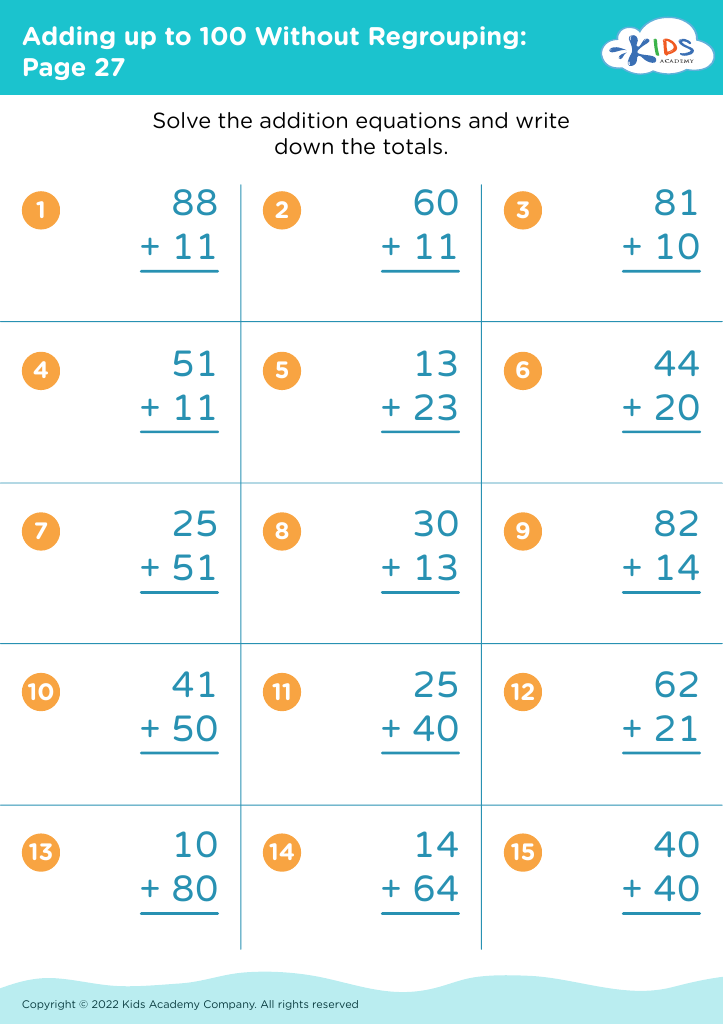
Adding up to 100 Without Regrouping: Page 27
Worksheet
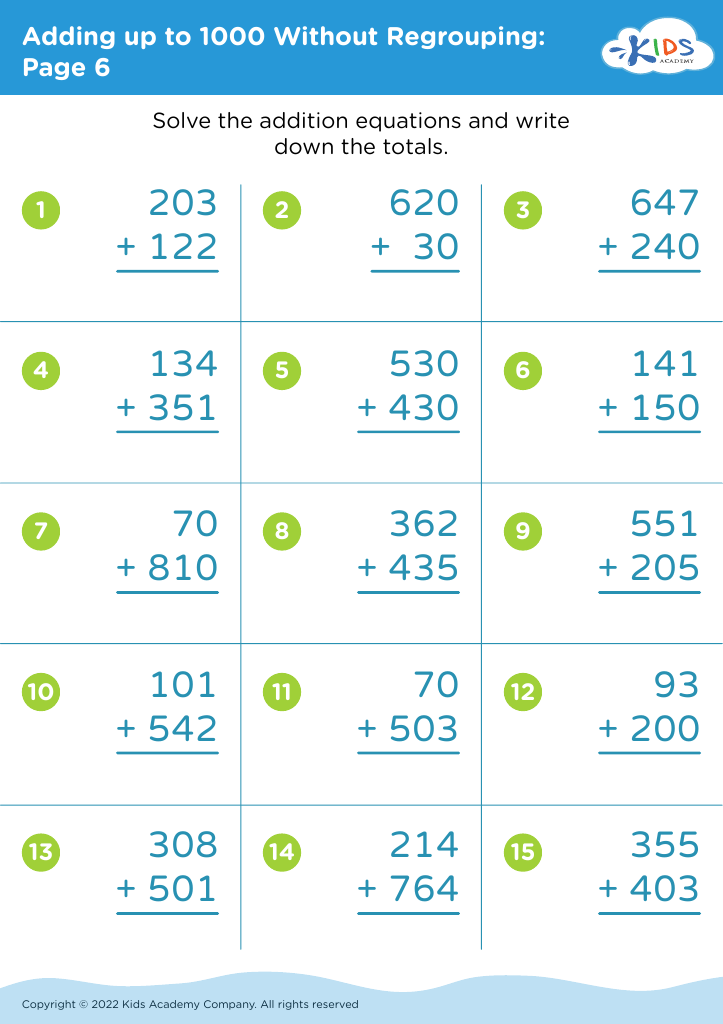
Adding up to 1000 Without Regrouping: Page 6
Worksheet
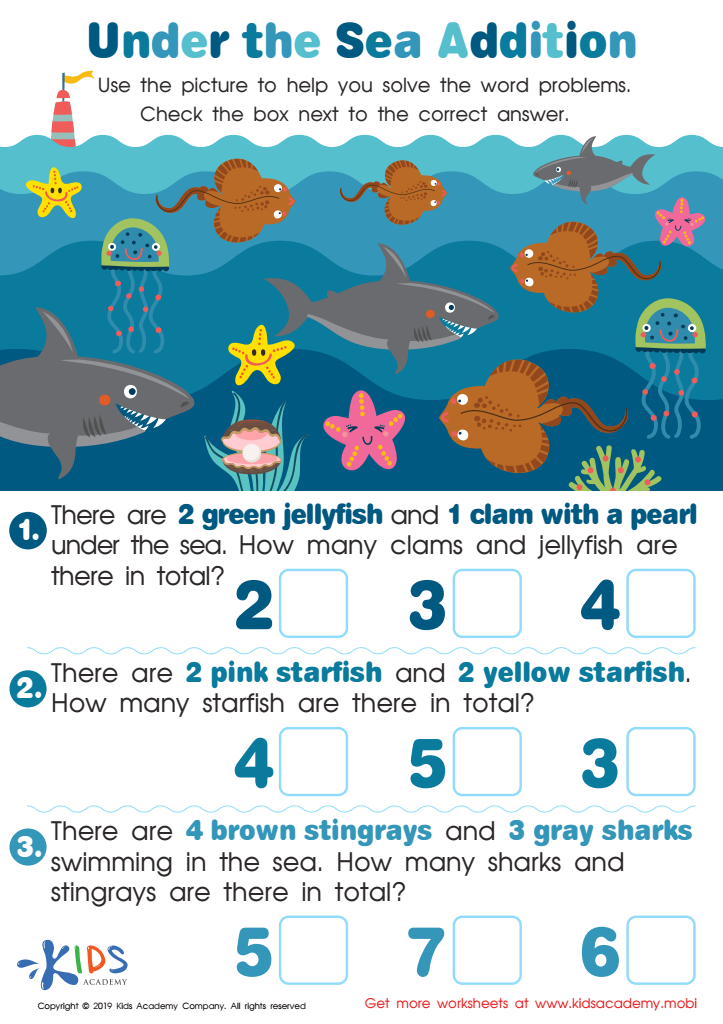
Under the Sea Addition Worksheet
Under the Sea Addition Worksheet
Ask your kids to identify undersea animals in a picture, then solve the word problems at the bottom with it! If they're into the nature channel or marine life, they'll love this worksheet. Check the box next to the correct answer for each one. 80 words
Under the Sea Addition Worksheet
Worksheet
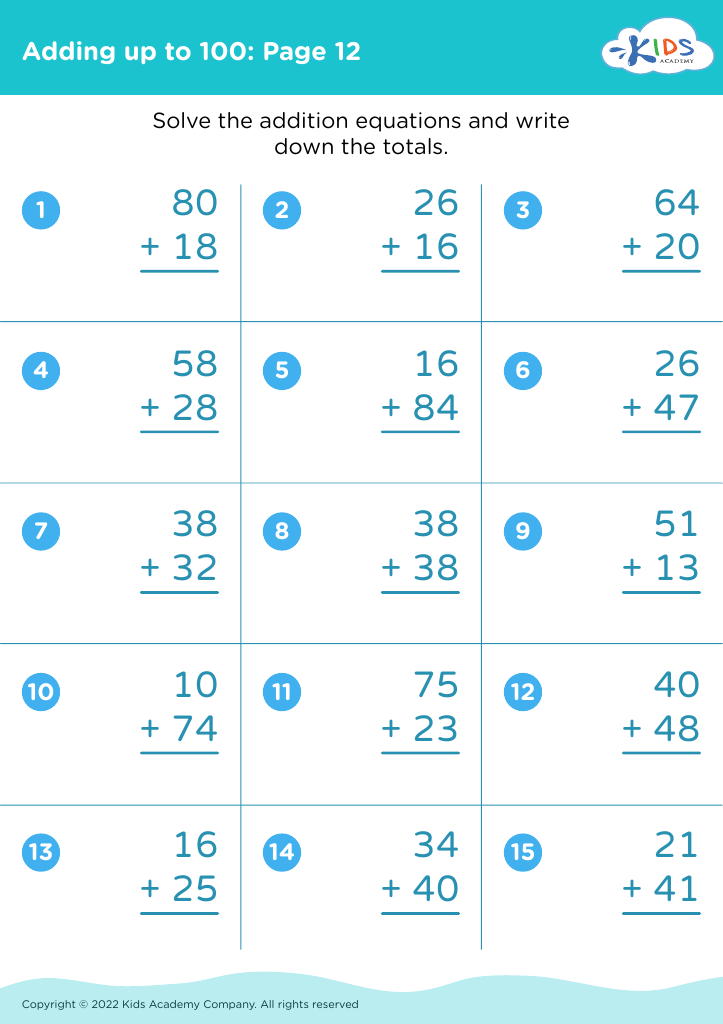
Adding up to 100: Page 12

Adding up to 100: Page 12

Adding up to 100: Page 12
Worksheet
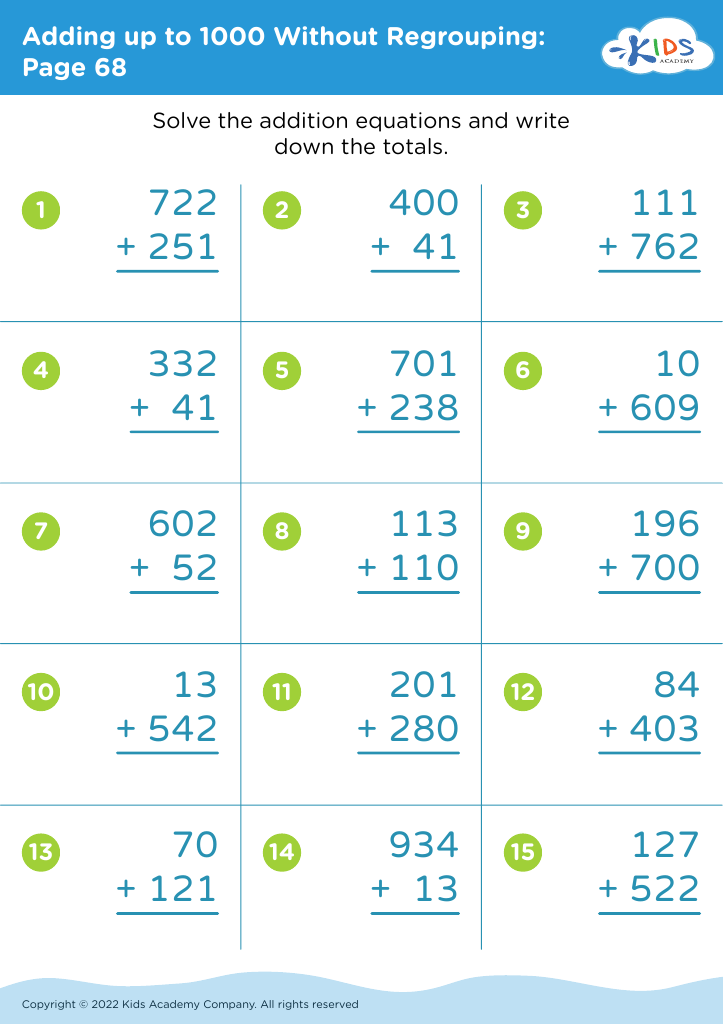
Adding up to 1000 Without Regrouping: Page 68
Worksheet
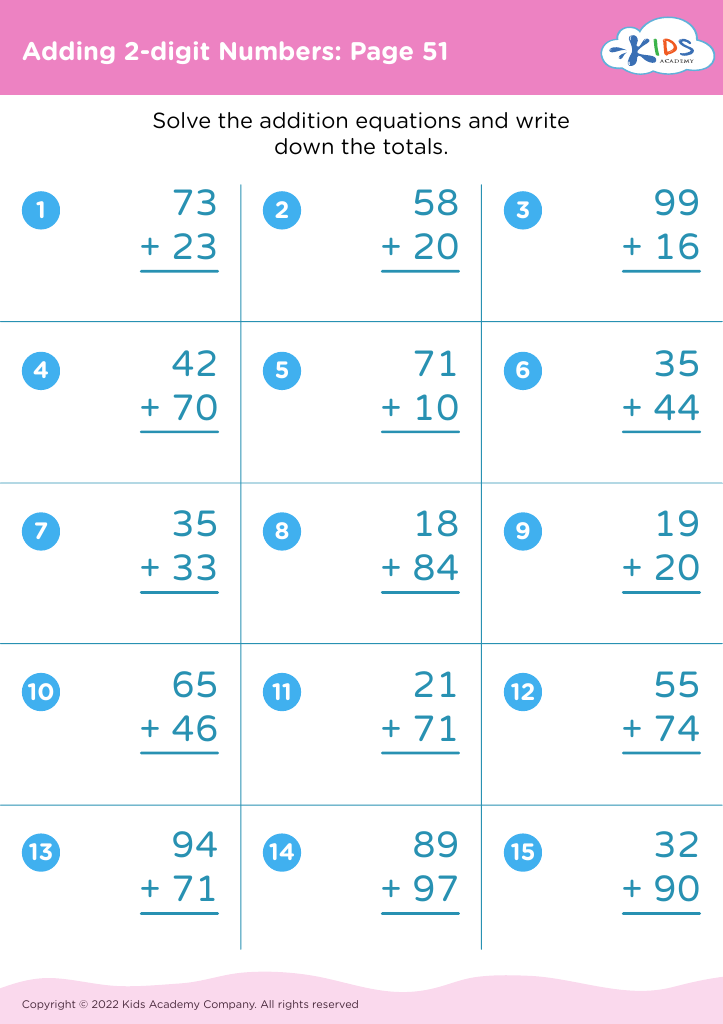
Adding 2-digit Numbers: Page 51

Adding 2-digit Numbers: Page 51

Adding 2-digit Numbers: Page 51
Worksheet
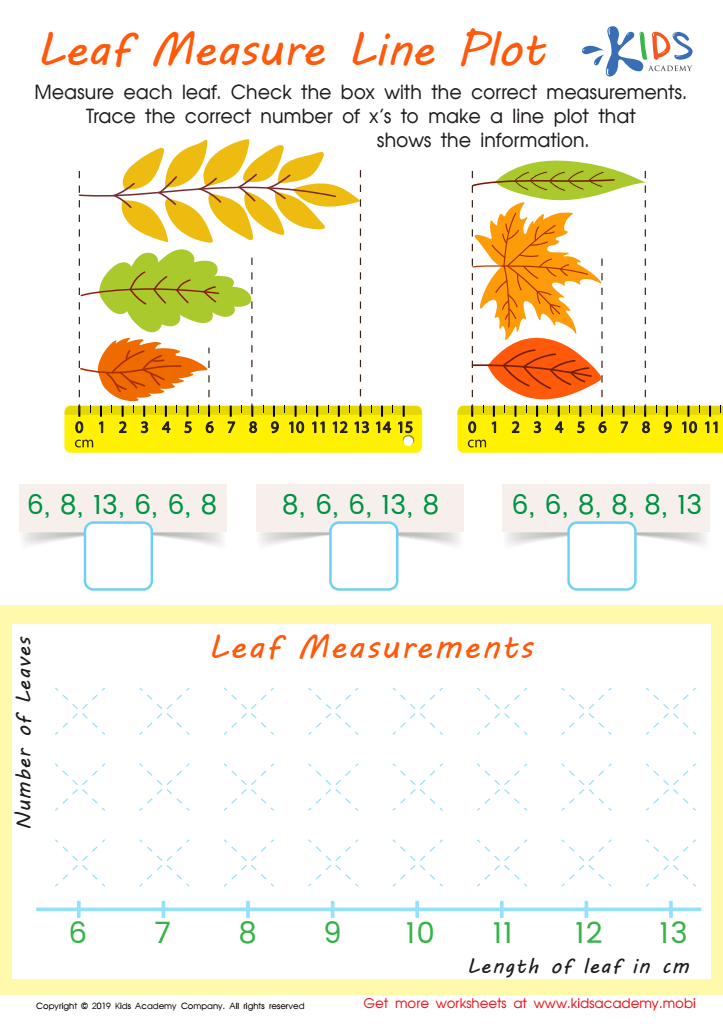
Leaf Measure Line Plot Worksheet

Leaf Measure Line Plot Worksheet

Help your third grader measure each of the four leaves, and check the box with the correct measurements. Then, trace the right number of x's to make a line plot showing the data. This exercise will engage your students and make it easier for them to grasp the concept of line plots.
Leaf Measure Line Plot Worksheet

Worksheet
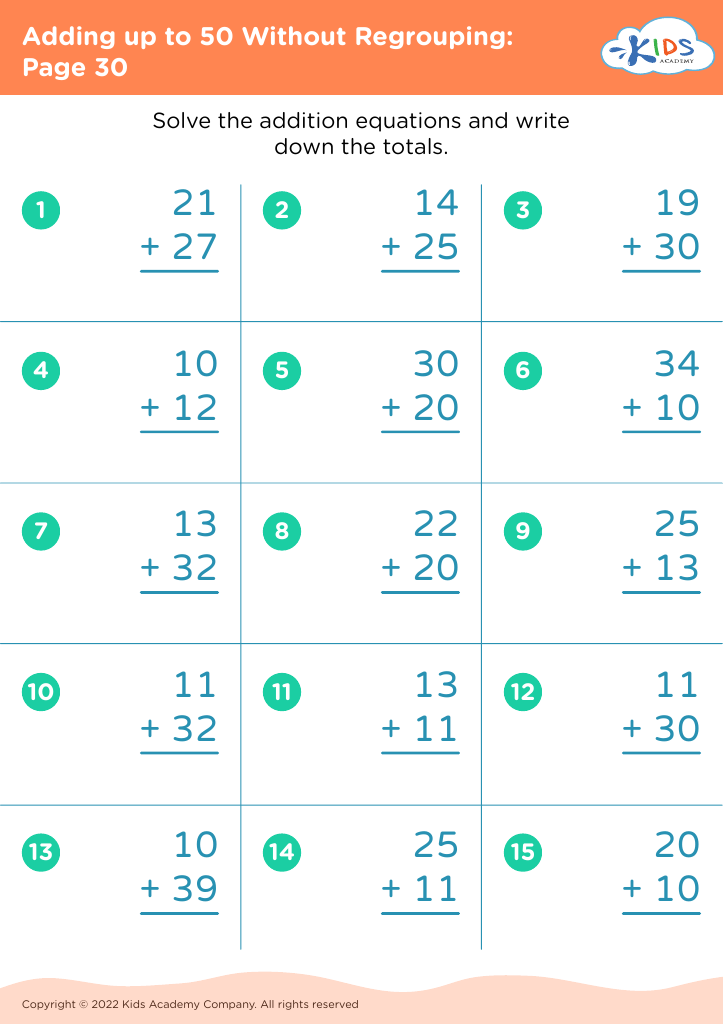
Adding up to 50 Without Regrouping: Page 30
Worksheet


Improving counting skills and basic addition and subtraction for children aged 7-8 is crucial for several reasons. At this developmental stage, children are building foundational math concepts that will serve as the basis for more complex mathematical theories. Proficient counting abilities enhance a child’s numerical fluency, allowing them to perform calculations with greater accuracy and confidence. As these skills are interlinked with daily life activities, encouraging mastery of addition and subtraction fosters a practical understanding of math in real-world contexts.

Additionally, strong counting and arithmetic skills contribute to improved cognitive abilities, such as problem-solving and critical thinking. As children engage with math, they learn to approach challenges in systematic ways, nurtured by a growth mindset. These competencies also support their performance in standardized assessments and overall academic achievement.

Furthermore, mastery in these areas promotes a sense of accomplishment and boosts self-esteem, leading to a positive attitude towards learning. Teachers and parents play a vital role in creating a supportive environment that offers engaging activities to reinforce these skills. Investing time and resources now can pave the way for more advanced math concepts in the future, setting children up for a successful academic journey.