Recognizing Patterns Addition & Subtraction Worksheets for Ages 7-8
23 filtered results
-
From - To
Explore our engaging Recognizing Patterns Addition & Subtraction Worksheets designed for ages 7-8! These interactive resources help young learners develop critical math skills by identifying patterns in addition and subtraction. Filled with fun exercises, students will discover relationships between numbers, enhancing their problem-solving abilities and arithmetic confidence. Our worksheets are perfect for classroom activities or at-home practice, ensuring an enjoyable learning experience. Each worksheet is crafted by educators to align with curriculum standards, making learning both effective and fun. Boost your child's math proficiency today with our unique pattern recognition worksheets and unleash their full potential!
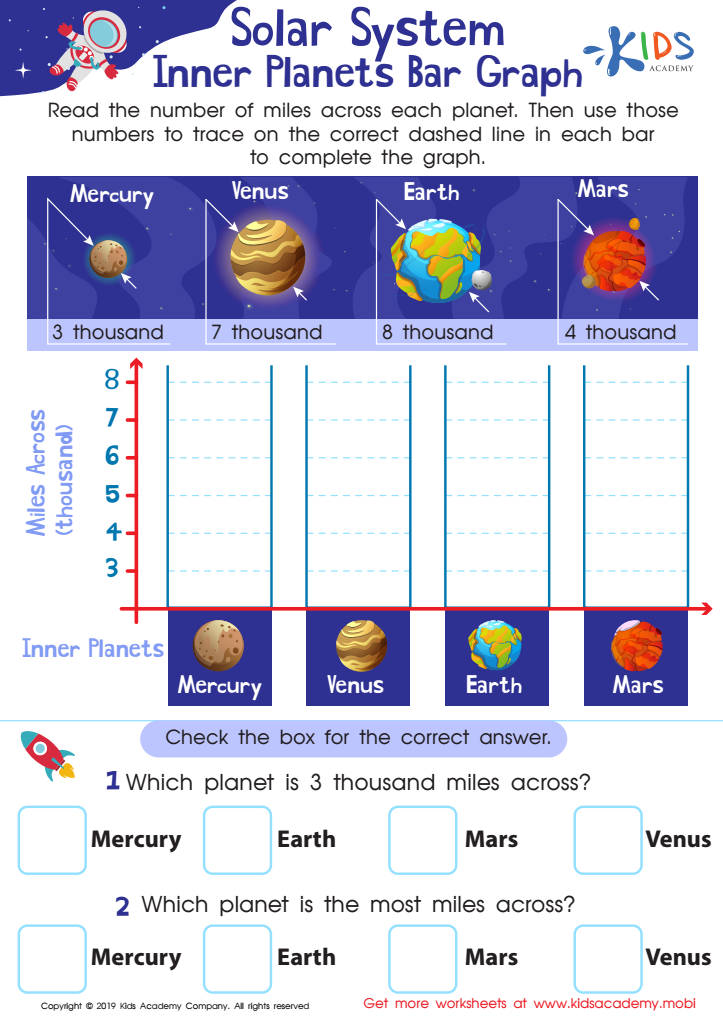
Planets Bar Graph Worksheet
 Assign to My Students
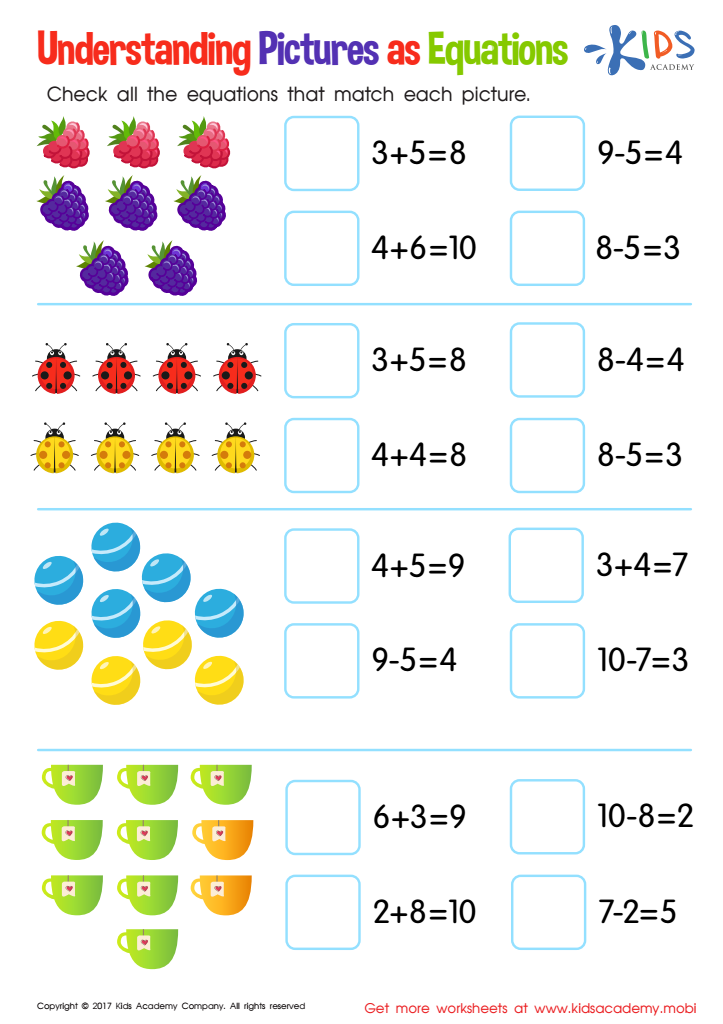
Understanding Pictures as Equations Worksheet
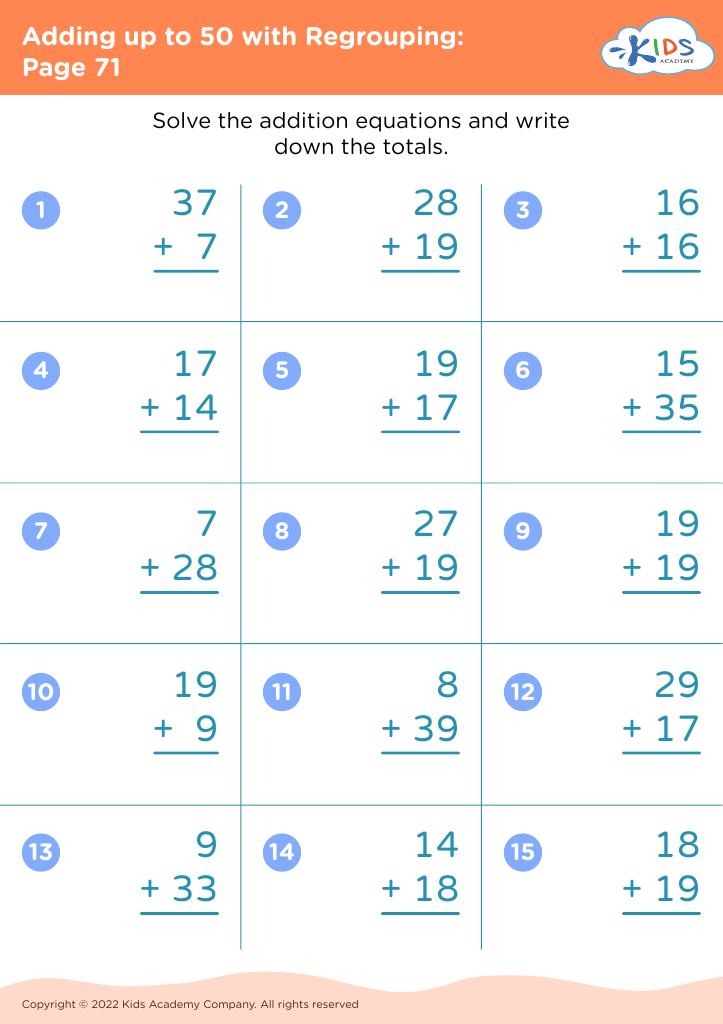
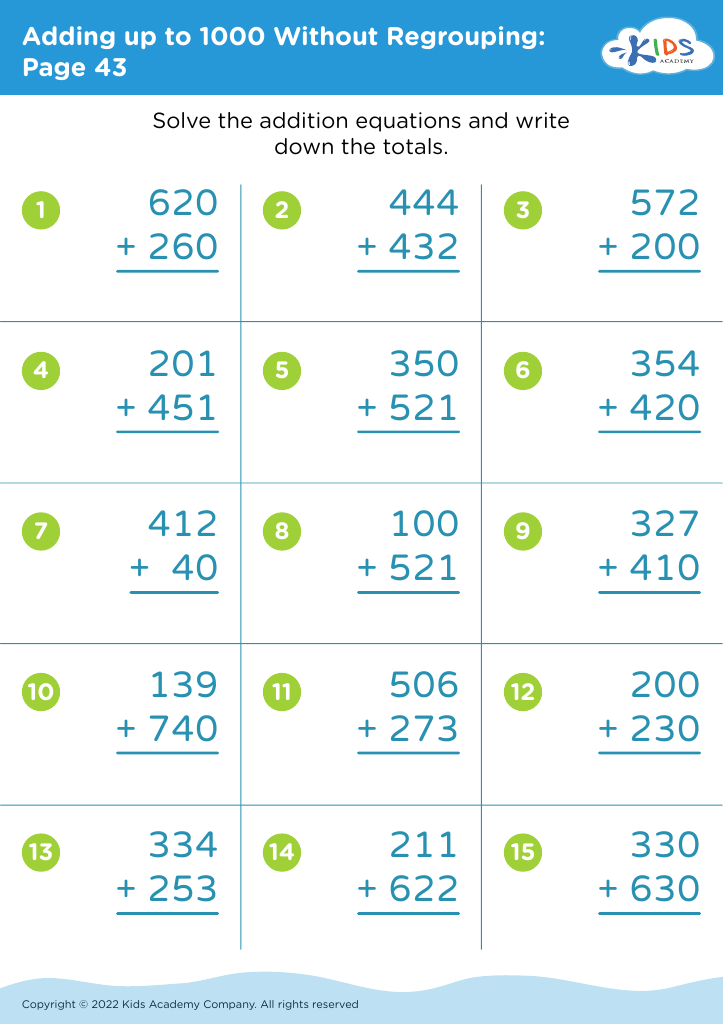
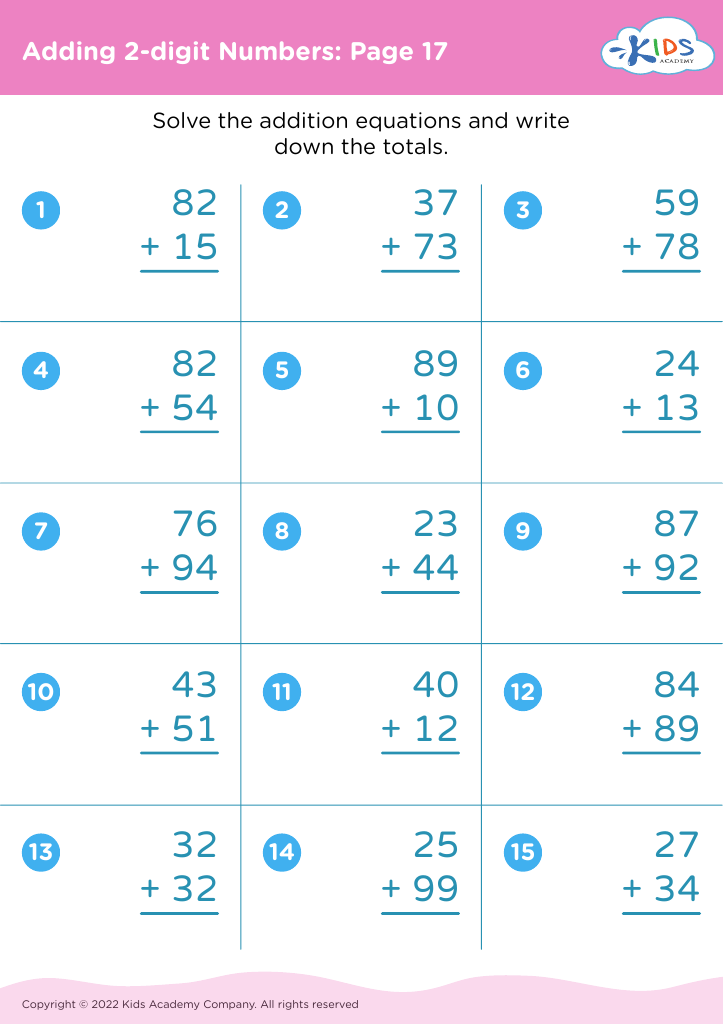
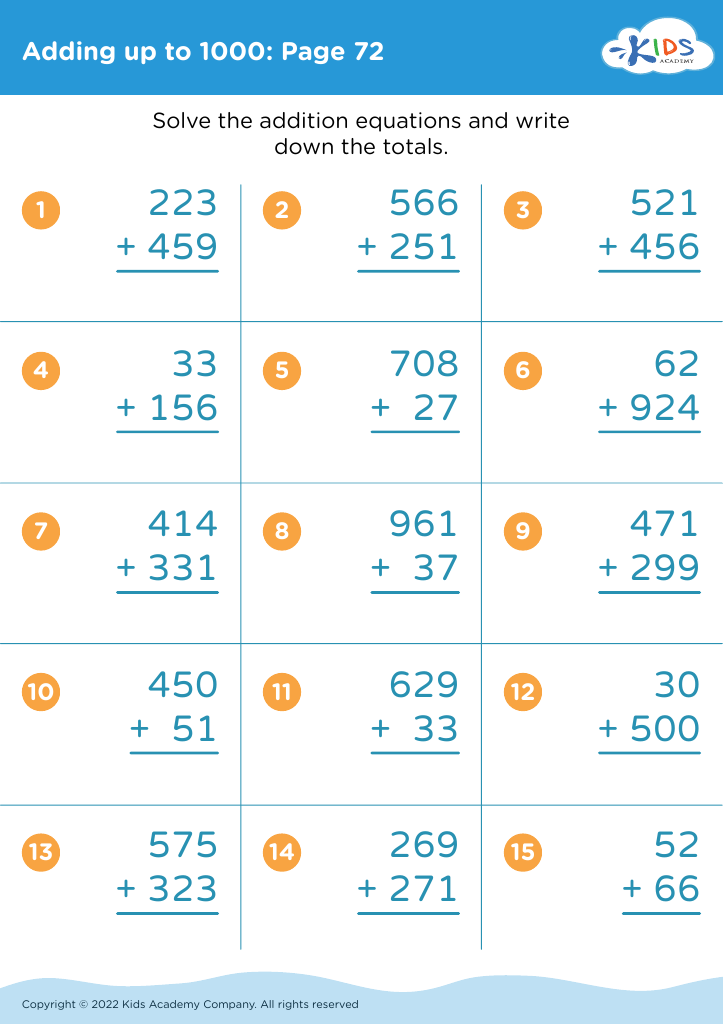
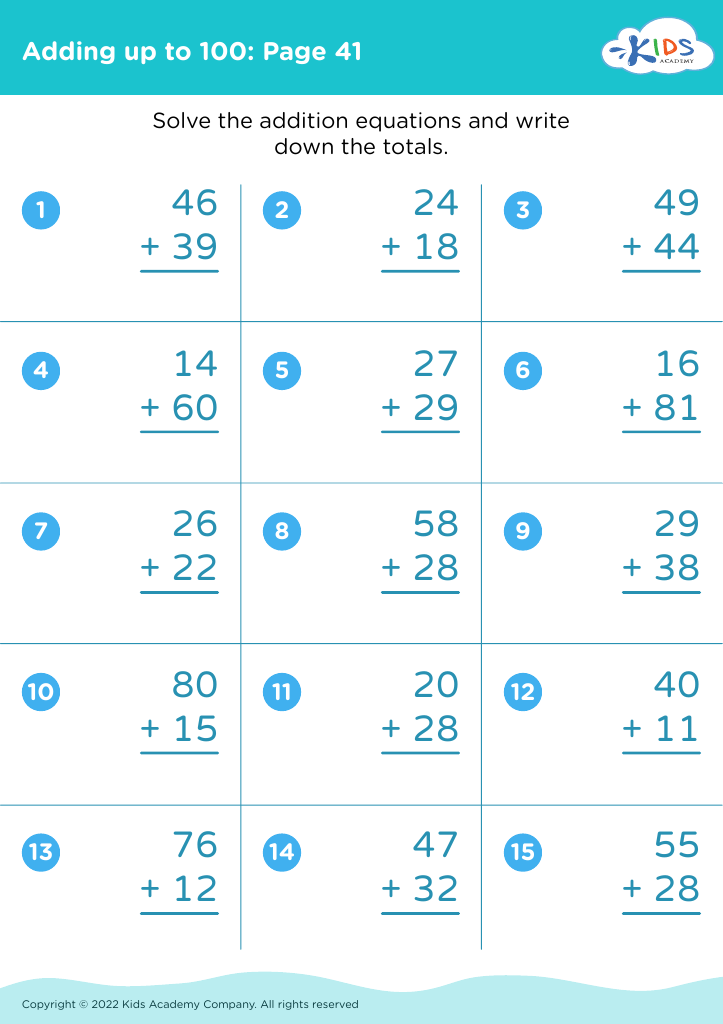
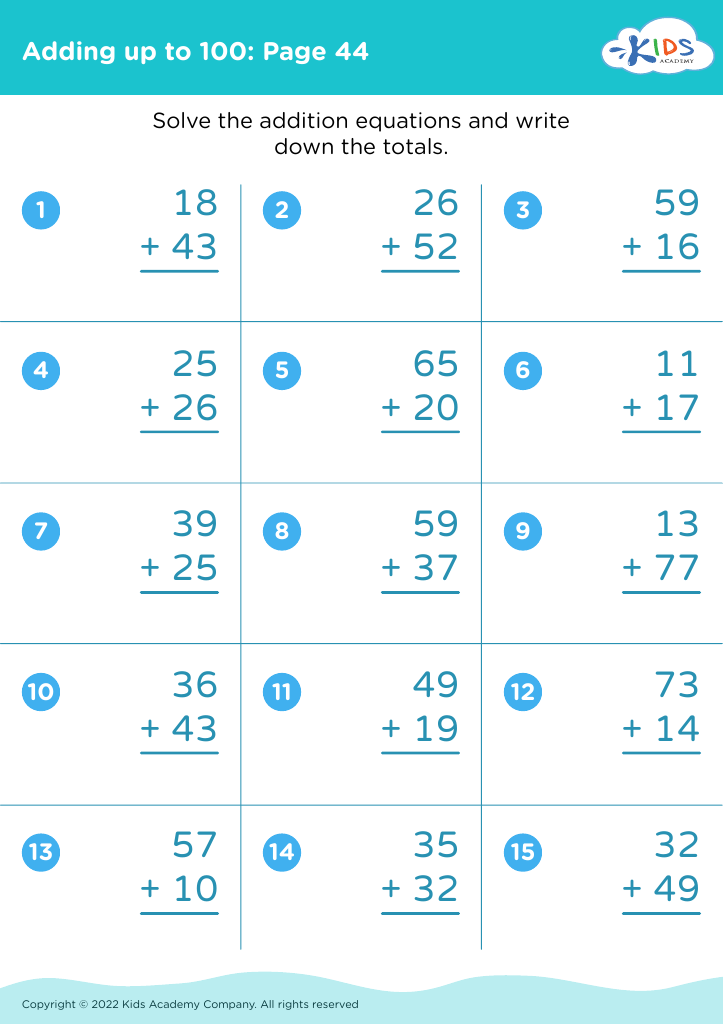








Recognizing patterns in addition and subtraction is crucial for children aged 7-8 as it establishes a solid foundation for their mathematical understanding. This developmental stage blends concrete operations with abstract thinking, making it the perfect time to help children discover and apply patterns. By recognizing patterns, children can improve their computational skills, leading to quicker and more accurate problem-solving.
Understanding patterns enhances children's ability to identify relationships between numbers, helping them grasp concepts such as commutativity and associativity. These concepts are critical as they advance to more complex math, including multiplication and division. Pattern recognition also fosters critical thinking and analytical skills, enabling students to make predictions and develop strategies for tackling various math problems.
Furthermore, pattern recognition encourages a love for math by making learning engaging and aiding retention. When parents and teachers highlight patterns, they make the subject more relatable and enjoyable, potentially alleviating math anxiety.
Ultimately, by focusing on recognizing patterns in addition and subtraction, parents and teachers equip children with essential tools that not only boost their math skills, but also build a positive attitude towards learning. This approach empowers children to approach math with confidence, helping them excel in their future educational endeavors.








