Fraction identification Addition Worksheets for Ages 7-8
5 filtered results
-
From - To
Explore our engaging Fraction Identification Addition Worksheets designed specifically for children aged 7-8. These worksheets provide a fun and interactive way for young learners to grasp the concept of fractions while enhancing their addition skills. Through colorful illustrations and age-appropriate exercises, students will practice identifying fractions in various contexts and adding them together. Our carefully crafted resources encourage critical thinking and promote numerical fluency, making math enjoyable and accessible. Ideal for both classroom use and at-home learning, these worksheets help children build a solid foundation in mathematics. Empower their learning journey with our fraction identification worksheets today!
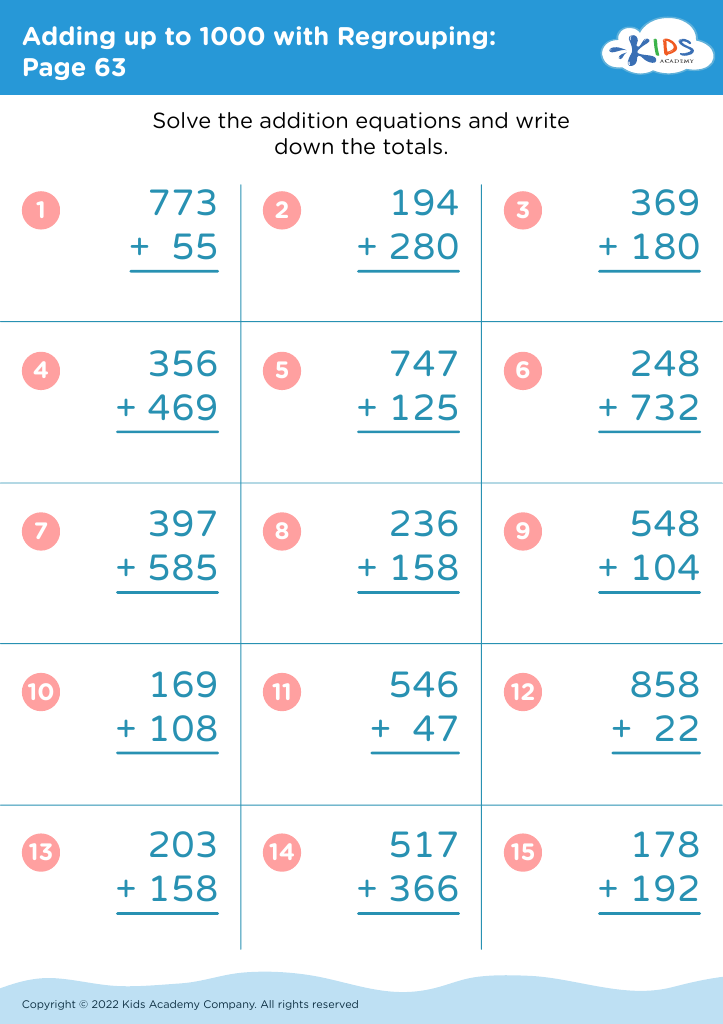
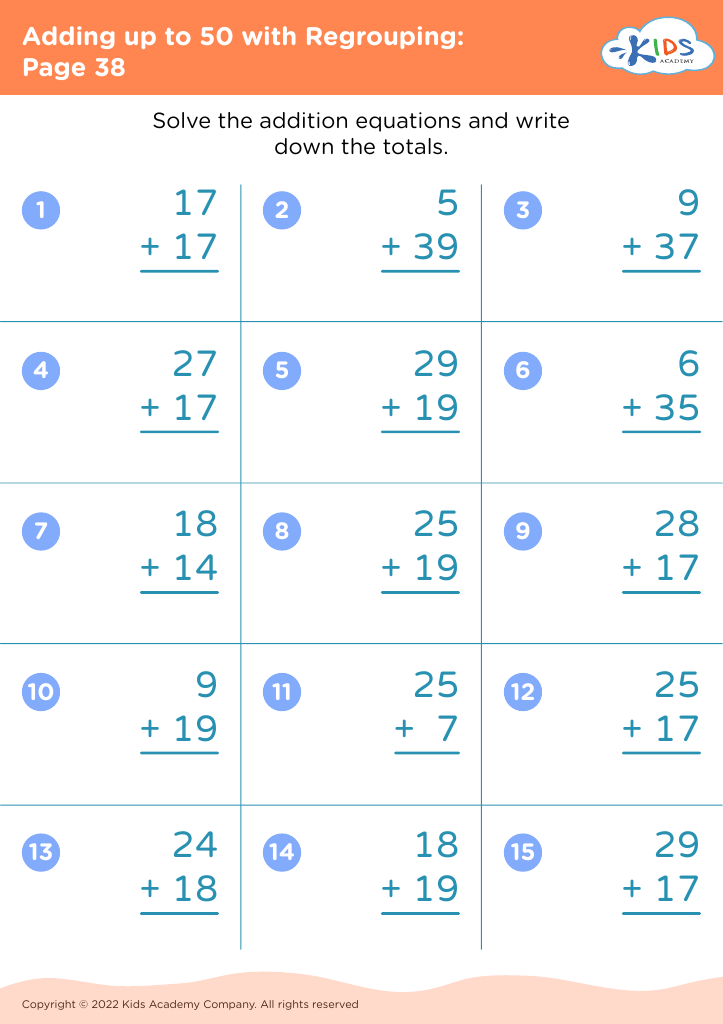
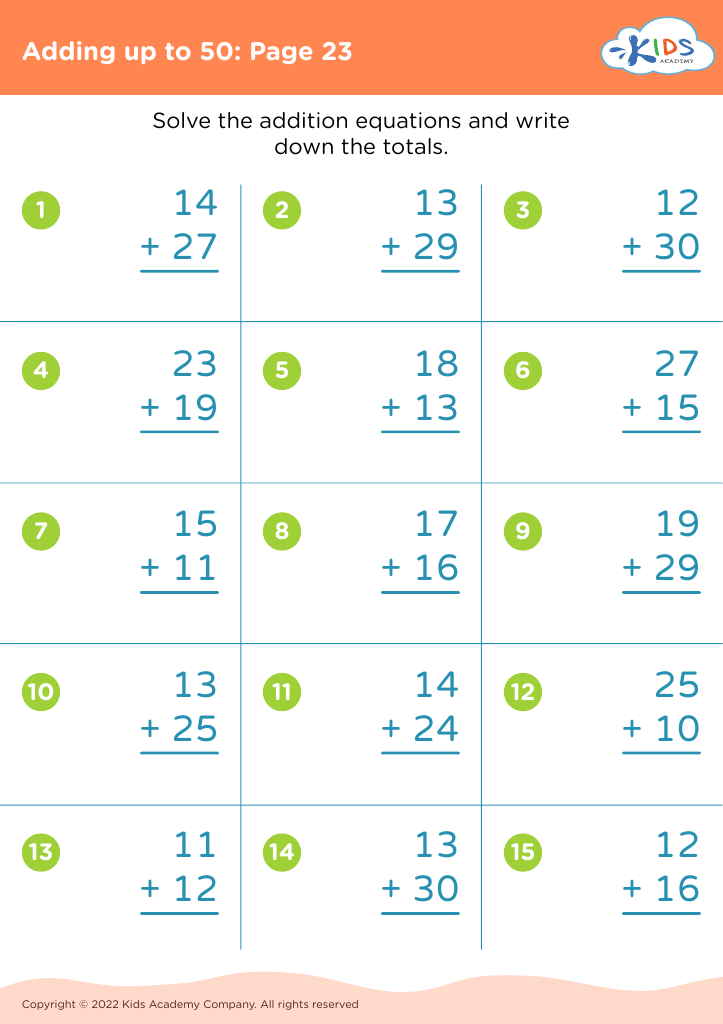
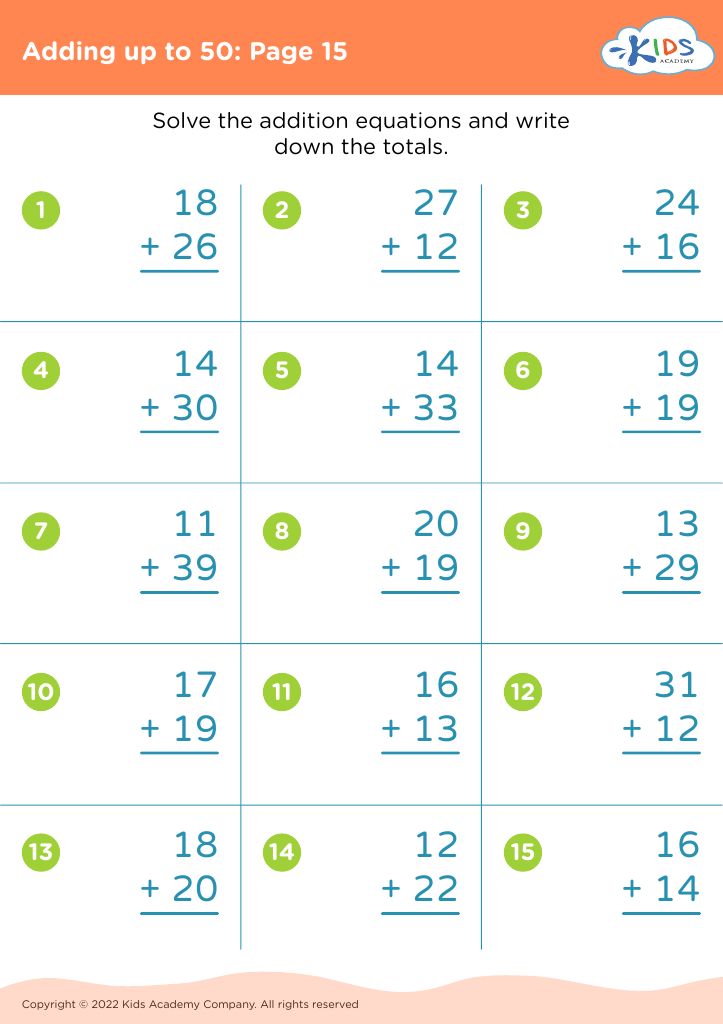
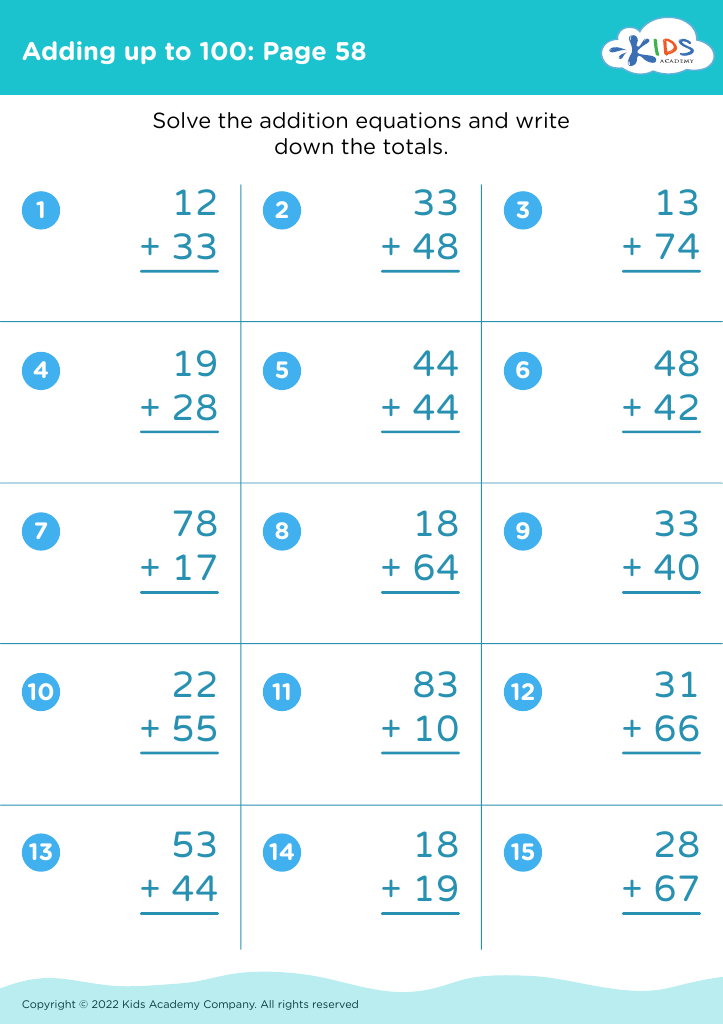








Fraction identification and addition are fundamental math skills for children ages 7-8, laying the groundwork for more advanced mathematical concepts. By nurturing an understanding of fractions at this age, parents and teachers contribute to a child’s problem-solving abilities and critical thinking skills.
Understanding fractions enhances students' ability to comprehend real-world situations such as cooking, dividing items, or sharing, fostering a practical application of math in their daily lives. It also serves as a gateway to understanding more complex topics in math, including ratios, proportions, and decimal concepts.
Moreover, mastering fraction addition helps build a child's confidence in math. This age group often struggles with new mathematical concepts, and success in fractions can bolster their self-esteem and overall attitude towards learning. By emphasizing these skills, caregivers help children develop not only academic knowledge but also perseverance and resilience.
Encouraging exploration through hands-on activities, visual aids, and interactive games further engages young learners, making fractions enjoyable. Ultimately, focusing on fraction identification and addition equips children with essential skills necessary for success in higher math and instills a lifelong appreciation for learning. Therefore, it's critical for parents and teachers to prioritize fraction education during this key developmental stage.








