
Observational skills Addition Worksheets for Ages 7-8
3 filtered results
Difficulty Level
Grade
Age
-
From - To
Subject
Activity
Standards
Enhance your child's learning experience with our "Observational Skills Addition Worksheets" designed specifically for ages 7-8! These engaging worksheets combine math practice with fun observational activities, encouraging young learners to sharpen their attention to detail while mastering addition skills. As children identify patterns, compare quantities, and solve addition problems, they develop critical thinking and reasoning abilities. Perfect for home or classroom use, these printable resources help make math enjoyable and effective. Foster a love for learning and build confidence in young mathematicians as they explore the exciting world of numbers through observation and hands-on practice! Start enhancing your child's skills today!
Favorites
With answer key
Interactive
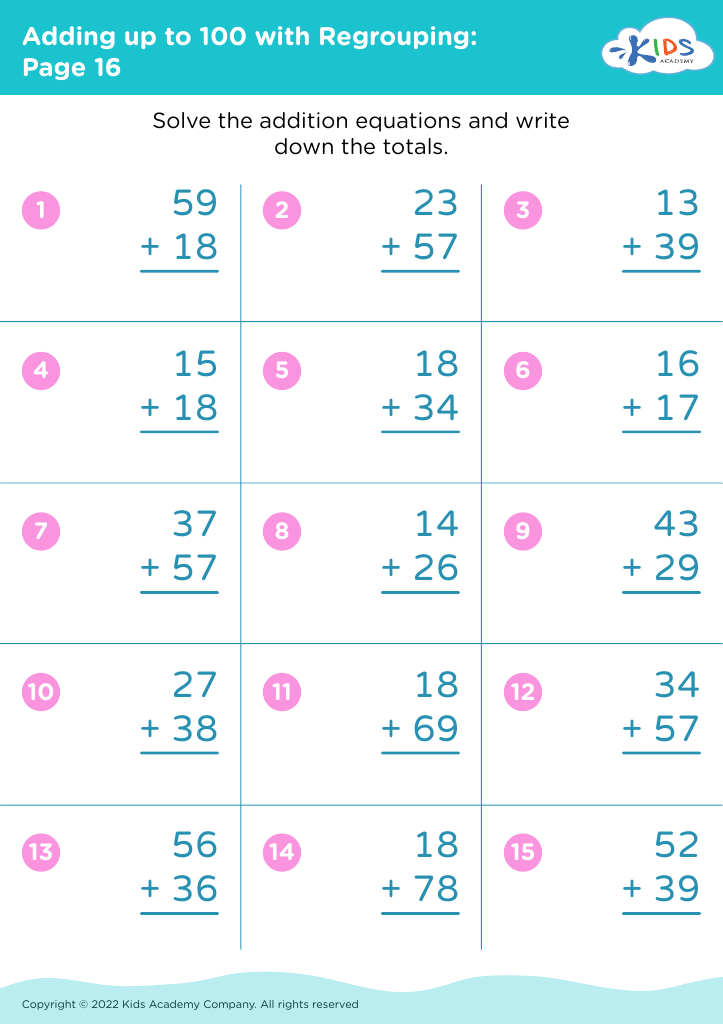
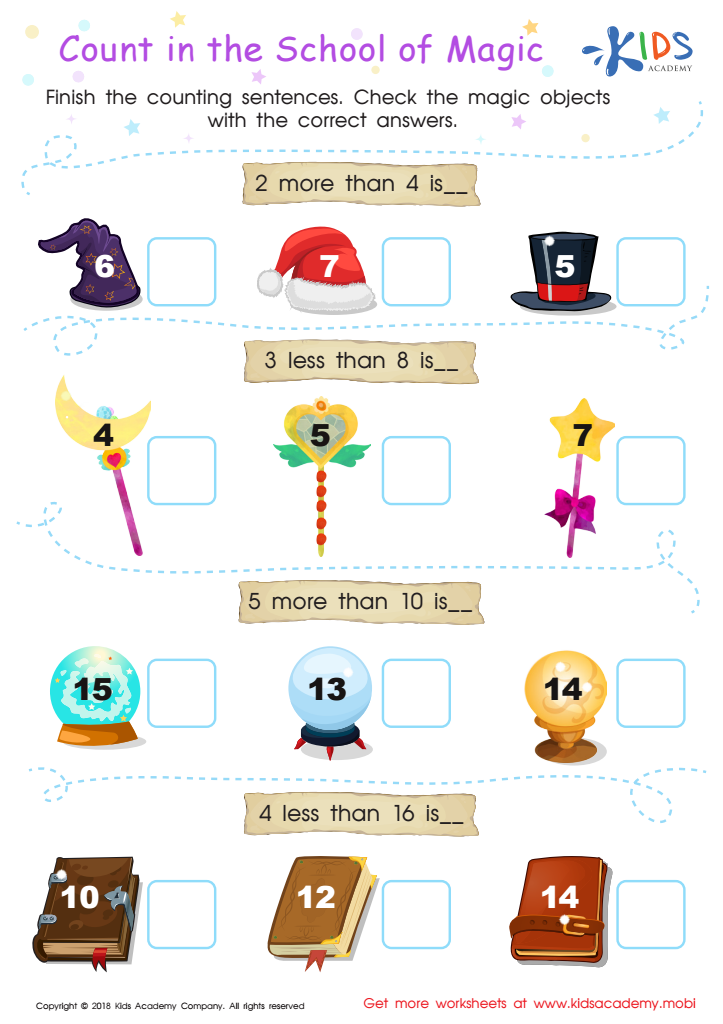
Count in the School of Magic Worksheet
Your math learners can explore the School of Magic with this worksheet. They'll read equations with addition and subtraction numbers under 20, count back and forth to find the answer, then complete the counting sentences. Fun pictures and easy accuracy make it an enjoyable and successful learning experience.
 Assign to My Students
Count in the School of Magic Worksheet
Worksheet
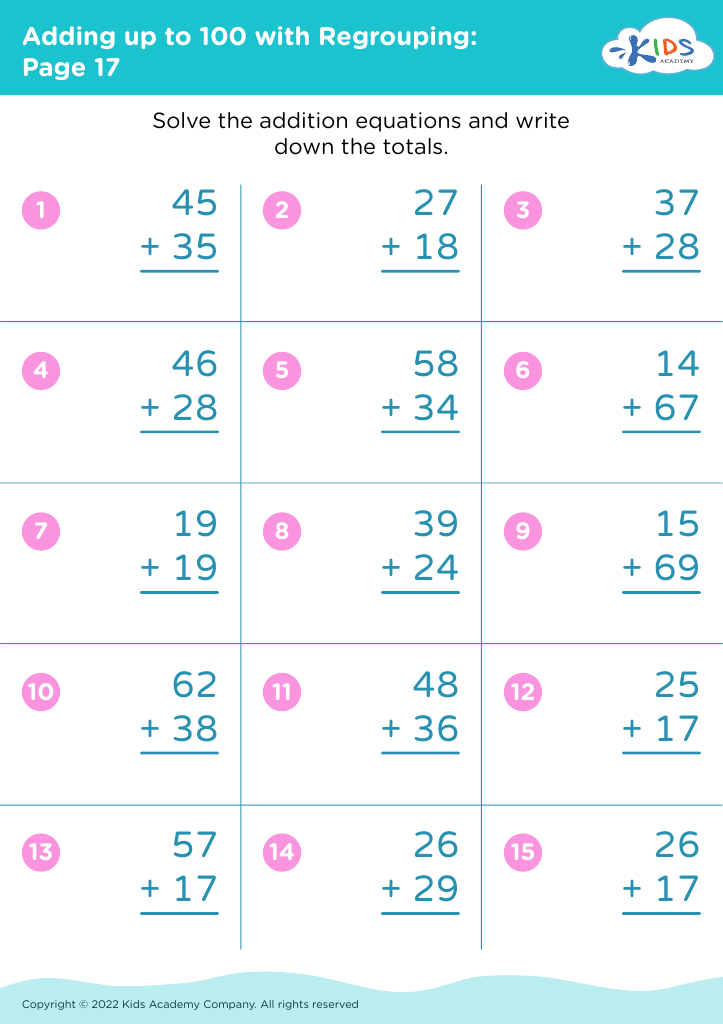
Join Kids Academy for Free
Who is primarily going to use this learning content?



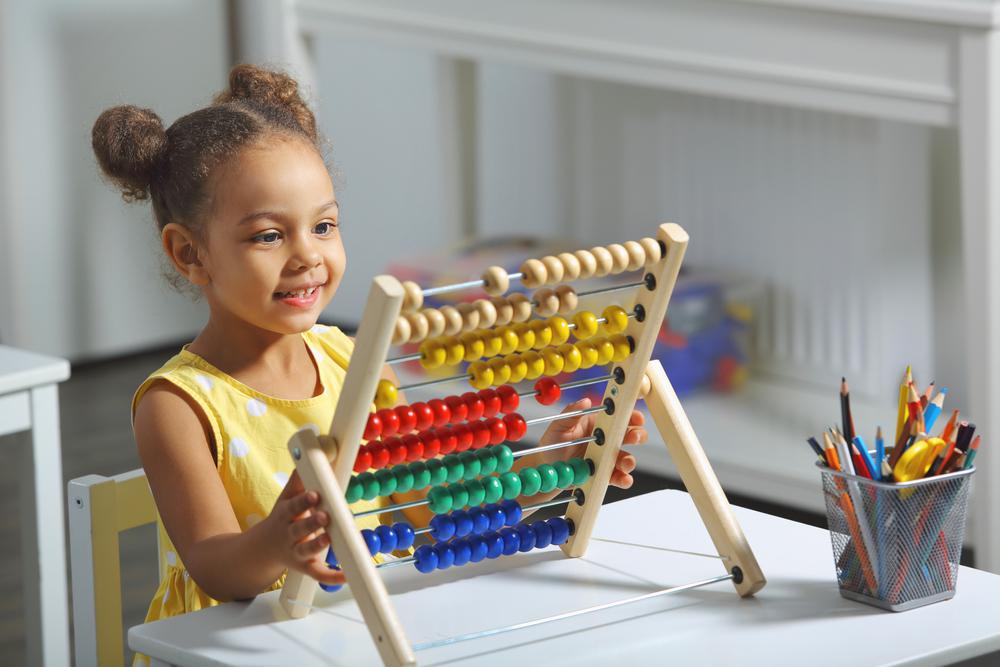




Observational skills in addition are crucial for children aged 7-8 as they significantly enhance mathematical understanding and problem-solving abilities. At this developmental stage, students transition from concrete to abstract thinking, requiring them to recognize patterns, relationships, and numerical concepts through careful observation.
By honing observational skills, children become adept at noticing similarities and differences between numbers, which can improve their ability to derive answers without relying solely on rote memorization of facts. This engagement fosters critical thinking, allowing students to approach problems from various angles and collaboratively explore solutions with peers. Additionally, strong observational skills encourage a sense of curiosity and perseverance, as children learn to investigate and question their methods.
Teachers and parents should foster these skills through practical activities and interactive games incorporating real-life scenarios that require addition—a crucial math process. For example, encouraging children to observe and count objects in their environment or to analyze patterns in math stories can make learning enjoyable and meaningful.
Ultimately, developing observational skills in addition not only supports academic success but also builds a solid foundation for lifelong learning and critical thinking, equipping children with essential tools for their future pursuits.








