Problem-Solving Skills Addition Worksheets for Ages 7-8 - Page 2
102 filtered results
-
From - To
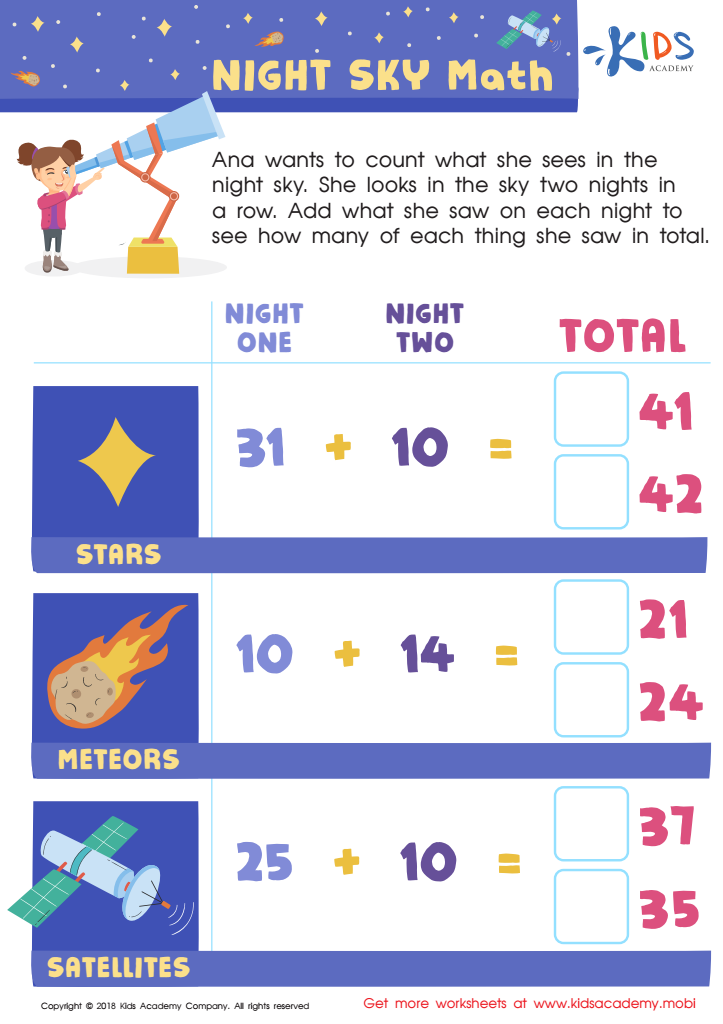
Night Sky Math Worksheet
 Assign to My Students
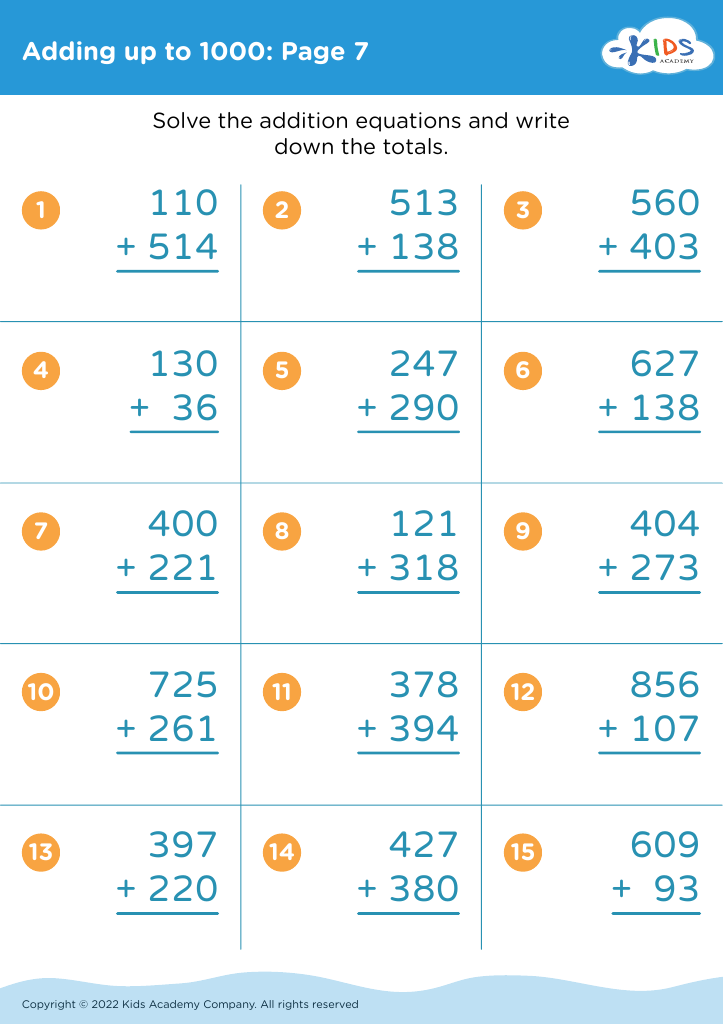
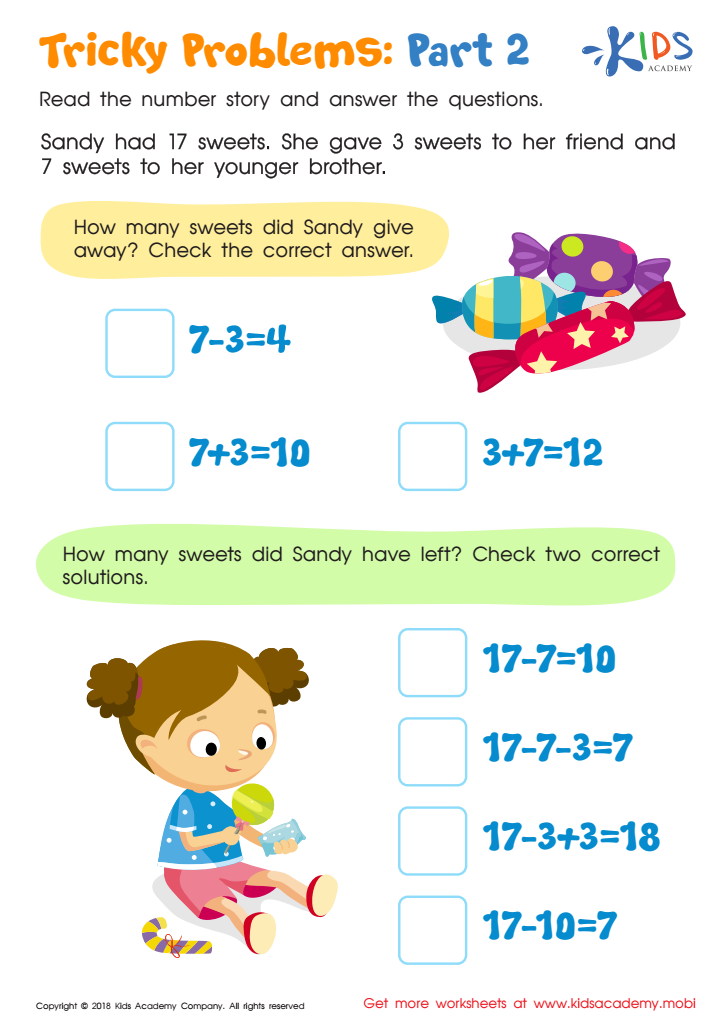
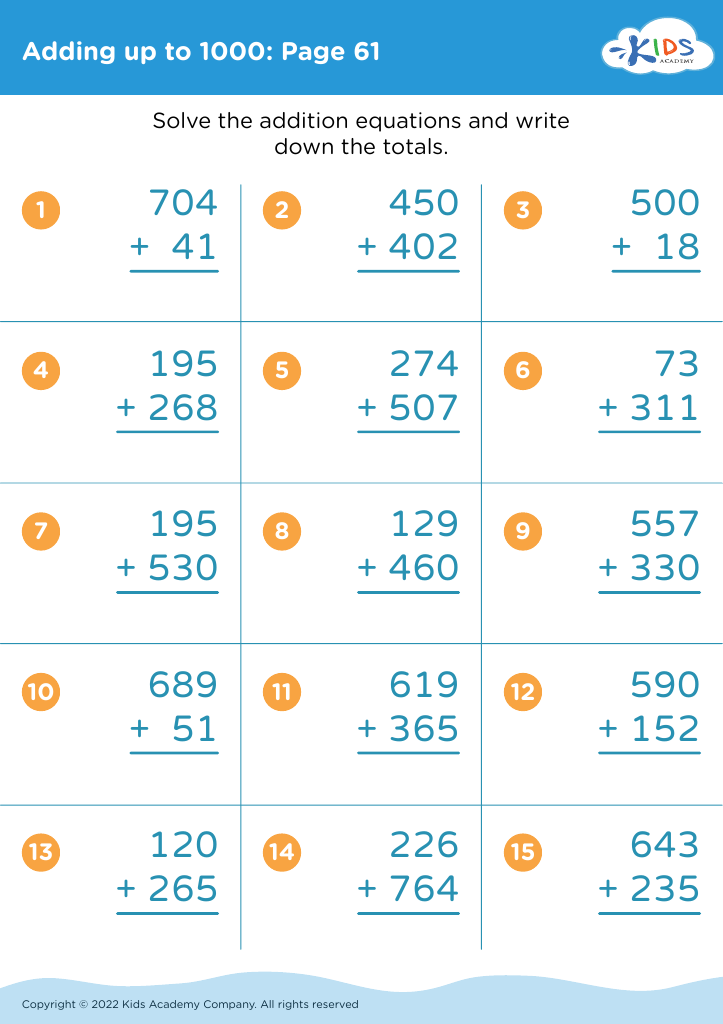
Tricky Problems Worksheet: Part 2
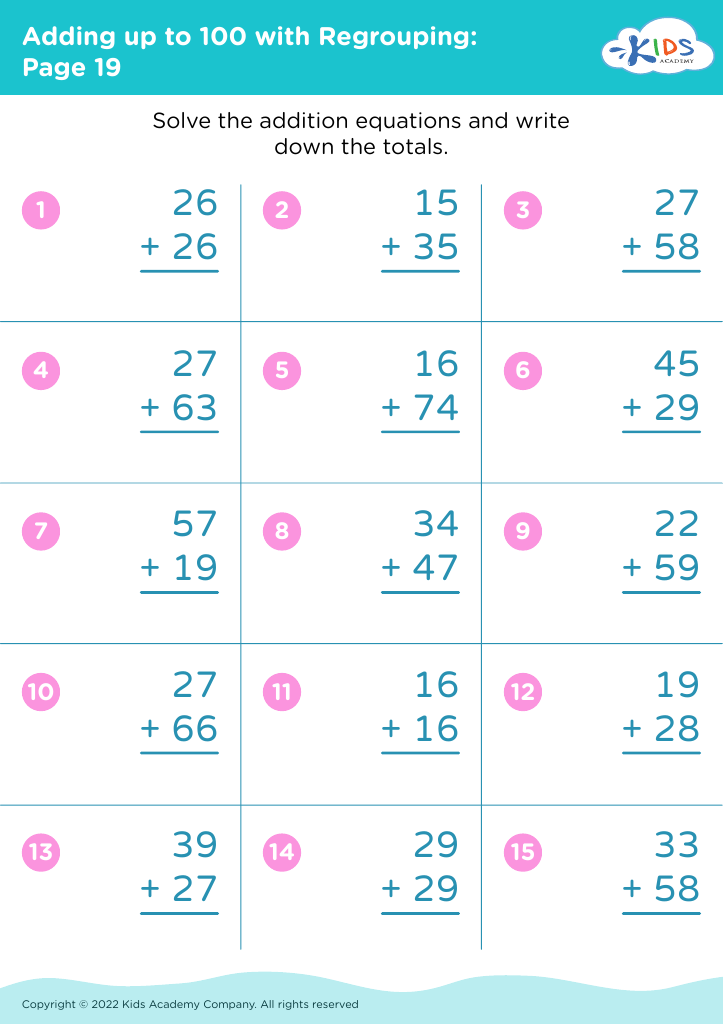
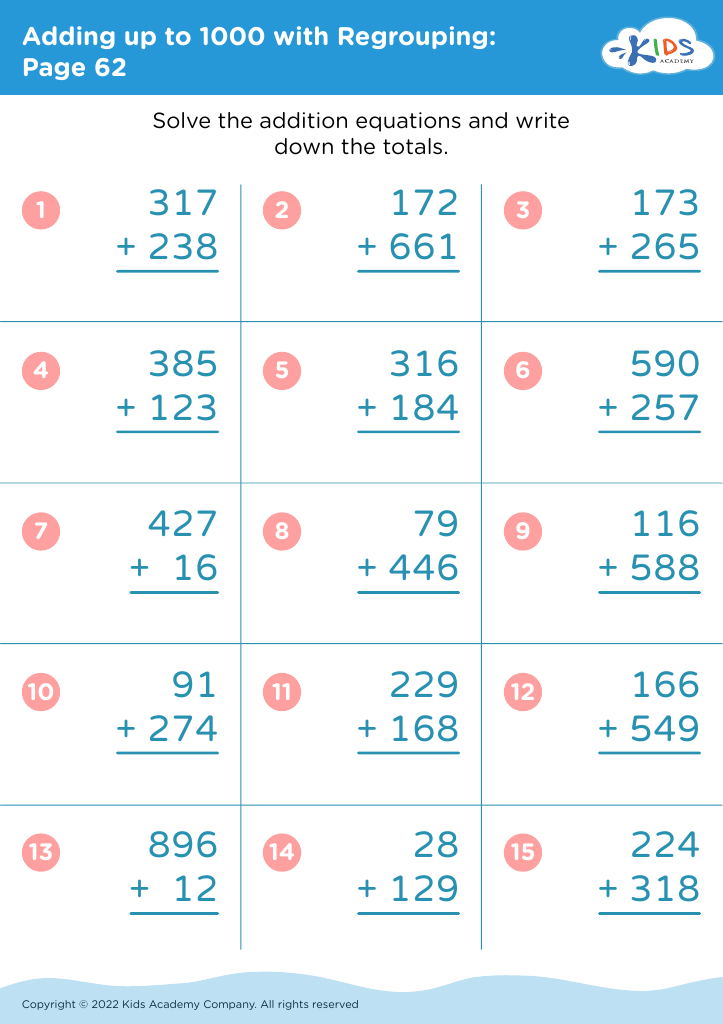
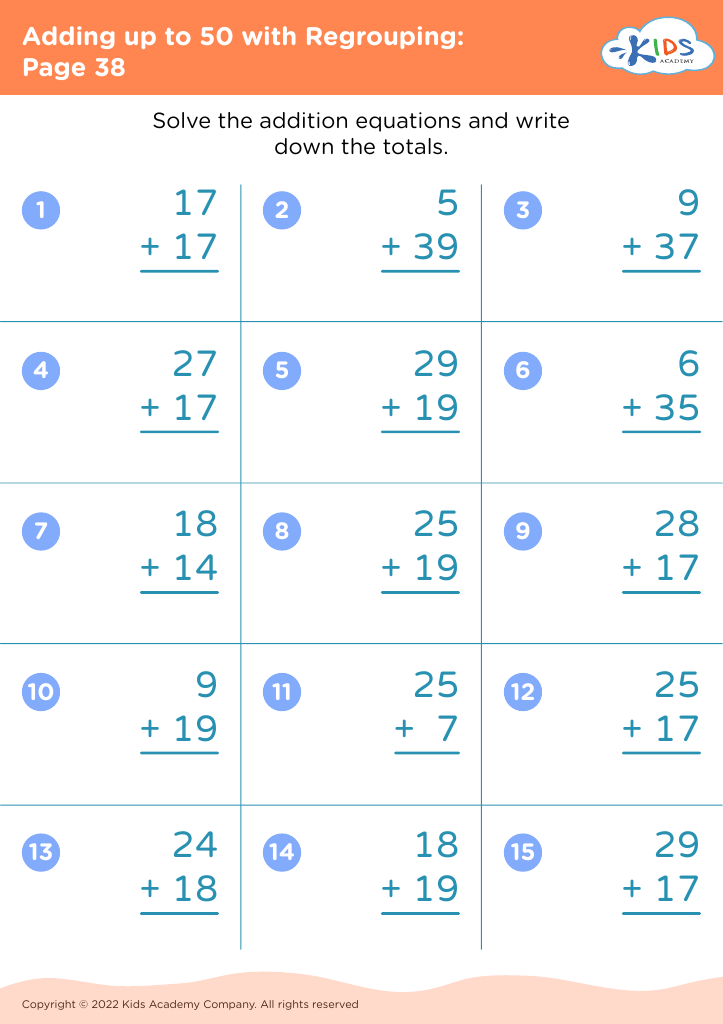
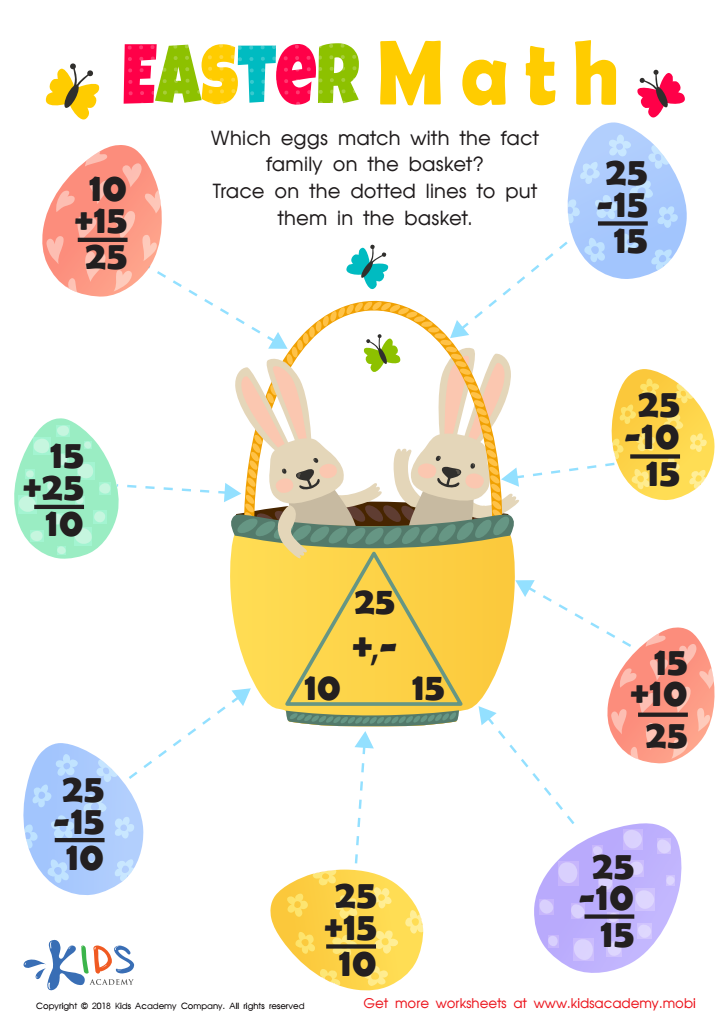
Fact Families: Easter Math Worksheet
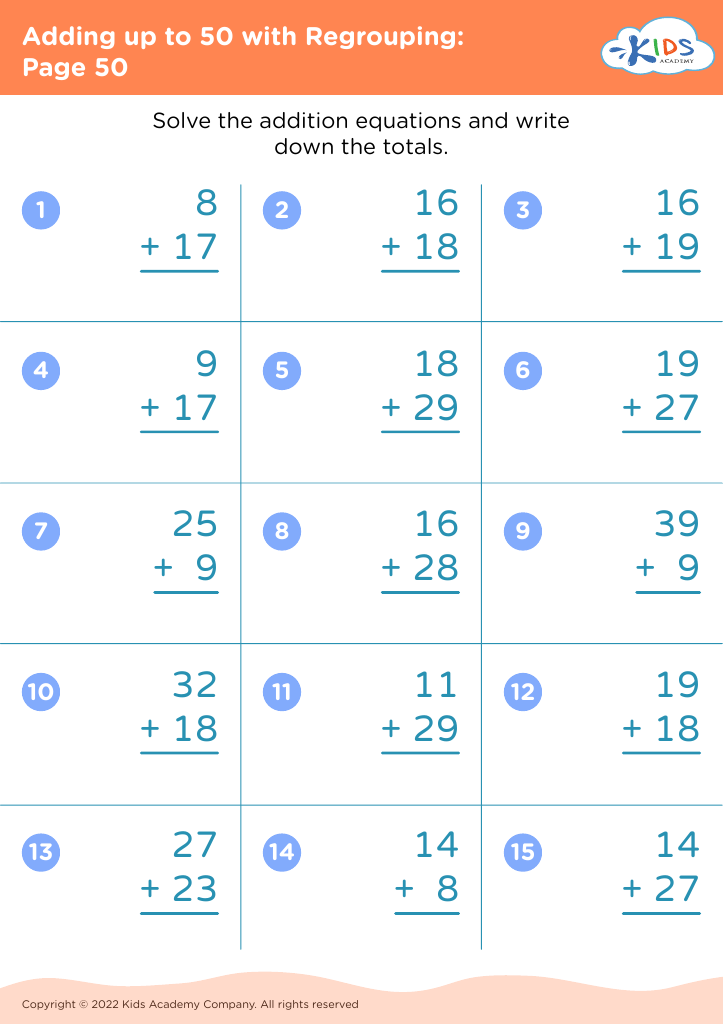
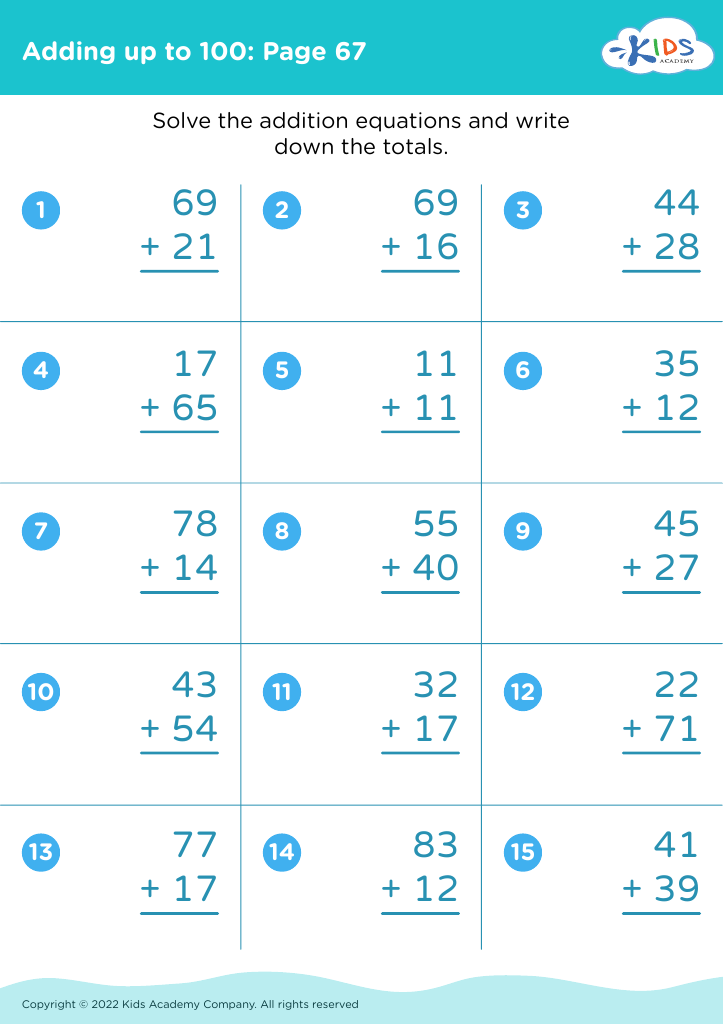
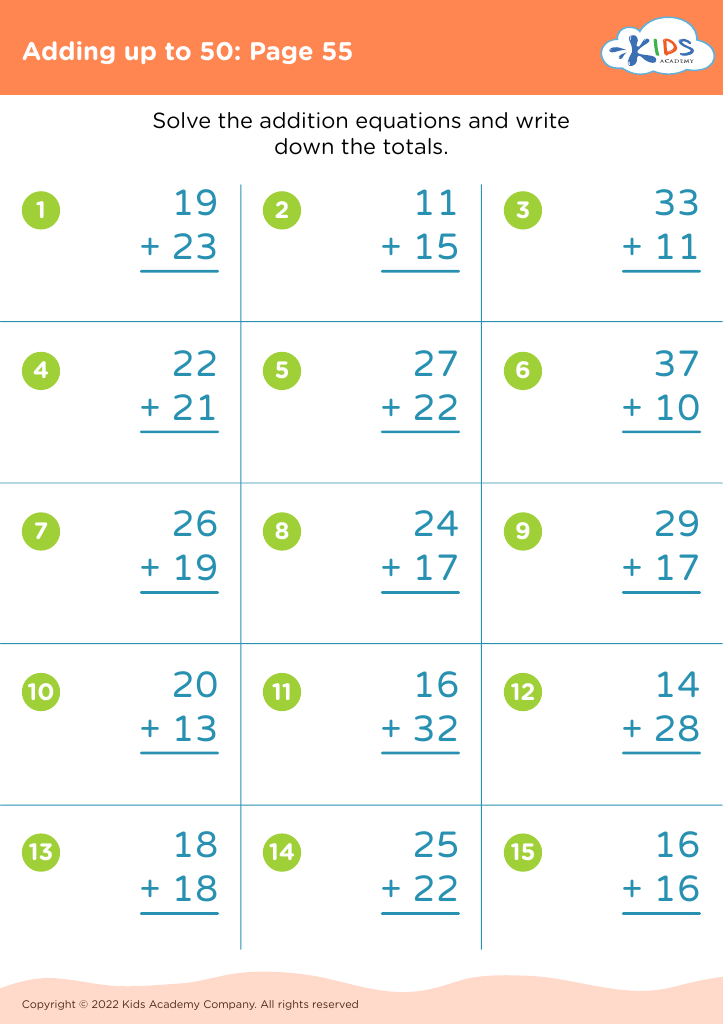
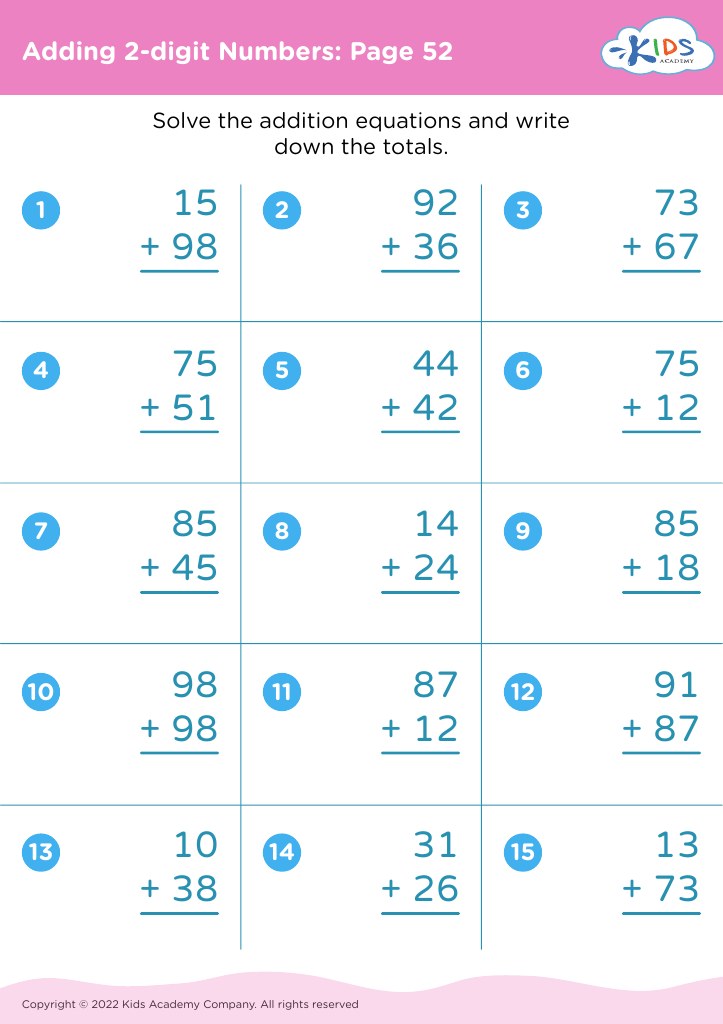
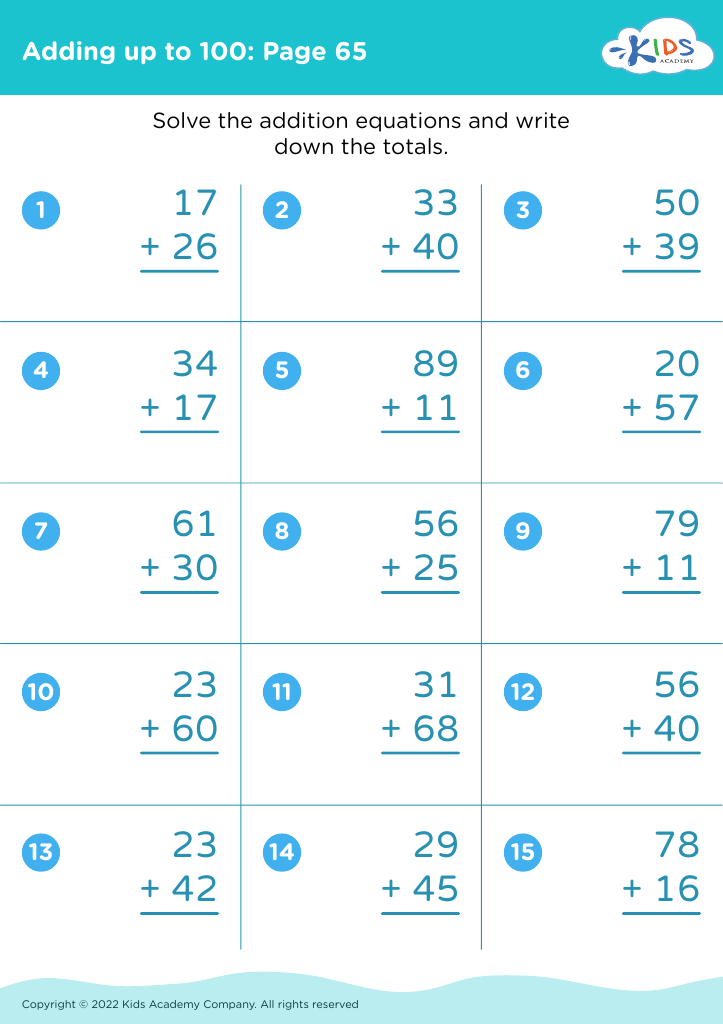








Problem-solving skills are essential for children aged 7-8 as they lay the foundation for their future academic and life success. During this developmental stage, children begin to enhance their ability to analyze situations, think critically, and devise strategies to tackle various challenges. Fostering problem-solving skills in addition to foundational mathematical concepts, such as addition, is vital because it encourages logical thinking and reasoning.
Parents and teachers should prioritize problem-solving in addition lessons as it promotes creativity and resilience. When children face challenging addition problems, they learn to explore different methods, evaluate their effectiveness, and learn from mistakes—valuable skills that extend beyond mathematics. This approach prevents math anxiety, as children recognize that struggles are part of the learning process.
Moreover, strong problem-solving skills are linked to improved concentration, confidence, and perseverance, preparing students for more complex concepts in higher grades. Engaging children in collaborative problem-solving activities fosters social skills and teamwork, establishing a supportive learning environment. By nurturing these skills, parents and teachers not only enhance mathematical abilities but also contribute to holistic cognitive and emotional growth, ensuring children are well-prepared for future challenges both in school and real life.








