Filters

157 filtered results

Clear all filters
Favorites
With answer key
Interactive

157 filtered results

Difficulty Level

Grade


Check out this FREE Trial Lesson on Addition for age 7-8!

D

Favorites
With answer key
Interactive
  • 7-8
  • Understanding fractions
  • Addition
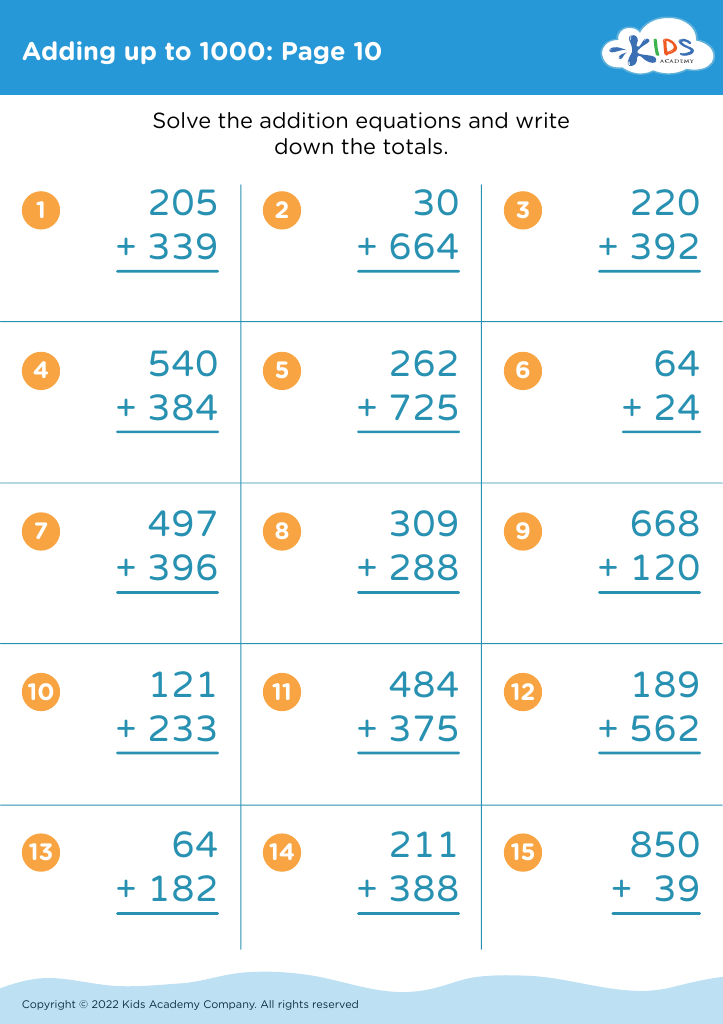
Adding up to 1000: Page 10

Adding up to 1000: Page 10

Adding up to 1000: Page 10
Worksheet
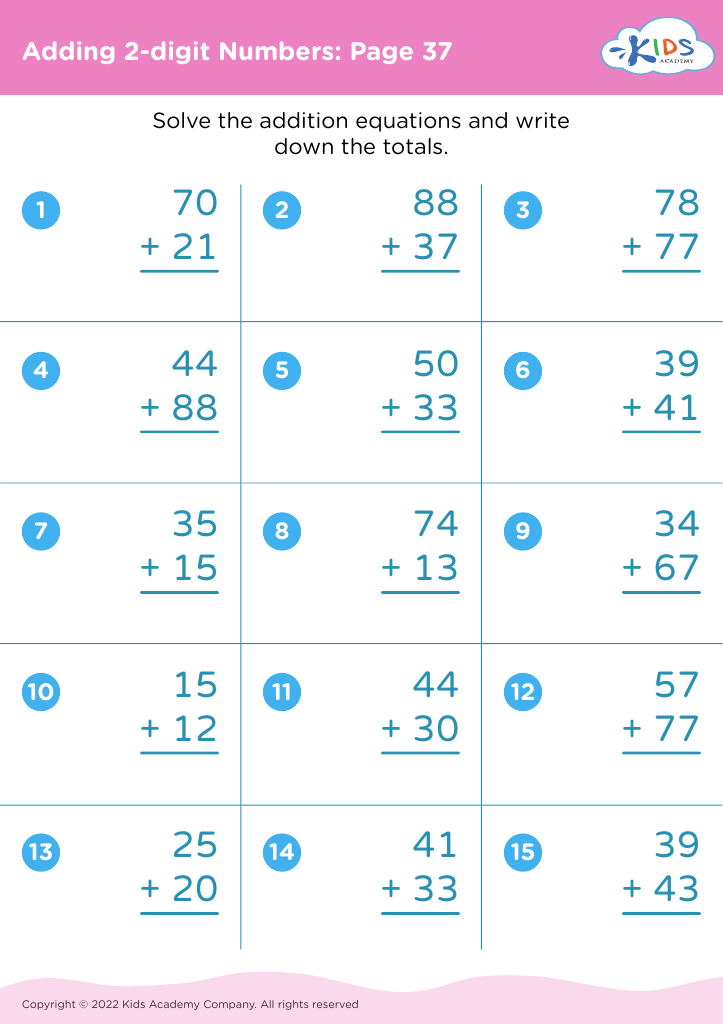
Adding 2-digit Numbers: Page 37

Adding 2-digit Numbers: Page 37

Adding 2-digit Numbers: Page 37
Worksheet
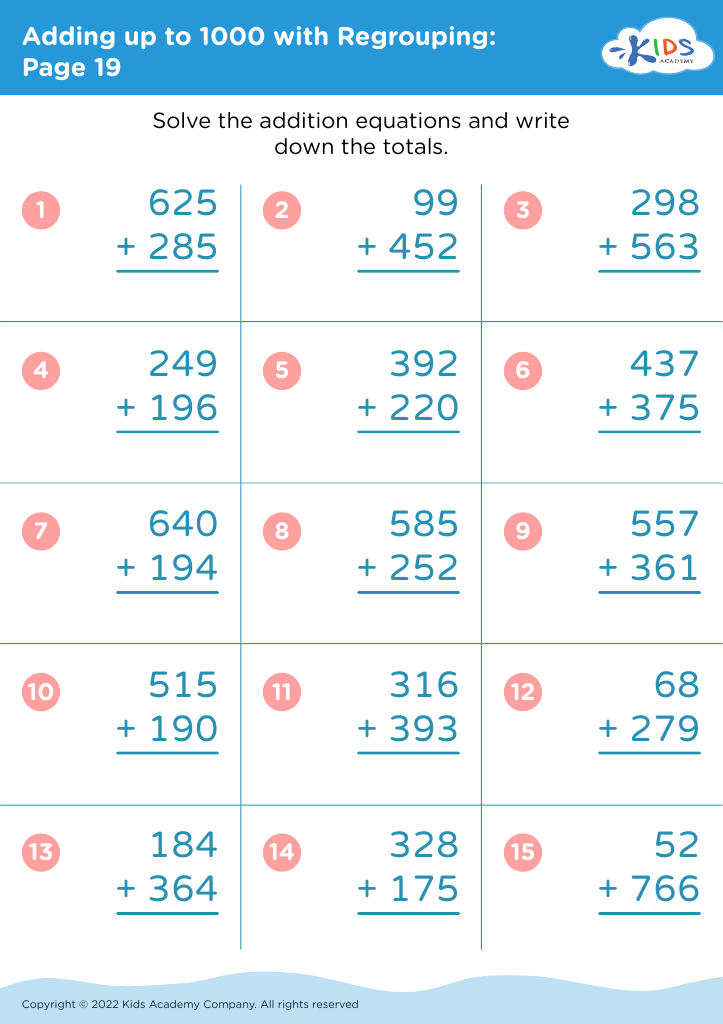
Adding up to 1000 with Regrouping: Page 19
Worksheet
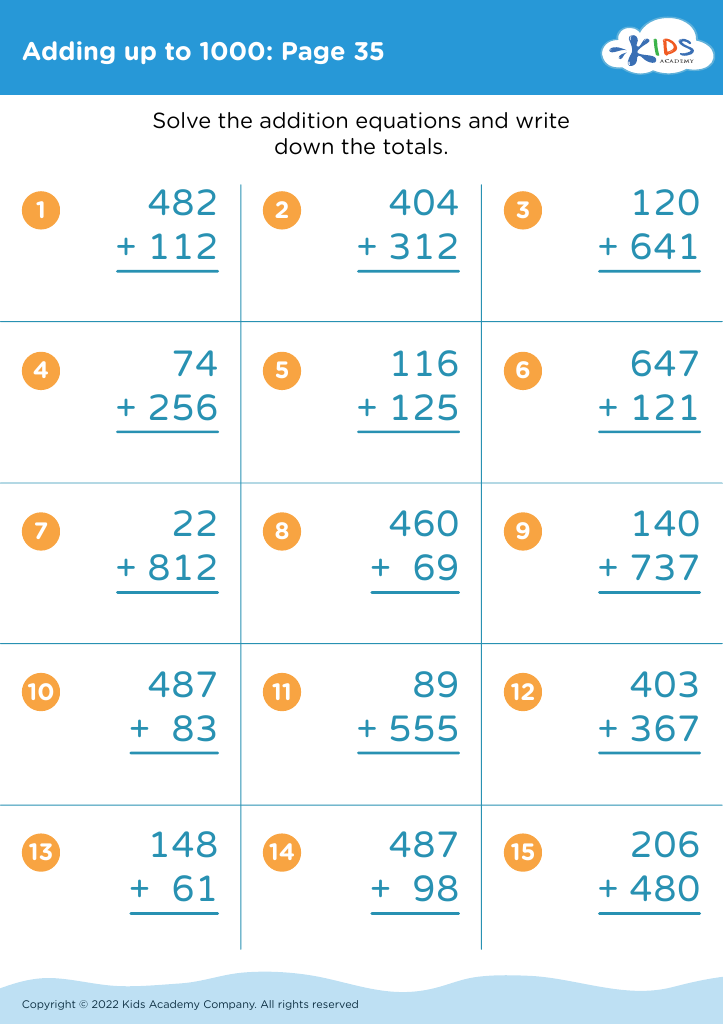
Adding up to 1000: Page 35

Adding up to 1000: Page 35

Adding up to 1000: Page 35
Worksheet
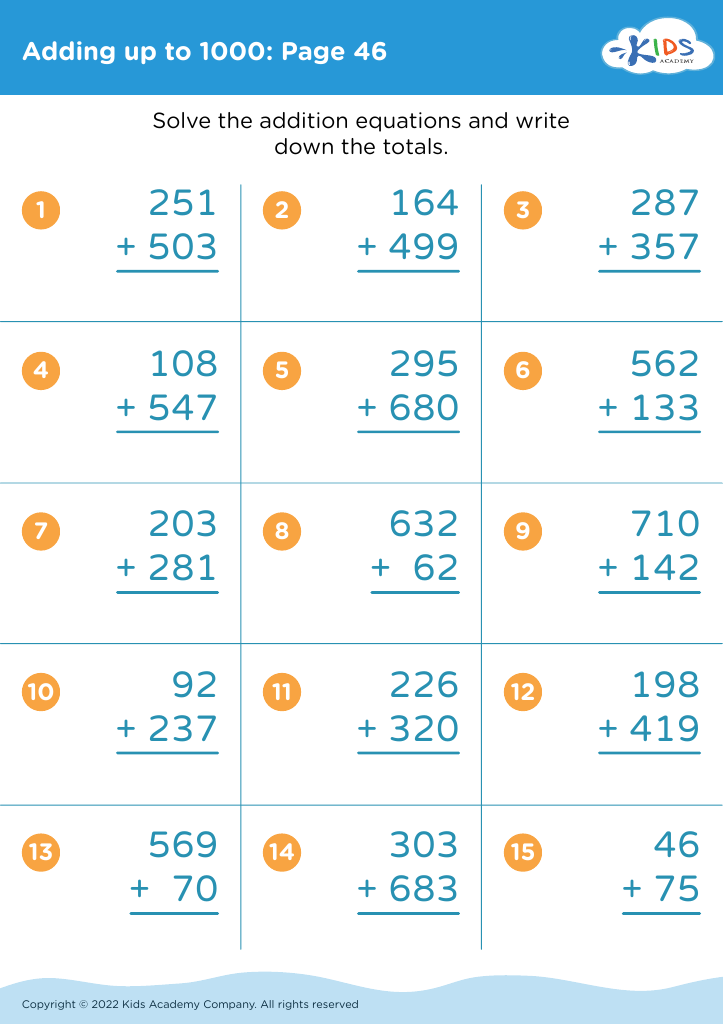
Adding up to 1000: Page 46

Adding up to 1000: Page 46

Adding up to 1000: Page 46
Worksheet
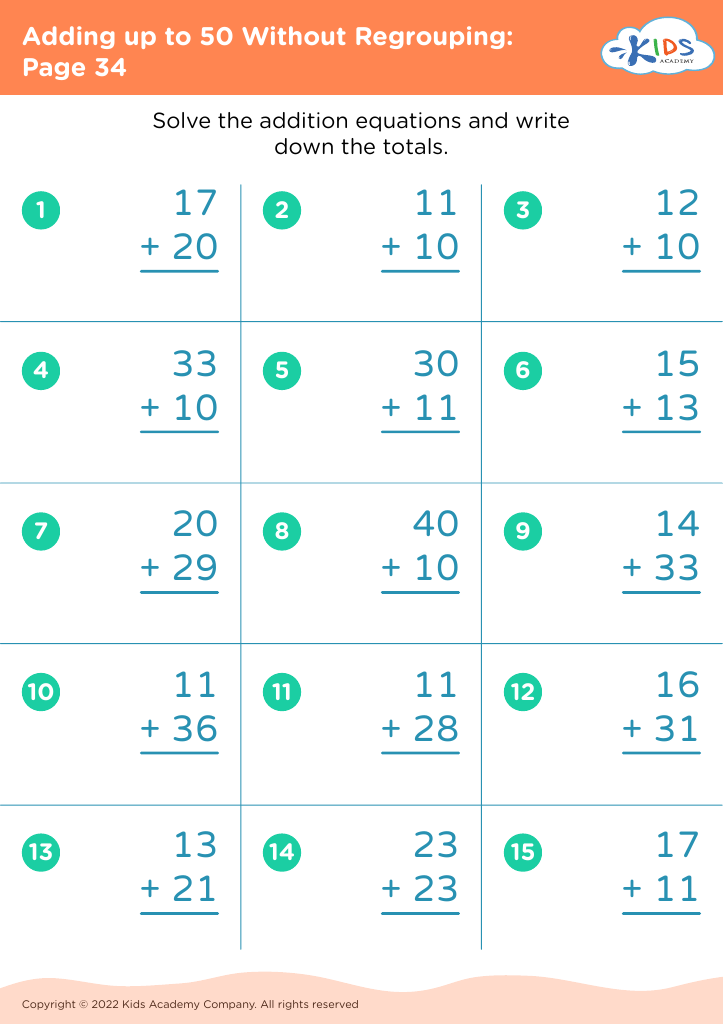
Adding up to 50 Without Regrouping: Page 34
Worksheet
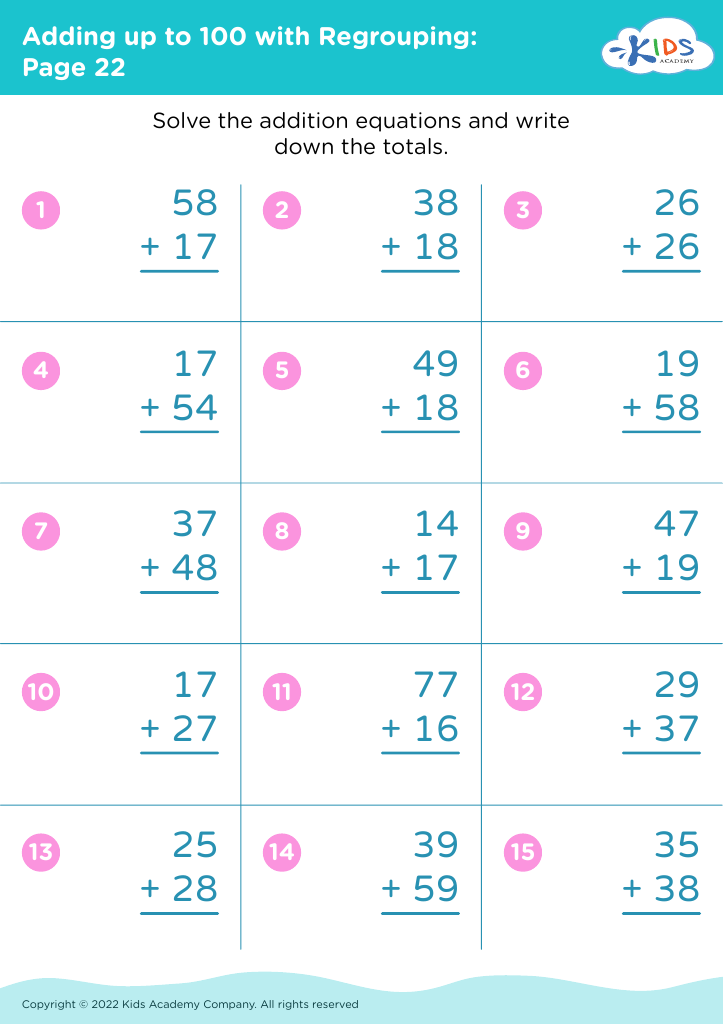
Adding up to 100 with Regrouping: Page 22
Worksheet
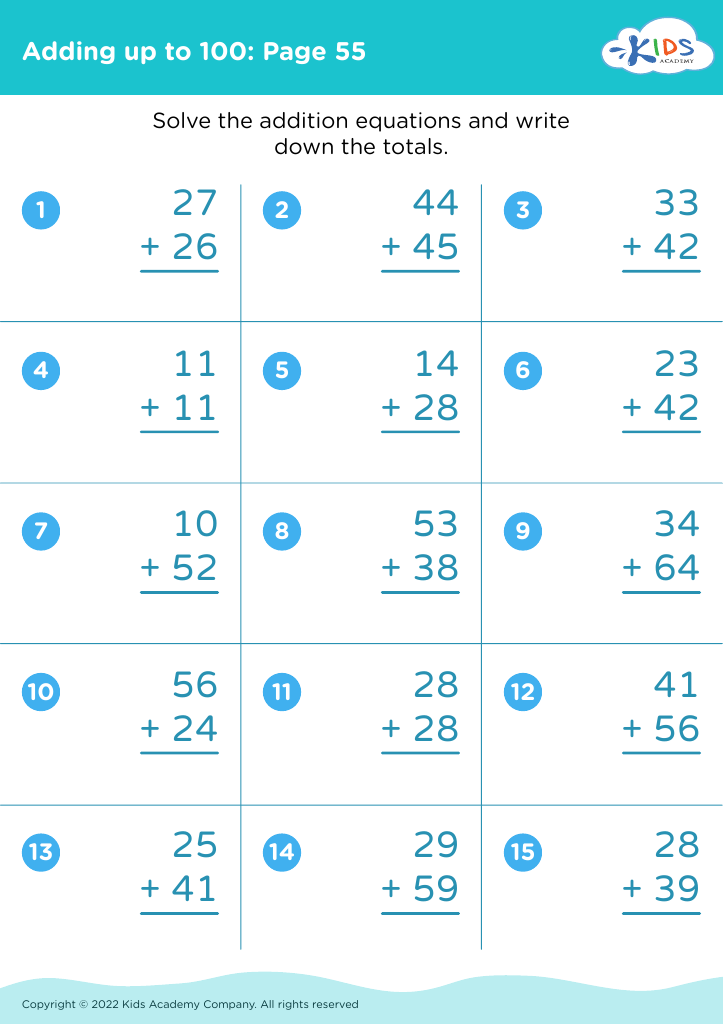
Adding up to 100: Page 55

Adding up to 100: Page 55

Adding up to 100: Page 55
Worksheet
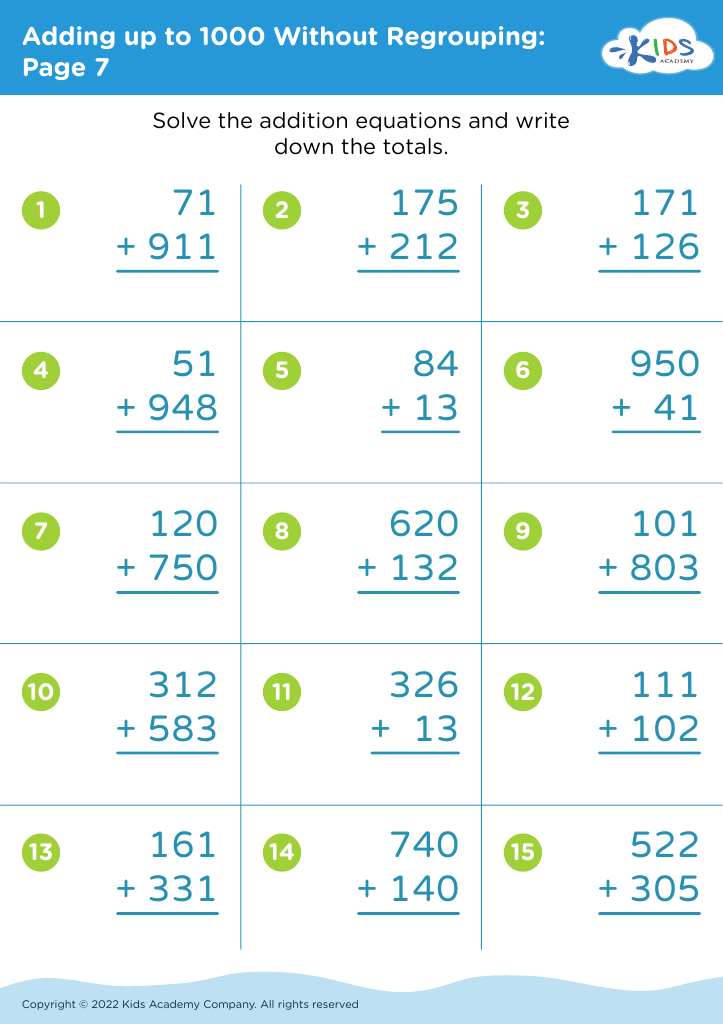
Adding up to 1000 Without Regrouping: Page 7
Worksheet
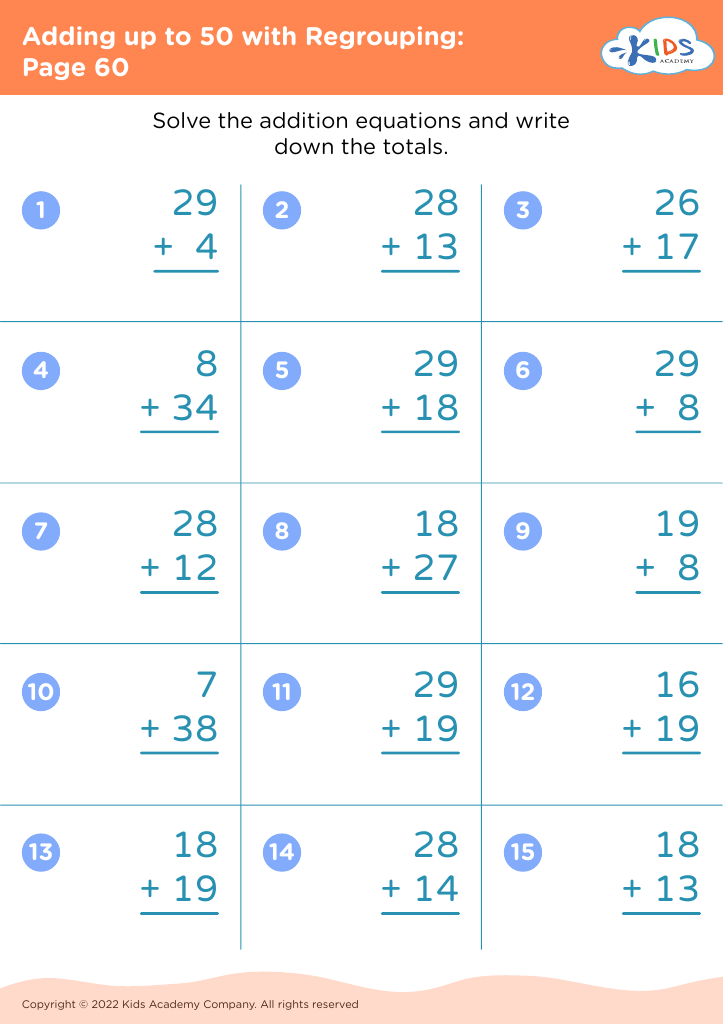
Adding up to 50 with Regrouping: Page 60
Worksheet
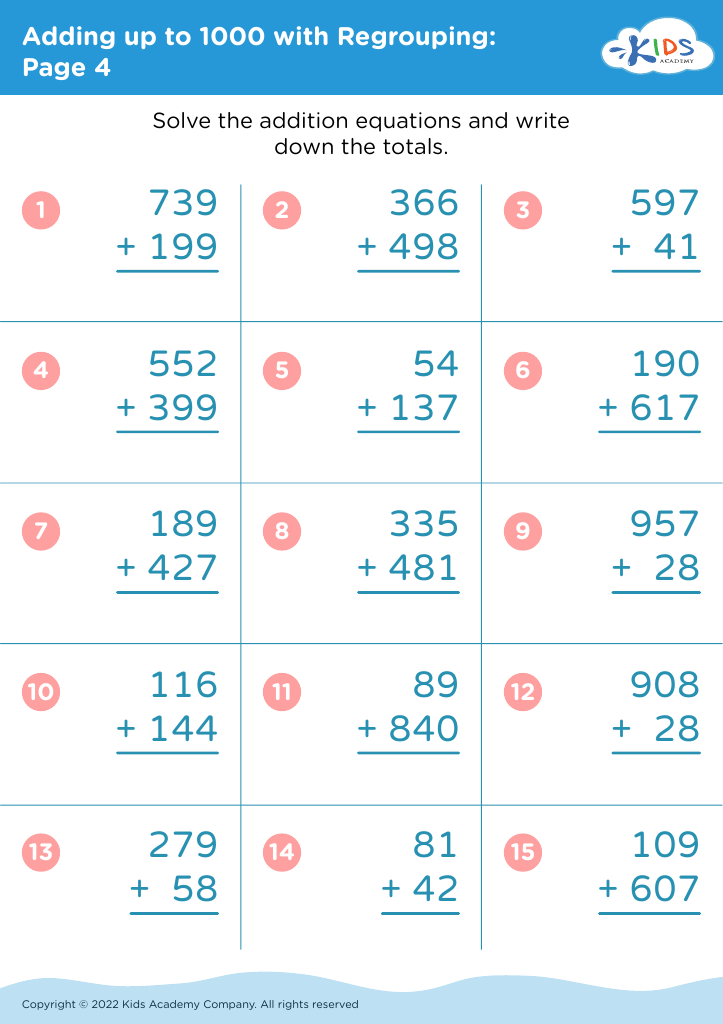
Adding up to 1000 with Regrouping: Page 4
Worksheet
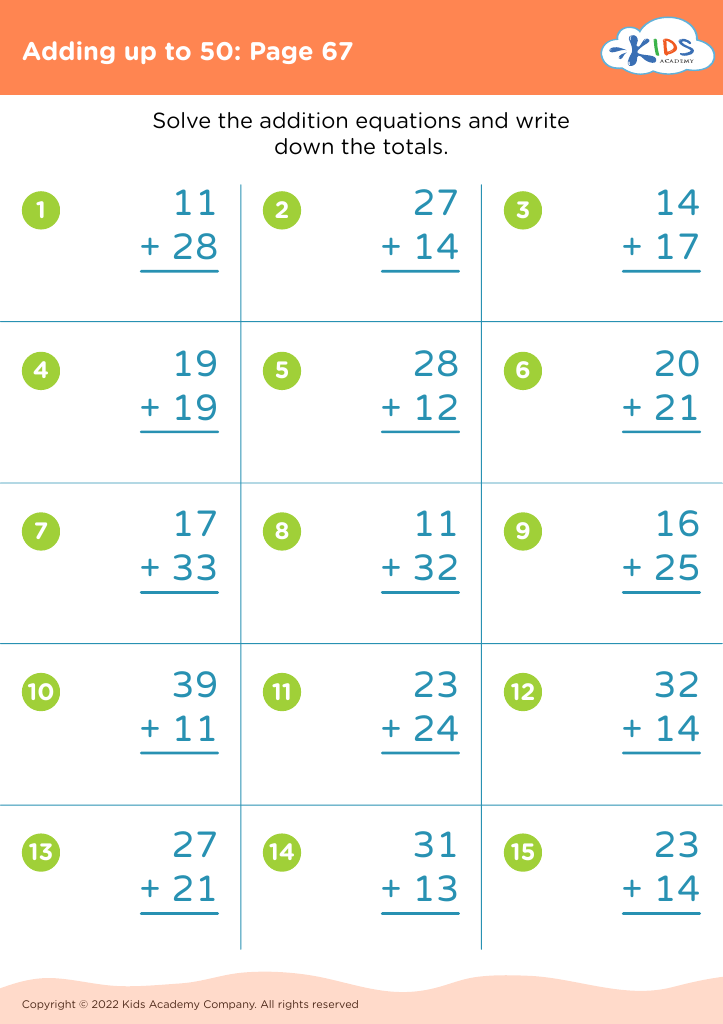
Adding up to 50: Page 67

Adding up to 50: Page 67

Adding up to 50: Page 67
Worksheet
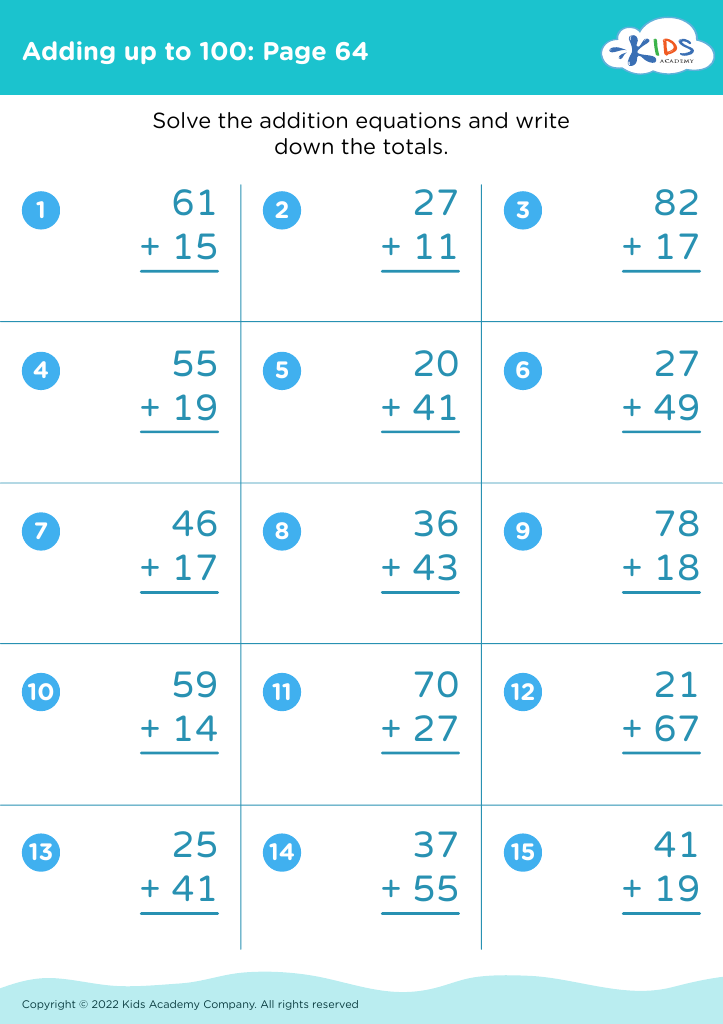
Adding up to 100: Page 64

Adding up to 100: Page 64

Adding up to 100: Page 64
Worksheet
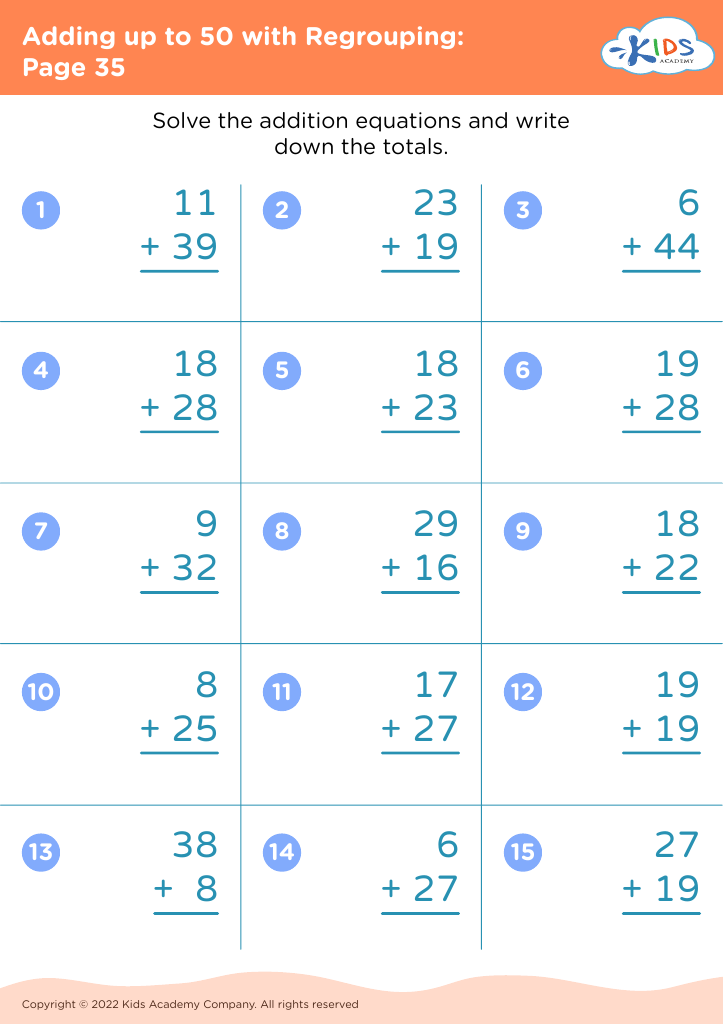
Adding up to 50 with Regrouping: Page 35
Worksheet
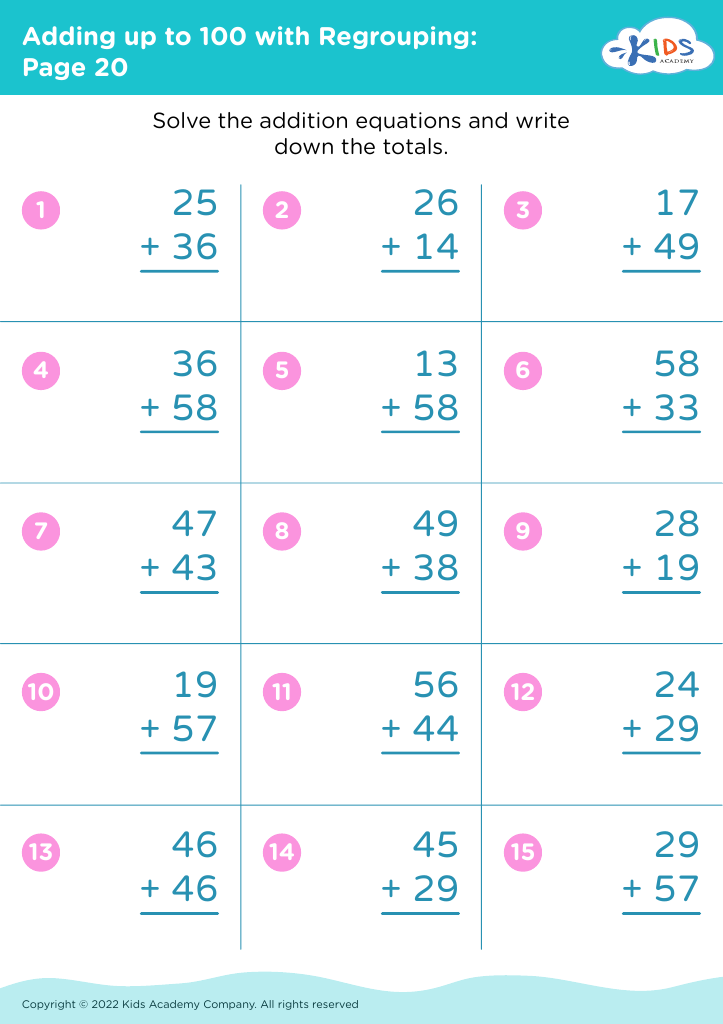
Adding up to 100 with Regrouping: Page 20
Worksheet
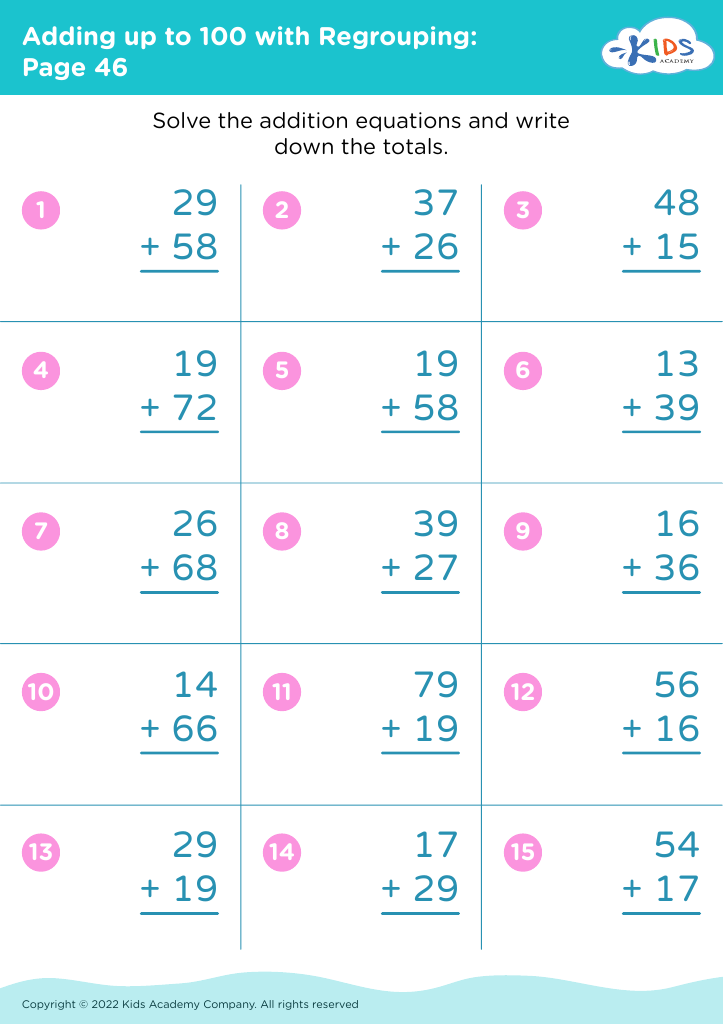
Adding up to 100 with Regrouping: Page 46
Worksheet
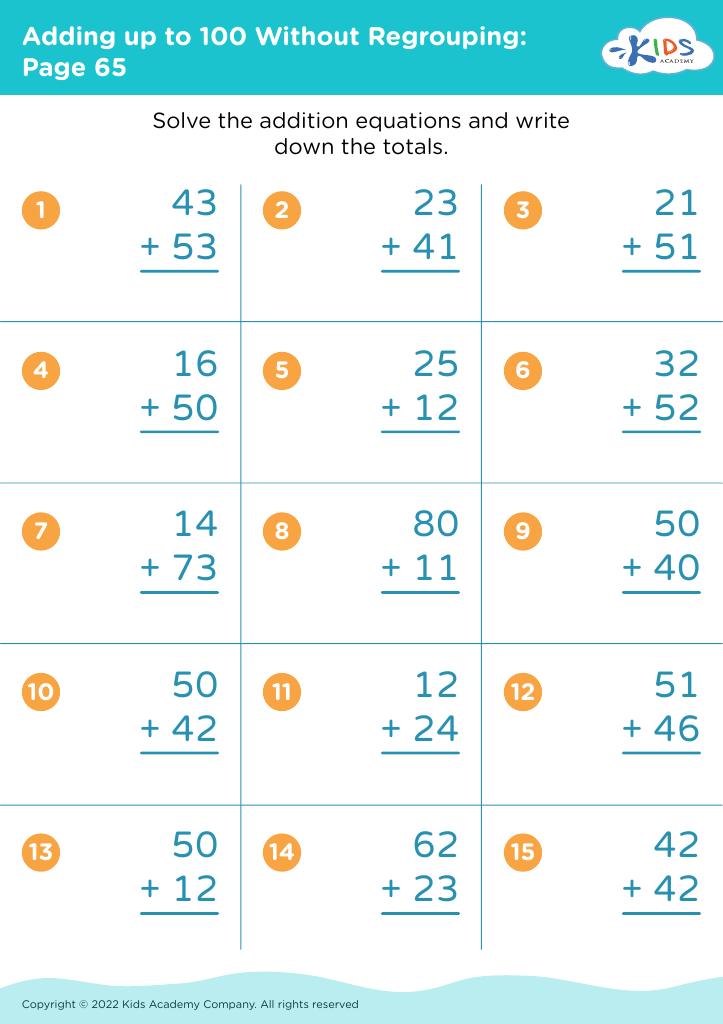
Adding up to 100 Without Regrouping: Page 65
Worksheet
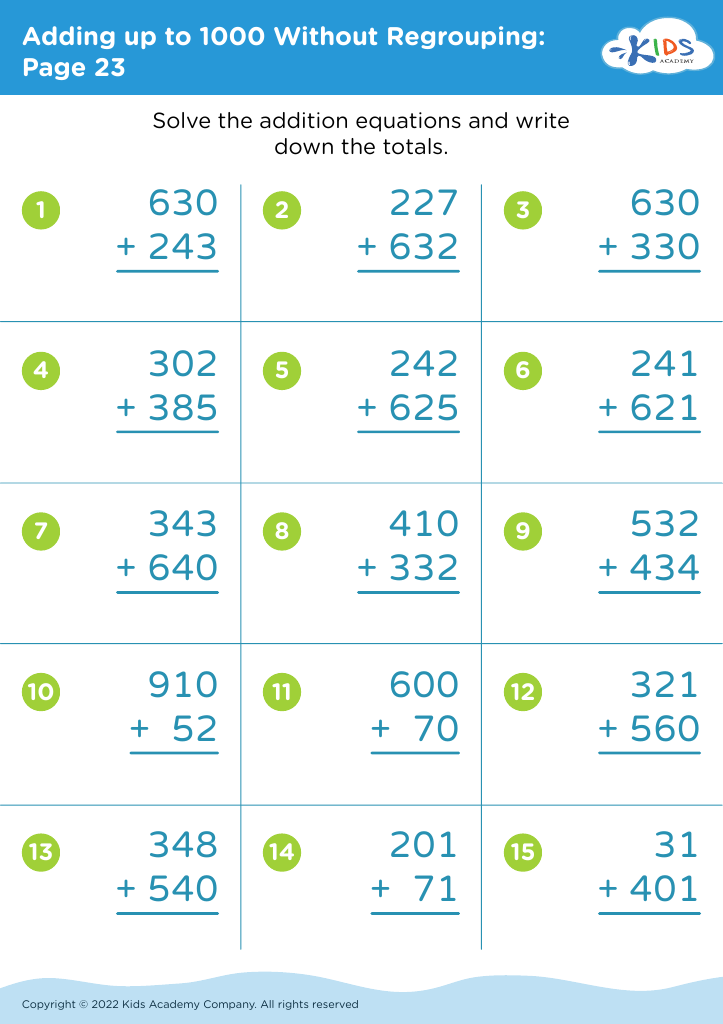
Adding up to 1000 Without Regrouping: Page 23
Worksheet
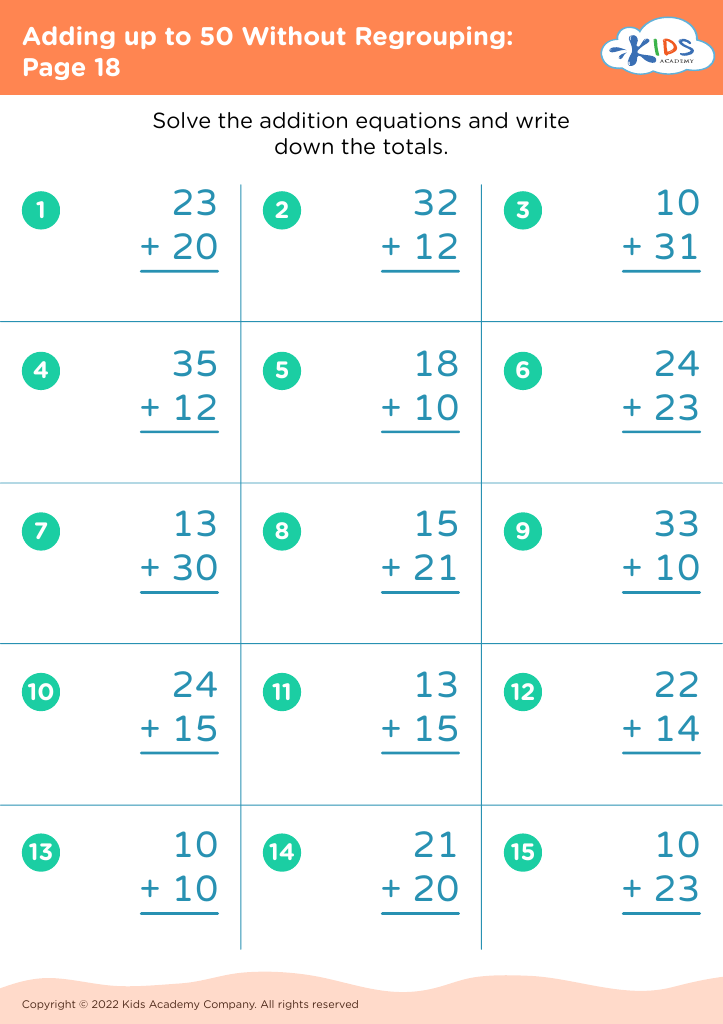
Adding up to 50 Without Regrouping: Page 18
Worksheet
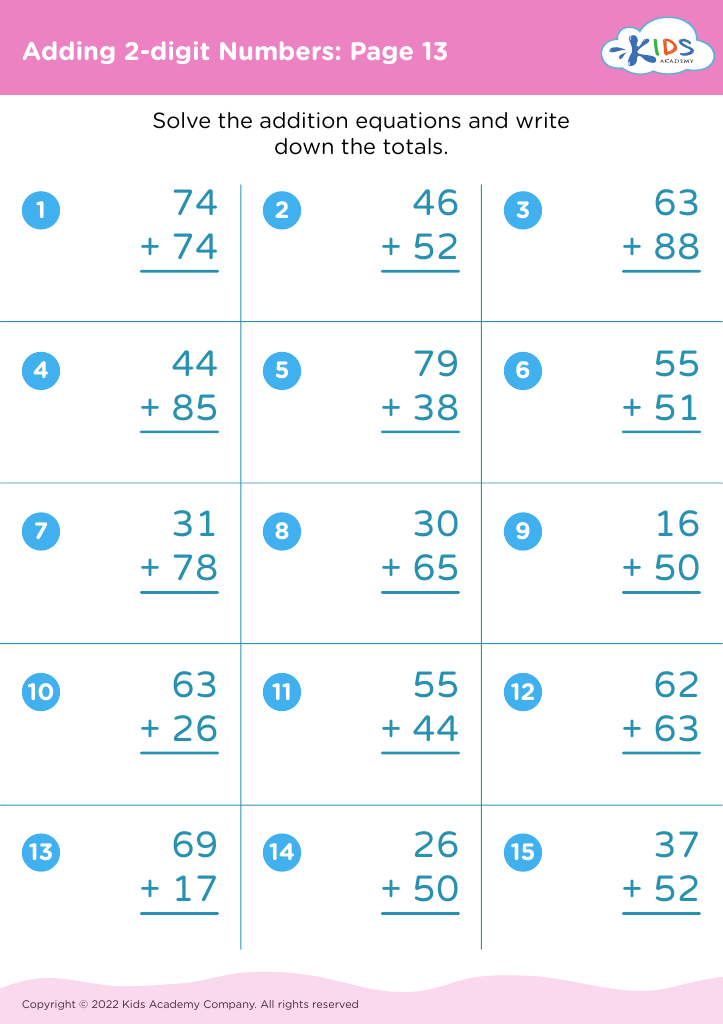
Adding 2-digit Numbers: Page 13

Adding 2-digit Numbers: Page 13

Adding 2-digit Numbers: Page 13
Worksheet
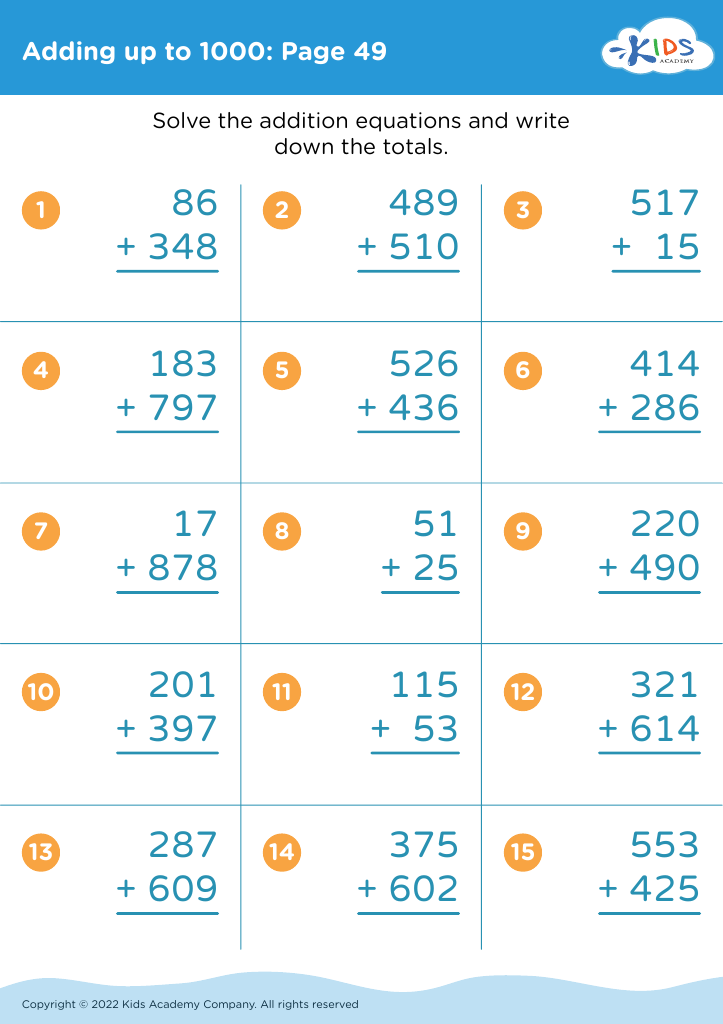
Adding up to 1000: Page 49

Adding up to 1000: Page 49

Adding up to 1000: Page 49
Worksheet
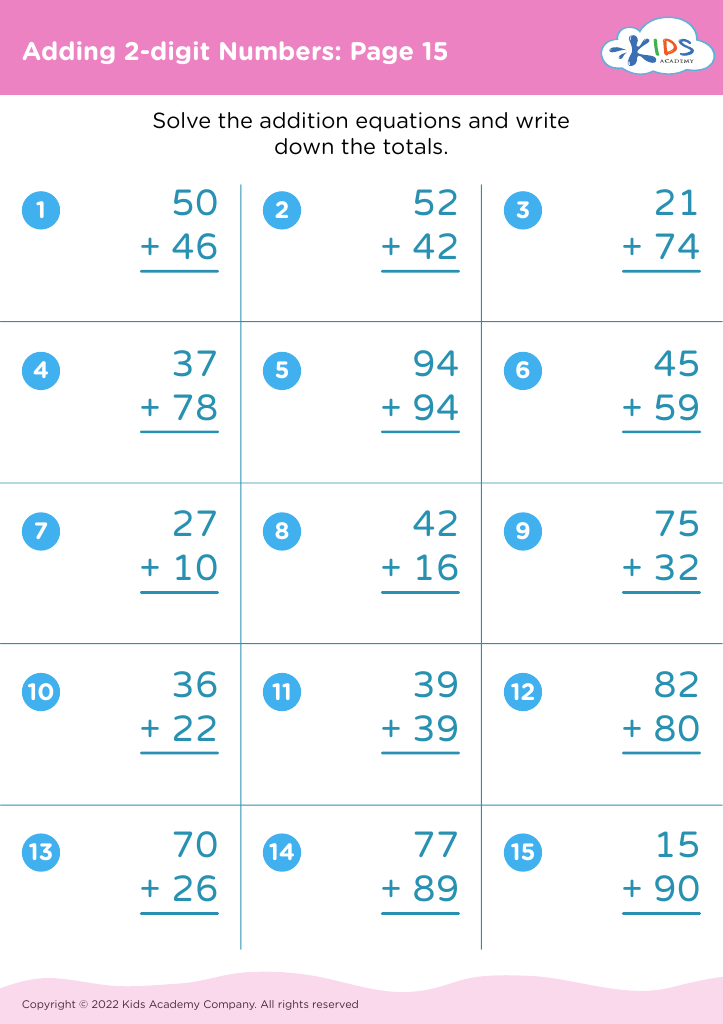
Adding 2-digit Numbers: Page 15

Adding 2-digit Numbers: Page 15

Adding 2-digit Numbers: Page 15
Worksheet
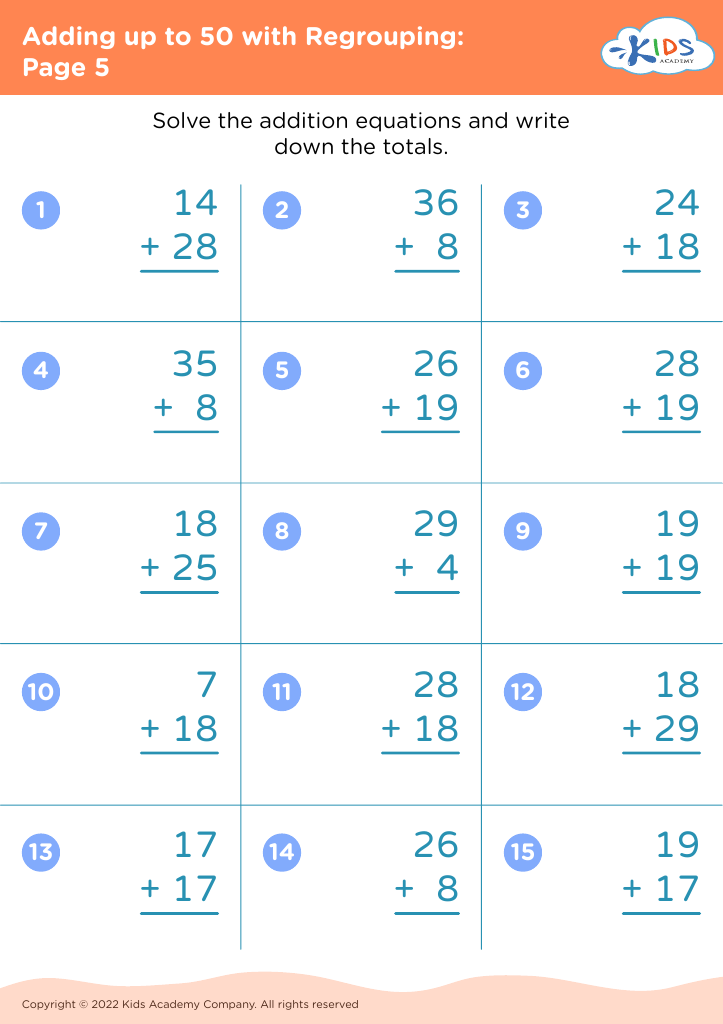
Adding up to 50 with Regrouping: Page 5
Worksheet
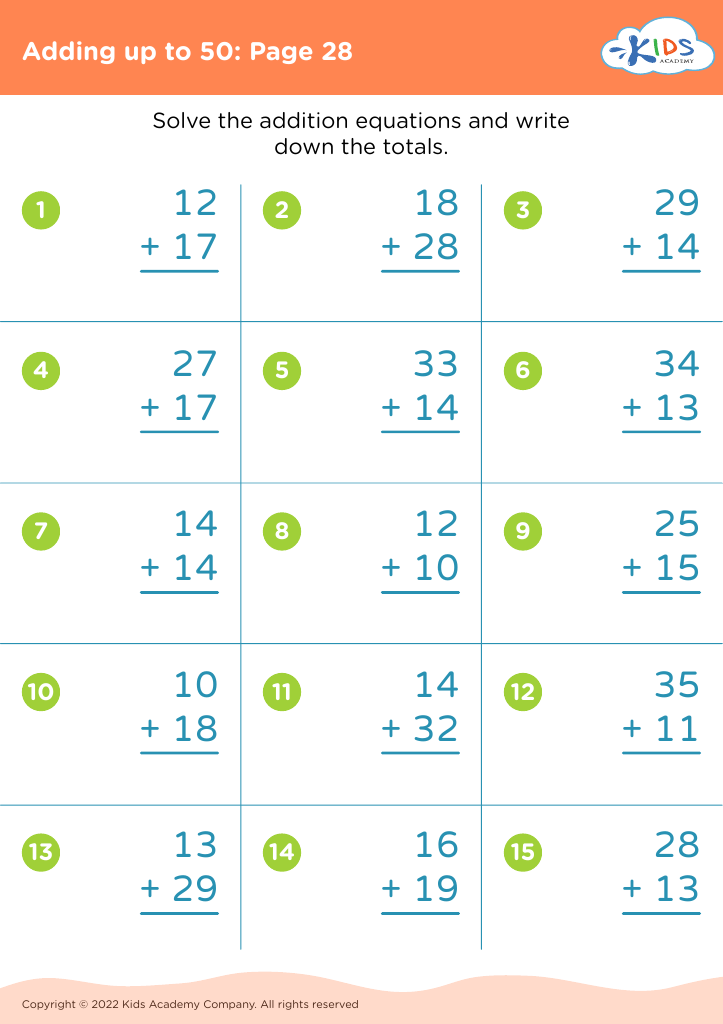
Adding up to 50: Page 28

Adding up to 50: Page 28

Adding up to 50: Page 28
Worksheet


Understanding fraction addition is crucial for children aged 7-8 as it lays the foundation for their future mathematical skills. At this developmental stage, children begin transitioning from concrete understanding to more abstract thinking. Mastering fractions helps them visualize parts of a whole, enhancing their comprehension of more complex concepts in numeracy.

Parents and teachers should prioritize this topic because fractions permeate everyday life—whether it's splitting a pizza or measuring ingredients for a recipe. By grasping fraction addition, children develop critical thinking and problem-solving skills. These competencies are essential not just in mathematics, but in all areas of learning.

Additionally, fraction proficiency can alleviate future math anxiety. Early mastery builds confidence and encourages a positive attitude toward math. When children feel successful in manipulating fractions, they're more willing to tackle advanced topics like ratios, proportions, and decimals later on.

Lastly, collaborating at home and in the classroom can foster a supportive learning environment. Engaging with fraction problems together not only boosts academic understanding but also strengthens the child’s interpersonal skills and creates lasting positive memories of the learning process. Overall, caring about fraction addition serves both educational development and personal growth.