Problem-Solving Skills Counting Worksheets for Ages 7-8
4 filtered results
-
From - To
Unlock the potential of young minds with our Problem-Solving Skills Counting Worksheets designed for ages 7-8. Our engaging and carefully crafted worksheets focus on enhancing both counting and critical thinking abilities. Ideal for developing foundational math skills, each worksheet presents intriguing problems that challenge students to count accurately while solving real-world scenarios. Encourage joyful learning with colorful activities that promote confidence and problem-solving proficiency. Perfect for classroom use or extra practice at home, these worksheets are an excellent resource for fostering an early love of math and improving cognitive skills in youngsters. Explore endless educational fun today!
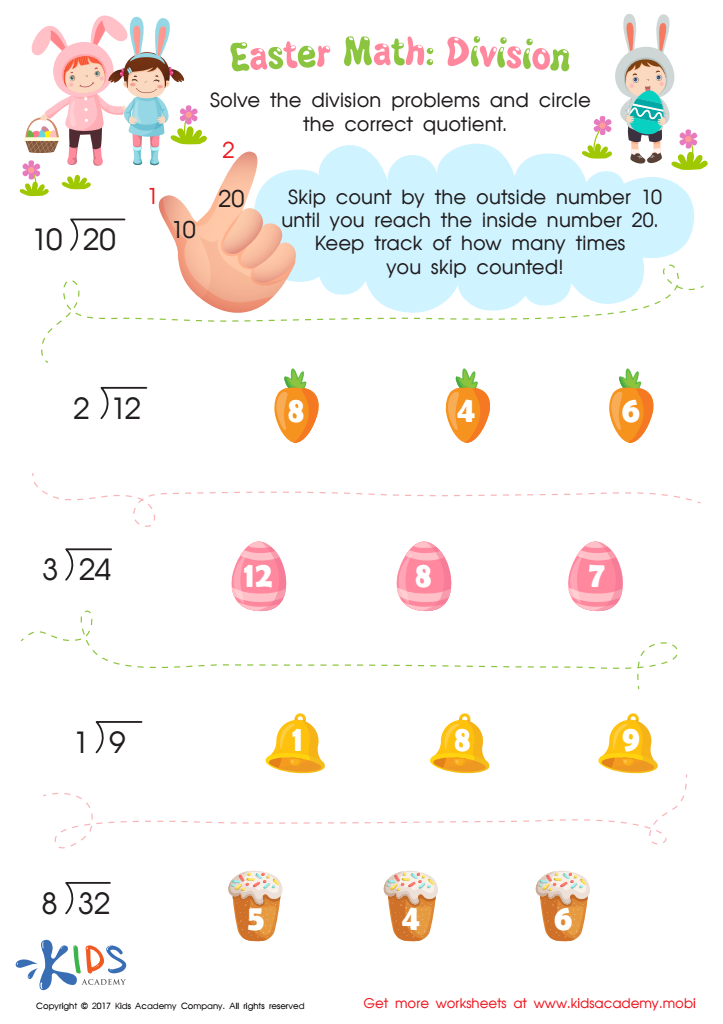
Division Worksheet
 Assign to My Students




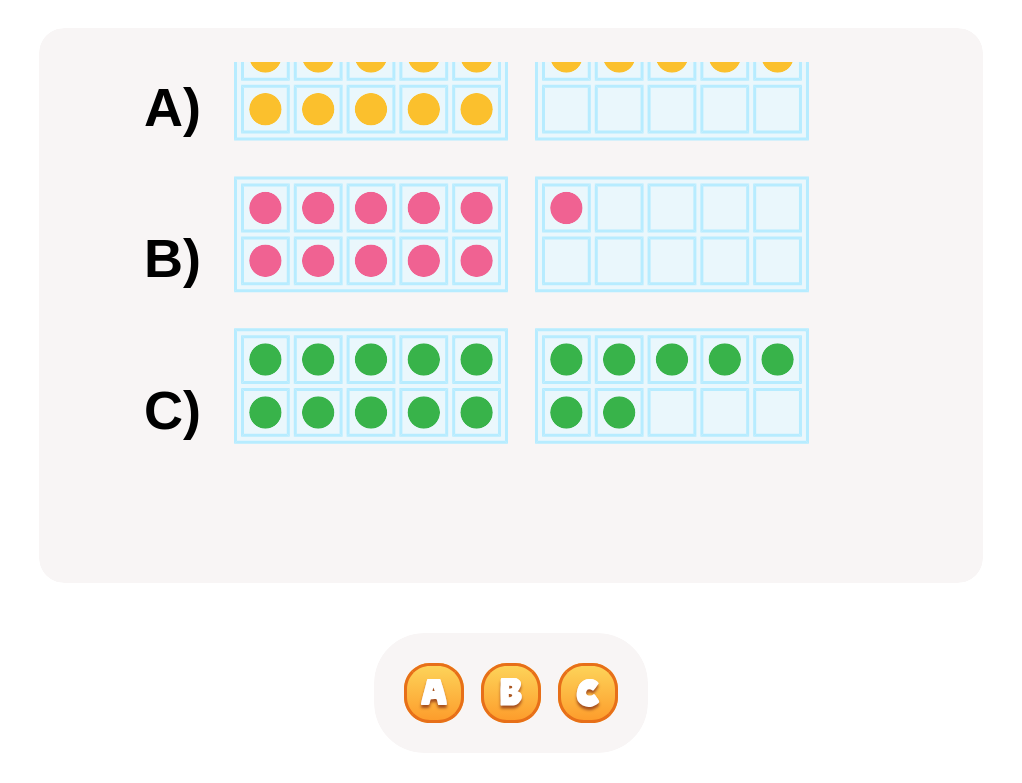


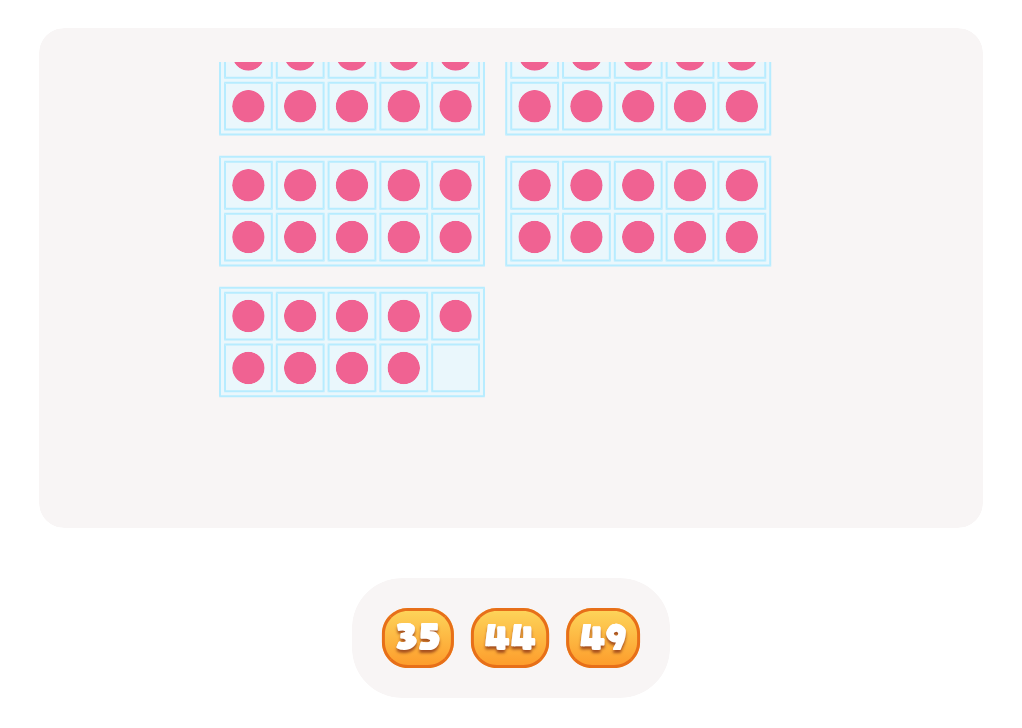
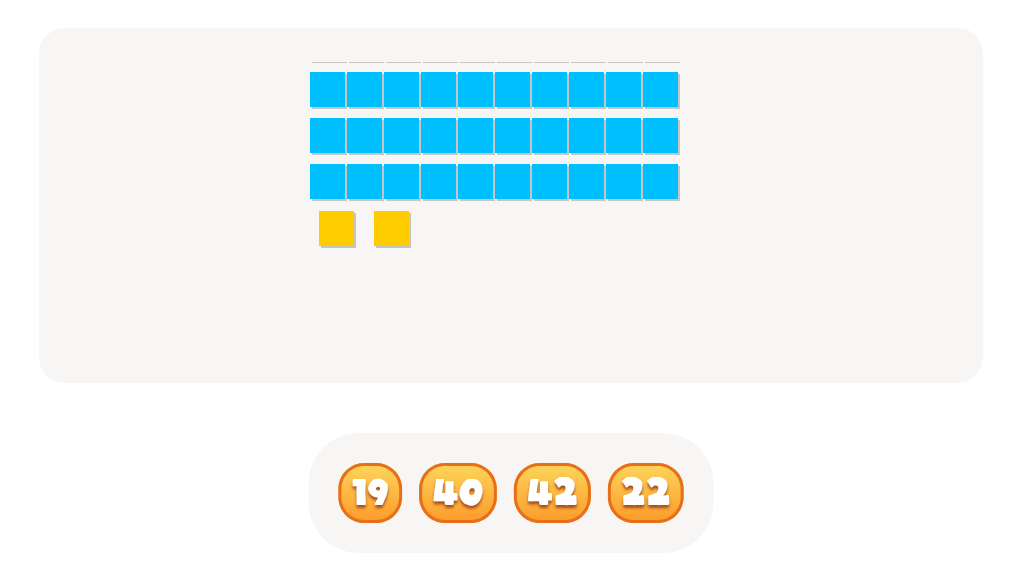

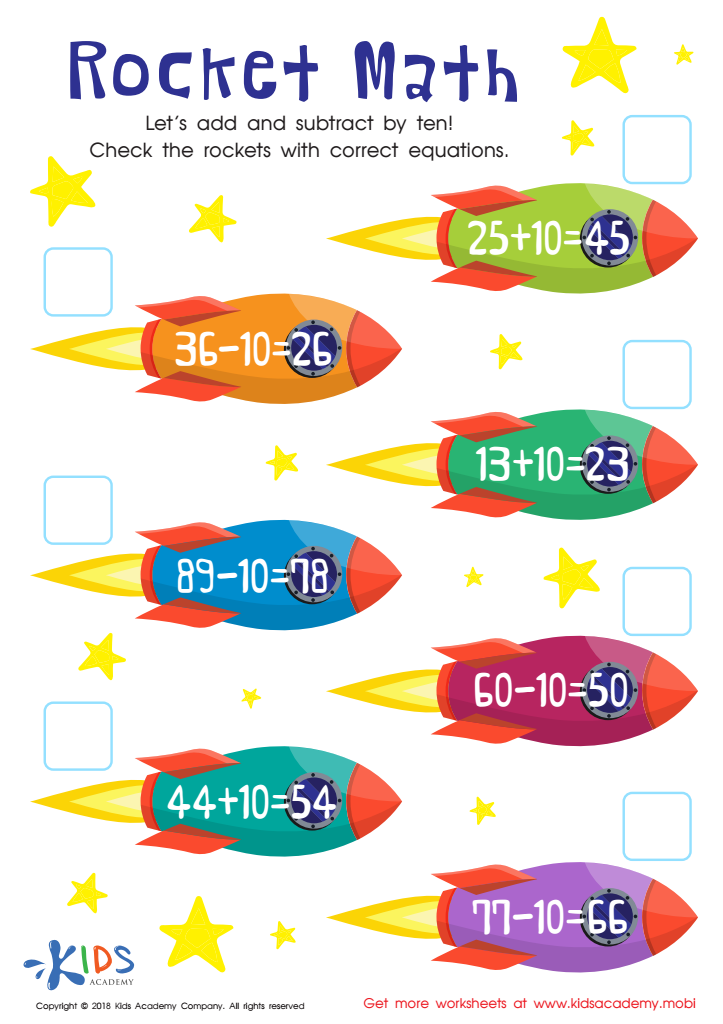
Rocket Math Worksheet
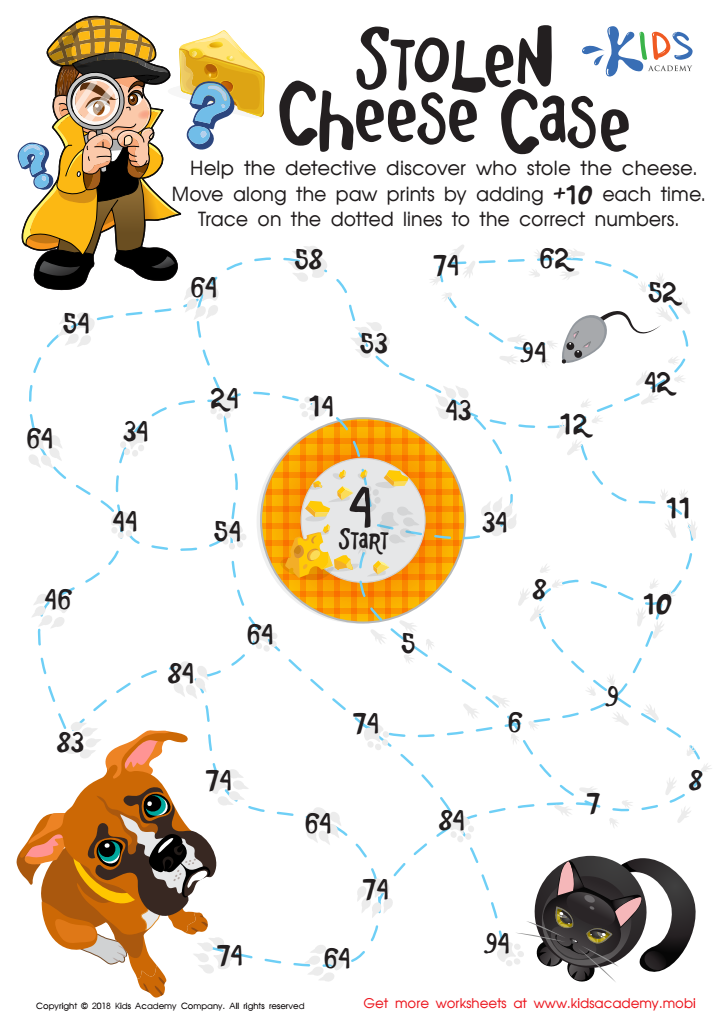
Stolen Cheese Case Maze Worksheet
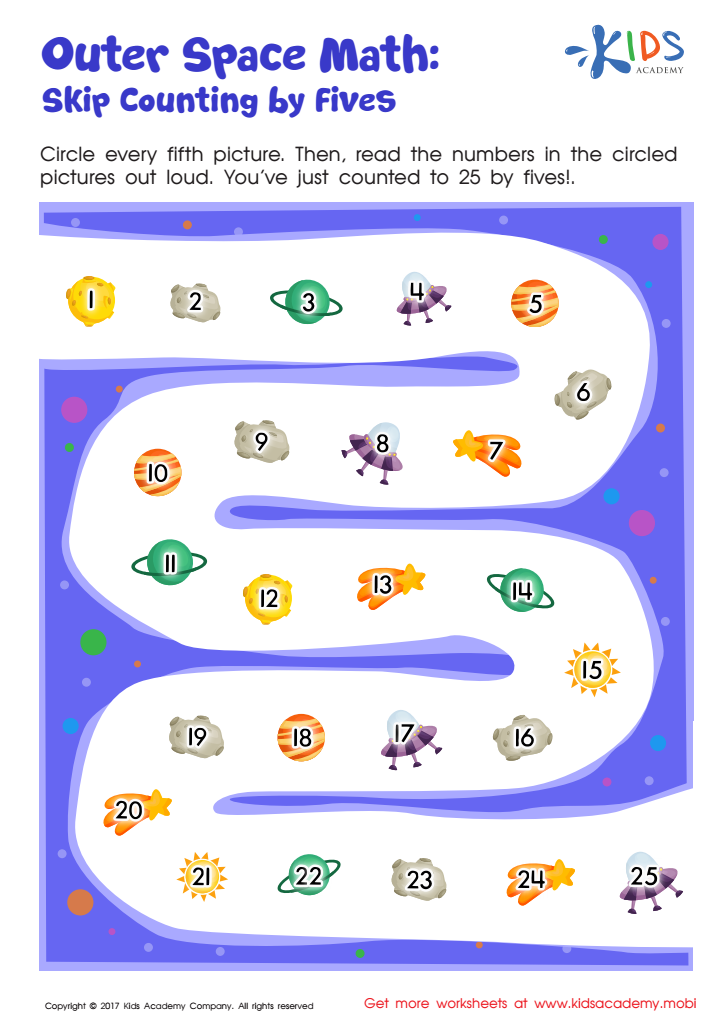
Skip Counting by 5s: Outer Space Math Printable








Problem-solving skills and counting are foundational in the development of critical cognitive abilities in children aged 7-8, making it essential for parents and teachers to prioritize their cultivation. At this age, children are transitioning from simple arithmetic to more complex mathematical concepts that will be crucial for their academic success. Problem-solving exercises, especially those involving counting, encourage logical thinking, pattern recognition, and strategic planning. By engaging in activities that require them to find solutions, children develop perseverance and resilience, learning that challenges can lead to rewarding outcomes.
Moreover, problem-solving skills extend far beyond mathematics. They are vital for everyday decision-making and navigating social interactions. For instance, understanding sequences and patterns helps in organizing tasks, while evaluating different strategies fosters social skills like cooperation and empathy during group activities. These experiences shape a child’s ability to approach real-world problems creatively and confidently.
Parents and teachers should facilitate an environment rich in problem-solving opportunities, fostering a growth mindset. Tools such as puzzles, games, and interactive math apps can make learning fun and engaging, turning problem-solving into a pleasurable experience rather than a chore. Ultimately, bolstering these skills early on lays the groundwork for lifelong learning and adaptability in an ever-evolving world.








