Understanding skip-counting Counting Worksheets for Ages 7-8
3 filtered results
-
From - To
Discover "Understanding Skip-Counting Counting Worksheets for Ages 7-8" at Kids Academy! These expertly designed worksheets help young learners grasp skip-counting, laying a foundation for advanced arithmetic and number patterns. Through engaging exercises, students will practice counting by 2s, 5s, and 10s, enhancing their mathematical fluency and confidence. Perfect for classroom and at-home learning, our materials ensure children develop critical skills in a fun, interactive way. Equip your child with the tools they need for math success by exploring our comprehensive skip-counting worksheets today! Join us at Kids Academy and watch your child's math abilities soar.
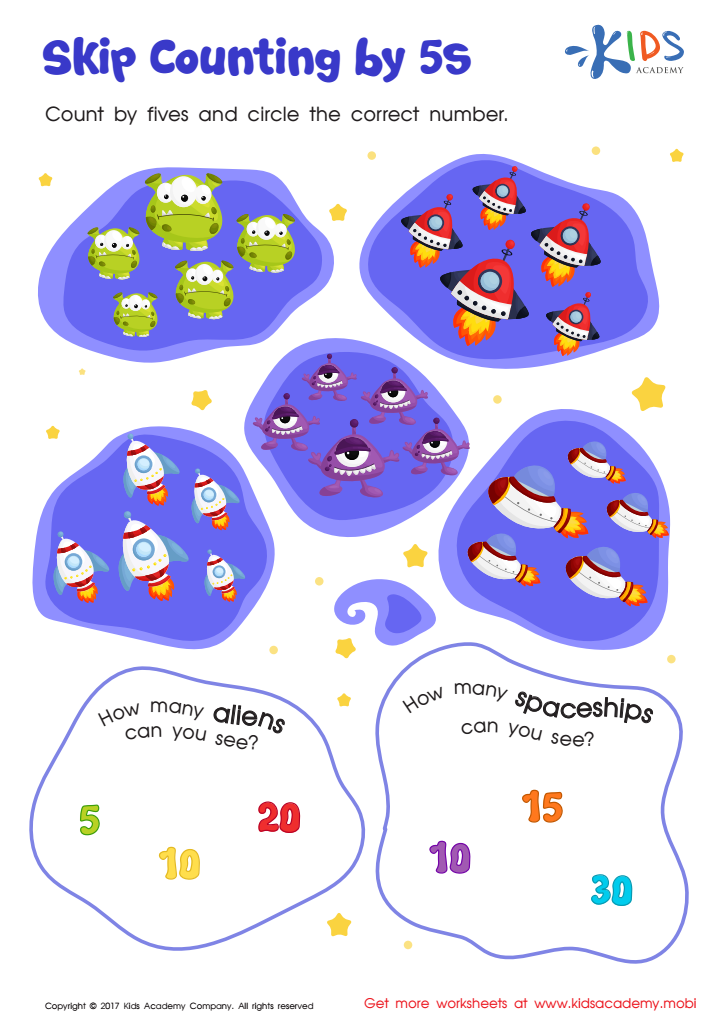
Skip Counting by 5s: Aliens and Spaceships Printable
 Assign to My Students

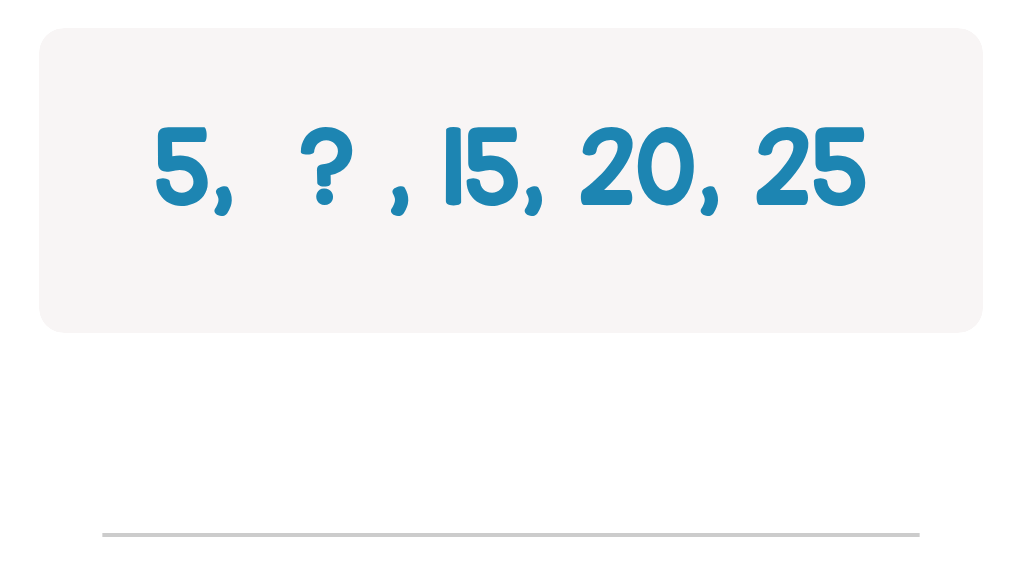
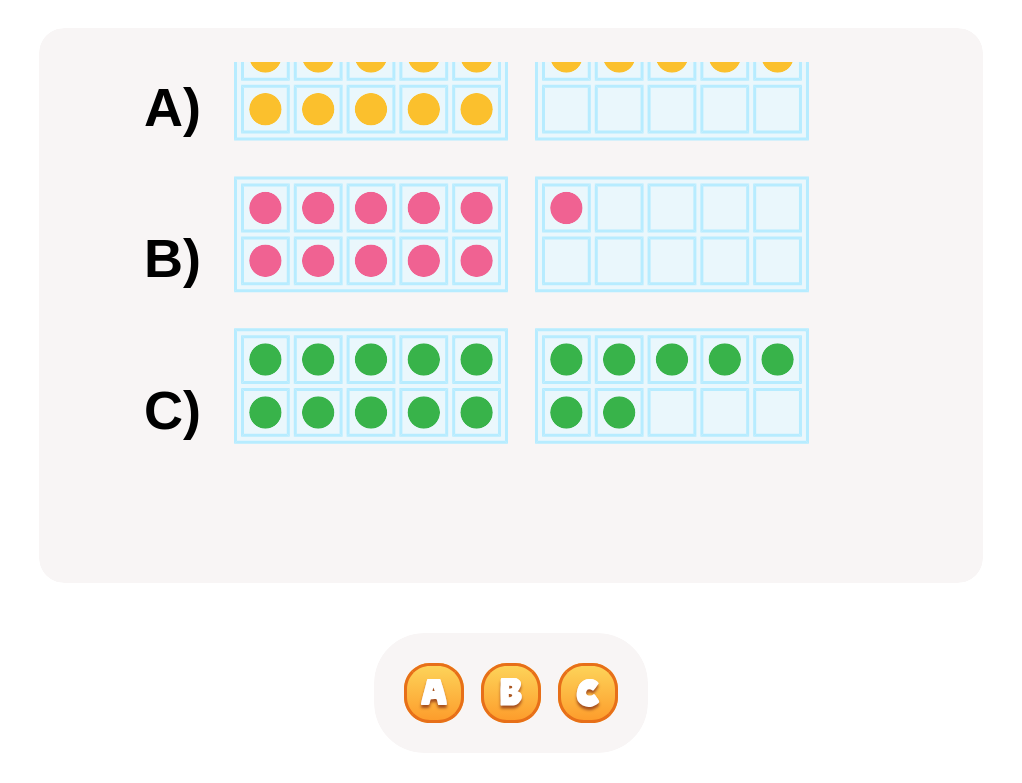
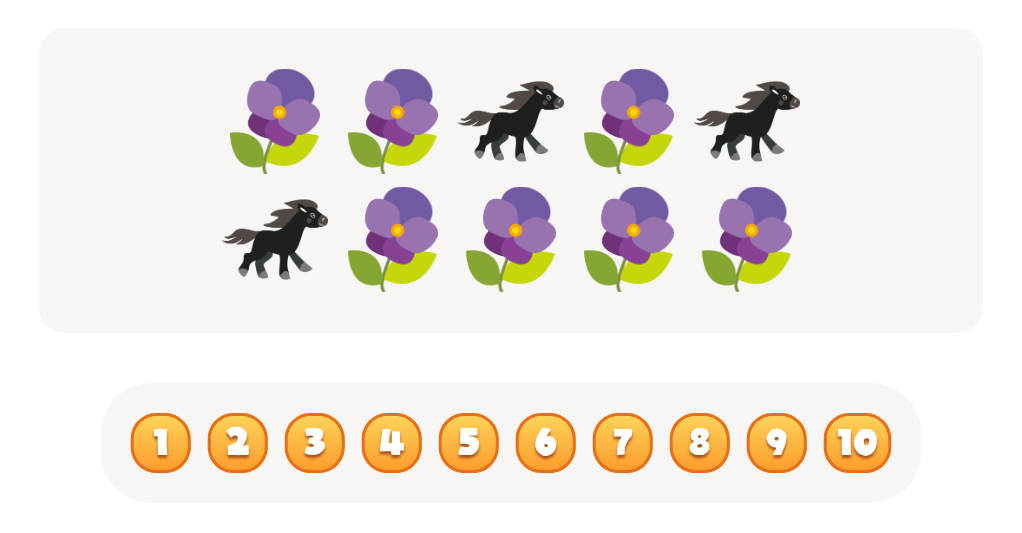
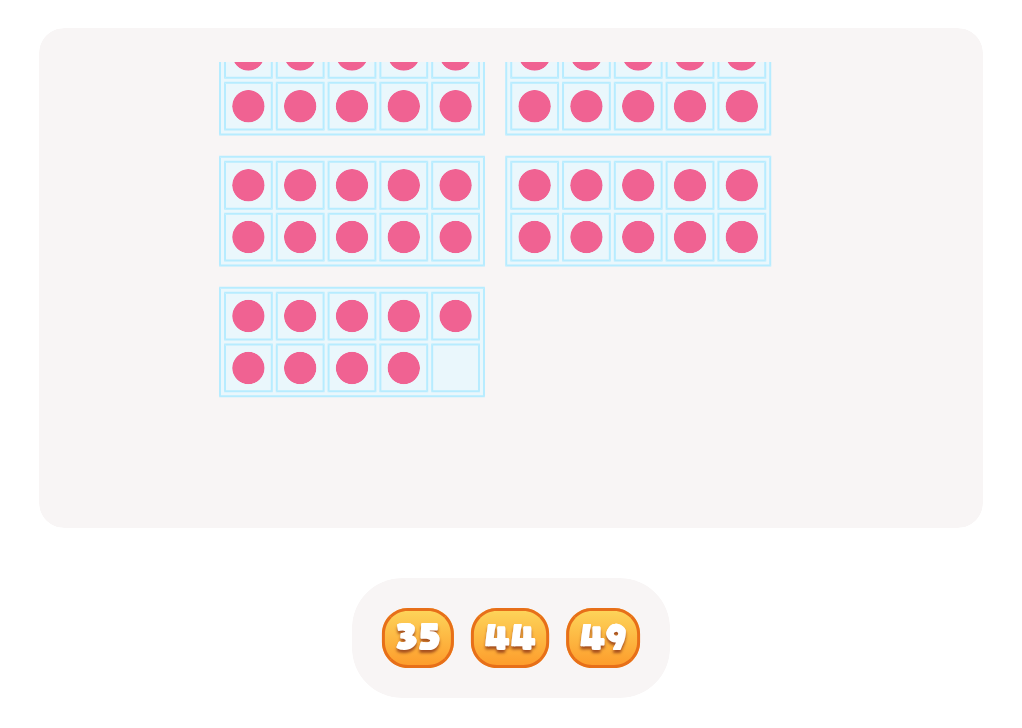
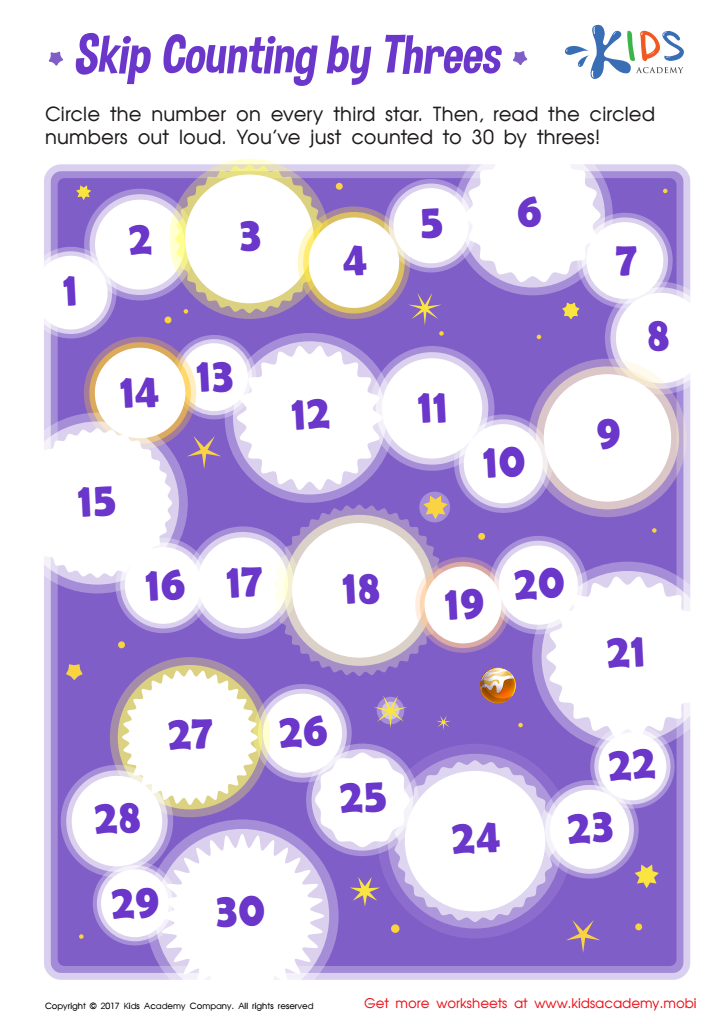
Skip Counting By Three Printable
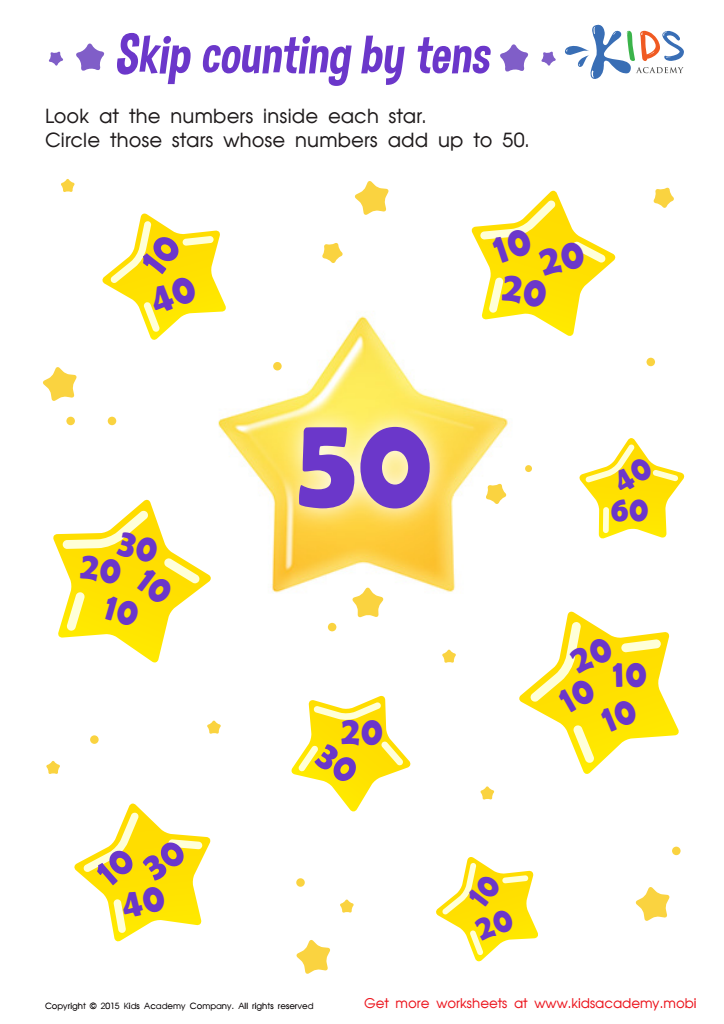
Learn Dozens: Skip Counting by Tens Printable







.jpg)
Understanding skip-counting is foundational for children aged 7-8 as it reinforces essential arithmetic skills and prepares them for more complex mathematical concepts. Skip-counting not only helps in learning multiplication tables but also facilitates quicker mental calculations, enabling children to solve problems more efficiently.
For parents and teachers, recognizing the importance of skip-counting can ensure that children grasp the concept of number patterns and sequences early on. This early exposure builds a strong number sense, which is critical for later arithmetic operations such as addition, subtraction, multiplication, and division. Furthermore, skip-counting enhances cognitive development by promoting pattern recognition and logical thinking.
When children practice skip-counting, they build confidence in their math skills, which can foster a positive attitude towards the subject. This is crucial because a positive attitude in early years can influence their long-term engagement and success in mathematics. Additionally, integrating skip-counting in daily activities, like counting by twos, fives, or tens, makes learning fun and practical, showing children the real-world applications of their math skills.
In conclusion, attention to skip-counting by parents and teachers can significantly impact a child's mathematical foundation, cognitive skills, and overall academic confidence, setting the stage for future educational accomplishments.








