Applying math skills Math Worksheets for Ages 7-8
3 filtered results
-
From - To
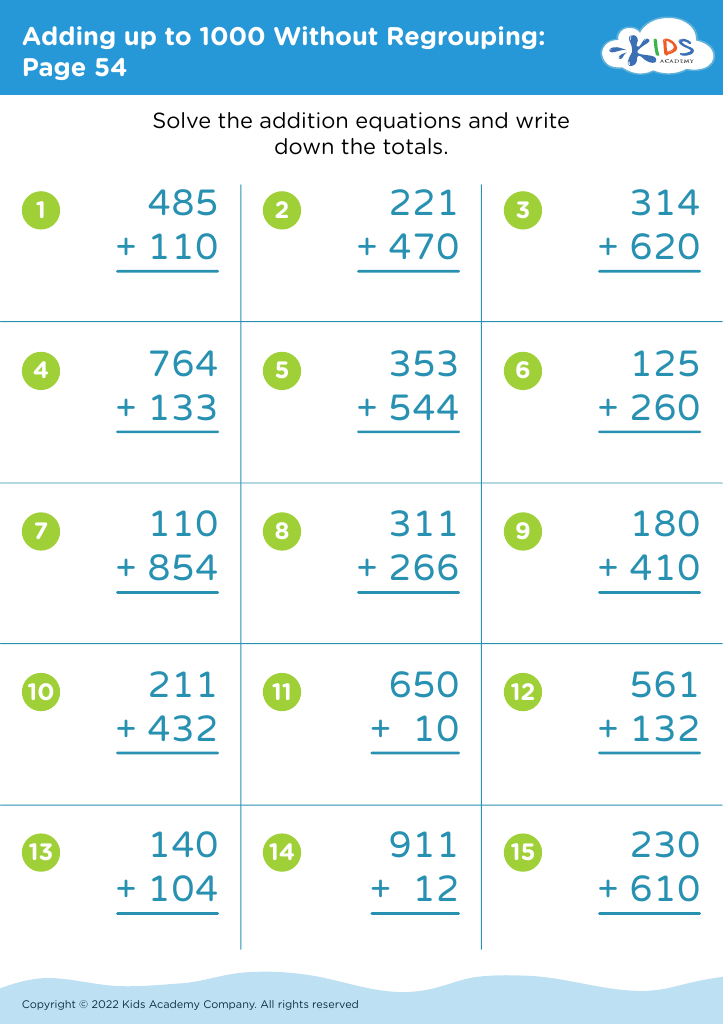
Our "Applying Math Skills" Math Worksheets for ages 7-8 are designed to help young learners build a strong mathematical foundation while making learning fun and engaging. These worksheets cover various essential topics, including addition, subtraction, multiplication, division, fractions, and word problems, ensuring comprehensive skill development. Each worksheet is created to reinforce critical thinking and problem-solving abilities, tailored to the developmental level of 7-8-year-olds. Through interactive and stimulating activities, children can apply their math knowledge in practical scenarios, building confidence and proficiency. Perfect for both classroom use and at-home practice, these worksheets pave the way for future math success.
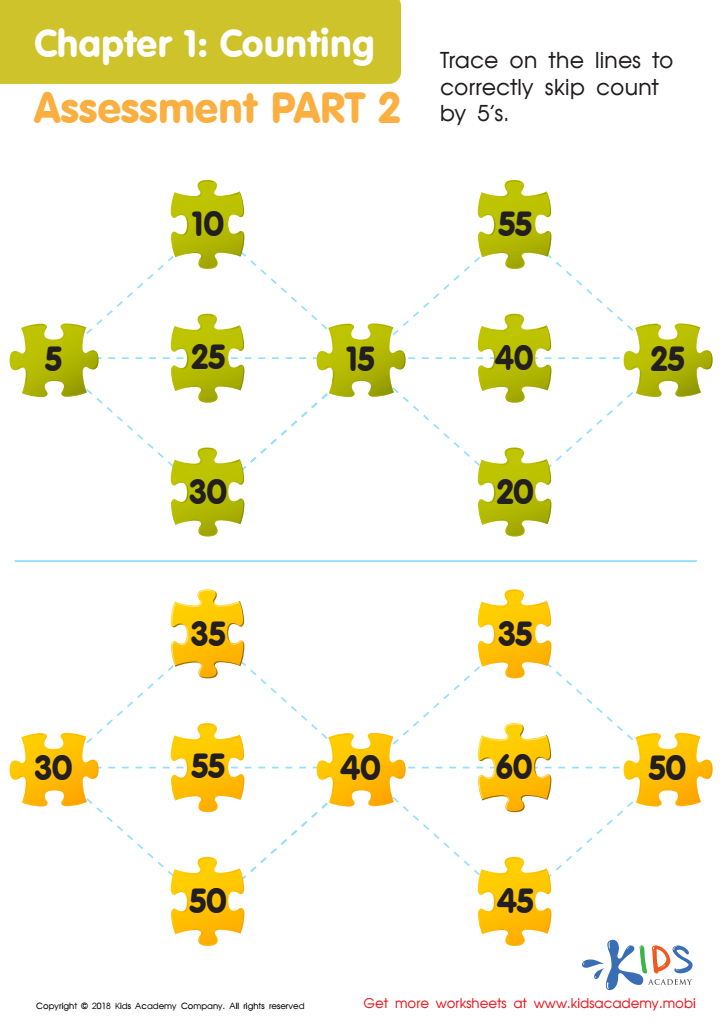
Counting: Assessment 2 Worksheet
 Assign to My Students
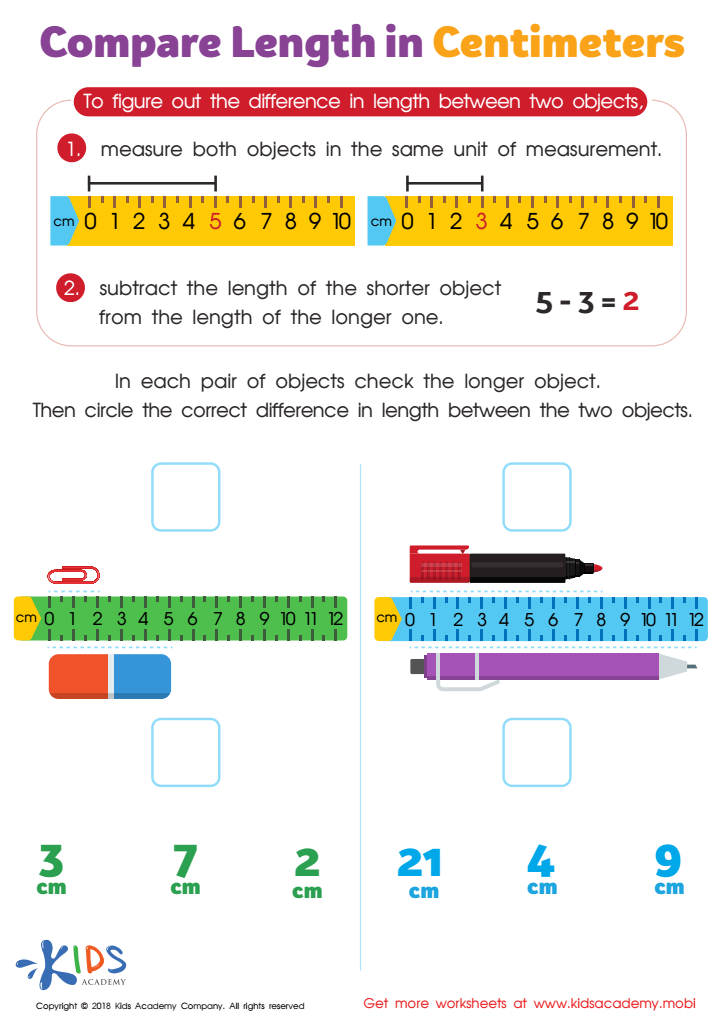
Compare Length in Centimeters Worksheet



%20(1).jpg)


.jpg)

At ages 7-8, children are at a critical stage in their cognitive development where foundational math skills lay the groundwork for future learning. Applying math skills is not merely about solving problems but understanding concepts that extend to everyday tasks and other academic subjects. Parents and teachers should care deeply about fostering these skills because they underpin essential life competencies.
First, developing math skills at this age helps children build problem-solving and critical-thinking abilities. These cognitive skills are vital for making informed decisions in everyday life. Additionally, early math proficiency is a strong predictor of later academic success, not just in math but in other subjects, as it helps develop logic and analytical skills.
Moreover, applying math in everyday situations makes learning more relevant and engaging for children. For instance, activities like measuring ingredients for a recipe or managing an allowance can make math concepts tangible.
Lastly, early positive experiences with math can build self-confidence in young learners, which is crucial for their attitude towards future learning. When children perceive math as a manageable and useful tool, they’re more likely to approach challenges with a positive mindset. Overall, ensuring children ages 7-8 develop robust math skills equips them with essential tools for academic achievement and practical day-to-day problem-solving.








