Color differentiation Math Worksheets for Ages 7-8
3 filtered results
-
From - To
Enhance your child's learning with our Color Differentiation Math Worksheets designed for ages 7-8. These engaging activities help young learners master essential math skills while honing their ability to distinguish colors. Each worksheet combines fun exercises with vibrant visuals to make math exciting and enjoyable. From counting and sorting to basic addition and subtraction, your child will build a strong foundation in both math and color recognition. Perfect for classroom or home use, these worksheets are a fantastic tool to boost confidence and competence in young mathematicians. Download today to support your child's educational journey!
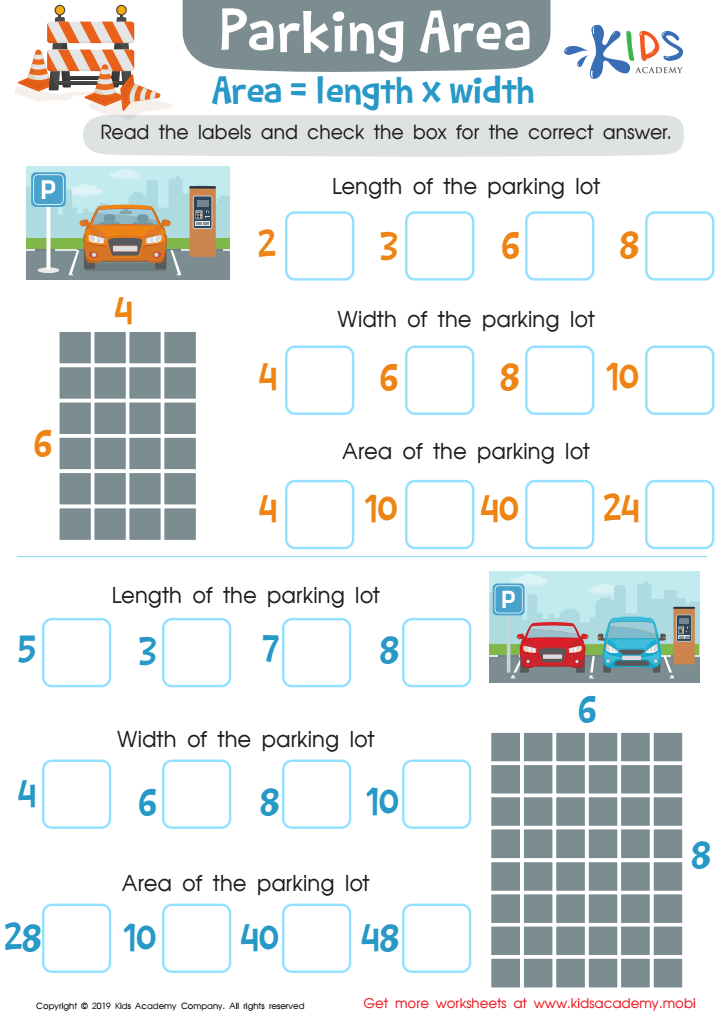
Parking Area Worksheet
 Assign to My Students
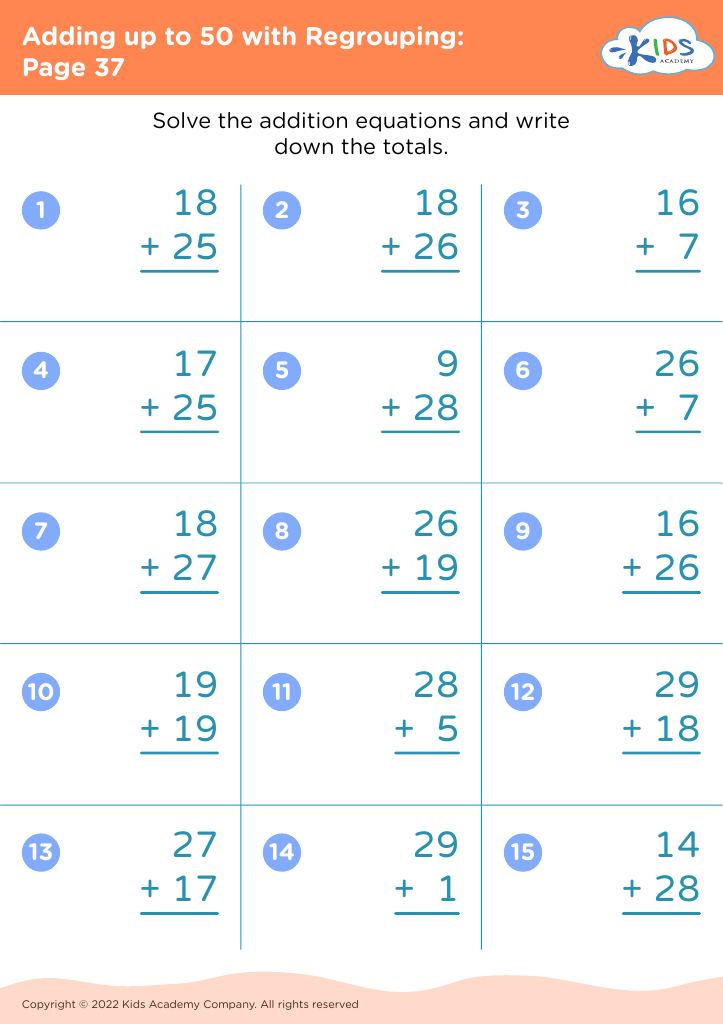
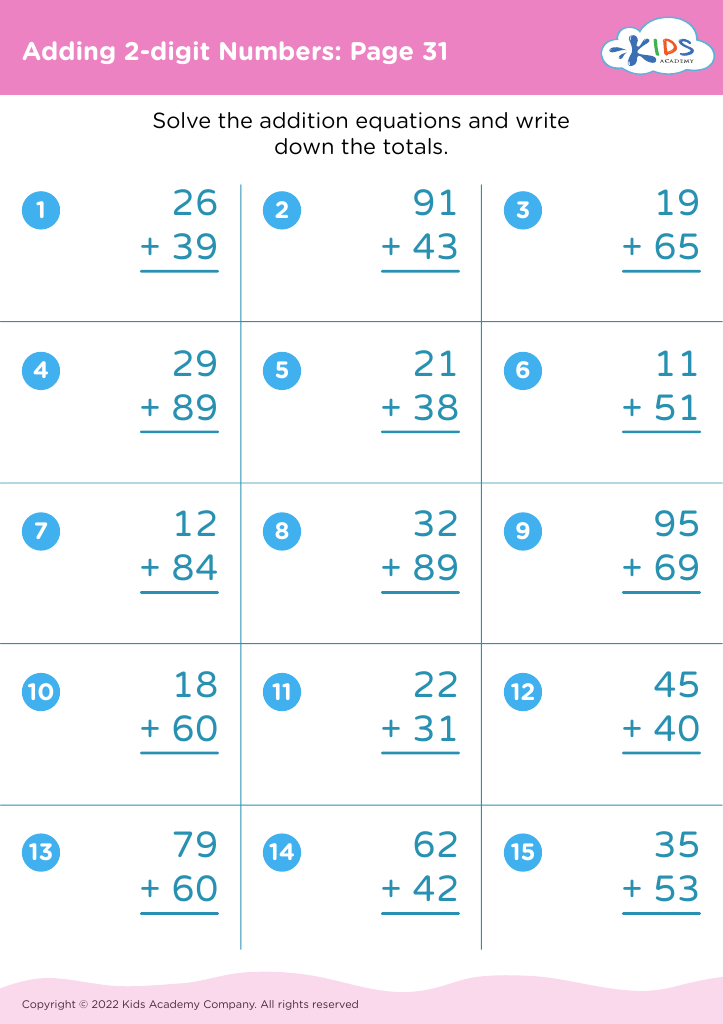







Color differentiation in math for children aged 7-8 plays a crucial role in their early cognitive development and understanding of mathematical concepts. When parents and teachers emphasize color differentiation, they tap into a child's natural visual learning abilities, making abstract concepts more concrete and easier to grasp. For example, using different colors to represent various numbers, shapes, or operations (like addition and subtraction) can help kids better visualize problems and solutions.
At this age, children are highly receptive to visual stimuli. Color-coded learning materials can make complex ideas seem more manageable and engaging, reducing anxiety and making math enjoyable. Additionally, colors can help reinforce memory; associating a specific color with a particular concept aids in retention and recall. This method not only boosts comprehension but also encourages children to develop strong associative learning skills.
Moreover, incorporating color differentiation can support children with different learning styles and needs, including those with learning disabilities. It provides an alternative pathway to understanding, making math more inclusive.
Overall, when parents and teachers invest time in utilizing color differentiation in math, they build a supportive, multi-sensory learning environment. This fosters enthusiasm for learning, strengthens foundational math skills, and sets children up for future academic success.








